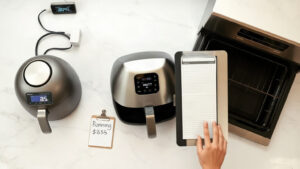
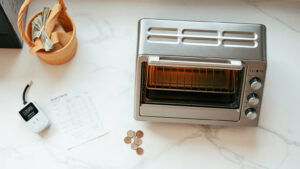
To clean your toaster oven crumb tray without scratching it, soak it in warm soapy water, then use a soft sponge or silicone brush — never steel wool or abrasive pads. Most crumb trays have a non-stick coating or a thin finish that scratches easily, which can lead to rust and flaking over time. A little patience goes a long way here.
Safety First: Always unplug your toaster oven and let it cool completely for at least 1 hour before cleaning. Keep water away from heating elements and electrical components. Dry all removable parts thoroughly before putting them back.
Key Takeaways
- Always remove the crumb tray before cleaning and let it cool completely — at least 20–30 minutes after use.
- Soak stubborn grease in warm water mixed with a few drops of dish soap for 10–15 minutes before scrubbing.
- Baking soda paste is the safest abrasive option for baked-on residue; it cleans without scratching.
- Never use steel wool, metal scrapers, or harsh chemical sprays like oven cleaner on the crumb tray.
- Clean your crumb tray every 1–2 weeks to prevent grease buildup, smoke, and potential fire hazards.
Let’s be honest — the crumb tray is probably the most neglected part of your toaster oven. It quietly collects crumbs, grease splatters, and burnt bits every single time you cook. Ignore it long enough and you’ll start noticing smoke, weird smells, and sometimes even small flare-ups. The problem is, when people finally decide to clean it, they scrub too hard and end up scratching the surface. Once that coating is gone, the tray rusts fast. This guide walks you through exactly how to get it sparkling clean without doing any damage.
Why the Crumb Tray Gets So Dirty (And Why It Matters)
Every time you toast bread, bake a piece of chicken, or reheat leftovers, tiny food particles fall through the rack and land on the crumb tray. Over time, those crumbs mix with dripping grease and get baked on by the heating element. The tray sits very close to those elements, and toaster ovens can reach temperatures of 450°F or higher, which is more than enough to carbonize any residue sitting on that tray.
That baked-on layer isn’t just unsightly. It’s a legitimate fire risk. Grease is flammable, and a tray packed with carbonized debris can ignite if the oven gets hot enough. Beyond safety, a dirty crumb tray affects taste — burnt residue creates smoke that can give your food an off flavor. Regular cleaning keeps your oven performing the way it should.
What You’ll Need Before You Start
You don’t need anything fancy. Most of what works best is probably already under your kitchen sink.
- Warm water and mild dish soap
- Baking soda
- White vinegar (optional, for mineral deposits)
- A soft sponge or non-scratch scrubbing pad
- A silicone brush or old toothbrush for corners
- A microfiber cloth or paper towels for drying
What you want to avoid bringing anywhere near your crumb tray: steel wool pads, metal spatulas or scrapers, abrasive powder cleansers, and commercial oven cleaners. Those products are formulated for heavy-duty porcelain oven interiors — they’re far too harsh for the thin finish on most crumb trays.
Step-by-Step: How to Clean Your Crumb Tray Without Scratching
Step 1: Let It Cool, Then Remove It
This sounds obvious, but people skip it more than you’d think. Never pull out the crumb tray right after cooking. Give your toaster oven at least 20–30 minutes to cool down completely. The tray retains heat longer than you’d expect, and sliding it out while it’s still warm means any grease on it is still liquid — which makes a mess and can cause burns.
Once it’s cool, slide the tray out carefully. Most crumb trays slide out from the front or bottom of the oven. Hold it level so you don’t dump crumbs all over your counter, or better yet, slide it out over the sink or a trash can.
Step 2: Tap Out the Loose Crumbs
Before getting it wet, tap the tray gently over a trash can to knock loose the dry crumbs. You can use a dry paper towel to wipe off anything that didn’t fall. This makes the wet cleaning process much faster and stops loose crumbs from turning into a soggy paste in your sink.
Step 3: Soak in Warm Soapy Water
Fill your sink with warm water and add a few drops of dish soap. Submerge the crumb tray and let it soak for 10–15 minutes. This step does most of the actual work. The warm water softens baked-on grease and loosens carbonized bits so you don’t have to scrub hard later. If the tray won’t fit in your sink, a large baking dish or roasting pan works just as well.
Step 4: Gently Scrub With a Soft Sponge
After soaking, use the soft side of a sponge to wipe down the surface in gentle, circular motions. For light buildup, this is usually all you need. Work your way across the entire tray — top and bottom — and pay attention to the edges and corners where grease tends to pool. A silicone brush or old toothbrush is perfect for getting into those tight spots without scratching.
Step 5: Use Baking Soda Paste for Stubborn Spots
If there’s baked-on residue that won’t budge with soap and water, reach for baking soda. Mix about 2 tablespoons of baking soda with just enough water to form a thick paste. Spread it over the stubborn spots and let it sit for 5–10 minutes. Then gently scrub with your soft sponge. Baking soda is mildly abrasive — just abrasive enough to break down carbonized grease without scratching the tray’s finish. Rinse thoroughly afterward.
Step 6: Rinse, Dry, and Reinstall
Rinse the tray under warm running water to remove all soap and baking soda residue. Then dry it completely with a microfiber cloth or paper towels before putting it back. Don’t put a damp tray back into the oven — moisture accelerates rust, especially if any part of the coating has worn away. If you’re not in a rush, let it air dry for 15–20 minutes before reinstalling.
Cleaning Methods Compared
Not sure which approach fits your situation? Here’s a quick breakdown of the most common methods.
| Cleaning Method | Best For | Scratch Risk | Time Required |
|---|---|---|---|
| Warm soap and water | Light, regular buildup | Very low | 10–15 minutes |
| Baking soda paste | Stubborn baked-on grease | Low | 15–20 minutes |
| White vinegar soak | Mineral deposits and odors | Very low | 10–15 minutes |
| Non-scratch scrub pad | Moderate grease with soaking | Low (if used gently) | 10–20 minutes |
| Steel wool or metal scraper | Should never be used | Very high | N/A |
| Commercial oven cleaner | Should never be used on trays | High / coating damage | N/A |
How Often Should You Clean the Crumb Tray?
The honest answer depends on how often you use your toaster oven. If you’re using it daily — especially for anything greasy like bacon, sausage, or reheating food in the toaster oven — you should give the tray a quick wipe-down every week and a thorough cleaning every two weeks. For light users who mostly just toast bread, once a month is probably fine.
A good habit is to do a quick dry wipe after every few uses — just slide it out, tap the crumbs into the trash, and slide it back in. It takes 30 seconds and prevents the kind of buildup that makes deep cleaning necessary.
Protecting Your Crumb Tray Going Forward
Once your crumb tray is clean, a little prevention keeps it that way. One of the best moves is to line it with aluminum foil — just make sure to check your manufacturer’s instructions first, as some brands specifically advise against foil lining because it can block airflow or create hotspots.
Another option is to use a toaster oven baking pan with a rim when cooking greasy foods. A rimmed pan catches drips before they ever hit the crumb tray. It’s a simple habit that dramatically reduces how often you need to do a deep clean.
If the coating on your crumb tray is already scratched, flaking, or showing rust, it’s worth replacing it rather than continuing to use it. A damaged tray can’t be restored, and flaking coating on a food-contact surface isn’t something you want near your meals. Many manufacturers sell replacement trays, and universal-fit options are widely available online.
Frequently Asked Questions
Can I put my toaster oven crumb tray in the dishwasher?
It depends on your specific model. Some crumb trays are labeled dishwasher-safe, but many are not — the heat and harsh detergents in a dishwasher can strip the coating and cause warping. Check your owner’s manual first. When in doubt, hand washing with warm soapy water is always the safer route and takes just a few minutes.
What if my crumb tray has rust on it?
Light surface rust can sometimes be addressed with a paste of baking soda and a small amount of white vinegar — apply it to the rust spot, let it sit for 10 minutes, then gently scrub with a soft sponge. However, if the rust is deep, widespread, or the coating is flaking around it, the tray should be replaced. Rust on a surface that sits directly beneath your food is a health and safety concern you don’t want to ignore.
Is it safe to use white vinegar on the crumb tray?
Yes, white vinegar is safe and effective for removing mineral deposits and deodorizing the tray. You can soak the tray in a mix of equal parts white vinegar and warm water for about 10–15 minutes. It won’t scratch the surface, and it cuts through light grease well. Just rinse it thoroughly afterward — you don’t want a vinegar smell lingering the next time you heat up your oven.
How do I know if my crumb tray has a non-stick coating?
Most modern toaster oven crumb trays have some kind of non-stick or enamel coating, even if it’s not labeled as such. If the surface looks shiny or has a smooth, slightly dark finish, it likely has a coating. You can also check your owner’s manual or the manufacturer’s website. When you’re unsure, treat it as if it does have a coating — that means sticking to soft sponges and mild cleaners regardless.
My crumb tray has a burnt smell even after cleaning — what’s wrong?
If a burnt smell persists after cleaning the crumb tray, the issue might not be the tray itself. Check the inside walls of the oven, the rack, and especially the heating elements for residue. Grease and food debris can splatter onto those surfaces too, and they burn every time the oven heats up. Wipe down the interior walls with a damp cloth (when the oven is off and cool), and check whether the smell disappears after a short burn-off cycle at 350°F for about 10 minutes.

Written by
Emma founded Toastera to turn vague appliance advice into clear, researched, safety-first guidance on toasters and toaster ovens.
Free: the Toaster Oven Cheat Sheet
Get the printable cheat sheet (temps, cook times & safety tips) plus new recipes. No spam, unsubscribe anytime.