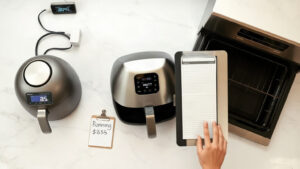
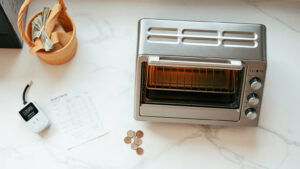
A toaster oven typically takes 10 to 15 minutes to fully preheat, depending on the target temperature and the wattage of the unit. Smaller, lower-wattage models heat up slower than larger, more powerful ones — and reaching 450°F takes noticeably longer than reaching 350°F. Knowing your oven’s actual preheat time means less guesswork and better cooking results across the board.
Safety First: Toaster ovens reach extremely high temperatures — surfaces, racks, and the door glass can cause serious burns in seconds. Always use oven mitts rated for high heat, never leave a preheating toaster oven unattended near flammable materials (dish towels, paper, plastic packaging), and keep the unit at least 4 inches from walls and cabinetry during operation. If your toaster oven begins smoking or emitting a burning smell during preheat, turn it off immediately and unplug it before investigating.
Key Takeaways
- Most toaster ovens preheat in 10–15 minutes at standard baking temperatures (350°F–375°F).
- Higher wattage (1,500W+) models preheat significantly faster than budget 1,000W units.
- Some toaster ovens have a preheat indicator light or beep — but that doesn’t always mean the oven has fully stabilized.
- Preheating matters most for baked goods, pizza, and anything that needs an immediate blast of consistent heat.
- An inexpensive oven thermometer is the most reliable way to confirm your toaster oven has actually reached temperature.
What Affects Toaster Oven Preheat Time?
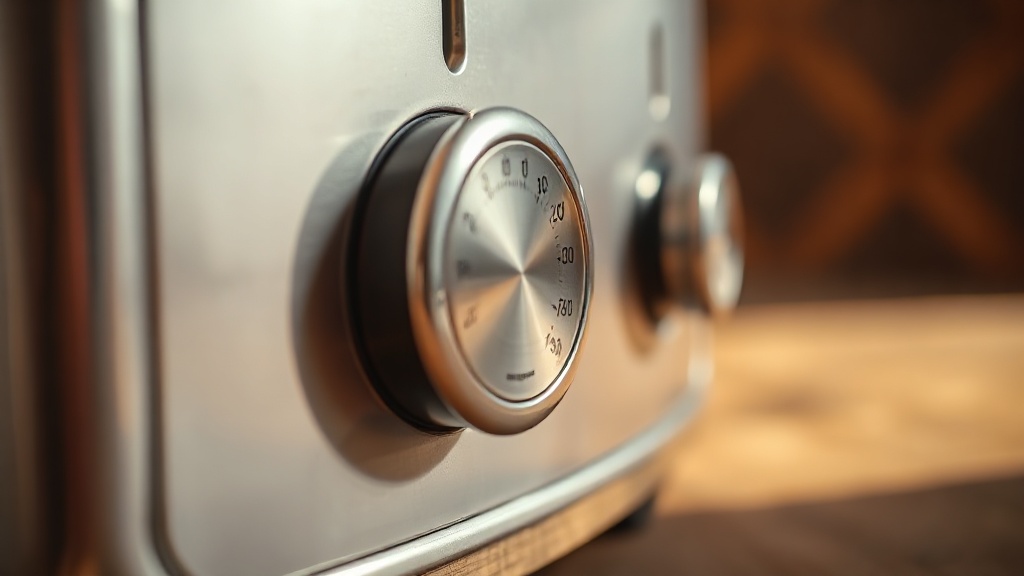
There’s no single universal answer because preheat time depends on a handful of variables. And some of them matter more than you’d think.
Wattage
This is the biggest factor. A 1,800-watt toaster oven can hit 400°F in about 8–10 minutes. A 1,000-watt model doing the same job might take 15–18 minutes. It’s the same physics as your car engine — more power means faster to speed. If you’re shopping for a new unit, wattage should be near the top of your checklist. Check out our list of the best mini toaster ovens if you want a fast, efficient option without taking up counter space.
Target Temperature
Higher temps take longer. Simple as that. Getting to 350°F is quicker than reaching 450°F, and most toaster ovens will plateau somewhere around 450–500°F at their maximum setting. If you’re baking cookies at 325°F, you might be ready in 8 minutes. A pizza at 450°F? Give it closer to 15.
Oven Size and Interior Volume
A compact 4-slice toaster oven has a much smaller interior volume than a large countertop convection model. Less air to heat means faster preheat. Conversely, that big 6-slice family-sized unit with convection might take a couple of extra minutes simply because there’s more space to bring up to temperature — even if it has a powerful heating element.
Starting Temperature of the Oven
A cold oven on a winter morning takes longer than one that was used an hour ago and is still slightly warm. Not dramatically longer, but if you’re doing back-to-back batches, your second one will be ready to go faster than the first.
Preheat Time by Temperature: A Quick Reference
Here’s a general guide for a mid-range 1,500W toaster oven starting from room temperature. These are ballpark figures — your specific model may vary by a few minutes in either direction.
| Target Temperature | Estimated Preheat Time | Common Use |
|---|---|---|
| 300°F (150°C) | 5–7 minutes | Warming food, slow roasting |
| 325°F (163°C) | 7–9 minutes | Delicate baked goods, casseroles |
| 350°F (177°C) | 9–11 minutes | Cookies, cakes, fish, chicken |
| 375°F (190°C) | 10–12 minutes | Roasted vegetables, biscuits |
| 400°F (204°C) | 11–13 minutes | Frozen foods, pizza rolls |
| 425°F (218°C) | 12–14 minutes | Thin-crust pizza, roasted meats |
| 450°F (232°C) | 13–16 minutes | Pizza, high-heat roasting |
These times assume convection is off. With convection running, add about a minute for the fan to fully circulate heat, but your food will cook faster once you start — so it’s usually worth it for savory dishes.
Does Your Toaster Oven’s Preheat Signal Actually Mean It’s Ready?
Here’s a frustrating truth: not always. Many toaster ovens — especially budget models — will beep or turn off their preheat light when the heating element has briefly cycled to the target temperature, not when the interior has fully stabilized at that temperature. The walls, the rack, and the air inside all need time to equalize.
Think about it like a full-size oven. Your kitchen oven beeps when it hits temperature, but most experienced cooks wait another 5–10 minutes before baking anything sensitive. The same logic applies here, just compressed into a shorter window.
The fix is simple and cheap: get an oven thermometer for toaster ovens. Set it inside, preheat as usual, and check the actual reading before you put food in. You may be surprised how off your oven’s built-in indicator actually is. Some models run 25–50°F lower than advertised at the preheat signal. That can mean undercooked chicken or flat cookies if you’re not accounting for it.
When Should You Actually Preheat?
Not every use case requires preheating. But for some foods, skipping it is a real mistake.
Always Preheat For:
- Baked goods — cookies, muffins, biscuits, and anything leavened needs an immediate burst of heat to rise properly. Putting them into a cold oven ruins the texture.
- Pizza — the crust needs a hot surface to crisp up. A cold start gives you soggy dough.
- Thin proteins — fish fillets, thin chicken cutlets, and shrimp cook so fast that the time spent in a cold-to-hot oven can mean the difference between done and overcooked.
- Anything using a toaster oven baking pan — the pan itself needs to be hot to create a proper sear or crust on the bottom of food.
You Can Skip Preheating For:
- Toasting bread — the toasting function doesn’t rely on ambient temperature the same way baking does.
- Reheating thick items like lasagna or stews — these need slow, even heat penetration and actually benefit from starting in a slightly cooler oven.
- Slow roasting large cuts of meat over a long period.
For a full breakdown of when and how to reheat specific dishes, check out our guide on reheating food in a toaster oven.
Tips to Speed Up Preheat Time
If you’re in a hurry, there are a few practical things you can do to cut down on wait time.
- Keep the door closed during preheat. Every time you open it, heat escapes and you reset the clock.
- Use convection mode during preheat if your oven has it. The circulating air helps the temperature stabilize faster throughout the interior.
- Remove unnecessary racks. One less piece of cold metal to heat up can shave a minute off your preheat — small, but real.
- Don’t preheat at max and then dial down. Set it to your actual cooking temperature from the start. Overshooting and cooling back down isn’t efficient and can cook the outside of food before the inside catches up.
- Clean your oven regularly. Built-up grease and residue on the heating elements can act as insulation and slow down heat transfer. A clean oven heats more efficiently. The Serious Eats guide on cleaning toaster ovens covers this well.
Also, where you place the oven matters more than people realize. According to the Food Network’s toaster oven guide, proper ventilation around the unit helps it maintain consistent temperature — which means your preheat hold time is more reliable once reached.
It’s also worth knowing how hot a toaster gets versus a toaster oven — they operate on very different principles, and understanding the heating element behavior helps explain why preheat times can vary so much between models.
The Bottom Line on Toaster Oven Preheat Time
Plan for 10 to 15 minutes in most situations and you’ll rarely be caught off guard. For lower temps or powerful units, you might be ready in 8. For high-heat baking in a modest appliance, give it a full 15 to be safe. The thermometer trick is genuinely worth doing at least once — it tells you exactly what your specific oven needs, and you’ll never have to guess again.
Preheating isn’t about being fussy. It’s about giving your food the environment it was designed to cook in. And a properly fitted toaster oven wire rack placed at the right height, in a fully preheated oven, is honestly the difference between a good result and a great one.
Frequently Asked Questions
How long does it take to preheat a toaster oven to 350°F?
A toaster oven takes roughly 9 to 11 minutes to reach 350°F at average wattage (around 1,500W). Higher-wattage models may get there in 7–8 minutes, while budget units under 1,200W can take closer to 12–14 minutes. Using an oven thermometer is the most reliable way to confirm your specific model is truly at temperature before you start baking.
Do toaster ovens need to preheat like a regular oven?
Yes, for baking, pizza, and anything requiring consistent heat, preheating a toaster oven is just as important as preheating a full-size oven. The smaller interior can actually heat up faster, but it also loses heat more quickly when the door opens, so waiting for a stable temperature before putting food in makes a real difference. Skipping preheat for baked goods in particular leads to poor rise and uneven texture.
Why does my toaster oven take so long to preheat?
Slow preheat times are usually caused by low wattage, a dirty heating element, or a high target temperature. If your oven used to preheat faster and has slowed down recently, built-up grease residue on the elements is the most likely culprit — cleaning the interior thoroughly often restores normal preheat speed. Older heating elements can also degrade over time and lose efficiency.
Can I put food in a toaster oven before it preheats?
You can for some dishes, but it’s not ideal for most. Thick roasts and casseroles can tolerate a cold start, but baked goods, pizza, and thin proteins should go into a fully preheated oven. Placing food in too early means it sits in a gradually warming environment rather than the consistent hot environment the recipe assumes, leading to uneven cooking or improper browning.
How do I know when my toaster oven is fully preheated?
The most accurate method is placing a small oven thermometer inside the cavity and waiting until it reads your target temperature — not just when the indicator light or beep triggers. Many toaster ovens signal preheat 3–5 minutes before the interior air and walls have fully stabilized. Waiting an additional 2–3 minutes after the signal sounds is a smart habit for baking-sensitive foods.

Written by
Emma founded Toastera to turn vague appliance advice into clear, researched, safety-first guidance on toasters and toaster ovens.
Free: the Toaster Oven Cheat Sheet
Get the printable cheat sheet (temps, cook times & safety tips) plus new recipes. No spam, unsubscribe anytime.