To toast a bagel in a regular toaster without burning the edges, slice it evenly, use the lowest toaster slot that fits, and set the browning dial one notch below medium. Most pop-up toasters run their heating elements at around 1,100°F to 1,200°F internally, but the bread surface itself reaches roughly 300°F to 350°F — hot enough to brown fast, especially on thinner bagel edges. Starting lower and running a second short cycle if needed gives you way more control than cranking the dial and hoping for the best.
Safety First: Never force an oversized bagel into a toaster slot — a bagel that’s too thick can get stuck, cause the heating elements to overheat, and create a fire risk. If a bagel ever gets lodged, unplug the toaster immediately before attempting to remove it. Do not use metal utensils inside a plugged-in toaster.
Quick Facts: Toasting Bagels in a Pop-Up Toaster
- Bagels are thicker and denser than bread, so they need more time — but lower heat settings, not higher ones
- The “bagel” button on many toasters only heats one side; if you want both sides toasted, skip it or run a second cycle
- Day-old bagels toast better than fresh ones — fresh bagels have more moisture and can come out gummy in the center
- Most standard toasters max out around 1,100°F at the element, putting bread surface temps around 300–350°F (learn more about how hot a toaster gets)
- Wider toaster slots (1.5 inches or more) make a real difference — cramped slots cause uneven browning and edge burns
Why Bagels Are Genuinely Harder to Toast Than Bread
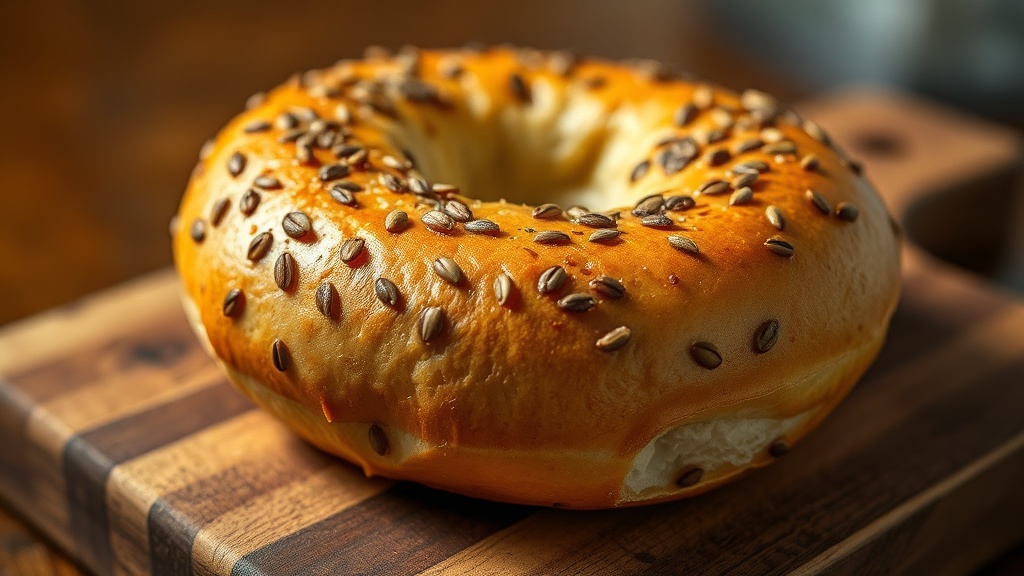
It’s not just you. Bagels are legitimately annoying to toast in a standard pop-up toaster. The problem is geometry and density, mostly. A slice of sandwich bread is thin, uniform, and sits perfectly between the heating elements. A bagel half is thick in the middle, thinner at the curved edges, and often wider than the slot is designed to handle.
That edge problem is real. The outside rim of a bagel — especially on a sesame or everything bagel — has very little mass. It toasts fast. Dramatically faster than the doughy center. So by the time the interior gets any color, the edges are already dark brown or starting to blacken. That bitter, acrid taste is tannins and Maillard byproducts going too far, and no amount of cream cheese fixes it.
Dense bagels (I’m looking at you, New York-style) also hold moisture longer. That moisture has to escape before the surface can brown properly, which takes time. More time in a toaster means more heat at the edges. It’s a compounding issue, and the default “medium” toaster setting is almost always calibrated for regular bread.
The Right Toaster Settings for a Bagel
Here’s my actual method, refined after burning an embarrassing number of everything bagels.
Start Lower Than You Think
Set your toaster to one notch below your normal bread setting. If you usually do medium (which on most dials is roughly position 4 or 5 out of 7), go to position 3. You’re aiming for a slower, more controlled toast. The center will thank you.
Use the Two-Cycle Method
Run one cycle at a lower setting. Pop the bagel up, check it, then run a second short cycle if the cut face needs more color. This sounds like extra effort, but it takes maybe 30 seconds more and gives you infinitely more control. Trying to dial in the perfect single cycle is a fool’s errand with bagels.
The two-cycle approach also lets moisture escape during that brief pause. The center firms up a bit before hitting the elements again. Results are noticeably better.
The “Bagel” Button — What It Actually Does
A lot of modern toasters have a bagel mode. What it typically does is reduce or cut power to the outer-facing heating element, so only the cut side gets toasted aggressively. The outside of the bagel just warms without browning. That’s genuinely useful if you want a chewy exterior and toasted interior. But if you like your whole bagel with some color on the outside too — which I do — the bagel button alone won’t do it. Run the bagel button cycle, then flip the halves and run a short second cycle.
Slot Width Matters More Than People Realize
A standard toaster slot is about 1 to 1.25 inches wide. A typical bagel half, especially from a bakery or somewhere like Panera, can easily be 1.3 to 1.5 inches thick. Forcing it in makes the bagel press against the heating elements or sit unevenly. That’s when you get one side charred and the other pale.
If you’re regularly toasting bagels, a wide-slot bagel toaster with 1.5-inch or wider slots is genuinely worth considering. The difference in results is pretty stark. I switched to a wide-slot model a couple years ago and the edge-burning problem basically disappeared.
If you’re stuck with a narrow toaster, here’s the workaround: press the bagel half down gently, don’t force it. If it doesn’t drop smoothly into the slot, it’s too thick. At that point, a toaster oven is the better tool. Check out our roundup of the best mini toaster ovens if you’re open to switching up your approach entirely.
Toaster vs. Toaster Oven: A Quick Comparison for Bagels
If you’re on the fence about whether a pop-up toaster or a toaster oven is the better choice for bagels, this table should help.
| Factor | Pop-Up Toaster | Toaster Oven |
|---|---|---|
| Speed | 2–4 minutes | 4–7 minutes |
| Edge burning risk | High (especially narrow slots) | Low (indirect heat) |
| Control over browning | Limited | High (temp + time) |
| Handles thick bagels | Sometimes (depends on slot) | Yes, easily |
| Counter space needed | Small footprint | Larger footprint |
| Best for | Quick, everyday use | Precision, thicker bagels |
For most mornings, a pop-up toaster with good slot width and the two-cycle method works fine. But if you’ve got a particularly thick bagel or you want to add toppings and melt them, a toaster oven is hard to beat. You can find more on that approach in our guide to reheating food in a toaster oven. And if you want to go the toaster oven route specifically for bagels, using a nonstick toaster oven baking rack keeps the bagel halves stable and gives you even air circulation underneath.
Tips for Specific Bagel Types
Everything and Seeded Bagels
Seeds and dried garlic on everything bagels burn faster than plain dough does. Go one additional notch lower on the dial compared to what you’d use for a plain bagel. The seeds create small hot spots and can also fall into the toaster crumb tray — clean it out more often if you’re eating these regularly. Burnt garlic bits catching in your toaster is not a great smell at 7am.
Frozen Bagels
Frozen bagels need the two-cycle method almost by necessity. First cycle thaws and starts to warm; second cycle browns. Don’t try to rush it with a high setting — you’ll get a hot, rubbery outside and an icy center. Let the first cycle do the heavy lifting, then assess.
Fresh-from-the-bakery Bagels
Honestly? Let them sit out for a few hours first if you can. A bagel that’s still warm from the bakery has so much moisture that the toaster kind of steams the inside rather than crisping it. Day-old bagels toast dramatically better. Serious Eats has a good breakdown of bagel reheating that touches on this — worth a read if you’re obsessive about texture.
Mini Bagels
Mini bagels are actually the easiest to toast in a standard toaster. They fit the slot properly, the edge-to-center mass ratio is more forgiving, and a single cycle at medium usually works well. The one issue is they can drop through wide slots on some toasters — use the toast lifter or watch them carefully.
A Few Things Worth Knowing About Toaster Safety Here
Toasters seem simple but they do cause house fires — around 700 per year in the US according to the US Fire Administration. Most are preventable. Empty the crumb tray every week or two if you’re toasting bagels regularly. Bagel crumbs are larger and fall more than bread crumbs do. They accumulate fast, and a crumb tray full of debris sitting near hot elements is a genuine hazard.
Also, don’t leave the toaster unattended when you’re running a second cycle. It’s just a minute or two — stand there. Bagels, especially ones with toppings or any kind of spread left on them, can smoke or catch more easily than plain bread.
Getting It Right Is Mostly About Patience
There’s no perfect universal setting for toasting bagels in a regular toaster. Every toaster runs a little differently, every bagel is a different thickness, and what counts as “golden” is personal. But lower heat, the two-cycle method, and not jamming an oversized bagel into a too-narrow slot — those three things will solve 90% of the burning problems most people run into.
It takes maybe a week of small adjustments to dial in what works with your specific toaster. After that, it’s basically automatic. And a properly toasted bagel — golden on the cut face, just lightly warmed on the outside, still chewy in the middle — is genuinely one of the better breakfast experiences out there. Worth figuring out.
Frequently Asked Questions
How hot does a toaster get when toasting a bagel?
The heating elements in a standard pop-up toaster reach around 1,100°F to 1,200°F, but the surface of the bagel itself typically hits 300°F to 350°F during a normal cycle. That’s hot enough to trigger the Maillard browning reaction pretty quickly, which is why thin edges burn before the center is done. Running a lower setting slows the rate of surface heat buildup and gives you more even results.
Why do my bagel edges always burn in the toaster?
Bagel edges are thin and have very little thermal mass compared to the dense center, so they absorb heat much faster and brown — then burn — before the middle catches up. Using a lower browning setting and the two-cycle method (one short cycle, then a second if needed) dramatically reduces this problem. A wide-slot toaster also helps because the bagel sits more evenly between the elements instead of pressing against them.
Should I use the bagel button on my toaster?
The bagel button heats mainly the cut side of the bagel while reducing heat on the outer curved side, which helps prevent burning and keeps the outside chewy. It’s a good feature, but it won’t give the exterior any browning on its own. If you like some color all around, use the bagel button for the first cycle, then flip the halves and run a brief second cycle.
Can I toast a frozen bagel in a regular toaster?
Yes, but expect to run two cycles. The first cycle thaws and heats the bagel through; the second cycle actually toasts the surface. Don’t increase the heat setting to compensate — that just burns the outside while the inside stays cold. A medium-low setting across two cycles works much better than a high setting in one.
Is it safe to leave a toaster plugged in all the time?
Most electricians and fire safety organizations recommend unplugging small appliances like toasters when they’re not in use, and it’s especially worth doing if your toaster crumb tray isn’t cleaned regularly. A toaster left plugged in with a full crumb tray near heating elements — even when not actively running — carries a small but real fire risk over time. It takes two seconds to unplug it, so it’s an easy habit to build.
—
Written by
Emma founded Toastera to turn vague appliance advice into clear, researched, safety-first guidance on toasters and toaster ovens.
Free: the Toaster Oven Cheat Sheet
Get the printable cheat sheet (temps, cook times & safety tips) plus new recipes. No spam, unsubscribe anytime.