A 4-slice toaster typically lasts between 5 and 10 years under normal daily use, though cheaper models can fail in under 2 years while well-built ones occasionally push past 15. The lifespan depends heavily on build quality, how often you use it, and whether you ever clean the crumb tray. Ignore that last part and you’re not just shortening the toaster’s life — you’re creating a genuine fire hazard.
Safety First: A toaster with a clogged crumb tray, damaged heating elements, or a frayed cord can ignite a kitchen fire or cause an electric shock. Never operate a toaster with a visibly damaged cord, don’t insert metal objects to free stuck bread, and always unplug the appliance before cleaning. If your toaster sparks, smells of burning plastic, or the lever won’t release, stop using it immediately and replace it.
Quick Facts: 4-Slice Toaster Lifespan at a Glance
- Average lifespan: 5–10 years for mid-range models; under 2 years for the cheapest options
- Main failure points: heating elements burning out, the lever mechanism jamming, and electronic controls failing on “smart” models
- Extending lifespan is mostly about one thing: keeping it clean and dry
- A toaster used twice a day degrades faster than one used twice a week — obvious, but most people don’t factor it in when buying
- Vintage toasters (pre-1990s) often outlasted modern ones because they had fewer components to fail
What “Normal” Lifespan Actually Looks Like
I’ve had four toasters in my kitchen over the years. The $18 one from a discount superstore lasted about 14 months before one side stopped heating evenly. The mid-range Cuisinart I replaced it with is still going at year seven, though the lever feels a bit loose now. That’s pretty representative of what most people experience.
The honest answer is that lifespan correlates strongly with price — but not perfectly. A $100 toaster doesn’t automatically last five times longer than a $20 one. What you’re really paying for in the mid-range is better internal components: thicker heating wires, a more robust spring mechanism in the lever, and a chassis that doesn’t warp from heat over time.
Use frequency matters a lot too. Someone making four rounds of toast every morning is cycling that heating element hard. If the manufacturer rated it for, say, 3,000 cycles, you’ll hit that in about two years at that pace. A family of two who makes toast on weekends? That same toaster might last a decade.
| Price Tier | Typical Lifespan | Common Failure Point | Example Use Case |
|---|---|---|---|
| Budget (under $30) | 1–3 years | Uneven heating, lever jamming | Occasional use, dorms |
| Mid-range ($30–$70) | 5–8 years | Lever wear, element degradation | Daily family use |
| Premium ($70+) | 8–15+ years | Electronic controls (smart models) | Heavy daily use |
| Vintage/mechanical only | 15–40+ years | Switch corrosion | Light use, careful storage |
The Four Things That Are Slowly Killing Your Toaster
1. Crumb Buildup (The Sneaky One)
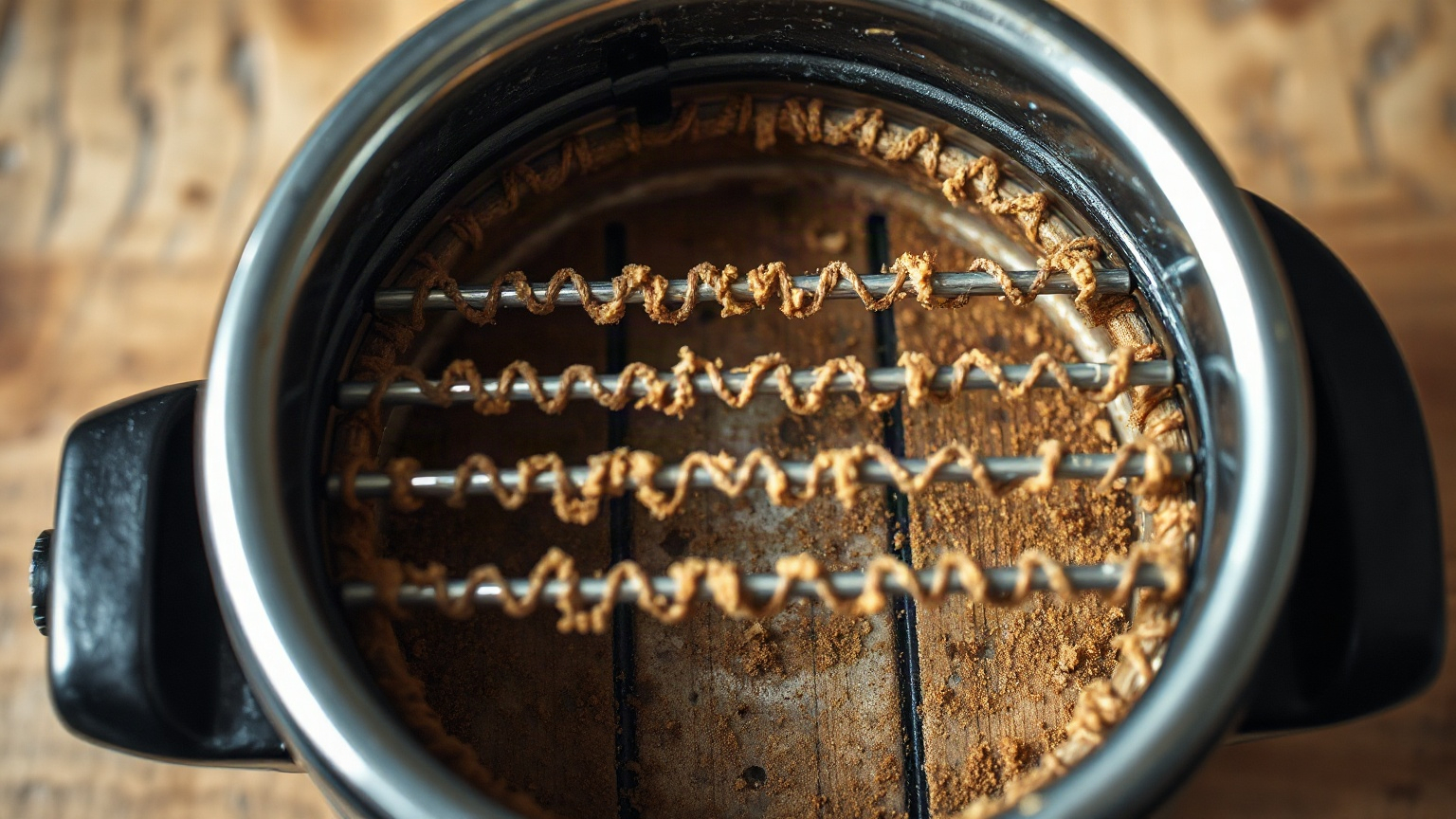
This is the one people ignore the longest. Crumbs pile up in the base of the toaster and around the heating elements. At toasting temperatures — which can reach 300°F to 500°F depending on the setting, as I’ve written about before in my piece on how hot a toaster gets — those crumbs char and can eventually ignite. But even before that happens, they’re subtly affecting how the elements heat by altering airflow inside the cavity.
Empty the crumb tray weekly if you use it daily. Monthly if you’re a light user. That’s it. Such a simple habit and so few people actually do it.
2. Moisture and Steam
Putting bread straight from the freezer into a toaster introduces moisture. Same thing happens when you toast bagels that were slightly damp or refrigerator-cold English muffins. Steam condenses on the internal components. Over hundreds of cycles, that corrodes the contacts and can cause the lever mechanism to seize up.
Counter placement matters too. A toaster sitting directly beside the sink, or under a cabinet where steam from boiling pots collects, will age faster. Mine used to live right next to the kettle. First time the lever stuck, I didn’t connect the dots for about a week.
3. The Lever Mechanism
The spring and latch that holds the toast down and then releases it at the right time? That’s one of the highest-wear parts in the whole appliance. It moves every single time you use the toaster. In cheaper models, the spring loses tension or the latch develops a catch. You’ll notice it as either toast that doesn’t pop up fully, or a lever that just won’t stay down.
This is usually not repairable in a cost-effective way on a standard consumer toaster. When the lever goes, the toaster is effectively done.
4. Electronic Controls in “Smart” Models
This one’s worth calling out specifically. The older, fully mechanical toasters — just a timer, a spring, and a nichrome heating element — could last decades because there was almost nothing to go wrong electronically. My grandmother had a GE from the late 1970s that worked fine well into the 2000s.
Modern 4-slice toasters with LED displays, one-touch settings, and “bagel modes” controlled by a circuit board have more failure points. The circuit board can fry from a power surge. The digital controls can glitch or become unresponsive. I’ve seen reports of these failing inside three years even on brands that should know better. If longevity is your priority, an honest mechanical toaster with a simple dial will almost always outlast the smart version at the same price point.
Signs Your Toaster Is About to Give Up
There are usually warning signs before a toaster just stops working entirely. Watch for these:
- Toast comes out unevenly done — one side darker, or one slot not heating at all
- The lever won’t stay down, or it doesn’t pop up when the cycle ends
- You smell burning plastic (not burning bread — different smell entirely)
- The exterior is getting unusually hot on the sides or bottom during use
- You see visible sparks or discoloration around the slots
Any of the last two on that list? Stop using it. Don’t try to get one more week out of a toaster that’s sparking. It’s not worth it.
Can You Actually Extend Its Life? Here’s What Works
Beyond the crumb tray thing (seriously, clean it), there are a few habits that genuinely make a difference.
Unplug it when not in use. There’s an interesting edge case here that most guides skip over: a toaster left plugged in constantly is exposed to small voltage fluctuations over time, and the internal components stay in a slightly “ready” state. I started unplugging mine when I go on trips — there’s also the small but real fire risk of a plugged-in appliance with crumb buildup if something goes wrong. Some people take this further and store it in a cabinet between uses. It sounds excessive, but if you’re in a humid kitchen, it genuinely helps the longevity.
Don’t force oversized items. Cramming a thick artisan loaf slice into a slot designed for standard bread thickness bends the guide wires that hold the bread near the elements. Do that enough times and the slot guides are warped permanently, which affects even heating and can let bread get too close to the element.
Keep it away from steam. Already mentioned this but it bears repeating. Placement is cheap and easy to fix.
Use the right setting. Running it at maximum darkness every time puts more stress on the heating elements than it needs. If your bread needs medium browning, use medium. This sounds obvious. You’d be surprised.
If you’re shopping for a replacement and want something that’ll go the distance, I’d look at 4-slice stainless steel toasters with long slots — the stainless housing is better than plastic at handling the constant heat cycling. And for keeping the crumb situation under control, a simple toaster crumb tray liner mat makes cleanup genuinely painless.
The Edge Case: Vintage and Repaired Toasters
There are people out there using 30, 40, even 47-year-old toasters — I’ve come across threads about a GE that old still being serviced. This isn’t typical, but it’s also not magic. Older mechanical toasters were over-engineered by modern standards, made with heavier gauge metal and simpler electrical systems that could be repaired by anyone with basic skills. Finding someone to repair a vintage toaster now is hard — you’d need a small appliance repair shop, and those have largely vanished.
The calculus on repair vs. replace is pretty simple: if a repair costs more than half the price of a decent new toaster, replace it. If you have a genuinely vintage unit you’re attached to, some appliance restorers on Etsy or local repair cafes can help. But for a mass-market 4-slice from the last decade? There’s no economical repair path for most failures.
One more edge case: power surges. A single bad surge can kill a toaster’s electronic controls instantly, even if the unit was otherwise fine. If you live somewhere with unstable power, a basic surge protector for your small appliances isn’t overkill. It’s the kind of thing that extends the life of everything on your counter, not just the toaster.
So When Should You Actually Replace It?
Replace it when it fails to toast reliably, when you see any electrical warning signs (sparking, burning smells that aren’t food), or when the lever mechanism is gone. Don’t wait for a toaster to become a hazard just to squeeze another few months out of a $40 appliance.
If yours is 8+ years old and you’re noticing uneven browning, that’s a signal the heating element is degrading. It’s not going to get better. At that point I’d start looking at replacements before it fails completely — buying in a panic means you’ll grab whatever’s available rather than what’s actually good. For some options worth considering, check out the best mini toaster ovens if you want something more versatile, or look at a solid 4-slice if all you really need is toast.
Frequently Asked Questions
How long does a 4-slice toaster last before it stops working?
Most 4-slice toasters last between 5 and 10 years under regular daily use. Budget models under $30 often fail within 1–3 years, while mid-range and premium models can reach 10–15 years if well maintained. The biggest variable is how often you use it and whether you keep the crumb tray clean.
What is the most common reason a toaster stops working?
The lever mechanism failing is the most common cause of a toaster becoming unusable — either it won’t stay down, or the toast doesn’t pop up. Heating element burnout is the second most common failure, usually showing up as one slot that no longer heats or toast that browns unevenly. Neither is typically worth repairing on a standard consumer toaster.
Is it safe to leave a 4-slice toaster plugged in all the time?
Technically a modern toaster in good condition draws minimal standby power and won’t spontaneously combust — but leaving it plugged in with crumb buildup in the base does carry a real fire risk if something goes wrong. Unplugging when not in use is a sensible habit, especially if the toaster is older or you’re away from home for extended periods.
Can cleaning a toaster make it last longer?
Yes, genuinely. Emptying the crumb tray regularly prevents buildup that can char, affect airflow, and cause the heating elements to work harder than necessary. Keeping the toaster dry and free of food debris around the slots also reduces corrosion on internal contacts. It’s one of the few maintenance steps that has a direct, measurable impact on lifespan.
Do expensive toasters last longer than cheap ones?
Generally yes, but it’s not a straight-line relationship. Mid-range toasters ($40–$70) tend to significantly outlast budget models because of better spring mechanisms and heating element quality. Beyond about $80, you’re mostly paying for aesthetics, extra slots, or electronic features — and those electronic controls can actually become an additional failure point. For pure longevity, a mid-range model with simple mechanical controls often wins.

Written by
Emma founded Toastera to turn vague appliance advice into clear, researched, safety-first guidance on toasters and toaster ovens.
Free: the Toaster Oven Cheat Sheet
Get the printable cheat sheet (temps, cook times & safety tips) plus new recipes. No spam, unsubscribe anytime.