For most leftovers, a toaster oven gives you noticeably better results — crispier textures, more even heating, and food that actually tastes like it was just cooked. The microwave wins on speed, hands down, and for a few specific foods it’s genuinely the right call. But if you’ve got five or ten extra minutes and you care how your food tastes, the toaster oven is almost always the better tool.
Safety First: Never use aluminum foil, metal containers, or foil-lined takeout trays in a microwave — they can arc and cause a fire. In the toaster oven, keep foil away from the heating elements and don’t leave it unattended when reheating anything with high fat content (think fried chicken, greasy pizza) as drips can smoke or ignite. Always use oven mitts — toaster oven interiors and racks get genuinely hot, usually 350–450°F during reheating.
Quick Takeaways
- Toaster ovens reheat most foods better — pizza, fries, roasted meats, casseroles, bread — because dry heat restores texture instead of steaming it away.
- Microwaves are faster and better for soups, stews, rice, and anything where moisture retention matters more than crispiness.
- A toaster oven set to 325–375°F will reheat most leftovers in 8–15 minutes without ruining the texture.
- The microwave’s main weakness is uneven heating — the outside gets hot while the center stays cold, especially with dense or thick foods.
- For the best of both worlds on thick leftovers (like a stuffed chicken breast), microwave briefly to warm the center, then finish in the toaster oven to re-crisp the outside.
I’ve been reheating leftovers in both appliances for years, and I’ll be upfront: I have a preference. But it’s not a blanket one. The answer really does depend on what you’re heating up, and I’ve burned enough soggy pizza rolls and nuked enough once-crispy fries into sadness to have strong opinions about which tool to reach for.
How Each Appliance Actually Heats Food
This matters more than people give it credit for. A microwave heats food by exciting water molecules — it essentially steams your food from the inside out. Fast, yes. But that moisture has to go somewhere, and usually it goes into making your crust soggy or your fries limp. It also heats unevenly. I cannot tell you how many times I’ve pulled something out of the microwave, touched the edge, thought it was done, and hit a cold pocket in the middle.
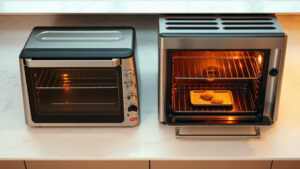
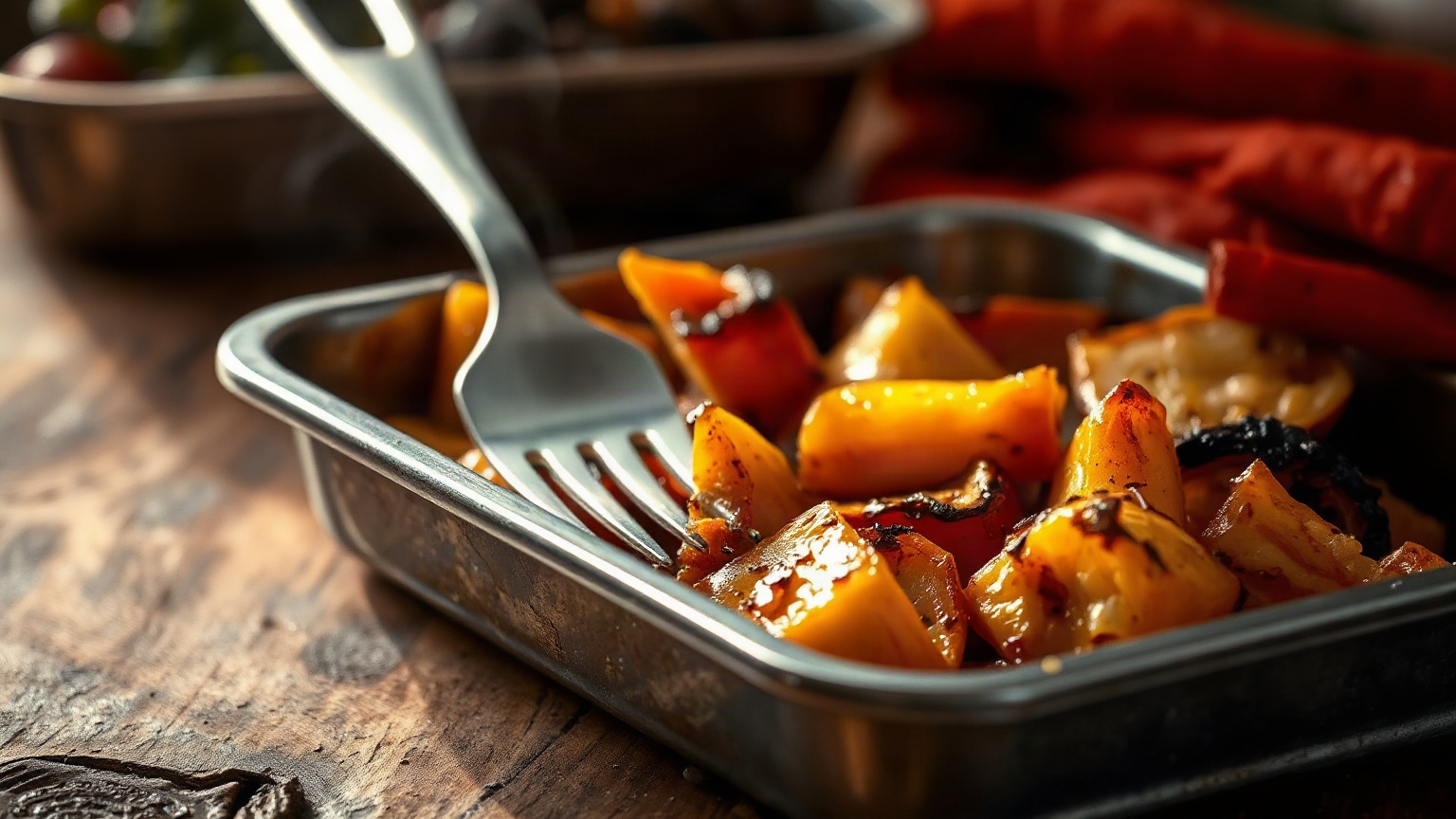
A toaster oven heats food the old-fashioned way — radiant heat from elements above and below, same principle as your full-size oven, just smaller and faster to preheat. That dry heat is what re-crisps a pizza crust, brings a chicken thigh back to life, and makes reheated french fries actually worth eating. Check out our deeper look at reheating food in a toaster oven if you want specific time and temp guides by food type.
The tradeoff is time. A microwave reheats a bowl of soup in 2 minutes. The toaster oven needs 5 minutes to preheat, then another 8–12 to reheat anything substantial. If you’re eating lunch at your desk and you’re in a rush, that math matters.
Foods Where the Toaster Oven Wins, Clearly
Pizza
Not even close. Pizza reheated in a microwave comes out floppy and sad. The cheese gets rubbery, the crust gets chewy in the worst way. In a toaster oven at 375°F for about 6–8 minutes on a nonstick toaster oven pan, leftover pizza is genuinely good again. The crust crisps up. The cheese re-melts without overcooking. This is probably the single most convincing argument for owning a toaster oven.
Fries, Roasted Vegetables, Anything Meant to Be Crispy
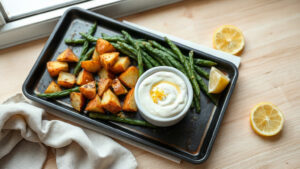
Fries out of the microwave are depressing. I’ve tried every trick — paper towels underneath, short bursts, covering them, not covering them. They stay soggy. In the toaster oven at 400°F for 5–7 minutes on a wire rack (so hot air circulates underneath), they come back to something close to their original state. Not perfect. But close.
Meats and Casseroles
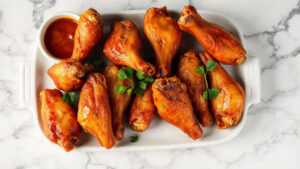
Chicken, pork chops, roasted beef — the microwave tends to dry these out or cook them unevenly. I reheat chicken thighs at 325°F for about 12–15 minutes, covered loosely with foil for the first 8 minutes, then uncovered to let the skin crisp again. Casseroles do well at 350°F, covered, for 15–20 minutes depending on depth. The key is low-and-slow with the toaster oven. Don’t rush it at 450°F or you’ll dry out the edges before the center’s warm.
Bread, Rolls, Pastries
The microwave makes bread tough. It’s just science. Put a dinner roll in for 20 seconds and it’s rock-hard by the time you finish eating. In the toaster oven at 300°F for 3–5 minutes, it’s warm and soft inside with a slight crisp outside. Same goes for croissants, pastries, even garlic bread.
Foods Where the Microwave Is Actually the Right Answer
I’m not anti-microwave. There are real cases where it’s the better tool, and I’ll use it without apology.
Soups, Stews, and Saucy Dishes
Anything with a lot of liquid just doesn’t benefit from toaster oven heat. You’d have to reheat soup in an oven-safe bowl or small pot, stir it halfway through, and wait twice as long for the same result you’d get in 2 minutes in the microwave. The microwave handles liquids and high-moisture dishes beautifully. Use a microwave-safe cover or a damp paper towel over the bowl to keep steam in and prevent splattering.
Rice and Grains
Cold rice gets hard and dense. The microwave’s steam-based heating is exactly what it needs — a splash of water on top, covered loosely, 1.5–2 minutes. The toaster oven would just dry it out more. Same goes for couscous, quinoa, most grain-based sides.
When You’re Genuinely in a Hurry
Sometimes you have four minutes, not fifteen. The microwave wins on pure speed, every time. No preheating. Done fast. If texture isn’t your priority and hot food is, use the microwave and don’t feel bad about it.
Side-by-Side Comparison: Microwave vs Toaster Oven for Reheating
| Category | Microwave | Toaster Oven |
|---|---|---|
| Speed | 1–3 minutes most foods | 8–20 minutes (includes preheat) |
| Pizza | Poor — soggy crust | Excellent — crust crisps back up |
| Fries / Crispy Foods | Poor — stays limp | Good — use wire rack at 400°F |
| Soup / Stews | Excellent | Poor — impractical for liquids |
| Rice / Grains | Excellent with a splash of water | Not recommended — dries out |
| Chicken / Meat | Fair — can dry out or heat unevenly | Very good — 325°F, covered then uncovered |
| Bread / Pastries | Poor — makes crust tough | Excellent — 300°F, 3–5 min |
| Casseroles | Fair — uneven heating | Good — 350°F, covered |
| Energy Use | Low (600–1200W, short run time) | Moderate (1200–1800W, longer run time) |
| Cleanup | Easy | More involved (crumb tray, pan) |
One thing that table doesn’t capture well: energy use over time. The microwave uses less energy per reheating session just because it’s so fast. The toaster oven runs longer. For what it’s worth, Serious Eats has also landed firmly on the skillet or oven side for pizza reheating — the microwave just can’t compete for anything texture-sensitive.
The Combo Method: When to Use Both
For thick, dense leftovers — a stuffed pepper, a large piece of lasagna, a bone-in chicken piece — neither appliance is perfect on its own. The microwave heats fast but unevenly. The toaster oven heats evenly but slowly, and can dry out the exterior before the center’s fully warm.
The move I’ve settled into: microwave for 60–90 seconds to warm the core, then transfer to the toaster oven at 375°F for 5–8 minutes to finish and re-crisp. It sounds like extra steps. It is extra steps. But for a really good piece of leftover lasagna? Worth it.
If you’re shopping for a toaster oven specifically for reheating, the size and wattage matter. Our list of best mini toaster ovens covers the compact options well if counter space is limited.
The Honest Verdict
If I had to give up one, I’d keep the toaster oven. The microwave is convenient, but I’ve started using it mainly for liquids, grains, and genuinely rushed moments. For the foods I actually care about — pizza, chicken, roasted vegetables, bread — the toaster oven produces results the microwave simply can’t match.
That said, most people will own both. And they should. They do different things. The mistake is defaulting to the microwave for everything just because it’s faster. Five extra minutes in the toaster oven can be the difference between reheated food that tastes like it was just made versus food that tastes like it was just microwaved. And you can taste that difference.
The USDA recommends reheating all leftovers to an internal temperature of 165°F, regardless of which appliance you use. A cheap instant-read thermometer is worth having for anything thick or stuffed — the outside can feel hot when the center’s still at 110°F, which is exactly the zone you don’t want.
One last thing worth mentioning: how hot your toaster oven actually gets, and how that compares to what you’re setting it to, is worth understanding. I’ve run into toaster ovens that run 25–30 degrees hot or cold, which matters for reheating. See our breakdown of how hot a toaster gets for more on that.
Frequently Asked Questions
Is reheating food in a toaster oven healthier than using a microwave?
Neither method adds anything harmful to your food — the toaster oven uses conventional heat, the microwave uses non-ionizing radiation that doesn’t make food radioactive or dangerous. The practical health difference is minimal. If you’re reheating fatty fried foods, the toaster oven at high heat might render out more fat, which some people prefer.
What temperature should I reheat leftovers in a toaster oven?
325–375°F covers most leftovers well. Use the lower end (325°F) for dense proteins like chicken or pork to avoid drying them out, and the higher end (375–400°F) for pizza, fries, and anything you want crisped. The USDA says the internal temperature needs to reach 165°F for safe reheating, so use a food thermometer for anything thick.
Why does microwave reheating make food soggy or rubbery?
Microwaves heat by vibrating water molecules, which produces steam inside the food. That steam softens crusts, makes bread chewy, and turns crispy coatings limp. It’s not a flaw exactly — it’s just how the technology works, and it’s why microwaves are great for soups and terrible for pizza.
Can I reheat leftovers in a toaster oven using the original takeout container?
No. Most takeout containers — plastic, styrofoam, foil-lined cardboard — are not safe for toaster oven use. Transfer food to an oven-safe dish, a small baking pan, or foil before reheating. Metal takeout containers (like some Thai or Chinese food comes in) are fine in the toaster oven but absolutely not in the microwave.
How long does it take to reheat leftovers in a toaster oven vs a microwave?
The microwave typically reheats a single-serving portion in 1–3 minutes. A toaster oven needs 5 minutes to preheat plus 8–15 minutes of actual cooking time, depending on the food’s thickness and density. For speed, the microwave wins every time — the toaster oven earns its extra time through better texture and results.

Written by
Emma founded Toastera to turn vague appliance advice into clear, researched, safety-first guidance on toasters and toaster ovens.
Free: the Toaster Oven Cheat Sheet
Get the printable cheat sheet (temps, cook times & safety tips) plus new recipes. No spam, unsubscribe anytime.