Air fry frozen cauliflower florets at 400°F (200°C) for 18–22 minutes total, shaking the basket halfway through. The high heat drives off moisture quickly and gets you actual browning instead of sad, steamed-tasting cauliflower. Go lower than 400°F and you’ll spend 30 minutes waiting for something that’s still a little soggy.
Safety First: Air fryers and toaster ovens run at very high heat — 400°F is genuinely hot. Always use oven mitts when shaking or removing the basket, keep your face back when you open it (a burst of steam from frozen vegetables can cause burns), and never crowd the basket to the point where food is touching the heating element above.
Quick Facts: Frozen Cauliflower in the Air Fryer
- Temperature: 400°F / 200°C
- Total cook time: 18–22 minutes (shake at the 10-minute mark)
- Do NOT thaw first — go straight from bag to basket
- A light coat of oil makes a real difference for crispiness; skip it and you’ll get okay but not great results
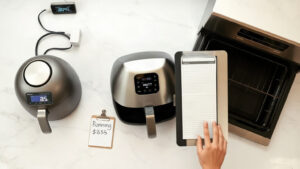
- Basket-style air fryers brown faster than toaster oven-style air fryers — adjust by 3–5 minutes
I tested this probably a dozen times before landing on those numbers, and the first few attempts were underwhelming. Let me save you the wasted bags of cauliflower.
Why Frozen Cauliflower Is Actually Tricky to Air Fry
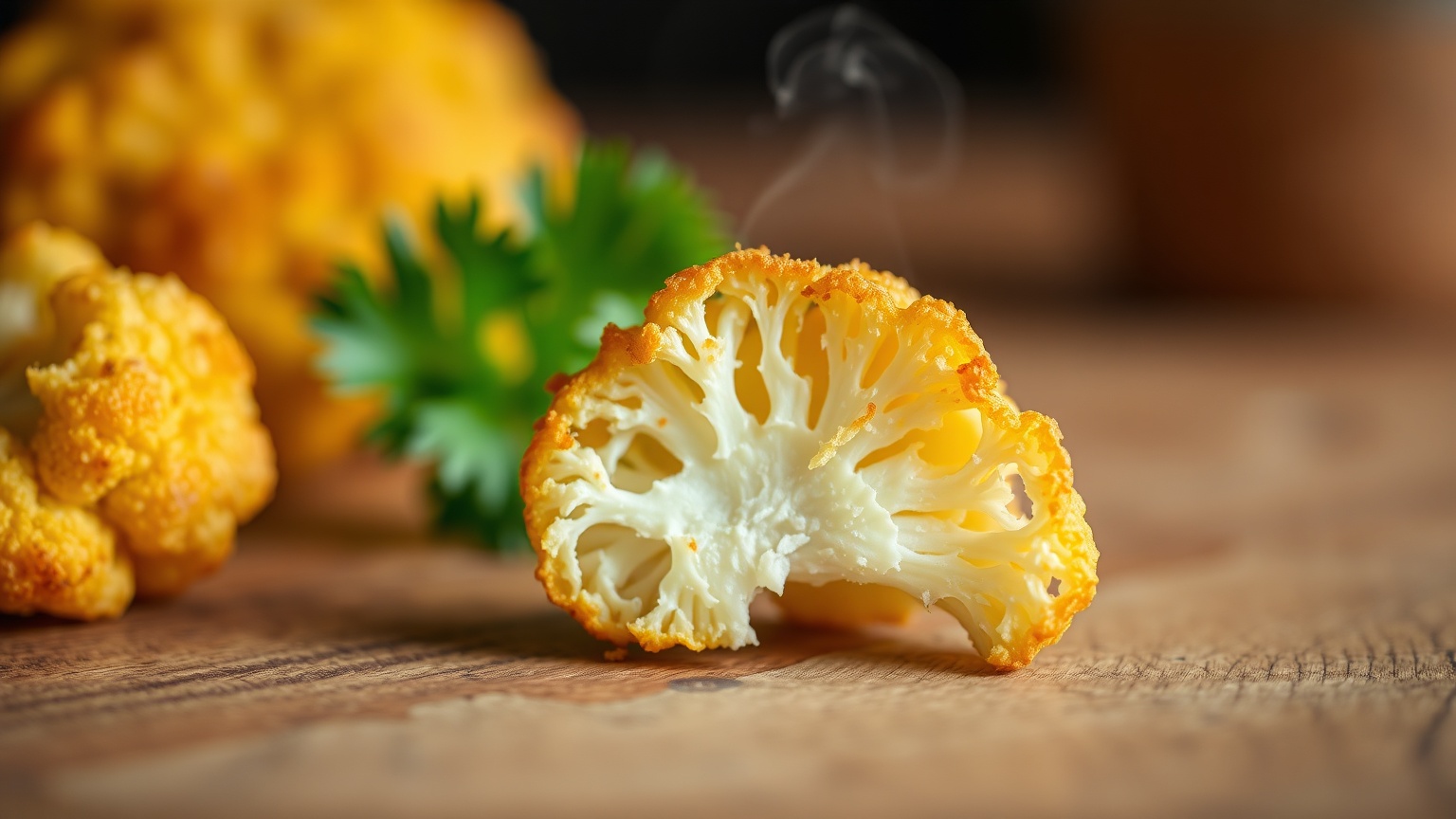
Here’s the thing nobody mentions: frozen cauliflower is full of water. I mean obviously, but the implications are bigger than you’d think. When those florets hit a hot basket, the first 8 to 10 minutes are basically spent steaming off that ice. That’s not cooking — that’s just damage control. You won’t see any browning happen until most of the surface moisture is gone.
My first attempt I set my air fryer to 375°F thinking I’d be gentle. Twenty-five minutes later I had pale, slightly soft cauliflower that tasted fine but looked depressing. Bumped it to 400°F the next day and the results were noticeably better. The florets got some actual color on the edges and that slightly nutty, roasted taste that makes cauliflower worth eating.
The other thing that trips people up: overcrowding. I know it’s tempting to dump the whole 12-oz bag in at once. Don’t. You want a single layer with a little breathing room. If florets are stacked, they steam each other and you’re back to the pale, sad situation.
Exact Temperature and Cook Time (With a Comparison)
The 400°F / 18–22 minute window is my standard, but the right time does vary depending on your machine and how crispy you want things. Here’s a breakdown that covers the range:
| Air Fryer Type | Temperature | Cook Time | Notes |
|---|---|---|---|
| Basket-style (compact, e.g., Ninja, Cosori) | 400°F | 15–18 minutes | Shake at 8 minutes; runs hot, browns fast |
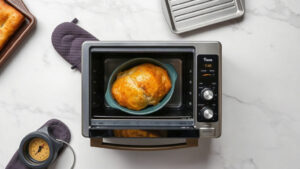
| Toaster oven air fryer (e.g., Breville, Cuisinart) | 400°F | 20–25 minutes | Shake or flip at 12 minutes; larger cavity = slower browning |
| Large basket (family-size, e.g., Instant Vortex Plus) | 400°F | 18–22 minutes | Do NOT overfill; cook in two batches if needed |
| Lower temp (if you prefer) | 375°F | 25–30 minutes | Softer result, less browning |
If you’re using a toaster oven-style air fryer, I wrote a bit more about how these machines handle high heat over at my piece on reheating food in a toaster oven — some of those temperature quirks apply here too.
How to Know When It’s Done
Don’t just go by time. Look for golden-brown edges on the florets and some slight charring on the very tips — that’s the good stuff. The texture should give a little resistance when you poke one with a fork but not be hard. Soft all the way through with no color means more time. Brown all over with crispy edges? Pull them now.
Step-by-Step Method (What I Actually Do)
No thawing. Seriously, skip it. Pull the florets straight from the freezer, dump them into a bowl, drizzle with about a tablespoon of olive oil for a standard 10–12 oz bag, and toss to coat. Then season. I usually do garlic powder, smoked paprika, salt, and a pinch of black pepper. That combo just works.
Spread them in a single layer in your air fryer basket or on the air fryer rack or tray if you’re using a toaster oven model. Set it to 400°F. Start the timer for 18 minutes.
At the 10-minute mark, shake the basket or use tongs to flip things around. Don’t skip this step. The pieces on the bottom get the most heat and will burn if you ignore them while the ones on top are still pale. After shaking, give them another 8–10 minutes and check.
That’s it. Plate them immediately — they lose crispiness fast once they sit.
Oil vs. No Oil
You can technically do it without oil. The results are acceptable — edible, fine, won’t win any awards. With just a light coat of olive or avocado oil, you get meaningfully better browning and a slightly more satisfying texture. I’ve tried both and I always reach for the oil. Avocado oil has a higher smoke point, which matters a bit at 400°F, but honestly olive oil has always been fine for me in this application.
Seasoning Ideas Beyond the Basics
The garlic-paprika combo is my default, but here are a few others worth trying:
- Parmesan finish: Toss with grated Parmesan in the last 3 minutes of cooking. It gets a little crispy and salty. Really good.
- Buffalo style: Skip the spices, coat in a thin layer of hot sauce before air frying, finish with a bit more after.
- Curry powder and cumin: Unexpected but works really well, especially as a side to something simple.
- Lemon pepper: Add fresh lemon zest after cooking, not before — it’ll just burn.
Edge Cases Worth Knowing About
Most articles stop at “cook at 400°F and shake halfway.” Here are the situations that actually require some adjustment.
Extra-Large Florets
Some frozen bags have florets the size of a tennis ball half. These take longer — closer to 25–28 minutes at 400°F. If you’ve got a mixed bag with huge and small pieces together, pull the smaller ones out first at the 18-minute mark and let the big ones go another 5–7 minutes. Otherwise the small pieces burn while the big ones catch up.
Riced Cauliflower vs. Florets
Completely different animal. Frozen cauliflower rice needs a much shorter time — about 8–10 minutes at 380°F, stirred every few minutes — and it goes from undercooked to burnt surprisingly fast. This article is about florets, but I’ve seen people mix up the two and wonder why their rice turned into charcoal.
Cooking from Partially Thawed
If your cauliflower accidentally thawed a bit (say, it was sitting out for 30 minutes), pat the florets dry with paper towels before air frying. The extra surface moisture will slow down browning significantly and you’ll end up in the sad steamed territory again. A quick pat-dry fixes it.
High-Altitude Cooking
Rarely mentioned, but if you’re above 5,000 feet, moisture evaporates faster and things can dry out or burn more quickly. Drop your temperature to 385°F and check a few minutes early. Not a huge deal but worth knowing if you’re in Denver or similar.
Serving and Storing
Air-fried cauliflower is best eaten immediately. Genuinely, don’t walk away and come back to it in 20 minutes expecting the same texture. It softens fast.
That said, leftovers aren’t a disaster. Store in an airtight container in the fridge for up to 3 days. To reheat, go back into the air fryer at 375°F for 4–5 minutes. It won’t be as crispy as fresh, but it’s a lot better than microwaving it (which turns it into a wet pile). If you want a more general guide on getting the best results from reheating in these machines, Serious Eats has a solid breakdown of reheating methods worth bookmarking.
For storage, I use a glass airtight container — they don’t hold smells the way plastic does, and cauliflower can get a little funky after a day or two.
One more thing: if you’re making this as a side dish for a crowd, your best bet is to cook in batches and hold the finished florets in a 250°F oven (conventional, not air fry) on a wire rack. That keeps them warm without continuing to cook. Stacking them in a bowl while hot makes them steam each other and go soft.
What About Nutrition?
Cauliflower is genuinely a good vegetable — low calorie, decent fiber, and a useful source of vitamin C and K. The USDA has noted that frozen vegetables retain most of their nutrients during the freezing process, so don’t feel like you’re getting a lesser product by using frozen. Air frying with a tablespoon of olive oil adds around 120 calories to a whole bag — spread across 2–3 servings, that’s not much. Honestly healthier than most things I air fry.
Wrapping Up
400°F for 18–22 minutes, single layer, shake halfway. That’s the core of it. The difference between good and great is the oil (use it), the patience to not crowd the basket (don’t), and catching it when the edges are golden rather than pulling it early because you got impatient. I’ve been there.
If you’re cooking with a toaster oven-style air fryer and wondering how your machine compares to a dedicated basket unit, my round-up of the best mini toaster ovens gets into the performance differences in more detail. And if your air fryer is one of those combination units, the temperature behavior can be a little different — similar to what I covered in the piece on how hot a toaster gets in terms of how heating elements cycle on and off.
Go make the cauliflower. It’s better than you remember cauliflower being.
Frequently Asked Questions
What temperature should I use for frozen cauliflower florets in an air fryer?
400°F (200°C) is the right call for frozen cauliflower florets. Lower temperatures don’t generate enough heat to drive off moisture and get browning before the florets overcook. If your air fryer runs noticeably hot, you can pull back to 390°F, but don’t go below that.
How long do frozen cauliflower florets take in the air fryer?
Expect 18–22 minutes total at 400°F, with a shake or flip at the halfway point. Basket-style air fryers trend toward the lower end of that range (15–18 minutes), while toaster oven-style air fryers with larger cavities often need the full 22–25 minutes. Size of the florets matters too — big pieces take longer.
Should I thaw frozen cauliflower before air frying?
No — cook it straight from frozen. Thawing releases water that makes the florets steam instead of roast, and you lose the texture you’re after. If the cauliflower has partially thawed accidentally, pat it dry with paper towels before putting it in the air fryer.
Why is my air fryer frozen cauliflower soggy?
Three most common reasons: the basket was overcrowded (florets need space to let steam escape), the temperature was too low (under 390°F), or you skipped the oil (which helps transfer heat and promotes browning). Fix any one of those and you’ll see improvement; fix all three and the results are significantly better.
Can I season frozen cauliflower before air frying?
Yes, and you should. Toss the frozen florets in oil first so the seasoning actually sticks, then add your spices and coat evenly. Garlic powder, smoked paprika, and salt is a solid baseline. Avoid anything with sugar (like honey or BBQ rubs) until the last few minutes of cooking, since it’ll burn at 400°F.

Written by
Emma founded Toastera to turn vague appliance advice into clear, researched, safety-first guidance on toasters and toaster ovens.
Free: the Toaster Oven Cheat Sheet
Get the printable cheat sheet (temps, cook times & safety tips) plus new recipes. No spam, unsubscribe anytime.