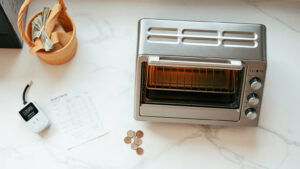
A salmon fillet cooked at 400°F in a toaster oven takes between 12 and 15 minutes, depending on thickness. Thicker fillets (around 1 inch) need the full 15 minutes, while thinner cuts closer to ½ inch are done in 10 to 12. The salmon is ready when it flakes easily with a fork and reaches an internal temperature of 145°F at the thickest point.
Safety First: Toaster ovens reach very high temperatures and their exterior surfaces can get dangerously hot during and after cooking. Always use oven mitts when placing or removing pans, never line the bottom tray with foil unless your manual specifically allows it (it can trap heat and cause a fire), and keep the toaster oven at least 4 inches away from walls or cabinets. Let the oven cool completely before handling or cleaning.
Key Takeaways
- Cook salmon at 400°F for 12–15 minutes depending on fillet thickness
- The USDA recommends an internal temperature of 145°F for safe consumption
- Let salmon rest for 2–3 minutes after cooking — it continues to cook slightly off heat
- A light coat of oil prevents sticking and helps the exterior get a slight crisp
- Toaster ovens run hotter than full-size ovens, so check early to avoid overcooking
Cooking salmon in a toaster oven is one of those things that sounds like a compromise but actually works really well. The smaller cavity heats up fast and holds temperature consistently. You get a properly cooked fillet without heating up your entire kitchen — which matters a lot in summer. And honestly, the results are just as good as what you’d get from a full-size oven. Sometimes better, because the heat surrounds the fish more evenly in a tighter space.
Cooking Times at 400°F by Fillet Thickness
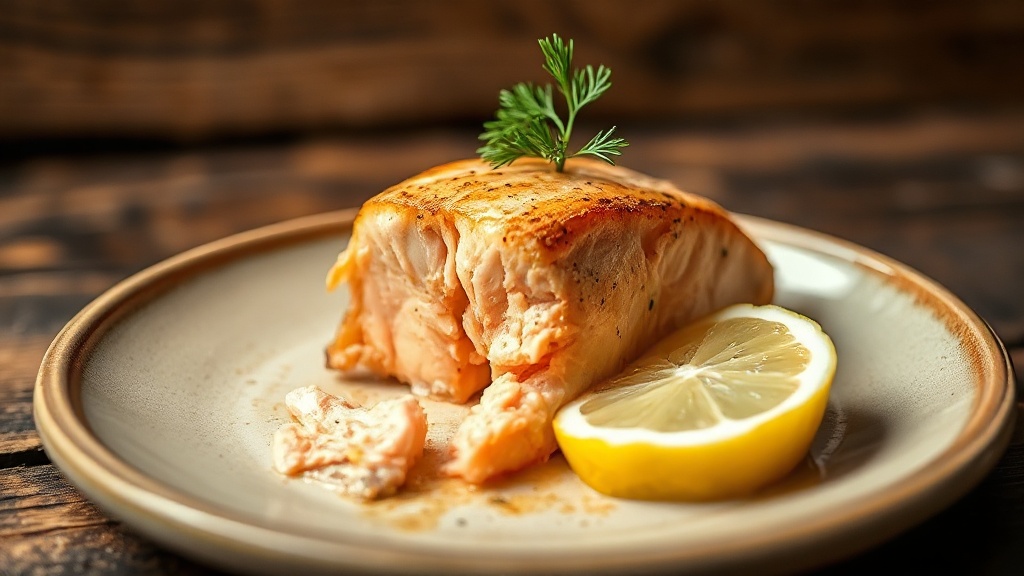
Thickness is everything with salmon. A half-inch fillet and a one-inch fillet are completely different cooking projects, even at the same temperature. The general rule of thumb that many cooks use is 4 to 6 minutes per half-inch of thickness. At 400°F, that translates pretty cleanly.
| Fillet Thickness | Cook Time at 400°F | Target Internal Temp |
|---|---|---|
| ½ inch | 10–12 minutes | 145°F |
| ¾ inch | 12–13 minutes | 145°F |
| 1 inch | 13–15 minutes | 145°F |
| 1¼ inch or more | 15–18 minutes | 145°F |
These are starting points, not guarantees. Your specific toaster oven matters. Some run hot, some run cool. If you’ve ever burned toast on a setting that should have been fine, your toaster oven probably runs hot — shave a minute or two off these times. A good oven thermometer for toaster ovens takes all the guesswork out of it and costs next to nothing.
How to Prep Salmon for the Toaster Oven
Good prep makes a real difference. You don’t need a complicated marinade or any fancy equipment. But skipping a few basics will leave you with dry, stuck-to-the-pan salmon that nobody wants to eat.
Pat It Dry First
This is the step most people skip and it’s the one that matters most for texture. Use paper towels to pat the surface of the fillet dry before you do anything else. Moisture on the surface creates steam, which prevents browning and makes the texture mushier. Dry salmon gets a slightly firmer exterior and actually absorbs seasoning better.
Oil and Season Simply
Brush or rub the fillet with olive oil or avocado oil — just enough to lightly coat it. Then season with salt, pepper, and whatever else you like. Garlic powder, smoked paprika, lemon zest, dried dill. All great options. Keep it simple and you won’t mask the natural flavor of the fish.
Use the Right Pan
A toaster oven baking pan that fits your model properly is the way to go. Line it with parchment paper or foil (on top of the pan, not the bottom of the oven) for easier cleanup. If you want a slightly crispier underside, try a toaster oven wire rack set inside the pan — it lets air circulate underneath the fillet.
Bring It Close to Room Temperature
Pull the salmon out of the fridge about 15 minutes before cooking. Cold fish straight from the refrigerator takes longer to cook through and tends to cook unevenly — the outside gets overdone before the inside reaches temperature. It’s a small habit that makes a noticeable difference.
Step-by-Step: Cooking Salmon at 400°F in a Toaster Oven
Here’s exactly how to do it from start to finish.
- Preheat your toaster oven to 400°F. Give it at least 5 minutes to fully come up to temperature. Don’t skip this — putting salmon into a cold oven throws off every timing estimate.
- Prep the salmon. Pat dry, coat with oil, season generously.
- Place skin-side down on the pan. The skin acts as a natural barrier and helps the fillet cook more evenly.
- Slide the pan into the toaster oven on the middle rack position.
- Set your timer for 12 minutes and start checking around the 10-minute mark for thinner fillets.
- Check doneness. Use an instant-read thermometer — 145°F at the thickest point per USDA food safety guidelines. Or test with a fork: it should flake into clean layers, not resist or feel raw in the center.
- Rest for 2–3 minutes before serving. The internal temperature will rise a few more degrees and the juices will redistribute.
Tips for Getting the Best Results
Don’t Overcook It
Overcooked salmon is dry, chalky, and honestly kind of unpleasant. The difference between perfectly cooked and overdone is often just 2 minutes. Pull it out when it still looks very slightly translucent in the very center — carryover heat will finish the job during the rest period. Serious Eats has a great breakdown of the science behind why salmon texture changes so dramatically with even minor temperature differences.
Skin On or Skin Off?
Either works, but skin-on is generally more forgiving. The skin insulates the bottom of the fillet from direct heat and keeps the flesh from drying out as quickly. And if you don’t like eating the skin, you can just peel it off after cooking — it slides right off once the fish is done.
Try the Broil Finish
Want a slightly caramelized top? Cook the salmon at 400°F for about 10 minutes, then switch to broil for the final 2 to 3 minutes. Keep a close eye on it — toaster oven broilers work fast and salmon can go from perfect to singed surprisingly quickly. But the result is fantastic: a slightly crispy, lightly browned top with a moist interior.
Toaster Ovens Vary More Than You’d Expect
This is worth saying clearly: toaster ovens are not all equal. A compact 4-slice model behaves very differently from a large countertop convection toaster oven. If you’re cooking with convection mode on, reduce your time by about 2 minutes — convection circulates air and speeds up cooking noticeably. If you’re shopping for an upgrade, our roundup of the best mini toaster ovens covers models that handle cooking tasks like this really well.
What About Frozen Salmon?
You can cook salmon from frozen in a toaster oven, but you’ll need to add significant time — often 50% more. So a fillet that takes 14 minutes fresh might take 20 to 22 minutes from frozen. The texture won’t be quite as good as thawed salmon, but it works in a pinch. Rinse the fillet under cold water for a minute first to remove any ice glaze.
Flavor Variations Worth Trying
The same basic method works with all kinds of flavor profiles. Here are a few that work especially well in a toaster oven at 400°F.
- Lemon herb: Olive oil, salt, pepper, dried thyme, and thin lemon slices laid across the top of the fillet
- Honey mustard glaze: Mix 1 tablespoon Dijon mustard with 1 teaspoon honey, brush on before cooking
- Teriyaki: Marinate for 30 minutes in soy sauce, sesame oil, ginger, and a little brown sugar before cooking
- Garlic butter: A pat of herb butter placed on top of the fillet melts down during cooking and bastes the fish naturally
- Cajun: Generous coating of Cajun seasoning plus a bit of oil — especially good with the broil finish method
If you enjoy using your toaster oven for more than just reheating leftovers, check out our guide to reheating food in a toaster oven — there are some techniques that apply to fish as well. And if you’re curious about temperature ranges and heat output across different appliance types, our article on how hot a toaster gets gives some useful context.
Wrapping It Up
Salmon at 400°F in a toaster oven is genuinely one of the better ways to cook it. Fast, efficient, and the results are consistently good once you know your machine and respect the thickness of the fillet. The method is simple: preheat fully, prep the fish properly, set your timer, and check temperature rather than relying on time alone. Do those four things and you’ll have a properly cooked salmon fillet every single time. No full-size oven required.
Frequently Asked Questions
How long does it take to cook a salmon fillet in a toaster oven at 400°F?
A salmon fillet cooks in 12 to 15 minutes at 400°F in a toaster oven, depending on thickness. A ½-inch fillet is typically done in 10 to 12 minutes, while a 1-inch fillet needs 13 to 15 minutes. Always verify doneness with an instant-read thermometer — 145°F at the thickest point is the target.
Do I need to flip salmon when cooking it in a toaster oven?
No, you don’t need to flip salmon. Cooking it skin-side down the entire time produces better results — the skin protects the bottom from drying out and the top cooks through from the ambient heat of the toaster oven cavity. Flipping risks breaking the fillet apart before it’s ready.
What temperature should salmon reach before it’s safe to eat?
The USDA recommends cooking salmon to an internal temperature of 145°F. At this temperature, the flesh will be opaque and flake easily with a fork. Many cooks prefer to pull it at 130 to 135°F for a silkier texture, but 145°F is the standard for food safety.
Can I cook salmon from frozen in a toaster oven?
Yes, you can cook frozen salmon in a toaster oven, but you’ll need to add roughly 50% more cooking time. A fillet that takes 14 minutes fresh will take approximately 20 to 22 minutes from frozen at 400°F. Rinse off any ice glaze under cold water before cooking for more even results.
Should I use convection mode when cooking salmon in a toaster oven?
Convection mode works well for salmon but cooks faster than standard mode — reduce your cooking time by about 2 minutes. The circulating air helps the exterior firm up slightly while keeping the interior moist. If your toaster oven has a convection setting, it’s worth using, just watch the timing carefully.
—
Written by
Emma founded Toastera to turn vague appliance advice into clear, researched, safety-first guidance on toasters and toaster ovens.
Free: the Toaster Oven Cheat Sheet
Get the printable cheat sheet (temps, cook times & safety tips) plus new recipes. No spam, unsubscribe anytime.