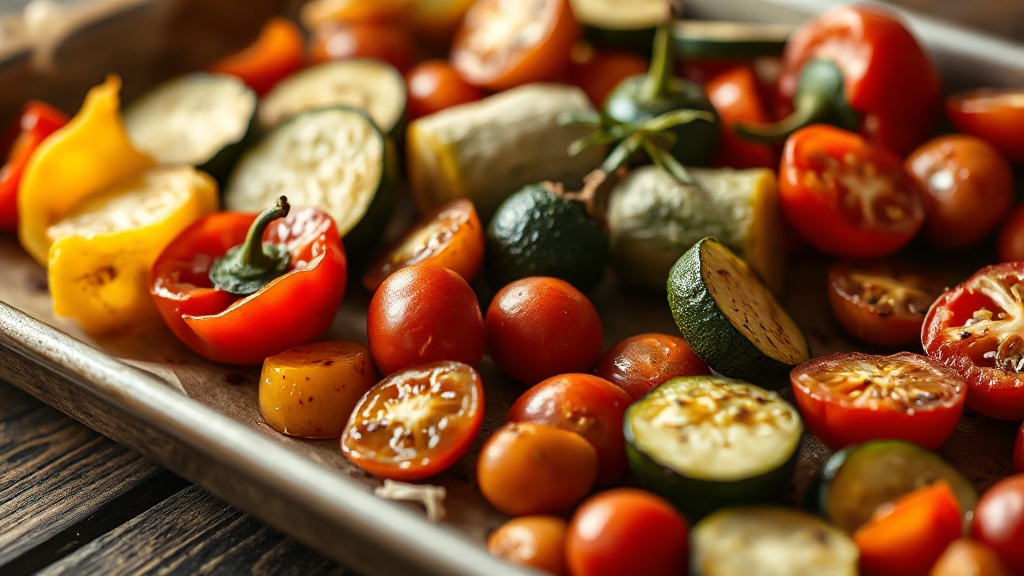
If you’ve been underutilizing your toaster oven for just toast and bagels, you’re missing out on one of its best features: roasting vegetables. Learning how to roast vegetables in a toaster oven opens up a world of quick, delicious, and healthy side dishes without heating up your entire kitchen. Whether you’re cooking for one, don’t have access to a full-size oven, or simply want to save energy during warmer months, your toaster oven is the perfect tool for creating perfectly caramelized, tender vegetables with minimal fuss.
Why Roast Vegetables in a Toaster Oven?
Toaster ovens offer several advantages over conventional ovens when it comes to roasting vegetables. First, they preheat much faster—usually in just 3-5 minutes compared to 10-15 minutes for a standard oven. This means you can have roasted vegetables on your table significantly quicker.
Second, toaster ovens are incredibly energy-efficient. According to USDA energy studies, toaster ovens use about half the energy of conventional ovens. If you’re curious about the specifics, check out our article on toaster wattage to understand power consumption better.
Third, they’re ideal for small batches. If you’re cooking for one or two people, a toaster oven provides just the right amount of space without the waste of heating a large oven cavity. Many quality toaster ovens are available on Amazon with convection settings that circulate hot air for even better roasting results.
Finally, during hot summer months, a toaster oven won’t heat up your entire kitchen the way a conventional oven does, making it a comfortable choice for year-round cooking.
Choosing the Right Vegetables for Your Toaster Oven
Nearly any vegetable can be roasted in a toaster oven, but some work particularly well due to their size and cooking characteristics.
Best Vegetables for Toaster Oven Roasting
- Root vegetables: Carrots, parsnips, sweet potatoes, and beets develop wonderful caramelization
- Cruciferous vegetables: Broccoli, cauliflower, and Brussels sprouts get beautifully crispy edges
- Squashes: Zucchini, yellow squash, and butternut squash roast perfectly in smaller spaces
- Bell peppers and onions: These develop natural sweetness and tender texture
- Asparagus: Thin spears cook quickly and evenly in a toaster oven
- Cherry tomatoes: They burst with concentrated flavor when roasted
- Green beans: They become tender with slight char marks
Vegetables That Need Special Attention
Larger, dense vegetables like whole potatoes or large eggplants may need to be cut into smaller pieces to cook through properly in a toaster oven’s limited space. Leafy greens like kale can be roasted into chips but require careful watching to prevent burning.
How to Roast Vegetables in a Toaster Oven: Step-by-Step Guide
Follow these steps for perfectly roasted vegetables every time, regardless of which variety you choose.
Step 1: Prepare Your Vegetables
Wash and dry your vegetables thoroughly. Moisture is the enemy of caramelization, so pat them completely dry with paper towels or a clean kitchen cloth. Cut vegetables into uniform pieces—aim for 1 to 1.5-inch chunks for most vegetables. Uniform sizing ensures even cooking, preventing some pieces from burning while others remain undercooked.
Step 2: Season Generously
Transfer your cut vegetables to a mixing bowl. Drizzle with olive oil (about 1-2 tablespoons per pound of vegetables), then add salt, pepper, and any desired seasonings. Popular options include garlic powder, paprika, Italian herbs, or cumin. Toss everything together until the vegetables are evenly coated. The oil helps conduct heat and promotes that desirable golden-brown exterior.
Step 3: Preheat Your Toaster Oven
Set your toaster oven to 400-425°F and allow it to preheat fully. Most toaster ovens have an indicator light that tells you when they’ve reached temperature. If your model has a convection setting, use it—the circulating air will give you even better results with crispier edges.
Step 4: Arrange Vegetables Properly
Line your toaster oven tray with parchment paper or aluminum foil for easier cleanup (though parchment promotes better browning). Arrange vegetables in a single layer without overcrowding. Overcrowding causes steaming rather than roasting, resulting in soggy vegetables. If you have more vegetables than fit comfortably, roast them in batches.
Step 5: Roast and Monitor
Place the tray in your preheated toaster oven. Most vegetables will take 20-30 minutes, but timing varies based on the vegetable type and cut size. Stir or flip the vegetables halfway through cooking to ensure even browning on all sides.
Step 6: Check for Doneness
Vegetables are done when they’re tender when pierced with a fork and have golden-brown edges. Some caramelized spots are perfect—they add flavor. If some pieces are done before others, remove them and let the rest continue cooking.
Temperature and Timing Guide for Common Vegetables
Here’s a practical reference guide for roasting popular vegetables in your toaster oven. These times assume vegetables cut into 1-inch pieces at 400-425°F.
- Asparagus (whole thin spears): 10-15 minutes
- Bell peppers: 20-25 minutes
- Broccoli florets: 18-22 minutes
- Brussels sprouts (halved): 25-30 minutes
- Carrots: 25-30 minutes
- Cauliflower florets: 20-25 minutes
- Cherry tomatoes (whole): 15-20 minutes
- Green beans: 15-20 minutes
- Sweet potato cubes: 25-35 minutes
- Zucchini and summer squash: 15-20 minutes
Remember that these are guidelines. Your specific toaster oven may run hotter or cooler, so use visual cues and doneness tests rather than relying solely on timing.
Pro Tips for Perfect Toaster Oven Roasted Vegetables
After roasting countless batches of vegetables, here are some insider tips that make a real difference.
Don’t Skip the Preheat
Even though toaster ovens heat quickly, preheating ensures your vegetables start cooking immediately at the right temperature, promoting better caramelization from the start.
Use the Convection Setting When Available
If your toaster oven has convection (a fan that circulates hot air), use it. This feature mimics professional restaurant ovens and creates evenly roasted vegetables with crispier exteriors. Many of the best mini toaster ovens include this feature.
Adjust Rack Position
Place your rack in the center position for most vegetables. For extra browning on top, move the rack to a higher position during the last few minutes of cooking, but watch carefully to prevent burning.
Add Aromatics at the Right Time
Fresh garlic and herbs can burn during long roasting times. Add minced garlic during the last 5-10 minutes, or use garlic powder for the full roasting time. Fresh herbs like rosemary can go in from the start, while delicate herbs like basil or parsley should be added after roasting.
Mix Vegetables Strategically
You can roast multiple vegetable types together, but pair vegetables with similar cooking times. For example, carrots and Brussels sprouts work well together, while asparagus and sweet potatoes don’t (asparagus would burn before the potatoes finish).
Create Space Between Pieces
This bears repeating because it’s so important: crowded vegetables steam rather than roast. Leave at least a quarter-inch between pieces for proper air circulation and maximum caramelization.
Finish with a Flavor Boost
After roasting, try finishing your vegetables with a squeeze of lemon juice, a drizzle of balsamic vinegar, a sprinkle of parmesan cheese, or a handful of toasted nuts. These final touches elevate simple roasted vegetables to restaurant-quality sides.
Troubleshooting Common Problems
My Vegetables Are Burning on Top but Raw Inside
This usually means your toaster oven’s top heating element is too close to the food or running too hot. Try lowering the temperature by 25°F and moving the rack to a lower position. You can also tent the vegetables loosely with foil partway through cooking.
My Vegetables Are Soggy Instead of Crispy
Soggy vegetables typically result from overcrowding, too much oil, or insufficient drying before roasting. Make sure vegetables are completely dry, use just enough oil to lightly coat them, and give them plenty of space on the pan. Also verify that your oven has fully preheated before adding the vegetables.
Some Pieces Cook Faster Than Others
Uneven cooking usually indicates inconsistent piece sizes. Take extra care when cutting to ensure all pieces are roughly the same dimensions. Also, stir or flip vegetables at least once during cooking to expose all sides to direct heat.
Everything Sticks to the Pan
Use parchment paper or a light coating of oil on your pan. Some vegetables release natural sugars that can caramelize and stick—this is normal and delicious. A quick soak after dinner will loosen any stuck-on bits.
Conclusion
Mastering how to roast vegetables in a toaster oven is a game-changing kitchen skill that opens up endless possibilities for quick, healthy, and delicious meals. With the right techniques—proper preheating, even cutting, avoiding overcrowding, and using appropriate temperatures—your toaster oven can produce restaurant-quality roasted vegetables any night of the week. The energy efficiency, quick preheating, and minimal kitchen heat make toaster ovens ideal for this cooking method, especially for smaller households or anyone looking to simplify their cooking routine. Once you get comfortable with the basics, experiment with different vegetable combinations, seasonings, and finishing touches to create your signature roasted vegetable dishes. Your toaster oven is capable of so much more than just reheating food—it’s a versatile tool that deserves a starring role in your kitchen.
Frequently Asked Questions
What temperature should I roast vegetables in a toaster oven?
Roast vegetables in a toaster oven at 400°F to 425°F for the best caramelization and crispy edges. Denser vegetables like carrots and sweet potatoes do well at 400°F, while quicker-cooking vegetables like asparagus and cherry tomatoes can handle 425°F. Always preheat your toaster oven for 3-5 minutes before adding your vegetables.
How long does it take to roast vegetables in a toaster oven?
Most vegetables take 15-25 minutes to roast in a toaster oven at 400°F to 425°F, depending on their density and how small they are cut. Thin asparagus spears and cherry tomatoes may be done in as little as 12-15 minutes, while denser root vegetables like beets and sweet potatoes can take 25-30 minutes. Flip vegetables halfway through cooking to ensure even browning on all sides.
Is it better to roast vegetables in a toaster oven or regular oven?
A toaster oven is better for roasting small batches of vegetables because it preheats in just 3-5 minutes versus 10-15 minutes for a conventional oven and uses about half the energy according to USDA energy studies. Conventional ovens have an advantage when cooking large quantities since a toaster oven’s smaller capacity limits batch size. For one to two servings, a toaster oven with a convection setting delivers equally crispy, caramelized results as a full-size oven.
What are the most common mistakes when roasting vegetables in a toaster oven?
The most common mistake is overcrowding the pan, which causes vegetables to steam rather than roast, resulting in soggy instead of caramelized edges. Cutting vegetables into uneven sizes is another frequent error, since smaller pieces burn before larger ones finish cooking. Always cut vegetables into uniform pieces, spread them in a single layer with space between them, and toss them in enough oil to lightly coat each piece before roasting.
Can you store and reheat toaster oven roasted vegetables?
Roasted vegetables can be stored in an airtight container in the refrigerator for up to 4-5 days after cooking. To reheat them, place the vegetables back in the toaster oven at 375°F for 5-8 minutes, which restores their crispiness far better than a microwave, which makes them soft and soggy. Avoid storing roasted vegetables with high moisture content like zucchini or tomatoes together with drier vegetables, as they can make the entire batch watery.
Can I roast frozen vegetables in a toaster oven?
Yes, you can roast frozen vegetables in a toaster oven, though the results won’t be quite as crispy as with fresh vegetables due to their higher moisture content. Don’t thaw them first—roast directly from frozen. Increase the cooking time by about 5-10 minutes and expect to see some water release during cooking. Drain off any excess liquid halfway through, and consider increasing the temperature to 425-450°F to help evaporate moisture and achieve some caramelization. For best results, choose frozen vegetables that were individually frozen rather than frozen in a solid block.
How do I prevent smoke when roasting vegetables in my toaster oven?
Smoke typically occurs when oil drips onto the heating elements or when vegetables are cooking at too high a temperature for too long. To prevent this, use only enough oil to lightly coat your vegetables (excess oil will drip), keep your toaster oven clean (remove any crumbs or residue before use), and place a small sheet of aluminum foil on the rack below your cooking tray to catch any drips. Also avoid temperatures above 450°F, which can cause oil to smoke. If your vegetables are particularly oily or fatty, wipe excess oil from the pan after the first 10 minutes of cooking.
What’s the best type of toaster oven for roasting vegetables?
Look for a toaster oven with at least 1200 watts of power, a convection setting for even heat distribution, and enough interior space to accommodate a standard quarter-sheet pan (about 9×13 inches). Models with precise temperature controls and multiple rack positions give you more flexibility. A timer is helpful, and an interior light allows you to monitor browning without opening the door and releasing heat. You can find excellent options on Amazon across various price points. Our guide to the best mini toaster ovens can help you choose a model that fits your needs and kitchen space.
Can I use my toaster oven’s broil function for roasting vegetables?
While broiling can work for some vegetables, it’s generally not the best choice for most roasting applications. Broiling uses intense direct heat from above, which can burn the outside of vegetables before the inside cooks through. However, you can use the broil function strategically: roast vegetables at 400-425°F until they’re almost done and tender, then switch to broil for the final 2-3 minutes to add extra caramelization and char. Watch very carefully during broiling, as vegetables can go from perfectly browned to burnt in less than a minute. This technique works especially well for vegetables like bell peppers and zucchini that benefit from a little char.

Written by
Emma founded Toastera to turn vague appliance advice into clear, researched, safety-first guidance on toasters and toaster ovens.
Free: the Toaster Oven Cheat Sheet
Get the printable cheat sheet (temps, cook times & safety tips) plus new recipes. No spam, unsubscribe anytime.