If you’ve ever wondered how to toast pine nuts in a toaster oven, you’re in for a treat. These delicate, buttery nuts transform from mild to magnificently nutty when toasted properly, and your toaster oven is actually the perfect tool for the job. Unlike stovetop methods that require constant attention and stirring, toasting pine nuts in a toaster oven gives you more control and even results. Let me walk you through everything you need to know to get perfectly golden, aromatic pine nuts every single time.
Why Use a Toaster Oven to Toast Pine Nuts
You might be wondering why you should bother with a toaster oven when you could just use a skillet on the stove. The truth is, toaster ovens offer several distinct advantages that make them ideal for toasting pine nuts and other small quantities of nuts.
First, toaster ovens provide even, consistent heat from all directions. Unlike a stovetop pan where heat comes only from the bottom, a toaster oven surrounds the nuts with warm air, reducing the risk of burning spots. This is especially important for pine nuts, which are notoriously expensive and have a tendency to go from perfectly toasted to burnt in mere seconds.
Second, a toaster oven frees up your attention. While you still need to keep an eye on things, you’re not tied to the stove constantly shaking a pan. This makes multitasking in the kitchen much easier, especially when you’re preparing a complex dish that requires toasted pine nuts as just one component.
Finally, toaster ovens are energy-efficient for small jobs like this. Rather than heating up your full-size oven, which can take 10-15 minutes just to preheat and uses considerably more energy, your toaster oven heats up quickly and uses less electricity. If you’re curious about energy usage, check out our article on toaster wattage to learn more.
Step-by-Step Guide: How to Toast Pine Nuts in a Toaster Oven
Now let’s get into the practical details. Follow these steps for perfectly toasted pine nuts every time.
Prepare Your Toaster Oven and Pine Nuts
Start by preheating your toaster oven to 325°F (163°C). This moderate temperature is key—too hot and your pine nuts will burn before they develop that complex, nutty flavor; too cool and they’ll take forever and might dry out without proper browning.
While the oven preheats, spread your pine nuts in a single layer on a light-colored, rimmed baking sheet or on the toaster oven tray itself. Avoid dark pans, as they absorb more heat and can cause uneven browning or burning. If you’re toasting a small amount, even a piece of aluminum foil shaped into a shallow tray works perfectly.
Don’t crowd the nuts. They should be in a single layer with a bit of space between them for air circulation. If you’re toasting more than a cup of pine nuts, consider doing multiple batches rather than piling them up.
The Toasting Process
Once your toaster oven reaches temperature, place the tray of pine nuts in the center of the oven. Set a timer for 3 minutes as your starting point. Depending on your specific toaster oven model and how many pine nuts you’re toasting, the total time will likely be between 3-7 minutes.
After the first 3 minutes, open the toaster oven and give the tray a gentle shake to redistribute the nuts. This ensures even toasting on all sides. You’ll notice they’re starting to release their aroma—that’s a good sign.
Continue toasting, but now check every 1-2 minutes. This is crucial because pine nuts can go from perfect to burnt very quickly due to their high oil content. According to Serious Eats’ guide on toasting nuts, the oils in nuts can cause rapid browning once they reach a certain temperature, so vigilance is essential.
Knowing When They’re Done
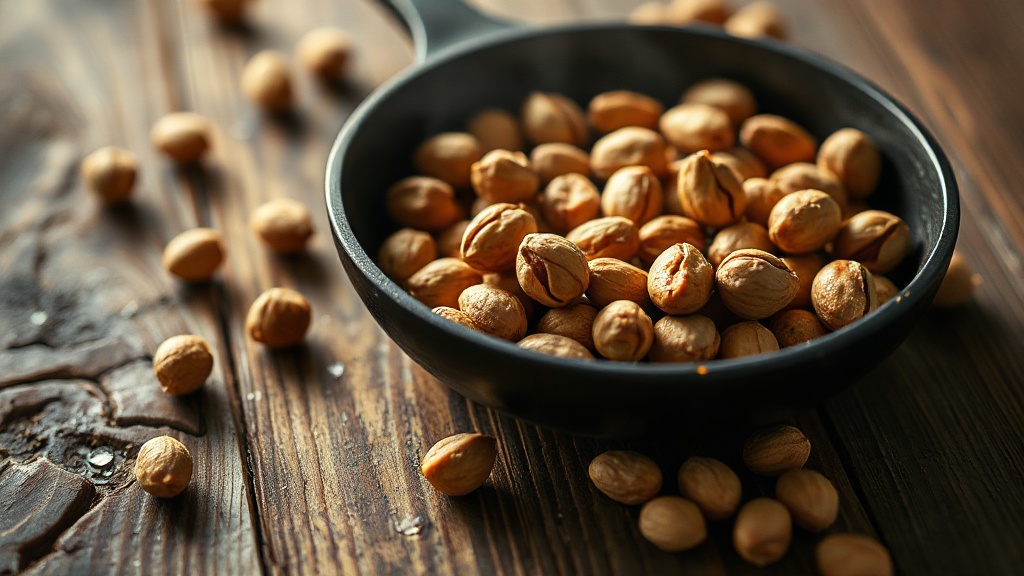
Your pine nuts are perfectly toasted when they’re light golden brown with some darker spots and they smell wonderfully fragrant and nutty. The color should be uneven—some nuts will be slightly lighter, others slightly darker—and that’s perfectly fine and natural.
Here’s an important tip: remove the pine nuts when they’re just slightly lighter than your target color. They’ll continue cooking from residual heat even after you remove them from the toaster oven, a phenomenon called carryover cooking. If you wait until they’re the exact color you want, they’ll likely be too dark once they cool.
Cooling and Storage
As soon as your pine nuts reach the desired color, immediately transfer them to a cool plate or bowl. Don’t leave them on the hot baking sheet, or they’ll continue to darken and potentially burn. Spread them out in a single layer to cool quickly and evenly.
Let them cool completely before using or storing. Toasted pine nuts can be stored in an airtight container at room temperature for up to a week, or in the refrigerator for up to a month. For longer storage, freeze them for up to three months.
Common Mistakes to Avoid When Toasting Pine Nuts
Even with straightforward instructions, there are several pitfalls that can ruin a batch of expensive pine nuts. Here’s what to watch out for:
- Setting the temperature too high: Anything above 350°F is risky for pine nuts. While it might seem like a time-saver, higher temperatures almost guarantee uneven toasting and burnt spots.
- Walking away: Unlike reheating food in a toaster oven, which is relatively forgiving, toasting nuts requires your attention. Even a minute too long can be disastrous.
- Skipping the shake or stir: Without redistributing the nuts halfway through, you’ll end up with some nuts perfectly toasted and others barely changed or even burnt.
- Using old pine nuts: Pine nuts have a high oil content that can go rancid. Always taste one raw pine nut before toasting a batch—if it tastes bitter or off, toasting won’t fix it.
- Leaving them on the hot pan: Remember that carryover cooking! Transfer to a cool surface immediately.
Tips for Perfect Results Every Time
Beyond the basic method, here are some pro tips that will help you consistently achieve restaurant-quality toasted pine nuts:
Choose the Right Toaster Oven
Not all toaster ovens heat equally. Some have hot spots, while others distribute heat more evenly. If you’re in the market for a new one, you can find excellent options on Amazon, including compact models that work great for small tasks like this. Our guide to the best mini toaster ovens can help you choose one that heats evenly and accurately.
Models with convection settings are particularly good for toasting nuts because the circulating air promotes even browning. If your toaster oven has this feature, use it—but reduce the temperature by about 25°F to compensate for the more efficient heat transfer.
Toast in Small Batches
Even if you need two or three cups of toasted pine nuts for a recipe, resist the urge to toast them all at once. Smaller batches (about 1/2 to 1 cup at a time) toast more evenly and give you better control over the final result. Yes, it takes a bit more time, but it’s worth it when you’re working with expensive ingredients.
Use Your Senses
Visual cues are important, but don’t forget about your other senses. The aroma is one of the best indicators that your pine nuts are nearly done. When you start to smell that rich, nutty fragrance wafting from the toaster oven, start checking every minute. If you smell any hint of burning, remove them immediately.
Consider Adding Fat or Seasoning
While pine nuts have plenty of natural oils and usually don’t need additional fat, you can toss them with a tiny amount of butter or olive oil before toasting if you plan to use them as a snack or garnish. Just be aware this can speed up the browning process, so watch them even more carefully.
For savory applications, try adding a pinch of salt or your favorite spices during the last minute of toasting. The heat will help the seasonings adhere to the nuts and bloom the flavors.
Creative Ways to Use Your Toasted Pine Nuts
Now that you’ve mastered toasting pine nuts in your toaster oven, you might be wondering about the best ways to use them. These versatile nuts add texture, richness, and a sophisticated flavor to countless dishes.
The most classic use is in pesto, where toasted pine nuts are blended with fresh basil, garlic, Parmesan cheese, and olive oil. Toasting intensifies the nutty flavor and makes the pesto more complex. You can also sprinkle toasted pine nuts over salads, roasted vegetables, or pasta dishes for added crunch and flavor.
They’re wonderful in grain dishes like rice pilaf, quinoa salads, or couscous. The nutty flavor complements whole grains beautifully. For something different, try adding them to stuffing, incorporating them into bread or muffin batter, or using them as a crunchy topping for creamy soups.
Don’t forget desserts! Toasted pine nuts add sophistication to cookies, biscotti, and even ice cream. According to Food Network’s toasting guide, toasted nuts in desserts provide both flavor complexity and textural contrast that elevates simple recipes.
Frequently Asked Questions
Can I toast pine nuts in a regular toaster?
While technically possible with certain toaster models that have wide slots and adjustable settings, it’s not recommended. Regular toasters are designed for bread and work at much higher temperatures than ideal for nuts. The slots also make it difficult to monitor the nuts and remove them quickly if they start to burn. A toaster oven provides much better control and visibility. If you’re curious about the intense heat toasters produce, check out our article on how hot a toaster gets.
How do I prevent pine nuts from burning in the toaster oven?
The keys to preventing burning are using a moderate temperature (325°F), checking frequently after the first 3 minutes, shaking or stirring the nuts at least once during toasting, and removing them from the hot pan immediately when done. Also, avoid overcrowding the pan and don’t walk away during the toasting process. Setting multiple timers—one for the initial check and shorter ones afterward—can help you stay on track.
Why do my pine nuts taste bitter after toasting?
If your toasted pine nuts taste bitter, there are two likely culprits. First, the pine nuts may have been rancid before toasting. Pine nuts contain oils that can go bad, especially if stored improperly or kept too long. Always store raw pine nuts in the refrigerator or freezer and check their freshness before toasting. Second, they may have been over-toasted or burnt. Even slightly over-toasted pine nuts can develop bitter flavors. If you catch burning in progress, immediately remove them and sort out any darkened nuts.
Can I toast other nuts using the same method?
Absolutely! This toaster oven method works excellently for almonds, walnuts, pecans, hazelnuts, and other nuts. However, you’ll need to adjust the time based on the size and oil content of the specific nut. Larger nuts like walnuts and pecans may need 7-10 minutes, while smaller nuts like sliced almonds might only need 3-5 minutes. The same