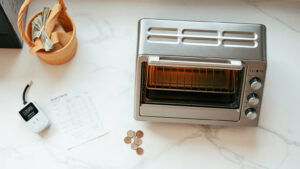
There’s nothing quite like the rich, nutty flavor of toasted walnuts. They transform salads, desserts, and cheese boards from ordinary to exceptional. But here’s the thing: walnuts go from perfectly toasted to burnt and bitter in about thirty seconds. I’ve learned this the hard way, standing over my toaster oven watching smoke curl out while my walnuts turned into expensive charcoal. If you’ve ever wondered how to toast walnuts in a toaster oven without burning them, you’re in the right place. Let me share what actually works.
Why Your Toaster Oven Is Perfect for Toasting Walnuts
You might think a regular oven is the safer choice. And sure, it works. But your toaster oven? It’s actually better for this job.
First, it preheats in a fraction of the time. We’re talking three to four minutes versus ten to fifteen for a full-sized oven. Second, the smaller space means you can keep a closer eye on your nuts through that handy window. No opening doors and losing heat. Third, toaster ovens heat up and cool down faster, giving you more control over the process.
But—and this is important—that same quick heating means things can go wrong fast. The key to success isn’t just temperature and time. It’s understanding how your specific toaster oven behaves.
The Step-by-Step Method That Actually Works

Let’s get into the actual process. This method has saved me countless batches of walnuts, and it’ll work whether you’ve got a compact mini toaster oven or a larger countertop model.
Preparation Is Half the Battle
Start with room temperature walnuts. If they’ve been in the fridge or freezer, let them sit out for about twenty minutes. Cold nuts toast unevenly, with the outside burning before the inside gets warm.
Spread your walnuts in a single layer on a light-colored baking pan or directly on your toaster oven’s tray. Dark pans absorb more heat and can cause hot spots. I learned this after wondering why the walnuts on one side of my pan always looked perfect while the other side resembled little coal nuggets.
Don’t crowd them. Seriously. Leave space between each walnut half if you can. Crowded nuts steam instead of toast, and they won’t develop that deep, aromatic flavor you’re after.
The Temperature Sweet Spot
Set your toaster oven to 300°F. Not 325°F, not 350°F. Three hundred degrees.
I know what you’re thinking—that seems low. Most recipes online suggest 350°F because that’s what works in a full-sized oven. But toaster ovens run hotter than their dials suggest. The heating elements are closer to the food, creating more intense direct heat. At 350°F in a toaster oven, you’re basically playing Russian roulette with your walnuts.
According to Serious Eats’ testing on nut toasting, lower temperatures give you a wider window of perfection. And when you’re working with the compact, intense heat of a toaster oven, you need all the margin for error you can get.
Timing and The Shake Test
Here’s your timeline:
- Minute 0-3: Preheat your toaster oven to 300°F
- Minute 3: Add your walnuts in a single layer
- Minute 6: Shake the pan or stir with a wooden spoon
- Minute 8: Check for doneness and give another shake
- Minute 10: Remove immediately (maybe sooner)
That shake at the six-minute mark? Non-negotiable. Toaster oven heating elements create hot zones, and those walnuts directly under the element will toast faster. Redistributing them halfway through is what separates evenly toasted nuts from a mixed bag of perfect and burnt.
Start checking at eight minutes. Look for a light golden color. Smell the air—you should get a warm, nutty aroma, not anything sharp or acrid. If you’re not sure, break one open. The inside should be slightly darker than when you started, with a fragrant smell.
Common Mistakes That Lead to Burnt Walnuts
Let me tell you about every mistake I’ve made so you don’t have to repeat them.
Walking Away
I get it. Ten minutes feels like forever when you’re prepping other ingredients. You think “I’ll just quickly chop these herbs” or “I’ll answer this one text message.” Don’t do it. Stay in the kitchen. Watch through that window. The difference between perfect and ruined happens in literally twenty seconds.
Using the Wrong Pan Position
Most toaster ovens have two or three rack positions. Use the middle position. Top position puts your walnuts too close to the upper heating element. Bottom position can cause uneven heating from below.
If you’re using a convection toaster oven, you have more flexibility. The circulating air helps distribute heat more evenly. You can actually bump up the temperature slightly to 310°F or 315°F with convection, but I’d still start conservative until you know how your specific model behaves.
Forgetting About Carryover Toasting
Here’s something most guides don’t mention: walnuts keep toasting even after you remove them from the oven. The residual heat in the nuts and the pan continues the process. This is why you want to remove them when they’re slightly lighter than your target color.
Transfer them to a cool plate or wire cooling rack immediately. Leaving them on that hot pan? That’s how you get overdone edges even though you did everything else right.
Adjusting for Different Walnut Sizes and Types
Not all walnuts toast the same way. Shocked? I was too.
Walnut halves need the full eight to ten minutes at 300°F. They’re thicker and denser, so they require more time for the heat to penetrate to the center. But chopped walnuts? They’re done in five to seven minutes. Smaller pieces mean more surface area exposed to heat, which means faster toasting.
If you’re toasting walnut pieces of different sizes (because you broke up some halves imperfectly, like I always do), pick out the smallest pieces around the six-minute mark. Let the larger ones continue for another couple of minutes. Yes, it’s extra work. But it beats throwing away half the batch because the small pieces turned to ash while you waited for the big ones to finish.
Fresh walnuts also toast differently than older ones. Fresh walnuts have more oil content, which means they can go from golden to burnt more quickly. If your walnuts are from last year’s harvest (check the package date), you might be able to push them an extra minute or two.
How to Tell When They’re Perfectly Done
You’ll develop an instinct for this over time, but here are the signs to look for right now.
Color: You want a warm, golden brown—think caramel or café au lait, not dark chocolate. The skin might darken slightly more than the nut meat itself, and that’s fine. What you don’t want is any black spots or a uniform dark brown color.
Smell: This is your best indicator. Step away from your toaster oven for a moment (weird advice given what I said earlier, but bear with me). When you come back, take a good sniff. You should smell something warm, buttery, almost sweet. If it smells sharp, bitter, or acrid—like something’s burning—they’re overdone or about to be.
Sound: Lightly shake the pan. Perfectly toasted walnuts have a different sound than raw ones—a bit crisper, more distinct. Raw walnuts sound softer, almost muffled. It’s subtle, but once you hear the difference, you’ll always notice it.
Taste: The ultimate test, obviously. Let one cool for thirty seconds (hot walnuts will burn your tongue and you won’t taste anything accurately). It should be crunchy, not chewy. The flavor should be deeper and more complex than a raw walnut, with that characteristic toasted nuttiness. If it tastes bitter at all, even slightly, you’ve gone too far.
What to Do If Things Go Wrong
Sometimes you’re going to burn a few. It happens to everyone. The question is what you do next.
If you catch them early—meaning they’re just a shade too dark but not truly burnt—you can still use them in certain applications. Finely chop them and mix them into a dark sauce or brownie batter where the extra toasty flavor won’t stand out as much. But don’t put them on a salad or anywhere they’ll be the star. They’ll be bitter and unpleasant.
If they’re truly burnt with black spots? Just toss them. I know it hurts to waste food and money, but burnt walnuts are inedible. They’ll ruin whatever dish you add them to. Learn from it and adjust your process next time.
And if you’re consistently burning walnuts even when following the temperatures and times I’ve suggested? Your toaster oven might run hot. Get an oven thermometer to check the actual internal temperature. Many toaster ovens are off by twenty-five degrees or more. Once you know your offset, you can adjust accordingly.
Storing Your Toasted Walnuts
You did all this work to toast them perfectly. Don’t let them go rancid in your pantry.
Toasted walnuts have more exposed oils than raw ones, which means they go bad faster. At room temperature in an airtight container, they’ll last about one week. In the refrigerator, you can push that to three weeks. In the freezer? Up to three months.
Let them cool completely before storing—and I mean completely. Any residual warmth creates condensation in your container, which leads to soggy, stale walnuts. Give them at least thirty minutes on that cooling rack.
I like to toast a big batch and freeze them in small portions. That way I can grab exactly what I need for reheating or finishing a dish without having to fire up the toaster oven every time.
Frequently Asked Questions
Can I toast walnuts in a regular toaster?
No, and please don’t try. Regular pop-up toasters aren’t designed for anything except sliced bread. The oils from walnuts can drip onto the heating elements, create smoke, and potentially cause a fire. Plus, you have zero control over the temperature or timing. Stick with your toaster oven where you can actually monitor what’s happening.
Do I need to add oil or butter when toasting walnuts?
Nope. Walnuts have plenty of natural oils—they’re nearly 65% fat by weight. Adding more fat just makes them greasy and can actually cause them to burn faster. Dry toasting brings out their