Bread turns brown when toasted because of a chemical process called the Maillard reaction — a heat-triggered interaction between amino acids and reducing sugars that produces hundreds of new flavor compounds and that characteristic golden-brown color. It kicks in around 280–330°F (140–165°C), which is well within the range of a standard toaster’s heating elements, typically running between 300°F and 550°F depending on the setting. The practical upshot: the browning isn’t just cosmetic — it’s a genuine flavor transformation, and that’s why toast tastes so different from plain bread.
Safety First: Toaster heating elements reach extreme temperatures — some exceeding 500°F — fast enough to cause serious burns on contact. Never reach inside a toaster while it’s plugged in, never try to retrieve stuck bread with metal utensils, and always unplug the toaster before cleaning or clearing a jam. Keep the appliance away from curtains and anything flammable, and don’t leave it running unattended if the bread is unusually thick or dense, which raises the risk of scorching or smoke.
Quick Facts: The Maillard Reaction and Toast
- The Maillard reaction starts at approximately 280–330°F (140–165°C) — below what most people expect
- It’s a reaction between amino acids (proteins) and reducing sugars — not simply burning or caramelization
- Hundreds of distinct flavor and aroma compounds are created during this reaction
- Moisture content matters: wetter bread browns more slowly because surface water has to evaporate first
- The reaction is named after French chemist Louis-Camille Maillard, who described it in 1912
What Actually Is the Maillard Reaction?
I’ll be honest — the first time someone explained this to me, I nodded along and then immediately forgot most of it. The name sounds intimidating. But the concept is actually pretty simple once you strip away the chemistry jargon.
When you heat bread, you’re applying energy to its surface. That surface contains proteins (from the flour, eggs, or milk in the recipe) and various sugars. At a certain temperature, those two things — amino acids from the proteins, and the reducing sugars — start reacting with each other. Not in a dramatic combustion way. More like a slow, cascading chain of small chemical rearrangements that produce a whole new set of molecules.
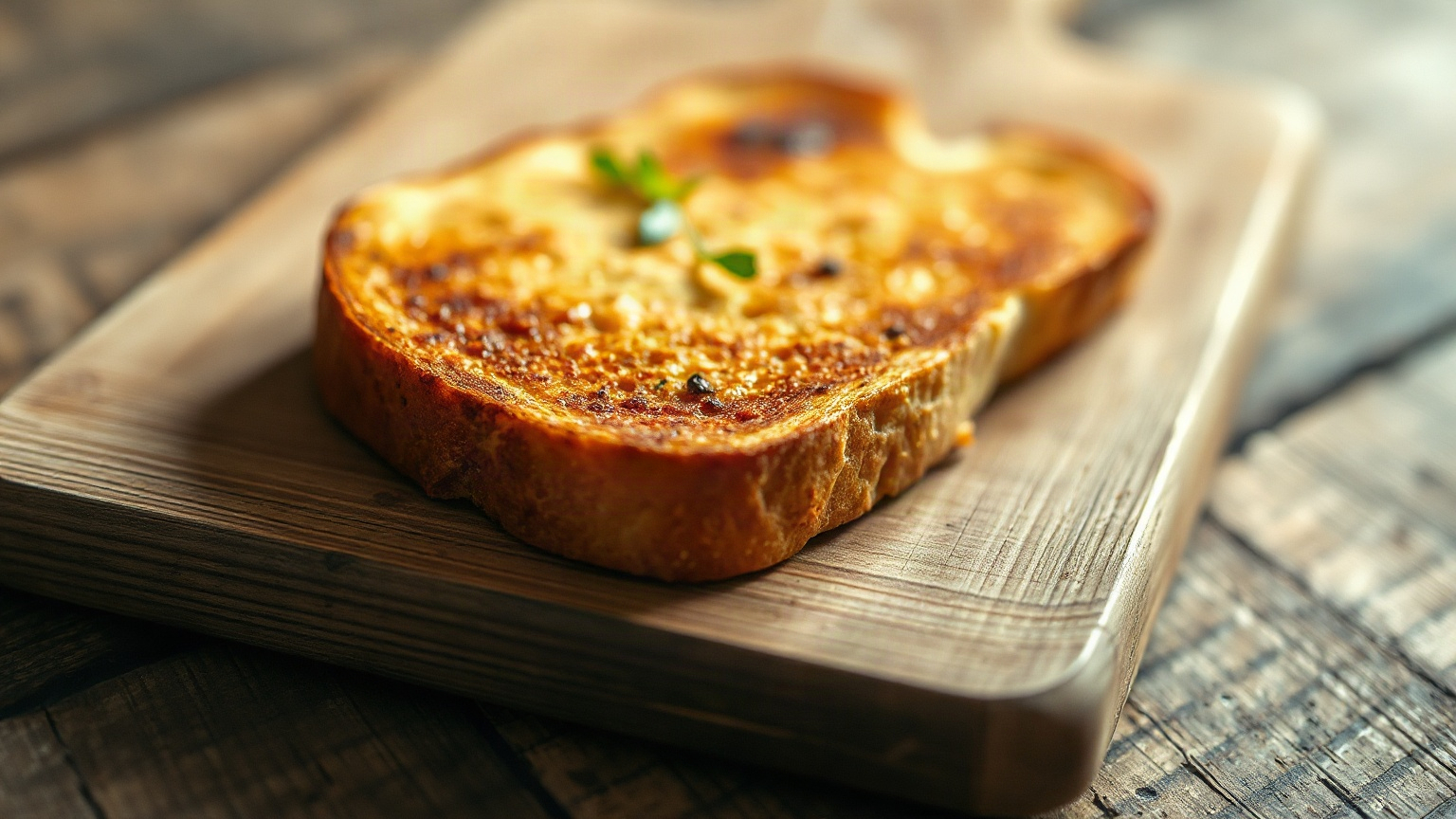
Those new molecules are what you’re tasting. And smelling. The nutty, slightly sweet, complex flavor of toast? That’s not in the original bread. It’s created by the heat. Some of the compounds produced are melanoidins — large brown-colored polymers that give toast its color. Others are volatile aromatic compounds that drift up and hit your nose before the slice even reaches your mouth.
It’s genuinely different chemistry from burning. Burning (combustion) is carbon oxidizing rapidly. The Maillard reaction is something else entirely — it produces flavor rather than destroying it. Though push it too far, and yes, you just get acrid black toast that tastes like regret.
How Is This Different from Caramelization?
People mix these up constantly, and I did too for a while. Caramelization is the browning of sugar alone — no proteins involved. It requires higher temperatures, typically 320°F (160°C) for fructose up to around 375°F (190°C) for sucrose. It’s what happens to the crust of a crème brûlée or the outside of a plain sugar cookie.
The Maillard reaction requires both sugar and amino acids together. It runs at a lower temperature. And it produces a vastly more complex flavor profile because the starting ingredients — all those different amino acids and different types of sugars in bread — combine in dozens of different ways simultaneously.
Both reactions can happen at the same time in bread, which is part of why toast is so good. But if you’re asking which one is primarily responsible for that golden color and savory-edged flavor? It’s the Maillard reaction, almost every time.
Serious Eats has a genuinely excellent breakdown of both reactions and when each dominates, if you want to get deeper into the food science: The Science of the Maillard Reaction.
Why Temperature and Time Both Matter
Here’s something that tripped me up early on when I started seriously testing toasters: not all browning is equal, even when the final color looks the same.
Low and slow browns differently than high and fast. A toaster oven set to 300°F for five minutes will give you a paler, more evenly dried-out toast. A toaster running at 450°F for 90 seconds gives you a crispier outside with a slightly softer middle. The color might end up similar, but the texture and flavor differ noticeably because the heat penetrates the bread at a different rate.
I personally prefer the high-heat, shorter-time method for most sandwich bread. You get more of that snap on the outside without drying the whole slice to a cracker. For thick sourdough, I’ll drop to a medium setting and give it longer — otherwise the outside browns before the inside warms through, and you end up with toast that’s essentially cold in the center.
The Role of Moisture
Water is actually the enemy of browning — temporarily. The Maillard reaction needs the surface to be relatively dry. While moisture is evaporating off the surface of the bread, that surface stays close to 212°F (the boiling point of water), which is below the threshold for browning. Only once the surface dries out enough does the temperature climb past 280°F and the color change begins.
This is why fresh, slightly damp bread takes longer to toast than a drier day-old slice. And it’s why frozen bread straight from the freezer browns unevenly — the ice crystals melt and create wet patches that resist browning longer than the drier spots.
How This Varies Across Toasters and Toaster Ovens
Not all toasters hit the same temperatures, and that matters more than most people think. A cheap two-slot toaster might run its elements at 300–350°F on a medium setting. A good toaster oven on broil can hit 500°F or more. You can read more about specific temperatures in our guide to how hot a toaster gets — the range across appliances surprised me when I looked into it.
| Toasting Method | Typical Surface Temp | Time to Brown | Texture Result |
|---|---|---|---|
| Standard pop-up toaster (medium) | 350–450°F | 60–120 sec | Crispy outside, soft middle |
| Toaster oven (toast mode) | 300–375°F | 3–5 min | Even, slightly drier throughout |
| Toaster oven (broil) | 450–500°F+ | 2–3 min | Quick crust, warm center |
| Oven broiler (rack high) | 500°F+ | 1–2 min per side | Charred edges possible, uneven |
| Skillet (dry, medium-high) | 350–400°F surface | 2–3 min per side | Dense crust, buttery if fat added |
What Bread Ingredients Change How It Browns
The Maillard reaction needs both amino acids and reducing sugars — so the more of each a bread contains, the faster and darker it’ll brown.
Enriched breads (brioche, milk bread, potato bread) have eggs and milk built into the dough. Both add proteins and sugars. These breads brown faster and darker than a simple lean baguette-style bread. I’ve scorched brioche on a setting I’d use for sourdough without even trying. It’s annoying until you understand why it’s happening.
Whole wheat bread browns differently too — the bran particles absorb heat differently than white flour does, and the slightly higher protein content can accelerate browning on the surface even as the interior stays pale. Rye bread, same story, plus it has a slightly different sugar composition that affects the flavor of the reaction compounds.
Sugar added to the top of bread — like a cinnamon sugar toast situation — caramelizes separately and can burn well before the bread itself is fully toasted. Keep that in mind if you’re using a toaster oven on a higher setting. I usually add sweetened toppings after the toast cycle, not during.
If you use a toaster oven for most of your toasting, a decent toaster oven wire rack at the right height makes a bigger difference than you’d expect — positioning the bread closer to the top element (for broil-style heat) or centered (for even heat) changes the browning rate significantly.
Does Toasted Bread Have Different Nutrition Than Plain Bread?
Marginally, yes — but not in any dramatic way. The Maillard reaction does consume some of the amino acids and sugars that react together, so technically there’s a tiny reduction in those specific nutrients. The USDA notes that heat processing generally causes minor nutrient losses in grain products, though nothing that would meaningfully change your daily intake from a couple of slices of toast.
One thing worth knowing: very dark toast contains higher levels of acrylamide, a compound that forms in starchy foods at high temperatures. The NHS and various food safety bodies have flagged this. The practical advice they generally land on is to toast to a golden color rather than deep brown or black. I try to pull my toast off at a consistent golden-amber — not pale and limp, not dark and bitter.
The FDA’s guidance on acrylamide in food is worth a quick read if you toast bread every single day and want to understand the actual risk level (spoiler: it’s considered low, but reducing very dark browning is a sensible habit).
The glycemic index of bread also drops slightly with toasting — the structure of the starch changes in a way that slows digestion. Cooling the toast further after it comes out of the toaster reduces it even more. Refrigerating bread before toasting has a similar effect. Practically speaking, it’s a small difference, but it’s real.
Getting the Most Out of the Maillard Reaction at Home
A few things I’ve learned from testing a lot of toasters that actually affect your results:
- Start with room-temperature bread when you can. Frozen bread will toast unevenly almost every time, even on defrost settings.
- Don’t stack or overlap slices in a toaster oven — airflow affects browning rate, and overlapping bread stays moist longer on the contact side.
- If you want maximum Maillard flavor, go slightly higher heat for slightly less time rather than lower heat for longer. You’ll get more surface reaction compounds and a less cardboard-dry interior.
- A toaster oven baking pan under the rack catches crumbs and also slightly reflects heat upward — useful for getting more even browning on the bottom of the bread without flipping.
- If your toaster oven has a convection setting, it’ll brown bread faster than conventional mode because the moving air strips away surface moisture more quickly, letting the temperature climb past the browning threshold sooner.
If you’re reheating things rather than making fresh toast, the approach shifts a bit — check out the guide to reheating food in a toaster oven for settings that keep things from over-browning when you just want warm, not toasted.
The Bottom Line
The Maillard reaction is one of those things that makes you appreciate a pretty mundane appliance a bit more. Your toaster isn’t just heating bread — it’s triggering a cascade of chemistry that creates flavor compounds that weren’t there before. That’s why toast tastes like something, and plain bread kind of doesn’t. Temperature, time, moisture, and the specific ingredients in the bread all affect how far the reaction goes and what the result tastes like.
My honest take after testing a lot of toasters: the ones that brown most evenly tend to have better-distributed heating elements and more precise thermostat control. A consistent golden-brown isn’t just more visually appealing — it means you’re hitting the sweet spot of the Maillard reaction across the whole slice rather than patchy dark spots and pale areas. If your toaster produces a lot of uneven results, it might be worth looking at our picks for the best mini toaster ovens that give you more control.
Toast golden. Not black.
Frequently Asked Questions
Why does bread turn brown when toasted?
Bread turns brown due to the Maillard reaction — a chemical interaction between amino acids and reducing sugars that’s triggered by heat above roughly 280°F (140°C). This reaction produces hundreds of new flavor and color compounds, which is why toast tastes distinctly different from untoasted bread. It’s not burning, and it’s not caramelization — it’s a separate process entirely.
At what temperature does the Maillard reaction start in bread?
The Maillard reaction begins at around 280–330°F (140–165°C) on the surface of the bread. The surface needs to lose enough moisture first for the temperature to climb past this threshold, which is why wet or frozen bread takes longer to show browning. Standard toaster heating elements typically operate well above this range, which is why browning happens quickly.
Is toasted bread less healthy than regular bread?
Toasting causes minor losses in some amino acids and sugars that participate in the Maillard reaction, but nothing nutritionally significant for most people. Very dark or burnt toast does contain higher levels of acrylamide, a compound flagged by food safety agencies, so toasting to a golden color rather than very dark brown is a reasonable habit. The glycemic index of bread actually decreases slightly with toasting, which some people find beneficial.
Why does some bread brown faster than others in a toaster?
Breads with more protein and sugar in the dough — like brioche, milk bread, or enriched sandwich loaves — brown significantly faster because the Maillard reaction has more of its required ingredients available. Whole wheat and rye also tend to brown faster than white bread due to their different composition. Plain lean breads with fewer added ingredients generally take longer and may not reach the same depth of color.
What is the difference between the Maillard reaction and caramelization?
Caramelization is the browning of sugar alone under heat, requiring temperatures above 320°F (160°C) depending on the sugar type. The Maillard reaction requires both amino acids and reducing sugars together and occurs at a lower temperature. Both can happen simultaneously in bread, but the Maillard reaction is primarily responsible for the savory, complex flavor of toast — caramelization contributes more of the purely sweet, candy-like notes.

Written by
Emma founded Toastera to turn vague appliance advice into clear, researched, safety-first guidance on toasters and toaster ovens.
Free: the Toaster Oven Cheat Sheet
Get the printable cheat sheet (temps, cook times & safety tips) plus new recipes. No spam, unsubscribe anytime.