Reheat lasagna in a toaster oven at 325°F for 20–30 minutes, covered with foil, until the internal temperature hits 165°F. The covered foil traps steam, which keeps the pasta from drying out and the cheese from turning into rubber. Most single-serving portions take closer to 20 minutes; a thicker, denser slice can push toward 30.
Safety First: Toaster ovens run hot and retain heat in a small space — always use oven mitts when removing pans or foil-covered dishes, since trapped steam can release suddenly and cause burns. Don’t use foil that touches the heating elements, and never leave the toaster oven unattended when reheating foods with high fat content like cheese-heavy lasagna, which can splatter and cause smoke or fire.
Quick Facts: Reheating Lasagna in a Toaster Oven
- Best temperature: 325°F (some thinner pieces do fine at 350°F)
- Time range: 20–30 minutes for a standard refrigerated portion, up to 45 minutes if reheating from frozen
- Always cover with foil for the first 15–20 minutes, then uncover to re-crisp the top
- Target internal temp of 165°F — a cheap instant-read thermometer is your best friend here
- Add a tablespoon of water or extra sauce before covering to prevent the pasta from drying out
Reheating lasagna sounds simple. It’s not always. I’ve pulled out sad, dried-up squares from a toaster oven more times than I’d like to admit, usually because I was impatient or had the heat too high. The microwave is faster, sure, but it turns lasagna into a soggy, uneven mess. The toaster oven gets it right — you just have to be a little patient and know what you’re doing.
The Right Temperature for Reheating Lasagna
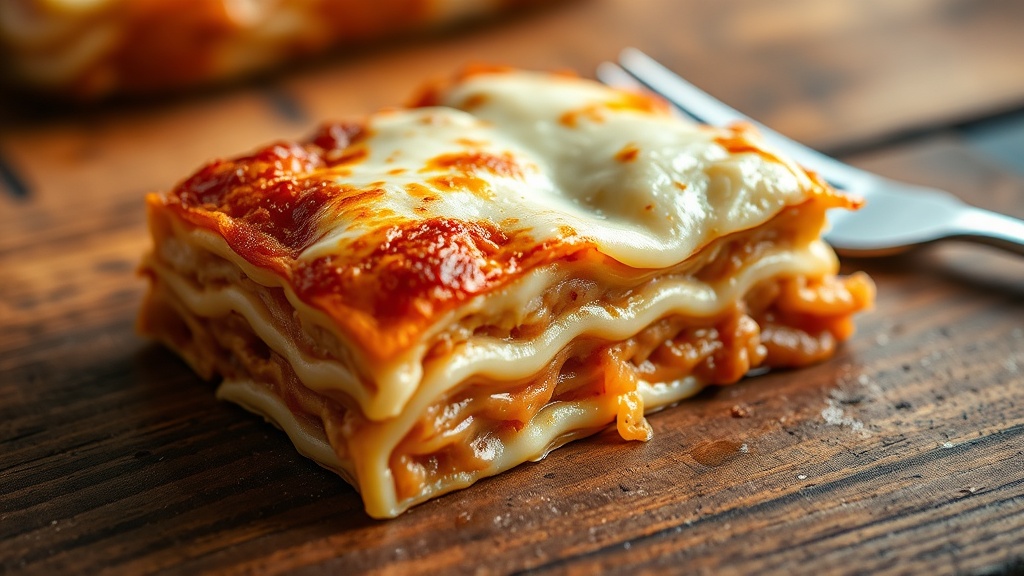
325°F is the sweet spot. Not 375°F, not 400°F. High heat does two things you don’t want: it dries out the edges before the center is even warm, and it scorches the cheese on top before the pasta layers below have done anything.
Now, if your slice is on the thinner side — like a small corner piece with less ricotta — you can push it to 350°F and shave a few minutes off. But for a thick, layered restaurant-style piece? Stick with 325°F and let time do the work.
It’s the same logic behind reheating food in a toaster oven generally: lower and slower preserves moisture, and moisture is everything with pasta dishes.
Frozen vs. Refrigerated Lasagna
This matters a lot. Refrigerated lasagna (leftover from last night, stored in the fridge) needs 20–30 minutes at 325°F. Frozen lasagna is a different situation entirely — don’t try to speed-thaw it in a toaster oven at high heat. Either thaw it in the fridge overnight first and then treat it like refrigerated, or go low at 300°F for 45–60 minutes from frozen. Cover it the whole time and check the center temperature before you commit to eating it.
Timing Breakdown: How Long Does It Actually Take?
Here’s a table that lays out the realistic time ranges depending on what you’re working with.
| Lasagna Type | Temperature | Time (Covered) | Time (Uncovered, final) |
|---|---|---|---|
| Thin refrigerated slice | 350°F | 12–15 min | 3–5 min |
| Standard refrigerated piece | 325°F | 15–20 min | 5–8 min |
| Thick/dense refrigerated piece | 325°F | 20–25 min | 5–8 min |
| From frozen (thawed overnight) | 325°F | 20–25 min | 5–8 min |
| From fully frozen | 300°F | 40–50 min | 8–10 min |
These are real-world estimates, not guarantees. Every toaster oven is a little different — some run hot, some run cold. If you’ve never tested yours, it’s worth picking up an oven thermometer for toaster ovens to see what’s actually happening inside.
The Two-Stage Method (Covered, Then Uncovered)
This is the move. Start covered with foil for the bulk of the cooking time — this steams the lasagna back to life and keeps moisture in. Then, for the last 5–8 minutes, pull the foil off. The top gets a little color back, the cheese re-bubbles slightly, and it looks and tastes much closer to fresh-baked.
Skipping the uncovered phase is fine if you genuinely don’t care about the top crust. But personally, that bit of browned cheese is half the point of eating lasagna.
How to Set It Up: Step-by-Step
Here’s exactly what I do. It’s not complicated, but the details add up.
1. Preheat your toaster oven. Give it a full 5 minutes to reach 325°F before the lasagna goes in. Putting cold food into a cold oven means uneven heating from the start.
2. Add a little moisture. Spoon a tablespoon or two of water or leftover tomato sauce over the top of the lasagna before covering. This sounds fussy, but it genuinely makes a difference, especially if the lasagna sat uncovered in the fridge and dried out on top.
3. Use a proper pan. A small toaster oven baking pan works great — it distributes heat evenly from the bottom and keeps the lasagna flat. If you try to balance a flimsy paper plate in there, you’ll have a bad time.
4. Cover tightly with foil. Make sure the foil isn’t touching the top of the lasagna directly if you can help it — a loose tent is better than pressing foil flat onto cheese.
5. Heat covered for 15–20 minutes. Then check it. Is the center warm to the touch through the foil? Getting there? Remove the foil and go another 5–8 minutes.
6. Check the internal temperature. The USDA recommends reheating leftovers to 165°F. An instant-read thermometer inserted into the center of the lasagna is the only reliable way to know it’s actually done — not just warm on the outside.
7. Let it rest. Two minutes. Just two minutes. The layers settle and it’s easier to serve without it falling apart.
Common Mistakes That Ruin Reheated Lasagna
Too hot, too fast. That’s the main one. People crank the toaster oven to 400°F because they’re hungry and in a rush, and they end up with bubbling edges and a cold middle. It happens every time.
Skipping the foil. Without it, the top layer of cheese desiccates before the interior even gets warm. Just use it.
Not preheating. A toaster oven that’s still coming up to temp will cook unevenly, especially on the bottom. Preheat. It takes five minutes.
Reheating directly on the wire rack with no pan underneath. This is a mess waiting to happen. Cheese melts, sauce drips, and cleaning a toaster oven is not fun. Use a toaster oven wire rack with a catch pan if you want airflow under the food without the splatter problem.
And honestly? Not checking the temperature is probably the most common one. People assume “hot on the outside” means “done.” It doesn’t, especially with dense, multi-layered dishes like lasagna. Check the center. It matters.
Does Your Toaster Oven Actually Matter Here?
Yes, a little. A larger-capacity toaster oven with convection will reheat lasagna more evenly and faster than a tiny two-slice model. The convection fan circulates hot air, so you get more consistent results without the cold spots.
That said, most people are using whatever toaster oven they already own, and that’s fine. The method above works on standard models — just be a little more careful about checking the center temp, since smaller ovens can have more variation between the top heating element and the bottom.
If you’re shopping for a new one, check out the best mini toaster ovens — some of them handle reheating tasks surprisingly well for the size. Also worth understanding how hot a toaster oven actually gets vs. what the dial says, because there’s often a gap.
Convection mode, if you have it: use it. Drop the stated temperature by about 25°F (so 300°F instead of 325°F) and expect the lasagna to be done a bit faster. The Serious Eats test kitchen has written extensively on how convection changes cooking dynamics — the short version is it’s better, but you need to adjust.
Final Thoughts
Reheating lasagna in a toaster oven isn’t hard, but it does reward a little attention. 325°F, covered for most of the cook, uncovered at the end. Add a splash of water or sauce before covering. Check the center temp. Rest it for two minutes. That’s really all there is to it.
The microwave is fast. But if you’ve got 25 minutes and you actually care about eating good leftovers instead of just eating leftovers, the toaster oven wins every time. The texture is better, the cheese is actually good again, and it feels like you made something rather than just heated something up.
Get the foil. Don’t skip the preheat. And for the love of everything, check the center with a thermometer before you decide it’s done.
Frequently Asked Questions
How long does it take to reheat lasagna in a toaster oven?
A standard refrigerated portion of lasagna takes 20–30 minutes at 325°F in a toaster oven, covered with foil. For the last 5–8 minutes, remove the foil to re-crisp the top. Always confirm the center has reached 165°F before serving.
What temperature should I use to reheat lasagna in a toaster oven?
325°F is the best temperature for reheating lasagna in a toaster oven. Higher temperatures — like 375°F or 400°F — will dry out the edges and scorch the cheese before the center is warm. If you’re using convection mode, set it to around 300°F instead.
Can you reheat frozen lasagna in a toaster oven?
Yes, but it takes significantly longer. From fully frozen, plan on 45–60 minutes at 300°F, covered the entire time, then uncover for a final 8–10 minutes. Thawing overnight in the fridge first is a much easier approach — it brings the reheat time down to the same 20–30 minutes as regular leftovers.
Should I cover lasagna with foil when reheating it in a toaster oven?
Yes, cover it with foil for most of the reheating time. The foil traps steam and keeps the pasta moist while the interior heats through. Remove it for the final 5–8 minutes so the top cheese can brown slightly and regain some texture.
How do I keep lasagna from drying out when reheating in a toaster oven?
Add a tablespoon or two of water or tomato sauce over the top of the lasagna before covering it with foil — this creates enough steam to rehydrate the pasta layers. Keeping the temperature at 325°F rather than higher also makes a big difference in retaining moisture throughout the reheat.

Written by
Emma founded Toastera to turn vague appliance advice into clear, researched, safety-first guidance on toasters and toaster ovens.
Free: the Toaster Oven Cheat Sheet
Get the printable cheat sheet (temps, cook times & safety tips) plus new recipes. No spam, unsubscribe anytime.