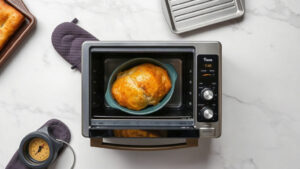
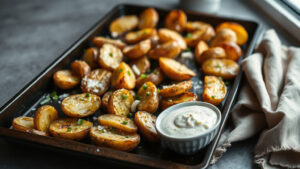
To reheat restaurant leftovers in a toaster oven without drying them out, set the temperature between 300°F and 325°F and cover the food loosely with foil — this traps steam and keeps moisture in. Lower heat over a longer time is almost always better than blasting something at 400°F for three minutes. Most leftovers reheat beautifully in 10 to 20 minutes using this method, and you’ll never miss your microwave.
Safety First: Toaster ovens run hot and can cause serious burns — always use oven mitts when handling pans or racks, never line the bottom tray with foil (it can cause overheating or fire), and don’t leave food unattended on high heat settings. Make sure your toaster oven is on a stable, heat-safe surface away from cabinets and walls.
Quick Takeaways Before You Start
- 300°F–325°F is the sweet spot for most restaurant leftovers — low enough to reheat gently, high enough to crisp where you want it
- Covering food with foil for the first half of reheating locks in moisture; remove it at the end if you want a crispy exterior
- A splash of water, broth, or sauce added before covering does a lot of the heavy lifting for dry dishes
- Dense foods like pasta and rice need a little liquid added; thin items like pizza and fries do better uncovered on a rack
- Most leftovers should hit an internal temp of 165°F before eating — a cheap instant-read thermometer is worth having
Why a Toaster Oven Beats a Microwave for Leftovers
Microwaves are fast. Nobody’s arguing that. But they heat unevenly, they turn crispy things soggy, and they have a real talent for making the outside of something scalding while the center stays cold. A toaster oven heats from all sides, more like the original cooking environment — which means your leftover roast chicken or slice of lasagna actually has a fighting chance of tasting like it did the night before.
I’ve been using toaster ovens for reheating for years and the difference is genuinely night and day with certain foods. Pizza especially. And fried things. You get that texture back in a way a microwave just can’t deliver. For more on how toaster ovens handle heat generally, check out reheating food in a toaster oven — there’s a lot of useful context there.
The only real downside is time. A toaster oven takes longer. If you’re fine waiting 15 minutes, you’ll be rewarded.
The General Method That Works for Almost Everything
Here’s the approach I use as a starting point for basically any leftover:
- Preheat your toaster oven to 300°F–325°F
- Put the food in an oven-safe pan or on a rack
- Add a tiny splash of liquid if it’s something that tends to dry out (pasta, rice, meat)
- Cover loosely with foil
- Heat for 10–15 minutes, then check it
- Remove foil for the last 3–5 minutes if you want browning or crisping
Simple. And it works. The foil cover is honestly the most important part — it creates a little steam environment inside the pan that keeps everything from drying out into a sad, tough version of its former self.
A toaster oven baking pan with a rack is genuinely useful here. The rack lifts food off the pan surface so hot air circulates underneath, and you can still catch drips in the pan below. I’ve been using the same one for three years and it’s earned its counter space.
Reheating Specific Restaurant Foods
Not everything reheats the same way. Here’s how to handle the most common takeout situations.
Pizza
Pizza is where toaster ovens really shine. Place a slice directly on the rack (or on a small pan) at 375°F with no foil. Give it about 6–8 minutes. The crust gets crispy again, the cheese melts properly, and it doesn’t go rubbery the way microwave pizza does. No liquid needed. No foil. Just heat.
Pasta and Saucy Dishes
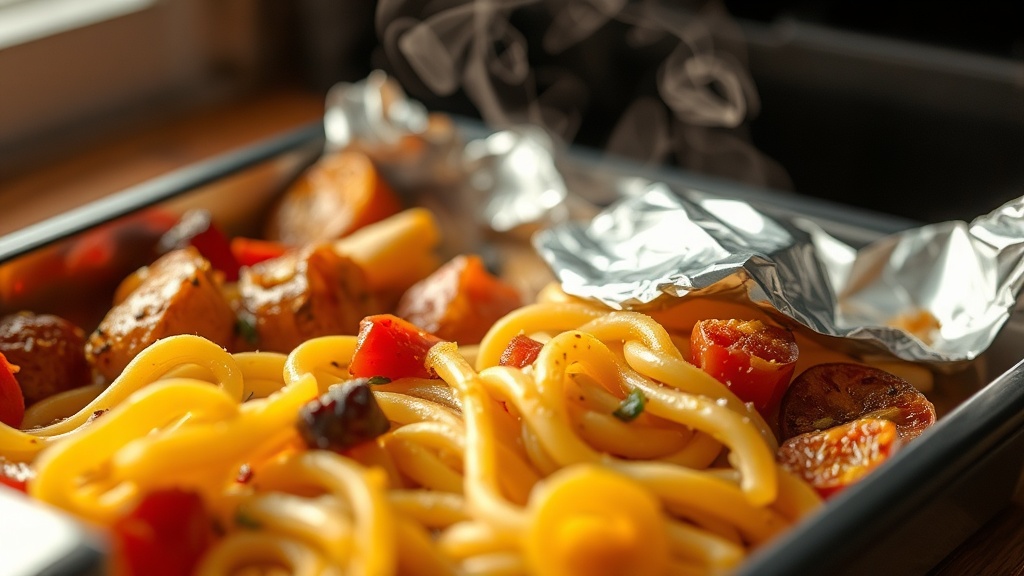
Pasta is one of the trickier ones because the noodles can dry out fast and the sauce can scorch. Put the pasta in an oven-safe dish, add a tablespoon or two of water or extra sauce, stir it a bit, then cover tightly with foil. Heat at 300°F for 15–20 minutes. Check halfway and give it a stir if you can. It’ll come out pretty close to fresh.
Fried Foods (Chicken, Spring Rolls, Fries)
Fried food is probably the biggest win for toaster oven reheating. No foil here — you want dry heat to re-crisp the coating. Use a rack so air gets underneath. Set the temp at 375°F–400°F. Fries take about 5–7 minutes. Fried chicken takes more like 15–20 minutes depending on the piece size. Don’t cover it. Don’t add liquid. Just let the heat do its thing.
Seriously, reheated fried chicken in a toaster oven is good enough to make you forget it’s leftovers. That’s not an exaggeration.
Steak and Grilled Meats
Low and slow is the only way. Steak at high heat goes tough immediately. Set your toaster oven to 250°F–275°F, put the steak on a rack over a pan, add a tiny drizzle of butter or beef broth if it’s looking dry, and cover loosely with foil. Give it 20–25 minutes for a thick cut. Check with a thermometer — you want it hitting around 130°F–135°F for medium-rare. Then pull the foil and give it 2 minutes uncovered. According to Serious Eats, this gentle reheat approach is actually the method most chefs recommend for keeping steak tender.
Chinese and Thai Takeout
Rice-based dishes need liquid. Add a tablespoon of water per cup of rice, cover with foil, and heat at 300°F for 12–15 minutes. Stir-fried dishes with protein reheat okay at 325°F in a covered dish. The vegetables will soften a little more — that’s just the nature of reheating veggies — but it’s still way better than the microwave version. Egg rolls and dumplings go on the rack uncovered at 375°F for about 8 minutes.
Temperature and Time Reference Table
Here’s a quick reference I put together based on what actually works in practice. Times can vary slightly depending on your toaster oven and how cold the food is going in.
| Food Type | Temperature | Time | Cover with Foil? |
|---|---|---|---|
| Pizza (slice) | 375°F | 6–8 min | No |
| Pasta / saucy dishes | 300°F | 15–20 min | Yes |
| Fried chicken | 375°F–400°F | 15–20 min | No |
| French fries | 400°F | 5–7 min | No |
| Steak / grilled meat | 250°F–275°F | 20–25 min | Yes (mostly) |
| Rice dishes | 300°F | 12–15 min | Yes |
| Egg rolls / dumplings | 375°F | 8–10 min | No |
| Lasagna / casseroles | 325°F | 20–25 min | Yes, then uncover |
The Moisture Trick Most People Skip
Adding a little liquid before covering with foil is the single biggest difference between dried-out leftovers and ones that taste intentional. But a lot of people either forget or aren’t sure what to add. Here’s what I use:
- Pasta or grains: water or extra sauce, 1–2 tablespoons
- Meat: a small drizzle of broth, butter, or the original sauce
- Casseroles: a tablespoon of broth or even just water around the edges
- Rice: water only, about 1 tablespoon per cup
You’re not trying to make soup. Just enough moisture that when you seal the foil over the pan, there’s some steam happening. The USDA recommends reheating leftovers to an internal temperature of 165°F for food safety, so checking with a thermometer isn’t overkill — it’s just smart.
One tool worth having is a small stainless wire rack for toaster ovens. It elevates food for better airflow and honestly makes everything crispier without any effort on your part.
What to Do If Your Toaster Oven Runs Hot
A lot of toaster ovens — especially older or cheaper models — don’t run true to temperature. If you set it to 325°F and your food is coming out scorched on top after 10 minutes, it’s probably running 25–50°F hotter than the dial says. That’s really common. You can buy a cheap oven thermometer and just leave it inside to check.
The fix is easy: just dial back the temp by 25°F and check food a few minutes earlier than the recipe suggests. After a few rounds you’ll learn your particular oven’s personality. For recommendations on reliable models that tend to run more accurately, the best mini toaster ovens list has some solid options.
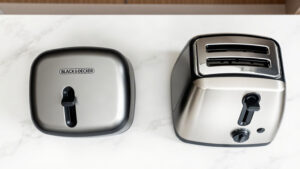
And if you’re curious about exactly how hot a toaster gets compared to a toaster oven, that’s worth reading — the difference in max temps matters for what each appliance can actually handle.
Final Thoughts
Reheating leftovers well is one of those small things that genuinely improves daily life a little bit. It’s not complicated. Low heat, a little moisture, foil on top, and patience — that’s 90% of it. The toaster oven just happens to be the right tool for the job in a way microwaves rarely are. Once you get the hang of the temperatures for the foods you actually eat, it becomes second nature.
The pizza alone is worth it. Trust me on that one.
Frequently Asked Questions
What temperature should I reheat leftovers in a toaster oven?
300°F to 325°F works for most restaurant leftovers, especially anything saucy or dense. Fried foods and pizza do better at 375°F–400°F because you want dry heat to re-crisp the exterior. Delicate meats like steak should go lower, around 250°F–275°F, to avoid toughening.
How do I reheat food in a toaster oven without drying it out?
Cover the food loosely with aluminum foil and add a small splash of water, broth, or sauce before sealing — this traps steam and keeps moisture in during reheating. Remove the foil for the last few minutes only if you want a crispy or browned top. This method works for pasta, rice, meat, and casseroles.
How long does it take to reheat leftovers in a toaster oven?
Most restaurant leftovers take 10 to 20 minutes in a toaster oven at 300°F–325°F. Thin items like pizza slices reheat in 6–8 minutes at higher heat, while thicker cuts of meat or layered dishes like lasagna can take 20–25 minutes. Always check with a food thermometer — 165°F internal temp is the target.
Can I use aluminum foil in a toaster oven to reheat food?
Yes, foil is safe to use in a toaster oven when placed loosely over a pan — it’s actually one of the best ways to keep food from drying out. Never line the bottom tray or drip pan with foil though, as this can block airflow and potentially cause overheating or fire. Keep foil away from the heating elements at all times.
Is it safe to reheat takeout containers in a toaster oven?
Most takeout containers — plastic, foam, and even some cardboard ones — are not safe for toaster oven use and can melt, warp, or catch fire. Always transfer food to an oven-safe pan, dish, or foil before reheating. Glass, ceramic, and metal pans are all fine.
—
Written by
Emma founded Toastera to turn vague appliance advice into clear, researched, safety-first guidance on toasters and toaster ovens.
Free: the Toaster Oven Cheat Sheet
Get the printable cheat sheet (temps, cook times & safety tips) plus new recipes. No spam, unsubscribe anytime.