
To reheat restaurant pasta in a toaster oven without drying it out, place it in an oven-safe dish, add 2–3 tablespoons of water or extra sauce, cover tightly with foil, and bake at 350°F for 15–20 minutes. The added liquid creates steam inside the foil tent, which keeps the noodles moist instead of rubbery or crusty. Skip the foil or the liquid and you’ll end up with something closer to pasta chips than dinner.
Safety First: Toaster ovens reach 350–450°F and retain heat in their small cavities longer than full-size ovens. Always use oven-safe dishes (no plastic, no wax-coated containers). Use dry oven mitts — steam will escape when you lift the foil, and it burns fast. Keep the toaster oven on a heat-resistant surface and never leave it unattended while heating food covered in foil.
Quick Facts Before You Start
- Reheat temperature: 350°F (bake or convection bake setting)
- Time: 15 minutes for a single portion, up to 20–22 minutes for a larger restaurant-sized box
- Always add liquid: 2–3 tablespoons of water, broth, or extra sauce per serving
- Cover tightly with foil the entire time, or uncover only for the last 2–3 minutes if you want a slightly baked top
- Pasta with cream or cheese sauces needs slightly less liquid added than tomato-based ones
Why Toaster Ovens Tend to Dry Pasta Out (And What Actually Fixes It)
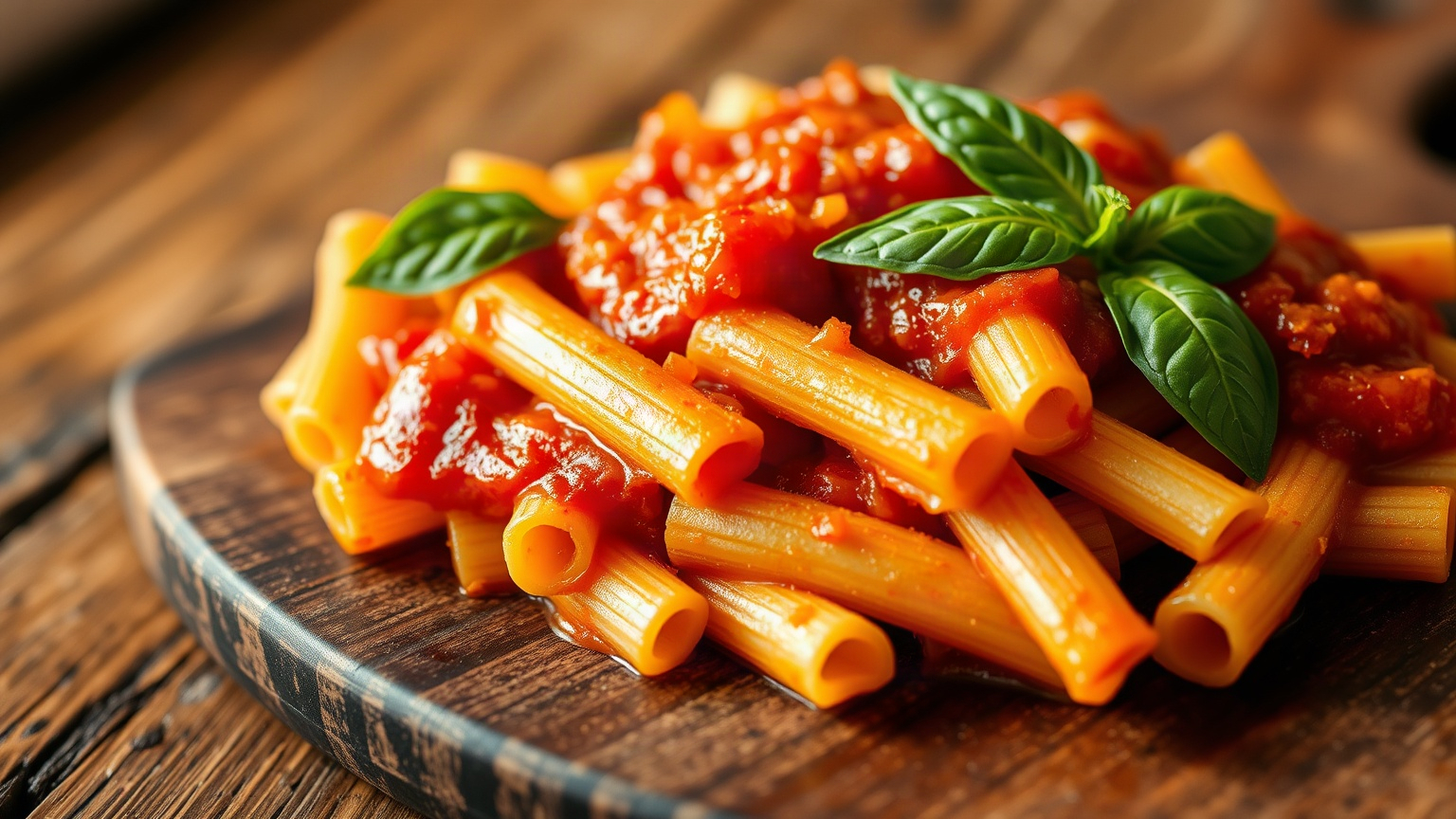
The problem isn’t the toaster oven itself. It’s the exposed surface area and low moisture. A toaster oven’s heating elements — usually top and bottom — radiate heat directly, and that’s great for toast but punishing for pasta that’s already had its moisture cooked out once. The noodles are porous. They’ll keep absorbing whatever liquid remains in the sauce, and then once that’s gone, they start to dry and tighten.
The first time I reheated leftover restaurant penne in my toaster oven, I just popped it in uncovered at 375°F for 10 minutes and called it dinner. It was… not good. The edges turned slightly crispy, the sauce had separated into an oily puddle, and the noodles in the middle were oddly chewy. Lesson learned the hard way.
Covering with foil traps steam. That steam is what keeps the interior temperature gentler and more humid — think of it like a tiny, contained braise. Add a splash of liquid before you seal the foil and you’ve basically created a micro steam environment inside the dish. It works consistently, and it works well.
For more on how different reheating food in a toaster oven scenarios play out, that guide covers a lot of ground — but pasta has its own specific quirks worth spelling out here.
Step-by-Step: How to Reheat Restaurant Pasta in a Toaster Oven
What You’ll Need
You don’t need much. An oven-safe baking dish — ceramic, glass, or metal — that fits inside your toaster oven. Aluminum foil. And about 2–3 tablespoons of water, chicken broth, or extra marinara depending on what type of pasta you’ve got.
That’s genuinely it. Don’t overthink this.
The Method
- Step 1: Preheat your toaster oven to 350°F on the bake setting. If yours has a convection bake option, that works too — it’ll circulate heat more evenly and may shave 2–3 minutes off the time.
- Step 2: Transfer the pasta from the takeout container into your oven-safe dish. Spread it out loosely — don’t pack it into a tight mound.
- Step 3: Add your liquid. For one serving (roughly 1–1.5 cups of pasta), use 2 tablespoons of water. For a larger restaurant portion — say, 3 cups — go with 3 tablespoons. Drizzle it over the pasta, not just around the edges.
- Step 4: Cover tightly with aluminum foil. Press it down around the edges of the dish so steam can’t escape easily.
- Step 5: Bake for 15 minutes. Check it — stir gently with a fork and taste a noodle from the center of the dish. If it’s still cold in the middle, recover and bake another 3–5 minutes.
- Step 6 (optional): Want a slightly baked, bubbly top on your pasta? Remove the foil for the last 2–3 minutes. This is especially good with baked ziti or anything with cheese on top.
Internal temperature should hit 165°F if you want to be precise about food safety. The USDA recommends that for reheated leftovers. A cheap instant-read thermometer makes this a non-issue.
How Different Pasta Types Change the Approach
Not all restaurant pasta reheats the same way. The sauce matters. A lot.
Tomato-Based Pasta (Marinara, Pomodoro, Arrabbiata)
These reheat beautifully in a toaster oven. Tomato sauce holds moisture well and re-emulsifies with a splash of water. Use 2–3 tablespoons of water per serving, cover tight, and you’re in good shape at 350°F for 15 minutes. This is the easiest category.
Cream and Butter Sauces (Alfredo, Carbonara, Cacio e Pepe)
Trickier. Cream sauces tend to separate when reheated — the fat breaks from the liquid and you end up with greasy noodles sitting in a watery puddle. To counter this, use a smaller amount of liquid (just 1 tablespoon of whole milk or cream instead of water), and keep the temperature at 325°F instead of 350°F. Lower and slower is better here. Also stir it once halfway through if you can without losing all the steam.
Honestly? Carbonara is the one I’d just reheat on the stovetop with a tiny splash of pasta water. The toaster oven version is acceptable but not as good. I’ll admit that.
Baked Pasta (Lasagna, Baked Ziti, Pasta al Forno)
This is where the toaster oven actually shines. Baked pasta reheat at 350°F, covered with foil for 18–20 minutes, then uncovered for 3–4 minutes to get the cheese on top bubbly again. Better than a microwave by a wide margin. The structured layers hold their shape and the cheese actually melts properly instead of turning into a rubbery disc.
Oil-Based Pasta (Aglio e Olio, Pesto)
These dry out fastest because there’s no water-based sauce retaining moisture. Add 2 tablespoons of warm water and a small drizzle of olive oil before covering. 350°F for 12–14 minutes is usually enough — these pasta dishes tend to be lighter and reheat faster. Pesto, specifically, should stay covered the whole time. Heating pesto uncovered turns it brown and bitter.
Toaster Oven vs. Other Reheating Methods: A Honest Comparison
The toaster oven is not always the fastest option, but for texture and evenness it’s genuinely hard to beat for larger portions. Here’s how the methods actually stack up:
| Method | Time | Texture Result | Best For | Main Drawback |
|---|---|---|---|---|
| Toaster Oven (350°F, foil) | 15–20 min | Excellent — moist, even | Baked pasta, larger portions | Slower than microwave |
| Microwave (covered, splash of water) | 2–3 min | Good — can be uneven | Single servings, quick lunch | Uneven heating, can get rubbery |
| Stovetop (sauté with splash of water) | 5–8 min | Very good — best for loose pasta | Tomato/oil-based pasta | Needs active attention, can stick |
| Full-size oven | 20–25 min | Excellent | Large family portions | Wastes energy for small amounts |
| Toaster oven (uncovered, no liquid) | 10 min | Poor — dry, crusty edges | Nobody. Don’t do this. | Dries pasta out badly |
For single-serve portions, the microwave with a cover and a splash of water is genuinely fine and much faster. I use the toaster oven when I’ve got a full restaurant portion — say, the pasta dish that was clearly sized for two people — because the microwave struggles to heat that volume evenly. For more on how toaster ovens handle different foods, that breakdown is worth a read if you’re using yours for more than just toast.
Edge Cases Worth Knowing About
Pasta Stored More Than 3 Days
The USDA says cooked pasta is safe for 3–5 days in the fridge. After day 3, the noodles have absorbed a lot of sauce and become soft and dense. They’ll reheat fine, but expect them to be a bit mushier than day-one leftovers. No amount of technique fixes pasta that’s just been sitting too long — that’s the honest answer.
Frozen Restaurant Pasta
This one the other guides mostly skip. If you’ve frozen a restaurant pasta dish, don’t try to reheat it from frozen in a toaster oven — the outside will overcook before the center thaws. Defrost it in the fridge overnight first, then follow the standard method. Or microwave it partially (2 minutes, stir, 1 more minute) just to thaw it, then transfer to the toaster oven for the proper reheat. Sounds fussy but it’s worth the 25 extra minutes.
Pasta With Proteins (Chicken, Shrimp, Sausage)
If the restaurant pasta has shrimp in it, the toaster oven is not your best friend. Shrimp overcooked once is already a little rubbery — cook it again at 350°F for 20 minutes and it’ll be unpleasant. Pick the shrimp out, reheat separately in a skillet for 60 seconds, and add back in at the end. Chicken and sausage handle the toaster oven just fine and often benefit from the gentle reheating.