To convert a conventional oven cookie recipe to a toaster oven, reduce the temperature by 25°F and start checking for doneness about 3–5 minutes earlier than the recipe says. Toaster ovens run hotter and cook more unevenly than full-size ovens because the heating elements are much closer to the food. Get those two adjustments right and your cookies will come out just as good — honestly, sometimes better, with crispier edges.
Safety First: Toaster oven heating elements get extremely hot and are positioned close to the food. Never leave cookies unattended during baking — sugar-based doughs can scorch fast. Always use oven mitts rated for high heat, keep the crumb tray clean to prevent grease fires, and make sure your toaster oven is on a heat-safe, non-flammable surface with at least 4 inches of clearance on all sides.
Key Takeaways
- Drop the temperature by 25°F from whatever your recipe says (so 375°F becomes 350°F, 350°F becomes 325°F).
- Start checking cookies 3–5 minutes before the recipe’s minimum time — a toaster oven can overcook the bottoms fast.
- Use light-colored, light-aluminum toaster oven baking pans — dark pans plus close heating elements equals burnt bottoms.
- The middle rack position matters more in a toaster oven than it ever does in a full-size oven.
- Small-batch baking (6–9 cookies at a time) actually works in your favor here — less crowding, more even heat.
Why Toaster Ovens Behave Differently From Regular Ovens
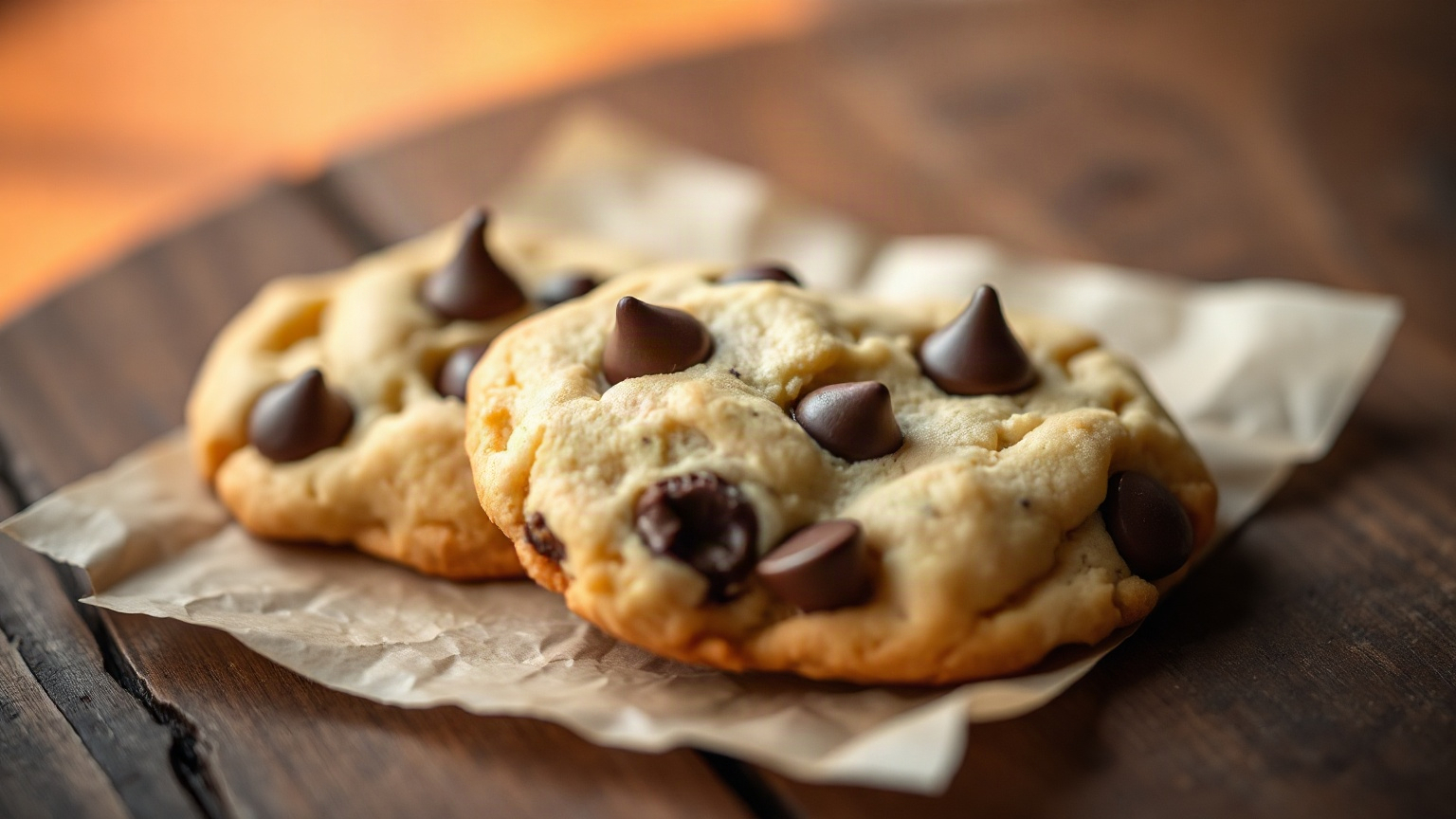
The heating elements in a toaster oven sit maybe 3–4 inches from your food. In a standard oven, you’ve got a foot or more of air space acting as a buffer. That proximity is the whole reason you need to adjust anything at all. The heat hits more directly and more intensely, even when the thermostat reads the same temperature.
There’s also the size factor. A smaller interior heats up faster and holds heat more aggressively, so even if your toaster oven says it’s at 350°F, it’s often running slightly hot — sometimes 10–25°F above what the dial claims. I keep a cheap oven thermometer inside mine at all times. It’s the single most useful thing I’ve done for my toaster oven baking. First time I checked, my oven was running 18°F hotter than the setting. That explained a lot of batches I’d written off as “user error.”
Convection fans complicate things further, but we’ll get there.
The Exact Temperature and Time Conversion Formula
Here’s the conversion I use every time, and it works across most drop cookies, roll-and-slice cookies, and bar cookies:
Temperature
Subtract 25°F from the recipe temperature. Always. If a recipe calls for 375°F, set your toaster oven to 350°F. If it calls for 325°F (common for chewy cookies), go 300°F. Don’t skip this step even if you think your toaster oven runs “normal” — they rarely do.
Time
Take the recipe’s minimum bake time and subtract 3 minutes. That’s your first check point. Open the oven, look at the edges. For most cookies, you want the edges set and lightly golden, with the center still looking just slightly underdone. They’ll continue cooking on the hot pan after you pull them.
So for a recipe that says “bake 10–12 minutes,” your first check is at 7 minutes. You’ll probably pull them around 8–9 minutes. That’s been my consistent experience with chocolate chip cookies, snickerdoodles, and most peanut butter-based recipes.
If Your Toaster Oven Has a Convection Setting
Convection adds a fan that circulates air. If you’re using it — and for cookies I usually don’t, because I prefer a chewier center — you need to drop the temperature an additional 25°F on top of the toaster oven adjustment. So now you’re 50°F below the original recipe. Cut your start-check time by another 2 minutes.
Convection is great for thin, crispy cookies like biscotti or wafers. For thick, fudgy brownies or anything you want gooey in the middle, stick to the standard bake setting. That’s my preference. I’ve tested it both ways more times than I care to admit.
Temperature and Time Conversion Quick-Reference Table
| Recipe Temp (Standard Oven) | Toaster Oven Temp (No Convection) | Toaster Oven Temp (With Convection) | Time Adjustment |
|---|---|---|---|
| 300°F | 275°F | 250°F | Check 3–4 min early |
| 325°F | 300°F | 275°F | Check 3–4 min early |
| 350°F | 325°F | 300°F | Check 3–5 min early |
| 375°F | 350°F | 325°F | Check 4–5 min early |
| 400°F | 375°F | 350°F | Check 5 min early |
These are starting points, not gospel. Your specific toaster oven might run hotter or cooler. That oven thermometer I mentioned — get one. Seriously. Serious Eats has written about oven temperature variance and how much it affects baking results, and everything they say applies doubly to toaster ovens.
Pan Choice, Rack Position, and Other Details That Actually Matter
Pan Color and Material
Dark pans absorb more heat. In a full-size oven that’s often fine. In a toaster oven with a heating element a few inches away from your cookies, dark pans will burn the bottoms before the tops are done. Use light-colored aluminum pans. That’s not a preference, it’s just physics. I burned three batches of shortbread before I figured that one out.
Also, make sure your pan actually fits your toaster oven without touching the sides. Air needs to circulate. If the pan is wedged wall-to-wall, one side will be overdone and the other underdone. Most toaster ovens fit a quarter-sheet pan (9×13 inches) pretty comfortably — check your model’s interior dimensions before you buy a new one. Here are some toaster oven-sized quarter sheet pans that work well.
Rack Position
Middle rack, almost always. In my toaster oven, the top rack position puts cookies close enough to the top element that they brown on top before the bottoms are set. The bottom rack does the opposite. Middle is the sweet spot. If your toaster oven only has two rack positions, go lower rather than higher — you can rotate the pan halfway through, but you can’t un-burn a top.
Some best mini toaster ovens have better rack configurations than others — it’s worth checking reviews specifically mentioning baking before you buy one for this purpose.
Parchment Paper or Silicone Mat
Always line your pan. Parchment paper creates a small buffer between the hot metal and your cookie dough. Silicone mats work too, though I find they make the bottoms slightly chewier — which for some cookies (snickerdoodles, yes; thin and crispys, no) is exactly what you want.
Preheating
Preheating
Preheat your toaster oven for at least 10–15 minutes before baking. I know the small size makes it feel like it’s “ready” in 3 minutes, but the interior walls and rack need to stabilize at temperature too. Dropping cold dough into a not-quite-preheated toaster oven is the fastest way to get cookies that spread too much and bake unevenly.
Edge Cases and Situations Most Guides Won’t Tell You About
Bar Cookies and Brownies
Thicker cookie bars are trickier. Because there’s more mass, the outside can look done while the inside is still raw. I drop the temperature an extra 10–15°F beyond the standard toaster oven adjustment and add a loose foil tent over the top halfway through baking. This slows the top browning and gives the center time to catch up. Toothpick test is non-negotiable for bars — a few moist crumbs are fine, wet batter is not.
Frozen Cookie Dough
Baking from frozen in a toaster oven? Add 3–4 minutes back to your adjusted time, not the original recipe time. The toaster oven already cooks faster, so you’re balancing two factors in opposite directions. Starting from adjusted-time and adding back a few minutes is more accurate than starting from the full original recipe time.
High-Sugar or Honey-Based Cookies
Recipes with a lot of sugar, molasses, or honey brown much faster because of caramelization. In a toaster oven this is especially pronounced. For recipes like gingersnaps or molasses crinkles, I’ll drop the temperature 35°F instead of 25°F, and I check early — at the 5-minute mark for a recipe that originally called for 10–12 minutes. The color of the edges is almost meaningless for these cookies since they’re dark to begin with. Go by texture: edges should feel set when you nudge the pan.
If you want more context on how your oven’s actual heat output affects baking, check out Food Network’s guide to convection baking — the principles transfer directly to toaster oven baking.
When Your Toaster Oven Has No Middle Rack
Some compact models only have one rack position. If yours is fixed near the top, shield the bottom of your pan by double-panning — set a second empty pan beneath the one holding your cookies. It adds insulation and slows bottom-browning. Not elegant, but it works. I used this trick for almost a year before I replaced my old toaster oven with one that had adjustable racks. Check out what a good toaster oven wire rack can do for your setup.
And if you’re still unsure whether your toaster oven can handle baking at all, or what its actual heat range is, I’ve written more about how hot a toaster gets versus a toaster oven — different beasts entirely.
A Few Final Thoughts
Toaster oven cookie baking isn’t some complicated workaround. Once you understand that the oven runs hot and the elements are close, the adjustments follow logically. Lower temp. Earlier check. Light pan. Middle rack. Those four things will handle 90% of what trips people up. The other 10% — the frozen dough, the sticky-sweet recipes, the single-rack ovens — you’ll figure out batch by batch.
For what it’s worth, I’ve come to actually prefer making small batches of cookies in my toaster oven. Six to eight cookies at a time means I’m eating them fresh more often, which is the whole point anyway. If you’re also using yours for reheating leftovers and weeknight cooking, you might find my notes on reheating food in a toaster oven useful too — a lot of the same heat dynamics apply.
Get an oven thermometer. Keep notes on what works in your specific machine. And don’t walk away from the oven during the last few minutes of the first test batch. You’ll only make that mistake once.
Frequently Asked Questions
How much do I lower the temperature when baking cookies in a toaster oven?
Lower the temperature by 25°F from whatever the recipe specifies. If your toaster oven has a convection fan and you’re using it, drop an additional 25°F for a total reduction of 50°F. Toaster oven heating elements sit much closer to the food than those in a standard oven, so the effective heat hitting your cookies is higher even at the same thermostat reading.
How long do cookies take in a toaster oven compared to a regular oven?
Most cookies bake 3–5 minutes faster in a toaster oven than the recipe’s stated time. Start checking at 3 minutes before the recipe’s minimum — so for a 10–12 minute recipe, peek at 7 minutes. Pull them when the edges are set and lightly golden; the centers will finish cooking on the hot pan.
Can I use any cookie pan in a toaster oven?
Light-colored aluminum pans work best. Dark nonstick pans absorb extra heat from the nearby elements and can burn cookie bottoms before the tops are done. The pan also needs to fit without touching the toaster oven’s side walls, so check your interior dimensions and use a quarter-sheet pan (roughly 9×13 inches) if it fits.
Do I need to preheat a toaster oven before baking cookies?
Yes, and for longer than you’d think — at least 10–15 minutes. Even though the small interior heats quickly, the rack and interior walls need time to reach a stable temperature. Skipping this leads to cookies that spread too fast and bake unevenly, with overdone edges and raw centers.
Why do my cookies burn on the bottom in a toaster oven?
Burnt bottoms are almost always caused by one of three things: a dark pan, a rack position that’s too low, or a temperature that wasn’t adjusted down from the original recipe. Switch to a light-colored aluminum pan, move to the middle rack, and make sure you’ve reduced the temperature by 25°F. If the problem persists, try double-panning — set an empty pan underneath your cookie pan to add insulation.

Written by
Emma founded Toastera to turn vague appliance advice into clear, researched, safety-first guidance on toasters and toaster ovens.
Free: the Toaster Oven Cheat Sheet
Get the printable cheat sheet (temps, cook times & safety tips) plus new recipes. No spam, unsubscribe anytime.