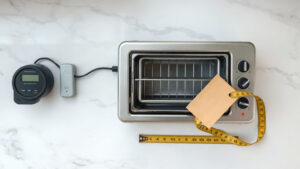
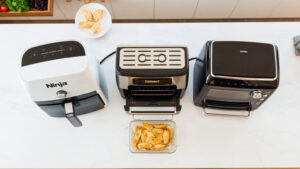
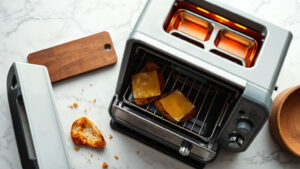
A toaster oven reaches temperatures between 200°F and 450°F using exposed heating elements, while a microwave uses non-ionizing radiation at 2.45 GHz to agitate water molecules in food. Both are genuinely safe for daily use when operated correctly. The real differences come down to fire risk, radiation concerns, and what kind of mistakes are most likely to hurt you.
Safety First: Toaster ovens involve exposed heating elements that can ignite grease, paper, and plastic — never place anything flammable inside, and keep at least 4 inches of clearance on all sides. Microwaves can cause superheating in liquids and arc dangerously with any metal inside. Always use oven mitts when removing items from a toaster oven, and never run either appliance unattended for extended periods.
Quick Facts
- Toaster ovens operate at 200–450°F and use 1,200–1,800 watts; microwaves typically run at 600–1,200 watts for shorter cook times
- Microwave radiation is non-ionizing — it cannot alter DNA or cause radiation sickness, full stop
- Toaster ovens carry a higher fire risk than microwaves, primarily from grease buildup and accidental contact with heating elements
- Microwaves have a superheating risk with liquids, and a metal-arcing risk that toaster ovens don’t share
- For reheating and defrosting, microwaves are faster and lower-risk; for actual cooking and browning, a toaster oven wins on food quality
I’ve had both running in my kitchen for years — a Breville Smart Oven Air Fryer on the counter and a mid-range Toshiba microwave above the stove. I’ve burned crumbs in the toaster oven, accidentally superheated a mug of water in the microwave, and learned things about both the hard way. Here’s the actual picture.
The Fire Risk: Toaster Ovens vs. Microwaves
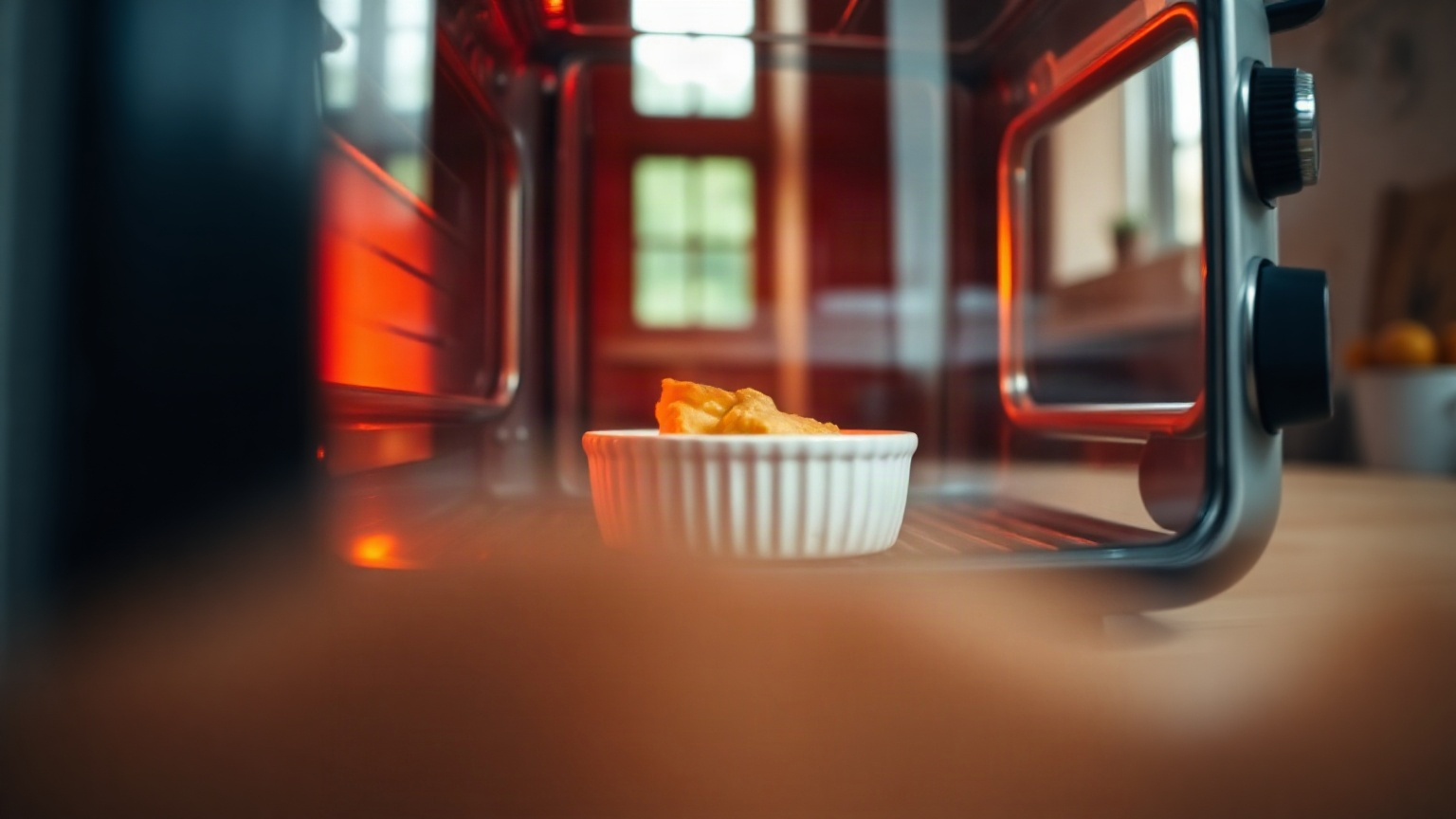
This is where the toaster oven loses points, honestly. The heating elements inside glow red-hot — we’re talking 450°F on the broil setting — and they sit just inches from whatever you’re cooking. If you’ve got crumbs on the bottom tray, a piece of cheese drips, or someone (not naming names) leaves the parchment paper hanging too close to the top element, you’ve got a grease fire waiting to happen.
I learned this the first week I owned my Breville. Set it to broil for some toast, forgot there was residual grease from roasting chicken the night before, and had a small flame situation at 11 PM. Nothing dramatic, but enough to make me clean the crumb tray every single use now.
Microwaves, by contrast, don’t have open flames or red-hot elements. The fire risk is much lower — but it’s not zero. Putting metal in a microwave can cause arcing, which looks terrifying and can damage the interior. Leaving food with very low moisture content (certain chips, crackers, even some dried herbs) in for too long can cause it to overheat and smoke. And food with uneven moisture — think a Hot Pocket — can reach wildly different temperatures in different spots.
Bottom line on fire: toaster ovens require more active attention to cleanliness. Microwaves are more forgiving, but not totally foolproof.
Radiation: What the Microwave Actually Does (and Doesn’t Do)
People still get nervous about microwaves. Understandable — the word “radiation” does a lot of heavy lifting. But microwave ovens emit non-ionizing radiation, which means they don’t have enough energy to knock electrons off atoms or damage DNA. The FDA has regulated microwave leakage standards since 1971, and a functioning, undamaged microwave keeps emissions well below any harmful threshold — even if you stand right next to it.
Toaster ovens don’t emit radiation. They use conventional radiant heat. So if radiation is your concern, the toaster oven wins by default. But that concern, practically speaking, is largely obsolete for modern microwaves in good condition.
The edge case nobody mentions: a microwave with a damaged door seal or a cracked door is a different story. That’s when leakage becomes a real concern. If your microwave door doesn’t close flush, or you can see visible damage to the seal, stop using it until it’s repaired or replaced. I’d say this applies to maybe 5% of microwaves in actual kitchens — but it’s worth checking.
Burn and Injury Risk Day-to-Day
Toaster Oven Burns
The exterior of a toaster oven gets hot. Really hot. Most models hit 150–200°F on the outside surface during use, and the interior is obviously brutal. Reaching in without mitts is an easy mistake — the racks are thin, the space is tight, and your arm brushes the top element before you realize it. I’ve got a small scar on my right forearm to prove this is a real risk, not a theoretical one.
Good silicone oven mitts designed for toaster ovens make a huge difference here. Standard cloth mitts are too bulky for the confined space. Also worth having: a proper non-stick toaster oven baking pan that fits correctly, so you’re not wrestling with an ill-fitting pan near hot elements.
Microwave Burns and Superheating
Microwaves don’t heat evenly. That’s not a flaw, it’s just physics — the waves create hot and cold spots, which is why turntables exist. The practical danger is pulling out food that feels cool on the surface but has a pocket of superheated filling. Bite into a microwaved fruit pie without testing it first and you’ll understand fast.
Superheating of water is also real. If you microwave water in a very smooth container with no impurities, it can heat past boiling without forming bubbles — then violently erupt when disturbed. It doesn’t happen often, but it happens. Putting a wooden stir stick in the cup before microwaving water prevents it entirely.
Steam burns from microwave containers are genuinely common. Always vent plastic wrap and open containers away from your face.
Energy Use and Practical Efficiency
Here’s a comparison that actually matters for daily use:
| Task | Toaster Oven | Microwave |
|---|---|---|
| Reheat a bowl of soup (1 cup) | ~10 min / ~250 Wh | ~2 min / ~40 Wh |
| Reheat a slice of pizza | ~8 min / ~200 Wh | ~1.5 min / ~30 Wh |
| Bake a small chicken breast | ~22 min / ~550 Wh | ~8 min / ~160 Wh |
| Toast bread (2 slices) | ~4 min / ~100 Wh | Not possible |
| Defrost 1 lb ground beef | Not ideal | ~8 min / ~160 Wh |
| Melt butter or chocolate | Not practical | ~45 sec / ~15 Wh |
Toaster ovens use roughly 1,200–1,800 watts but take longer to accomplish most tasks. Microwaves run 600–1,200 watts and finish fast. For most quick reheating, the microwave uses significantly less energy per task. But for anything requiring actual browning, crisping, or baking — a toaster oven gets you somewhere a microwave literally cannot go. Check out more on reheating food in a toaster oven if you’re trying to maximize results from that side.
Which Is Actually Safer for Kids and Older Adults?
This is an edge case the other articles skip, and it matters a lot in real households.
For kids: microwaves are generally safer to let older children operate unsupervised. There’s no hot exterior, no exposed elements, and the main risks (superheating, steam) are avoidable with simple rules. A toaster oven’s hot exterior surface and tight interior space make it a higher burn risk for anyone who isn’t paying full attention. I wouldn’t let anyone under 12 use the toaster oven without supervision, personally.
For older adults: the calculus shifts a bit. Cognitive decline or slower reflexes make both appliances riskier, but the toaster oven’s tendency to smoke and occasionally flame if left unattended is the bigger concern. Many modern toaster ovens — including the Breville Smart Oven Air Fryer — now include auto shutoff features that kick in after a set cook time. That’s genuinely useful for anyone who might forget something’s in there. You can also check out options in our best mini toaster ovens roundup, several of which include auto shutoff as a standard feature.
Microwaves for older adults: the main risk is forgetting the turntable is broken, leading to unevenly heated food that burns on contact. Not a fire hazard, but a real injury risk.
So Which One Should You Actually Use Every Day?
Neither appliance is dangerous if you treat it with basic respect. But they fail in different ways, and your lifestyle determines which failure mode is more likely to catch you out.
If you mostly reheat leftovers and defrost things, the microwave is faster, cheaper to run, and statistically less likely to cause a kitchen fire. It’s the right tool for that job.
If you cook actual food — roast vegetables, crisp up leftovers so they don’t turn into sad soggy messes, bake a small thing — a toaster oven is irreplaceable. The safety requirements are higher (keep it clean, use proper accessories, don’t leave it unattended), but the payoff in food quality is real. A reheated slice of pizza from a toaster oven versus a microwave is not even the same dish.
My actual opinion: most people should have both. But if you’re picking one and safety is the primary concern, a microwave is the lower-maintenance, lower-risk option. If you care about food quality and you’re willing to stay attentive, the toaster oven is the better all-around appliance. The temperatures a toaster oven can reach mean it’s doing something genuinely different from a microwave — not just “similar but hotter.”
According to Serious Eats’ testing, a good toaster oven can genuinely substitute for a full-size oven for most everyday cooking tasks. That’s not nothing.
Frequently Asked Questions
Is microwave radiation dangerous to stand next to?
No — microwave ovens emit non-ionizing radiation, which cannot damage DNA or cause radiation-related illness. The FDA has enforced strict leakage limits since 1971, and a functioning, undamaged microwave keeps emissions well below any harmful level. The one exception: a microwave with a visibly damaged or warped door seal should be repaired or replaced before use.
Can a toaster oven cause a fire?
Yes, a toaster oven can cause a fire if it’s not kept clean and used correctly. Grease buildup, food debris on the heating elements, and paper or plastic accidentally left inside are the primary causes. Cleaning the crumb tray after every use and keeping flammable materials away from the appliance eliminates most of the risk.
Is a toaster oven safer than a microwave for reheating food?
A microwave is generally safer for reheating because it heats quickly, has no exposed elements, and produces no fire risk from grease. Toaster ovens produce better texture when reheating certain foods — crispy items especially — but require more attention and carry a higher burn and fire risk during the process. For straightforward reheating, the microwave wins on safety.
What happens if you put metal in a microwave?
Metal in a microwave causes arcing — visible sparks that can damage the interior walls and potentially start a fire if left unchecked. Thin metals like aluminum foil or gold-rimmed plates are the most common culprits. Stop the microwave immediately if you see arcing, remove the metal item, and inspect the interior for damage before using it again.
How hot does a toaster oven get on the outside?
Most toaster oven exteriors reach 150–200°F on the sides and top during normal operation — hot enough to cause a burn on contact and potentially damage cabinet surfaces above or beside the unit. Always maintain at least 4 inches of clearance on all sides, and never place a toaster oven directly under cabinets without verifying the manufacturer’s clearance requirements.
—
Written by
Emma founded Toastera to turn vague appliance advice into clear, researched, safety-first guidance on toasters and toaster ovens.
Free: the Toaster Oven Cheat Sheet
Get the printable cheat sheet (temps, cook times & safety tips) plus new recipes. No spam, unsubscribe anytime.