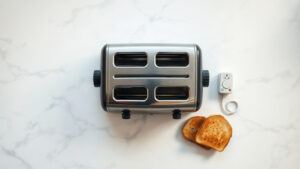
A toaster smells like burning plastic for one of three reasons: it’s new and burning off factory coatings, something like a twist tie or packaging fragment got trapped near a heating element, or there’s an electrical fault developing inside the unit. The first case is normal and disappears after a few uses. The second and third are not normal and can be dangerous — knowing which one you’re dealing with is what this article is about.
Safety First: If your toaster smells like burning plastic and it’s NOT brand new — unplug it immediately and do not use it again until you’ve identified the source. A burning plastic or electrical smell in a used toaster can indicate damaged wiring or a failing component, both of which are fire and shock hazards. Never stick anything metal or your fingers inside a plugged-in toaster to investigate.
Quick Facts: Burning Plastic Smell in Toasters
- Toaster heating elements reach 750°F to 1,100°F during normal operation — hot enough to melt most plastics almost instantly (see how hot a toaster gets).
- New toaster smell from factory coatings typically burns off completely within 2–4 uses.
- A burning smell in a toaster that’s more than a month old is never “normal” — it warrants investigation.
- Melted plastic near a heating element can release toxic fumes including hydrogen chloride (from PVC) and styrene.
- If you see scorch marks on the outside of the toaster or the cord feels warm, stop using it and don’t plug it back in.
The “New Toaster” Smell: What’s Actually Burning
Pull a brand-new toaster out of the box and run it the first time, and that sharp, acrid smell is almost certainly manufacturing residue. Specifically, heating elements get a protective anti-corrosion coating applied at the factory. It burns off the first time you crank the thing up. Some models also have a thin layer of oil on the nichrome wire elements to prevent oxidation during shipping. Neither is dangerous in a well-ventilated kitchen.
I made the mistake once of first-using a new toaster in my apartment with the windows shut in January. Bad call. The smell was genuinely unpleasant for about 20 minutes. Open a window, run the toaster empty on the highest setting for two full cycles, and you’re done. The coating residue is gone. If the smell persists past the third or fourth use, something else is going on.
One thing people miss: the cardboard and foam from the packaging. I’ve seen bits of foam insulation wedged under the crumb tray, completely invisible until they start smoking. Before first use, flip the toaster over and give it a shake. You’d be surprised what falls out.
The Dangerous Causes: When the Smell Means Stop
Melted Plastic Inside the Toaster
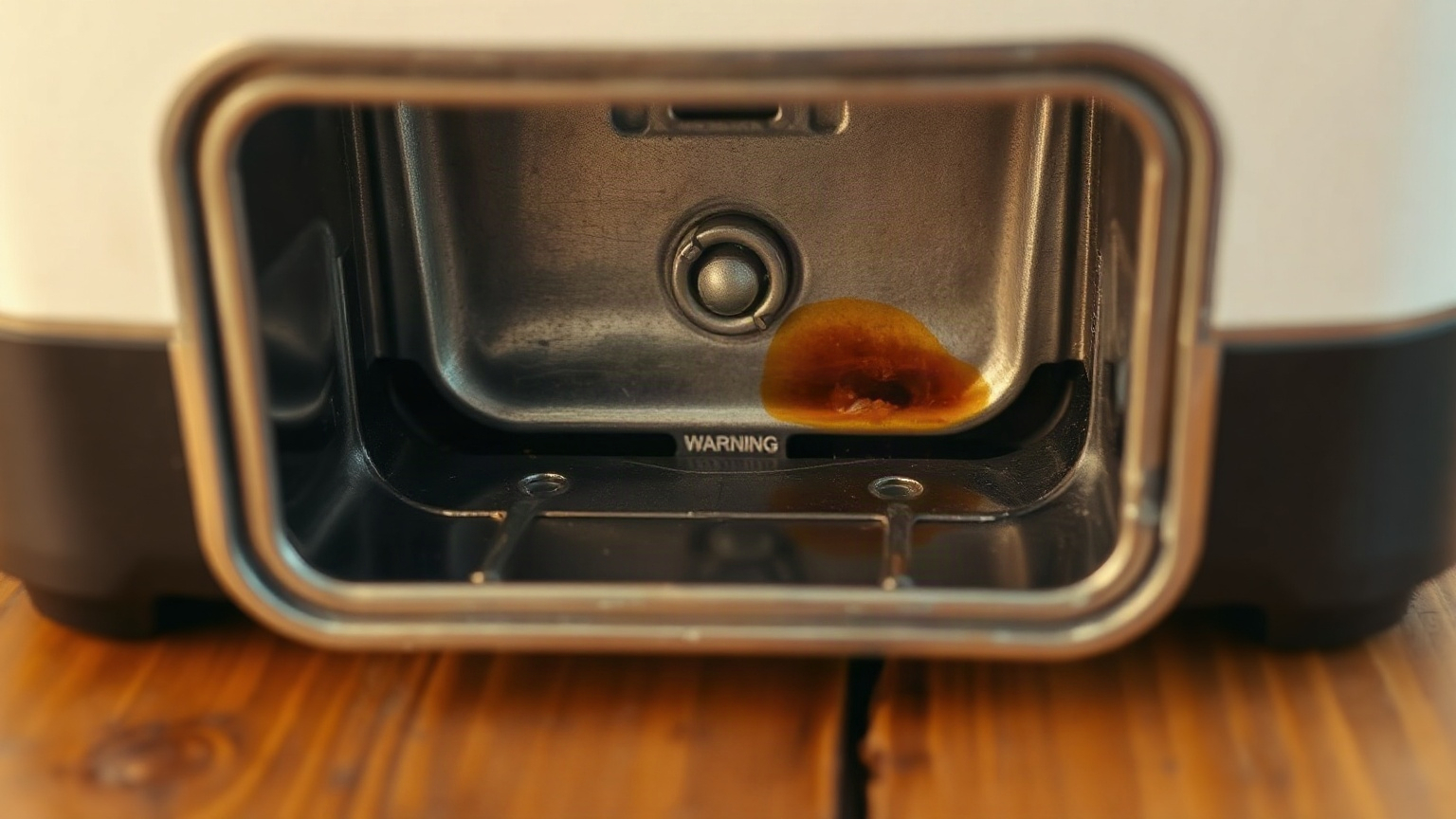
This is the most common non-new-toaster cause. A bread bag clip. A twist tie. The edge of a plastic bread bag that drooped too close. These things fall into toasters constantly, and at 900°F they melt fast and release fumes you really don’t want to breathe. If you catch even a faint smell of melting plastic mid-toast, hit the cancel lever immediately and unplug the unit.
Let it cool completely — at least 30 minutes — before you look inside. Use a flashlight. If you see any melted plastic on the elements or the chassis walls, that toaster needs to be either professionally cleaned (probably not worth it) or replaced. Melted plastic residue on a heating element will continue to burn every single time you use it, and some of those byproducts are genuinely toxic.
Electrical Fault or Failing Components
This one’s more serious. Insulation on internal wiring can degrade over time, especially in older toasters that run hot cycles frequently. When the insulation starts to break down, it smells exactly like burning plastic — because it essentially is. The difference from melted packaging is that the smell tends to be more persistent, sometimes accompanied by a faint crackling sound or the toaster tripping your kitchen’s circuit breaker.
Scorch marks on the cord near where it enters the toaster body are a major red flag. Same with the plug being warm or discolored. This isn’t a clean-it-and-move-on situation. It’s a replace-it situation. Full stop. According to the U.S. Consumer Product Safety Commission, toasters and toaster ovens are among the top kitchen appliances involved in electrical fires.
Accumulated Grease and Food Debris
Technically this smells more like burning food than plastic, but a lot of people describe heavy grease buildup as having a “plastic-y” quality. If you’ve been toasting buttered bread, cheesy bagels, or anything with a fat coating, that residue accumulates on the elements and in the chassis. Over time it carbonizes and smells acrid. Not the same fumes risk as actual melted plastic, but still unpleasant, and the smoke can set off your detector.
Empty and clean the crumb tray every week if you’re a daily toaster user. I know that sounds like overkill, but I’ve seen what happens to crumb trays that get ignored for three months. It’s not pretty and it definitely smells.
How to Diagnose Which Cause You’re Dealing With
Here’s a simple decision tree that actually works:
| Scenario | Likely Cause | Safe to Keep Using? | What To Do |
|---|---|---|---|
| Brand new, first 1–3 uses | Factory coating burn-off | Yes | Run empty on high, ventilate |
| New, smell still there after 4+ uses | Trapped packaging material | Not yet | Unplug, inspect, remove debris |
| Not new, smell appeared suddenly | Melted plastic object | No | Unplug, cool, inspect, likely replace |
| Not new, gradual smell over time | Grease/debris buildup | With caution | Deep clean crumb tray and interior |
| Any age, smell + tripped breaker or warm cord | Electrical fault | Absolutely not | Unplug, do not use again, replace |
What To Do Right Now (Step by Step)
If your toaster smells like burning plastic at this moment, here’s the actual sequence of events that makes sense.
Step 1: Unplug it. Don’t cancel the cycle and walk away — unplug it from the wall. Electrical issues don’t care that the toast cycle is “done.”
Step 2: Wait 30 minutes. The inside of a toaster that just ran a cycle can be over 300°F internally. Rushing this step is how you burn your fingers.
Step 3: Inspect with a flashlight. Look at the elements, the walls, the crumb tray slot. You’re looking for anything that shouldn’t be there — melted material, discoloration, dark spots on wiring.
Step 4: Check the cord. Run your fingers along the full length of the cord (while it’s unplugged). Any stiffness, cracking, discoloration, or warmth at the plug end means the cord is compromised.
Step 5: Make a call. New toaster, no visible issues, smell was faint? Probably fine — run it empty outside or next to an open window and see if it clears. Any visible damage, melted material, or cord issues? Replace it. A new decent 2-slice toaster costs $25–40. That’s not worth risking a kitchen fire over.
The Edge Case Nobody Mentions: Toaster Oven Interior Coatings
Here’s something the other articles don’t get into. Toaster ovens — especially models with non-stick interior coatings — have their own version of this problem, and it’s distinct from what happens in a pop-up toaster. Many toaster ovens ship with a polytetrafluoroethylene (PTFE) coating on the interior cavity. That coating, when overheated past about 500°F, starts to off-gas in ways that are actually concerning — particularly for birds, which have extremely sensitive respiratory systems.
If you have a pet bird in your home and you run a toaster oven on broil for the first time, move the bird to another room first. Not kidding. This isn’t a scare tactic; it’s just accurate information about how PTFE behaves under high heat. For humans, the risk at normal toaster oven temperatures is low, but if your toaster oven is smoking heavily on first use, check whether the interior has a non-stick coating and read the manual for the recommended initial seasoning process — most specify running it empty at 400°F for 15 minutes with good ventilation before cooking food.
If you’re shopping for a replacement and want to avoid this entirely, look for a toaster oven with a stainless steel interior — no coating to burn off, and easier to wipe clean anyway. My personal preference, for what it’s worth. Check out our list of best mini toaster ovens if you’re looking at replacements; a few of them specifically have bare stainless interiors.
When to Just Replace the Toaster
I’ll be direct: most toasters aren’t worth repairing. The parts cost nearly as much as the appliance, and internal wiring work on a heating appliance is not a DIY job unless you’re actually an electrician. If your toaster is more than 5 years old and is developing electrical smells, replace it.
The exception is a higher-end toaster oven — something like a Breville or a Cuisinart that cost $150 or more. Those might be worth taking to an appliance repair shop if the issue is something simple like a loose connection. But a $30 pop-up toaster that smells like burning wires? Recycle it. There’s a solid post here on reheating food in a toaster oven that might help if you’re switching from a pop-up to a countertop model while you figure out your next purchase.
If you want something reliable, this Cuisinart 2-slice stainless toaster is consistently well-reviewed and doesn’t have the cheap plastic housing that so many budget models use — which reduces the chance of the housing itself warping near the elements over time.
Wrapping Up
A burning plastic smell from a new toaster is, genuinely, usually fine. Run it empty a couple of times with the window open and it’ll sort itself out. But the same smell from a toaster you’ve had for two years is not fine, and treating it like it is fine is how kitchen fires start. The cord check and the visual inspection take five minutes. Worth doing before you write it off as “probably nothing.”
The difference between a normal first-use smell and an electrical fault smell is mostly context — and once you know what to look for, it’s not hard to tell them apart. Trust your nose. If something smells wrong after the first few uses, it probably is wrong.
Frequently Asked Questions
Is it normal for a new toaster to smell like burning plastic?
Yes, for the first 2–4 uses it’s normal — factory protective coatings on heating elements burn off the first time the toaster reaches full operating temperature. The smell should fade significantly after the first use and be completely gone by the third or fourth. If it persists beyond that, unplug the toaster and inspect it for trapped packaging materials or debris.
How hot does a toaster get inside?
Toaster heating elements reach between 750°F and 1,100°F during a normal toast cycle. The air temperature inside the slot is lower — roughly 300°F to 450°F — but the elements themselves are hot enough to melt most common plastics in seconds. This is why even a small piece of plastic bag near the slot can produce strong fumes quickly.
Can a burning plastic smell from a toaster be toxic?
It can be, depending on what’s burning. PVC plastics (like some bread bag clips) release hydrogen chloride gas when melted. Polystyrene foam releases styrene. Neither is something you want to inhale in a small kitchen. If the smell is strong or persistent, ventilate the space immediately and don’t continue using the toaster until you’ve identified and removed the source.
My toaster smells like burning plastic but I can’t see anything wrong — what should I do?
Unplug it and let it cool completely, then use a flashlight to check the interior — look specifically at the underside of the elements and the area just above the crumb tray, where small debris tends to collect. If the toaster is more than a year old and you can’t find any physical cause, the smell may be from degrading internal wire insulation, which isn’t visible without disassembly. In that case, don’t continue using it.
Is it safe to leave a toaster plugged in all the time?
Most manufacturers actually advise unplugging toasters when not in use — it’s in the fine print of a lot of manuals. Toasters can cycle power to keep elements warm (in some models), and a crumb buildup near a powered element is a low-grade fire risk even when you’re not actively toasting. The habit of unplugging it after use is a simple one and worth building, especially if your toaster is older or has ever had any burning smells.

Written by
Emma founded Toastera to turn vague appliance advice into clear, researched, safety-first guidance on toasters and toaster ovens.
Free: the Toaster Oven Cheat Sheet
Get the printable cheat sheet (temps, cook times & safety tips) plus new recipes. No spam, unsubscribe anytime.