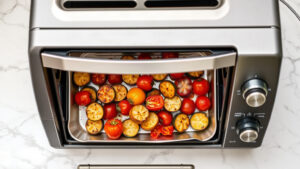
For small meals, an air fryer uses significantly less electricity than a full-size oven — typically drawing 1,400–1,700 watts versus an electric oven’s 2,000–5,000 watts, and it preheats in about 3 minutes instead of 15–20. A toaster oven sits in the middle, running around 1,200–1,800 watts but with a larger usable cavity. Over the course of a week of daily cooking, the difference adds up to a few dollars — not dramatic, but real and consistent.
Safety First: All three appliances — air fryers, toaster ovens, and full-size ovens — generate significant heat and draw high electrical current. Never run any of these on an extension cord or a shared circuit with other high-draw appliances. Keep air fryers and toaster ovens at least 6 inches from walls and cabinets, and never leave them unattended when cooking fatty foods that can splatter and smoke. If your outlet feels warm to the touch after use, stop using it and have an electrician check the circuit.
Quick Facts: Air Fryer vs Toaster Oven vs Full-Size Oven
- A full-size electric oven draws 2,000–5,000 watts and takes 15–20 minutes to preheat — even for a single chicken breast.
- Air fryers typically run at 1,400–1,700 watts and reach cooking temperature in 2–4 minutes, with little to no preheating needed for most foods.
- Toaster ovens average 1,200–1,800 watts and preheat in 5–8 minutes — a solid middle ground for small batches.
- For meals serving 1–2 people, an air fryer or toaster oven can cut cooking energy costs by 50–75% compared to a full-size oven.
- Combo air fryer toaster ovens (like the Breville Smart Oven Air Fryer or Cuisinart TOA-70) give you both functions and are often the most flexible option for small kitchens.
The Real Cost Difference: Let’s Talk Wattage and Time
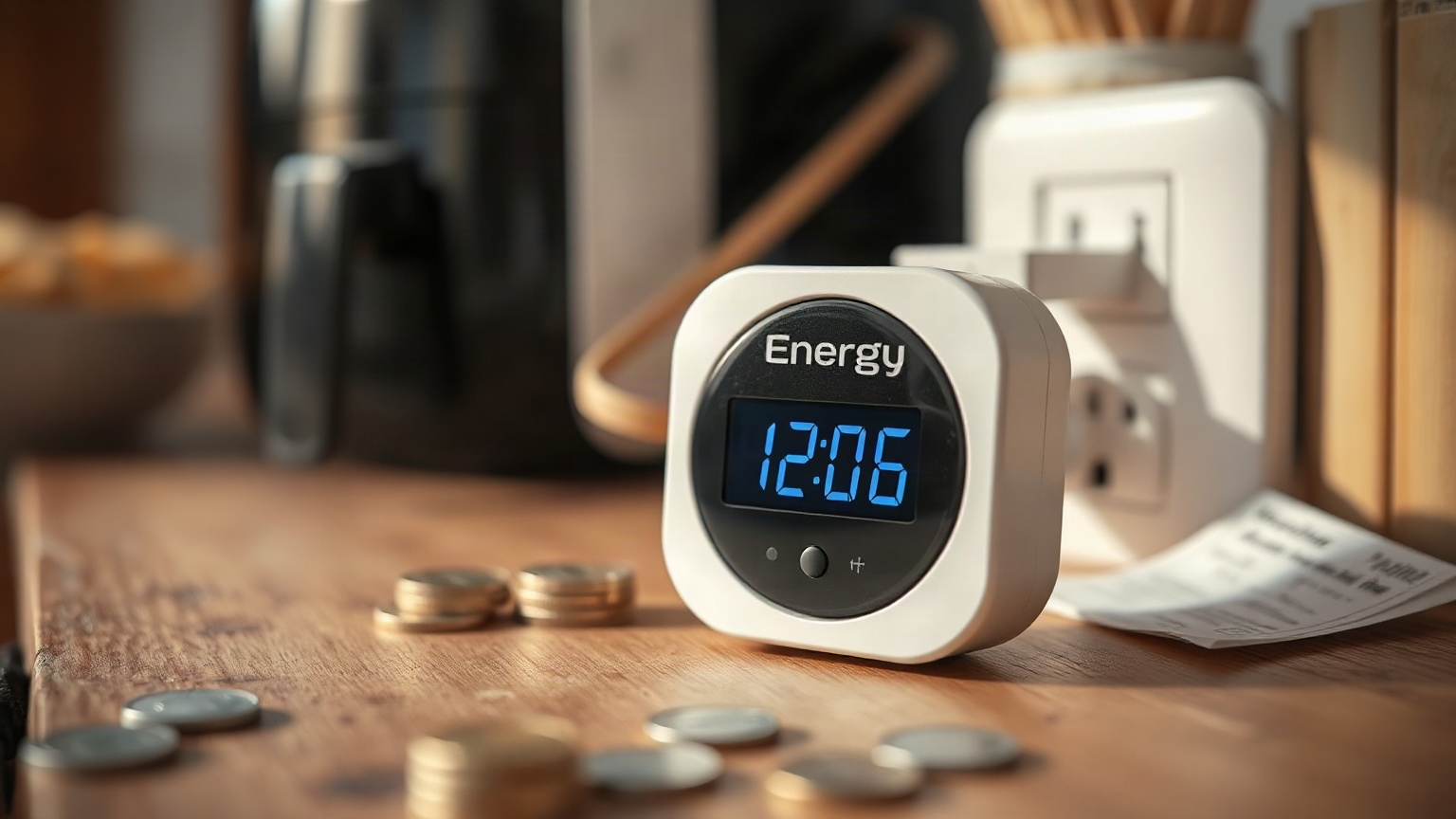
Wattage alone doesn’t tell the whole story. What matters is wattage multiplied by how long the thing actually runs — that’s your kilowatt-hours (kWh), which is what your electricity bill charges you for. In the US, the average residential electricity rate hovers around 16 cents per kWh, though it varies a lot by state.
Here’s a concrete example. Say you want to roast some vegetables — 400°F, about 25 minutes of actual cook time.
A full-size electric oven at 3,500 watts, running 35 minutes total (including preheat): roughly 2.04 kWh, or about 33 cents per session. An air fryer at 1,500 watts, running 27 minutes total (3 min preheat, 24 min cook): roughly 0.68 kWh, or about 11 cents. A toaster oven at 1,500 watts, running 30 minutes total: roughly 0.75 kWh, or about 12 cents.
Per session, the savings look modest. But if you’re cooking one or two small meals every single day, you’re looking at around $65–$80 per year in savings by using a smaller appliance instead of your full oven. Not life-changing, but it’s real money — and that’s before factoring in that your kitchen stays cooler in summer, which matters if you run air conditioning.
Appliance-by-Appliance Breakdown
Full-Size Oven
The full-size oven is the most expensive option for small meals, full stop. It’s a large cavity heating a large volume of air — and most of that energy goes to waste when you’re cooking a single salmon fillet or a tray of four cookies. Gas ovens are cheaper to run than electric in most markets, but they still waste heat the same way.
I still use my full-size oven for big roasts, sheet pan dinners for four, and anything that needs multiple racks. But for anything smaller than that, I stopped using it almost entirely once I got a good countertop option. The 20-minute preheat killed me — I’d forget about it and the thing would just sit there, hot, doing nothing, burning money.
Air Fryer
Air fryers win on speed and energy for small, single-serving or double-serving meals. The basket design is efficient — hot air circulates tightly around food, so you get browning and crispness faster than an oven. That speed is where the energy savings actually come from. Less time running = less electricity used.
The limitation is capacity. Most standalone air fryers — your typical 5–6 quart basket models from Ninja or Cosori — can handle a pound of chicken wings, some fries, two portions of salmon. Push past that and food starts steaming instead of crisping because there’s no room for air to circulate. I’ve made that mistake with Brussels sprouts. Crowded basket. Sad, soft results.
For reheating leftovers, honestly? reheating food in a toaster oven or an air fryer both beat a microwave for texture, but the air fryer is faster. Pizza at 350°F for 4 minutes comes out with an actually crisp crust. I’m not going back.
Toaster Oven
Toaster ovens are underrated. They’ve been around forever and people think of them as just glorified bread warmers, but a decent toaster oven — something like the Breville BOV450XL or even a well-built Hamilton Beach model — can roast, bake, broil, and toast without consuming as much power as a full oven. The cavity is smaller so it heats faster and holds temperature more efficiently for small loads.
The thing I actually prefer about toaster ovens over basket-style air fryers is that they can handle a wider variety of food formats. A small casserole dish fits. A toaster oven baking pan with four chicken thighs fits. You can use a toaster oven wire rack and get airflow on multiple sides. It’s just a more versatile setup for someone who actually cooks varied meals.
For baking specifically — muffins, small batches of cookies, a single loaf of banana bread — a toaster oven is the right tool. Air fryers aren’t great at baking because the airflow is aggressive and dries out delicate batters.
Model Comparison: Combo Air Fryer Toaster Ovens vs Standalone Options
If you’re trying to replace both an air fryer and a toaster oven with a single appliance, combo units are worth a hard look. Here’s how the main contenders stack up.
| Model | Type | Wattage | Capacity | Best For | Price Tier |
|---|---|---|---|---|---|
| Breville Smart Oven Air Fryer | Combo Toaster/Air Fryer | 1,800W | Large (0.8 cu ft) | Versatility, baking, air frying | Premium |
| Cuisinart TOA-70 | Combo Toaster/Air Fryer | 1,800W | Large (0.6 cu ft) | Small families, frequent use | Mid-range |
| Ninja Foodi Digital Air Fry Oven | Combo Toaster/Air Fryer | 1,800W | Extra Large | Sheet pan meals, large batches | Mid-range |
| Hamilton Beach Sure-Crisp Air Fryer Toaster Oven | Combo Toaster/Air Fryer | 1,500W | Medium | Budget-conscious buyers | Budget |
| Ninja AF101 (standalone air fryer) | Basket Air Fryer | 1,550W | 4 qt basket | 1–2 person quick meals | Budget–Mid |
My honest take: if you’re cooking for one or two people most of the time and counter space is tight, a standalone basket air fryer like the Ninja AF101 is the most energy-efficient and least fussy option. If you cook more varied food — you bake occasionally, you like having a proper tray — the Cuisinart TOA-70 is where I’d put my money. It’s not the sexiest appliance, but it works reliably and doesn’t take up the countertop footprint that the Breville does.
The Breville Smart Oven Air Fryer is excellent, genuinely. But it’s expensive and big. If you have the budget and the counter space, it’s the best performer of the group. If you don’t, you won’t miss what you never had.
For those curious about which smaller countertop ovens perform well overall, our best mini toaster ovens roundup covers a range of sizes and budgets worth checking out.
When the Full-Size Oven Still Wins
I don’t want to make this sound like a clean sweep. There are real situations where the full oven is the right call.
Cooking for four or more people? Use the oven. A 13×9 baking dish of lasagna, a full sheet pan of roasted vegetables, a whole chicken — none of those fit in a basket air fryer, and even the larger combo toaster ovens struggle with true family-sized portions. The efficiency math flips when the countertop appliance has to run two or three batches to do what the oven could’ve done in one.
Also: bread. Real bread baking — anything with steam injection or that needs a Dutch oven — belongs in the full-size oven. The radiant heat dynamics are just different, and I haven’t found a workaround in a countertop appliance that fully replicates it.
According to Serious Eats, the even heat distribution of a full oven remains important for baking projects where temperature consistency across the whole rack matters. That tracks with my experience.
Practical Tips to Cut Cooking Costs Further
A few things I’ve learned from actually paying attention to this stuff:
- Don’t preheat an air fryer for most things. Thin items like fries, fish fillets, and reheated pizza don’t need it. Just add 1–2 minutes to cook time and call it done.
- Batch cooking in the toaster oven is smarter than cooking one item at a time. If you’re roasting carrots, throw in whatever else needs 400°F at the same time.
- Keep the heating elements clean. Grease buildup makes them work harder. A toaster oven with a gunky element draws more energy and takes longer to heat. This is also a fire risk — don’t ignore it.
- If you’re curious about how heat output scales across different appliance types, check out our piece on how hot a toaster gets for some useful context on element temperatures versus actual air temps.
- For energy rates in your area, the U.S. Energy Information Administration publishes state-by-state average electricity prices — worth a look if you want to run the math for your actual bill.
The Bottom Line
For small meals — anything serving one to three people — an air fryer or toaster oven will consistently use less electricity than a full-size oven. The air fryer has the edge on speed and per-session energy use. The toaster oven has the edge on versatility. And the full-size oven is still the right tool for large batches, real baking projects, and anything that simply won’t fit elsewhere.
If I had to give one clear recommendation: get the Cuisinart TOA-70 or something in that class — a mid-range combo air fryer toaster oven — and relegate your full oven to the jobs only it can do. You’ll save energy, cook faster most nights, and probably eat better for it. Crispier vegetables alone are reason enough, honestly.
Frequently Asked Questions
Does an air fryer use less electricity than an oven for small meals?
Yes — significantly less. An air fryer typically draws 1,400–1,700 watts and reaches cooking temperature in 2–4 minutes, while a full-size electric oven draws 2,000–5,000 watts and needs 15–20 minutes to preheat. For a single meal, the air fryer can use 50–70% less energy than the full oven over the same cooking task.
Is a toaster oven more energy-efficient than a regular oven?
Yes, for small to medium loads. A toaster oven heats a much smaller cavity, so less energy is wasted on air that isn’t near your food. It typically uses 1,200–1,800 watts and preheats in 5–8 minutes, compared to a full oven’s longer preheat and higher sustained wattage. For one to three servings, a toaster oven is almost always the more efficient choice.
How much does it cost to run an air fryer every day?
At the US average electricity rate of around 16 cents per kWh, running a 1,500-watt air fryer for 25 minutes costs roughly 10–12 cents per session. Daily use for a full year works out to approximately $36–$44 annually — far less than the equivalent full oven usage for the same meals, which can run $90–$130 per year depending on your oven’s wattage and local rates.
Can a toaster oven replace a full-size oven for everyday cooking?
For one to three people, yes, a toaster oven can handle the vast majority of everyday cooking — roasting, baking, broiling, toasting, and reheating. Where it falls short is large batch cooking: a full sheet pan of food, multiple racks at once, or large roasts. If you regularly cook for four or more, you’ll still need the full oven for certain meals.
What uses more electricity: an air fryer or a microwave?
A microwave typically uses less electricity per minute — most run at 700–1,200 watts versus an air fryer’s 1,400–1,700 watts. But microwaves also run for much shorter times (1–5 minutes versus 15–25 minutes for an air fryer). For simple reheating, the microwave wins on energy. For actually cooking food from raw, the air fryer is better suited to the task and the energy difference per meal is modest.

Written by
Emma founded Toastera to turn vague appliance advice into clear, researched, safety-first guidance on toasters and toaster ovens.
Free: the Toaster Oven Cheat Sheet
Get the printable cheat sheet (temps, cook times & safety tips) plus new recipes. No spam, unsubscribe anytime.