Reheat quiche in a toaster oven at 325°F for 15 to 20 minutes, loosely tented with foil for the first 10 minutes, then uncovered for the last 5. That combination keeps the custard from curdling and lets the crust re-crisp without burning. A whole slice straight from the fridge will be warm all the way through by the 18-minute mark in most machines.
Safety First: Toaster ovens reach high enough temperatures to cause serious burns. Always use oven mitts when removing your quiche or its pan, keep the door cracked slightly when venting steam, and never line the crumb tray or bottom of the oven with foil — it can trap heat and create a fire hazard.
Quick Takeaways Before You Start
- 325°F is the sweet spot — high enough to heat through, low enough to protect the egg custard from turning rubbery.
- Total time: 15 minutes for a single refrigerated slice, up to 25 minutes for a thick wedge or a partially frozen piece.
- Tent with foil first, then uncover — this one step is the difference between a soggy crust and a properly crisp one.
- Room-temperature quiche reheats faster and more evenly than fridge-cold quiche. Pull it out 10 minutes early if you can.
- Do not use the microwave. I know you’re tempted. The texture afterward is genuinely bad.
Why the Toaster Oven Is the Right Tool Here
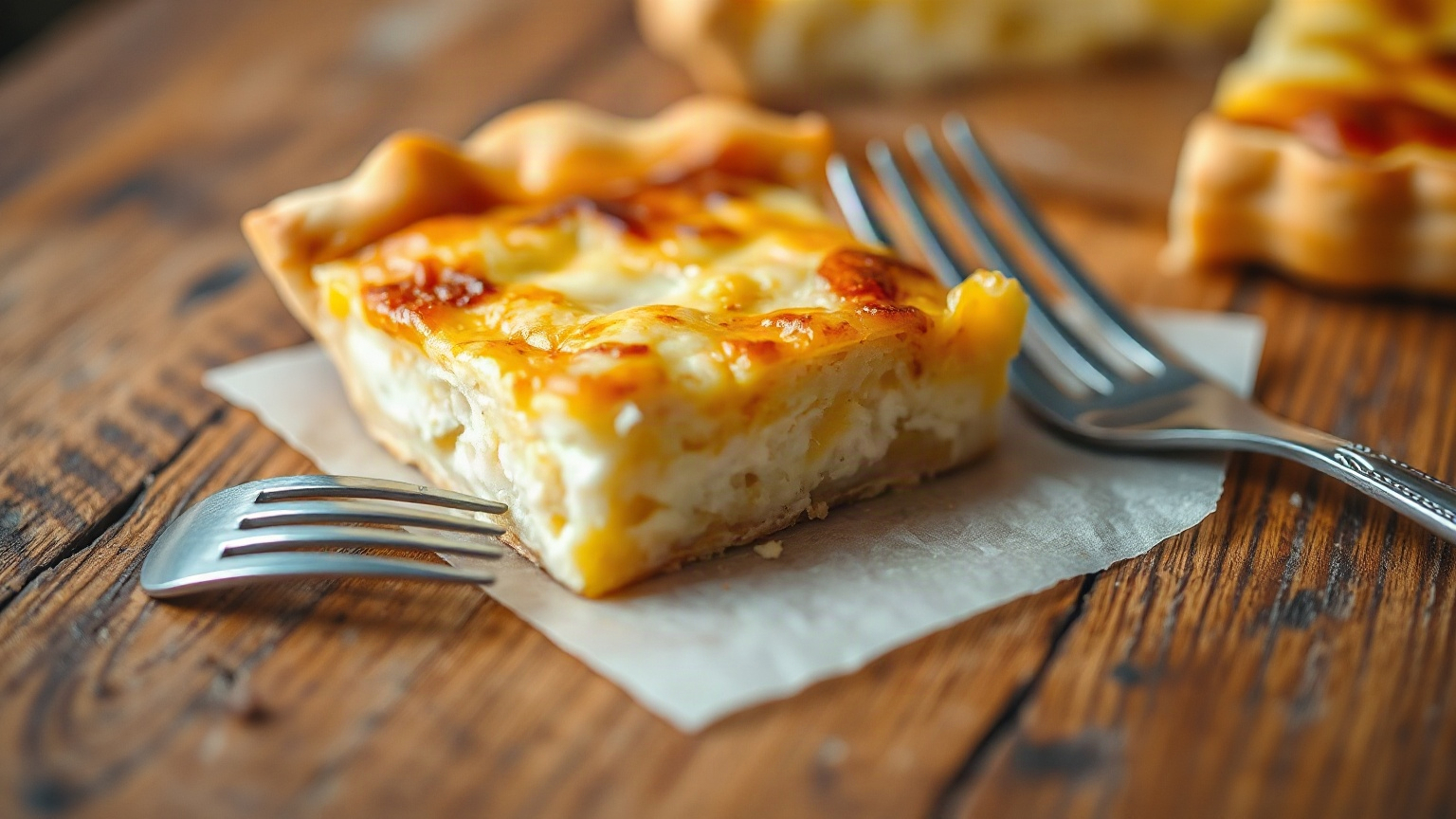
A standard kitchen oven works too, obviously, but preheating a full-size oven for one slice of quiche is wasteful and, honestly, a little ridiculous. The toaster oven gets to temperature fast, the enclosed space holds heat efficiently around a small piece of food, and you can actually see what’s happening through the glass door. I’ve been testing toaster ovens for years, and reheating custard-based dishes is one of the tasks where they genuinely shine compared to both the microwave and the full oven. You get better moisture control and more even browning on the crust edges.
If you’re curious about how reheating food in a toaster oven works in general, I’ve written about that separately. Quiche is a specific case because it’s essentially a baked custard in a pastry shell — two components with very different reheating needs. The crust wants dry, direct heat. The filling wants gentle, even warmth. Those two needs conflict a little, which is why technique matters more here than it does for, say, leftover pizza.
Exact Times and Temperatures: A Breakdown by Situation
I tested this with a store-bought Lorraine-style quiche and a homemade spinach and feta version over the course of a weekend. Both were refrigerated for 24 hours before reheating. Here’s what actually worked.
Single Refrigerated Slice (the most common scenario)
Preheat to 325°F. Place the slice on a small toaster oven baking pan — not directly on the rack, because you’ll lose filling through the grates if the custard softens unevenly. Tent a small piece of foil loosely over the top. Bake 10 minutes with the foil on, then remove the foil and go another 5 to 8 minutes until the top has a little color and the center feels set when you press it very gently with a finger (carefully). Total: about 15 to 18 minutes.
Thick Wedge or Large Slice
Anything over about an inch and a half of filling depth needs more time. Go 15 minutes foil-on, then 8 to 10 minutes uncovered. Check the center with a thin knife — it should come out warm to the touch, not cold. If it does come out cold, add another 5 minutes with the foil back on. Don’t just crank the heat; that’ll cook the outside while the center stays cold.
Partially Frozen or Fully Frozen Quiche
This is the edge case most guides skip entirely. If you froze your quiche and only partially thawed it overnight in the fridge, it’ll still have a cold, semi-firm center. Don’t try to blast through it with higher heat. Instead: 300°F for 20 minutes foil-on, then 325°F for 10 to 15 minutes uncovered. Slow and low at the start, then finish at normal temp. I made the mistake of starting at 375°F with a half-frozen slice once. The edges were hot, the crust was nearly burnt, and the center was still cold. Not great.
Room Temperature Quiche (pulled from fridge 10+ minutes ago)
Fastest option. 325°F, foil on for 8 minutes, foil off for 5 to 6 minutes. Done. The internal temperature has less ground to cover, so the custard heats through before the crust has a chance to over-brown. This is my preferred approach when I’m not in a rush and I remember to pull the quiche out before I turn the oven on.
| Starting Condition | Temperature | Foil-On Time | Uncovered Time | Total Time |
|---|---|---|---|---|
| Single slice, fridge-cold | 325°F | 10 min | 5–8 min | 15–18 min |
| Thick wedge, fridge-cold | 325°F | 15 min | 8–10 min | 23–25 min |
| Partially frozen slice | 300°F → 325°F | 20 min at 300°F | 10–15 min at 325°F | 30–35 min |
| Room temperature slice | 325°F | 8 min | 5–6 min | 13–14 min |
The Foil Tent: Why It’s Not Optional
Skipping the foil tent is the single most common reason reheated quiche comes out rubbery on top and dry at the edges. The foil traps just enough steam to keep the custard surface from drying out while the interior heats up. Then you pull it off at the end so the pastry can crisp and the top gets a little color. It’s not complicated. But it makes a big difference.
One thing I’d add: make sure the foil isn’t touching the top of the quiche. It should dome lightly over it, not sit flat on the surface, or you’ll get moisture dripping back down and making the top of the filling wet. That’s annoying to fix.
I also like to place the pan on a toaster oven wire rack positioned in the middle slot, not the bottom. Bottom rack puts too much direct heat on the crust base, which can get overly dark on a second reheat especially if the crust was already golden.
How to Tell It’s Actually Done
You can’t always go purely by time because toaster ovens vary a lot in actual output even at the same set temperature. (More on that in my piece about how hot a toaster gets.) So here are a few physical cues to check.
- The filling shouldn’t jiggle when you nudge the pan. A properly reheated slice will be set, not wobbly.
- The edges of the crust should look dry and slightly darker than when it went in, not pale and soft.
- If you have an instant-read thermometer, internal temp should be at least 165°F per the USDA food safety guidelines. I know that sounds fussy but it takes five seconds and tells you exactly where you stand.
- Press the center surface gently with the back of a spoon. If it feels firm and springs back slightly, it’s done. If it feels cold or gives too easily, it needs more time.
Mistakes That Make Quiche Rubbery (And How to Avoid Them)
Rubbery quiche is almost always a heat problem. Either too high, too direct, or uneven. Here’s what actually causes it and what to do instead.
Using Too High a Temperature
350°F feels like a logical choice because it’s a common baking temp. But for reheating a custard that’s already been cooked once, it’s a bit much. The proteins in egg start to tighten and expel moisture above around 185°F internally, and at 350°F ambient you can get there fast — especially at the edges. Stay at 325°F. It’s a small difference but it shows up clearly in texture. Serious Eats’ deep dive on quiche explains why egg custard is so sensitive to overcooking, and it’s worth reading if you bake quiche from scratch.
Not Preheating the Toaster Oven
Putting quiche into a cold oven and letting it heat up with the oven means the outside of the quiche is exposed to rapidly rising heat while the inside is still cold. Uneven. Always preheat, even if it feels like an extra step. Most toaster ovens hit temperature in 5 to 8 minutes.
Reheating More Than Once
Every reheat cycle degrades the texture a little. Try not to reheat the same slice twice. If you have a large quiche and you’re eating it over several days, slice it and store the slices separately so you’re only pulling out what you need each time.
A Few Extra Tips Worth Knowing
If your toaster oven tends to run hot (mine does — the top element in my Cuisinart is aggressive on the toast setting), set it to 300°F instead of 325°F and add a couple of minutes. You’ll get the same result without the burnt-crust risk.
Mini quiches and quiche bites reheat faster: 325°F, 8 to 10 minutes, no foil needed unless they’re deep-filled. Keep an eye on them after the 7-minute mark.
Crustless quiche is slightly more forgiving — without pastry to worry about, you can go a touch lower (300°F) and longer. The texture holds better and you don’t have to obsess over the foil timing as much.
And if you’re shopping for a toaster oven that handles tasks like this particularly well, check out my roundup of the best mini toaster ovens. Some smaller machines have hot spots that make even reheating tricky, and it’s worth knowing which ones to avoid.
The Bottom Line
Reheating quiche in a toaster oven isn’t hard, but it rewards a bit of attention. The right temperature is 325°F. The right method is foil first, then uncovered. The right time depends on how thick the slice is and how cold it started — anywhere from 13 minutes for a room-temp slice to 35 minutes for something partially frozen. Check with your senses and a thermometer if you’re unsure. And please, don’t use the microwave. The rubbery texture it produces isn’t worth the three minutes you save.
Frequently Asked Questions
How long to reheat quiche in a toaster oven at 350°F?
350°F works but it’s riskier — the edges and crust can over-brown before the center is fully warm. If you do use 350°F, cut your time down: about 10 to 12 minutes total for a standard slice, with the foil tent kept on for the first 8 minutes. I’d stick with 325°F and an extra few minutes instead; the texture is noticeably better.
Can you reheat quiche in a toaster oven from frozen?
Yes, but plan for more time. Start at 300°F with foil on for 20 minutes, then raise to 325°F and remove the foil for another 10 to 15 minutes. A fully frozen slice needs at least 30 to 35 minutes total. Rushing it with higher heat leaves the center cold while burning the pastry.
What temperature should reheated quiche reach internally?
The USDA recommends reheating egg-based dishes to an internal temperature of 165°F. A standard refrigerated slice of quiche will hit this around the 15 to 18 minute mark at 325°F in a preheated toaster oven. An instant-read thermometer inserted into the center of the filling is the most reliable way to confirm it.
Why does reheated quiche come out rubbery?
Rubbery quiche is almost always caused by overheating — either the temperature was too high or the quiche stayed in too long. Egg proteins tighten and squeeze out moisture when they get too hot, which makes the filling dense and chewy instead of silky. Keeping the temperature at 325°F and using a foil tent for most of the cooking time prevents this.
Is it better to reheat quiche covered or uncovered in a toaster oven?
Both, in sequence. Cover it loosely with foil for most of the reheating time to protect the custard and trap gentle steam, then uncover it for the last 5 to 8 minutes so the pastry crust can re-crisp. Reheating uncovered the whole time dries the filling out; keeping it covered the whole time leaves the crust soft and slightly soggy.

Written by
Emma founded Toastera to turn vague appliance advice into clear, researched, safety-first guidance on toasters and toaster ovens.
Free: the Toaster Oven Cheat Sheet
Get the printable cheat sheet (temps, cook times & safety tips) plus new recipes. No spam, unsubscribe anytime.