Toaster ovens are generally safer than microwaves for everyday use in one specific, practical sense: they don’t emit electromagnetic radiation to heat food. But “safer” covers a lot of ground, and the honest answer is more complicated than that single fact. Radiation aside, toaster ovens run hotter, have exposed heating elements, and cause far more kitchen fires than microwaves do — so the full picture depends entirely on which type of risk you’re thinking about.
Safety First: Toaster ovens reach internal temperatures of 450°F or higher and their exterior walls and door glass can become dangerously hot during use. Never leave a toaster oven unattended while operating, keep flammable materials (paper towels, plastic wrap, cloth) at least 12 inches away, and place the unit on a heat-resistant surface away from upper cabinets. If you smell burning plastic or see smoke, unplug immediately — do not just switch it off.
Quick Facts
- Microwaves use non-ionizing electromagnetic radiation (2.45 GHz) to heat food — current scientific consensus holds this is safe at normal exposure levels.
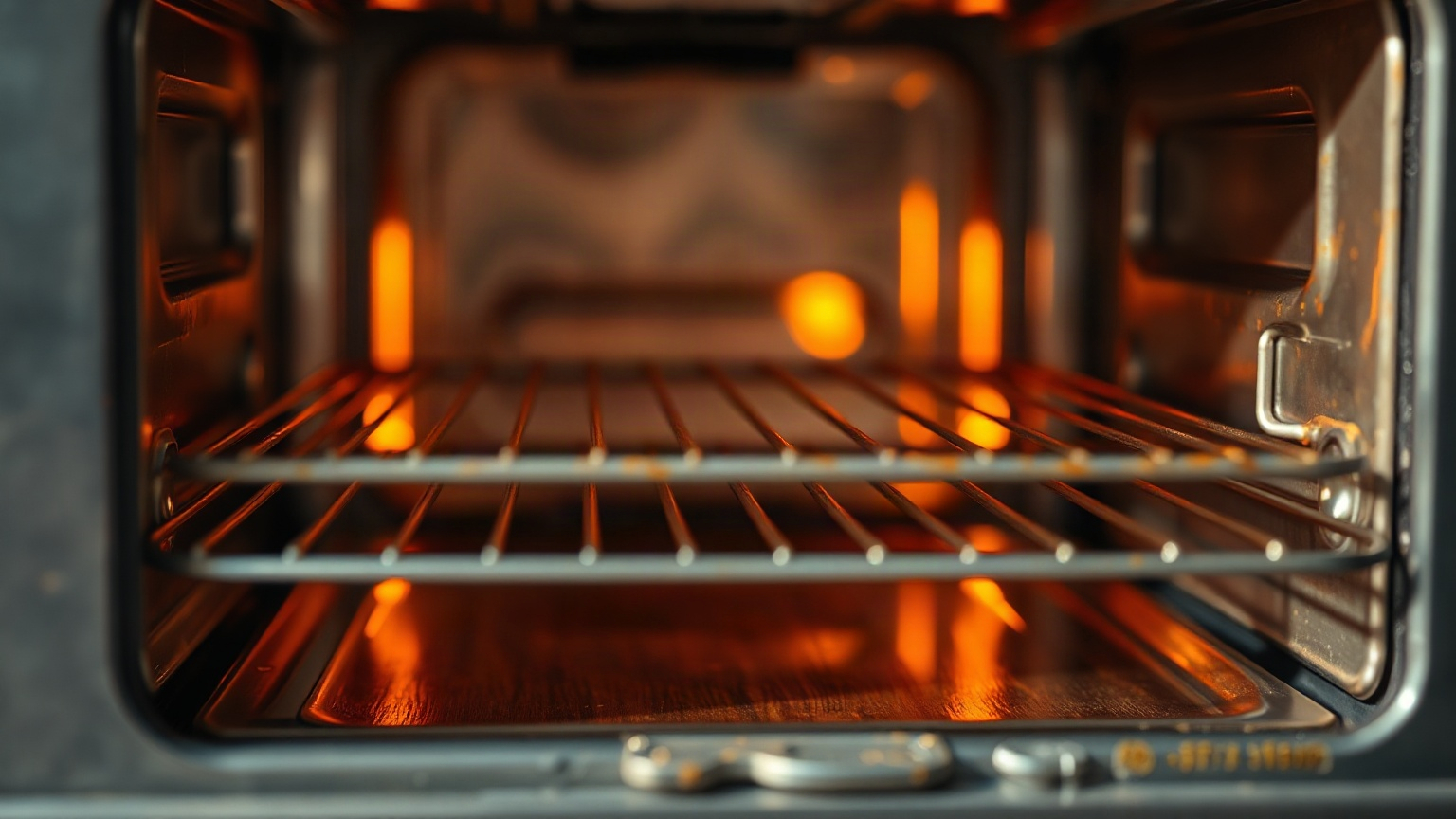
- Toaster ovens heat via exposed nichrome wire elements that glow red and reach 450°F–500°F; fire risk is meaningfully higher than with microwaves.
- According to the NFPA, toaster ovens and toasters combined account for roughly 2,300 home structure fires per year in the U.S. — microwaves cause far fewer.
- Neither appliance is inherently “dangerous” when used correctly. The risks are just different in kind.
- For reheating food with better texture and less sogginess, a toaster oven wins handily — check out tips on reheating food in a toaster oven if that’s your main use case.
The Radiation Question (And Why It’s Mostly a Non-Issue)
Let’s get this one out of the way first, because it’s usually what people mean when they ask the question. Microwaves use electromagnetic radiation. That sounds alarming. It isn’t.
The radiation in a microwave is non-ionizing — meaning it doesn’t have enough energy to damage DNA or strip electrons from atoms. It’s closer to radio waves than it is to X-rays. The FDA has regulated microwave oven leakage limits since the 1970s, and modern units emit levels far below any threshold associated with harm. I’ll be honest: I used to have an irrational hesitation about standing directly in front of the microwave while it ran. I’ve since let that go.
Toaster ovens don’t use radiation to cook. They use radiant heat from coils and convection (in fan-equipped models). So if your specific concern is radiation exposure, a toaster oven does sidestep that entirely. But you’re trading one perceived risk for some genuinely real ones.
Where Toaster Ovens Actually Are Riskier
Fire Risk
This is the big one. Toaster ovens run hot — we’re talking temperatures well above 400°F in normal operation — and they have open heating elements that glow orange-red during use. Crumbs, grease drips, a piece of cheese that slides off a slice of toast: any of these can ignite. I’ve had a small smoke situation from a forgotten crumb tray. Not a fire, but close enough to be a reminder.
A microwave, by contrast, doesn’t get hot enough on its interior surfaces to ignite food under normal circumstances. It can arc and spark if you put metal inside (don’t do that), and it can superheat liquids. But open flames from a microwave are genuinely rare.
Burn Risk
The outer casing of a toaster oven — especially cheaper models — gets very hot to the touch. The door glass can reach temperatures that cause an immediate burn on contact. Kids and pets near a running toaster oven are a genuine hazard in a way that a microwave just isn’t. Microwaves do get warm on the inside, and steam burns from uncovered dishes are real, but the surface-contact burn risk is dramatically lower.
Placement Matters More
A toaster oven needs clearance on all sides and above — at minimum 4 inches on each side, more above. I’ve seen people shove them under upper cabinets and that’s a bad idea. The heat rising off the top can scorch cabinet finishes or, in a worst case, ignite material stored above. Microwaves are usually either countertop (with proper ventilation built in) or installed over the range with exhaust systems. They’re designed to be tucked in. Toaster ovens generally aren’t.
Where Microwaves Have Their Own Quirks
Microwaves aren’t without their issues. Superheated water is a real thing — plain water heated in a very smooth container with no nucleation points can reach above boiling temperature without bubbling, then erupt violently when disturbed. It’s uncommon but it happens. The fix is simple: put a wooden stir stick or spoon in the cup before heating.
There’s also the container question. Heating food in the wrong plastic container releases chemicals into food. “Microwave safe” labeling means the container won’t warp or melt — it doesn’t necessarily mean the plastic won’t leach anything. I use glass or ceramic in the microwave exclusively at this point. Old habit from reading too many studies.
And microwaves heat unevenly. Cold spots in the middle of food are a food safety concern for things like chicken or fish — the outside can seem hot while the center is still in the danger zone for bacterial growth. The USDA recommends covering food and rotating it midway through microwave cooking for exactly this reason.
Head-to-Head: Toaster Oven vs. Microwave Safety Comparison
| Safety Factor | Toaster Oven | Microwave |
|---|---|---|
| Radiation exposure | None | Non-ionizing only; FDA-regulated, considered safe |
| Fire risk | Higher — exposed elements, grease/crumb ignition possible | Lower — arcing possible with metal, but rare fires |
| Surface burn risk | High — exterior walls and door glass get very hot | Low — exterior stays mostly cool |
| Uneven heating (food safety) | More even cooking; browning indicates doneness | Cold spots common; rotation required for safety |
| Container safety | Use oven-safe metal, glass, or ceramic; no plastic | Avoid certain plastics; glass/ceramic preferred |
| Unattended use risk | Should never be left unattended | Lower risk; still not advisable for extended runs |
| Child/pet proximity risk | High — hot surfaces accessible | Lower — surfaces stay cooler |
How to Use Either One More Safely
Toaster Oven Safety Habits That Actually Help
Clean the crumb tray. Seriously, do it after every few uses. That’s where most toaster oven fires start — accumulated grease and crumbs sitting right below a 450°F heating element. It takes 90 seconds. I use a toaster oven baking pan with a lip for anything that might drip, specifically to catch drips before they hit the element or the floor of the oven.
Don’t use the top of the toaster oven as a storage shelf. I know it’s tempting — it’s a flat surface. But stuff left on top can melt, burn, or catch. I’ve seen a plastic bag left on a toaster oven top come back fused to the surface. Not pretty.
Get a model with an auto-shutoff feature. Most decent toaster ovens have them now. If you’re the type to walk away from the kitchen mid-toast, it matters. The best mini toaster ovens almost all include this now, even at budget price points.
Use the right rack position. For most reheating tasks I use the middle rack at 325°F for about 8–10 minutes. That’s enough to heat through without scorching the outside or leaving the inside cold. A properly fitting wire rack also helps with airflow so you don’t end up with one scorched side and a cold center.
Microwave Safety Habits Worth Having
Use a microwave-safe cover or splatter guard — loose plastic wrap over a bowl is fine as long as it’s not touching the food surface. Vent it at one corner. Always let food rest for a minute after microwaving; temperatures continue rising and redistribute during that rest.
For reheating meat, use a food thermometer. The microwave can absolutely bring chicken or pork to a safe internal temperature, but visuals alone don’t confirm it. 165°F for poultry, 145°F for pork — same rules as the oven.
So Which One Should You Use?
My honest take: for speed and convenience, the microwave wins almost every time. It’s faster, has a lower surface burn risk, and doesn’t require the clearance setup that a toaster oven does. If you’ve got kids in the kitchen, the microwave is the less fraught choice.
But for food quality? The toaster oven isn’t close. Pizza, leftover fries, roasted vegetables, reheated chicken — all of it comes out better from a toaster oven. The texture difference is real. Nothing makes me sadder than soggy reheated pizza from a microwave when a toaster oven is sitting right there.
If your worry was specifically about radiation, you can set that one aside. If your worry is about fire and burns — the toaster oven deserves more respect than people give it. Treat it like a small oven, not a convenience appliance you ignore while it runs, and you’ll be fine.
Both appliances have been in my kitchen for years. Neither has hurt me. But I’ve been more careful with the toaster oven.
The Bottom Line
Neither appliance is inherently dangerous. The risks are just different. Microwaves get unfair bad press over the radiation question — it’s a misunderstanding of what kind of radiation we’re talking about. Toaster ovens get underestimated on fire and burn risk because they look like innocuous little boxes. They’re not. They’re small ovens. Treat them that way.
Use the microwave for speed. Use the toaster oven for quality. Clean the crumb tray. Don’t put metal in the microwave. You’ve got this.
Frequently Asked Questions
Are toaster ovens safer than microwaves for daily use?
Microwaves are generally safer in terms of fire and burn risk — their surfaces stay cool and they don’t have exposed heating elements. Toaster ovens are safer in the sense that they don’t emit radiation, but they pose higher fire and surface burn risks that require more attentive use. For unsupervised or quick tasks, most people are better off reaching for the microwave.
Can a toaster oven cause a fire?
Yes, and it’s the most common serious hazard with these appliances. Accumulated crumbs and grease in the bottom of the oven or on the crumb tray can ignite when in proximity to the heating elements. Regular cleaning, keeping the oven clear of combustible materials, and never leaving it unattended while in use significantly reduce this risk.
Is microwave radiation harmful to humans?
At the levels produced by a household microwave, no — current scientific evidence doesn’t support harm from normal microwave use. Microwave ovens use non-ionizing radiation in the 2.45 GHz range, which heats water molecules in food but doesn’t alter DNA or cause the kind of damage associated with ionizing radiation like X-rays. The FDA has set and enforced leakage limits since 1971.
What temperature does a toaster oven reach?
Most toaster ovens max out between 450°F and 500°F, which is comparable to a full-size conventional oven. Some air fryer toaster oven combos can reach slightly higher with their fan-assisted settings. You can read more about how hot a toaster gets versus a toaster oven if you want a side-by-side on that.
Should I use a toaster oven or microwave to reheat food?
For food quality, a toaster oven almost always produces better results — crispier texture, more even browning, and no sogginess. For speed and convenience, the microwave wins easily. If you’re reheating something like pizza, fries, or roasted chicken, the toaster oven at 325°F for 8–10 minutes is worth the extra time. For soups, rice, or anything that doesn’t need crispness, the microwave is fine. More specific tips are in the guide on reheating food in a toaster oven.

Written by
Emma founded Toastera to turn vague appliance advice into clear, researched, safety-first guidance on toasters and toaster ovens.
Free: the Toaster Oven Cheat Sheet
Get the printable cheat sheet (temps, cook times & safety tips) plus new recipes. No spam, unsubscribe anytime.