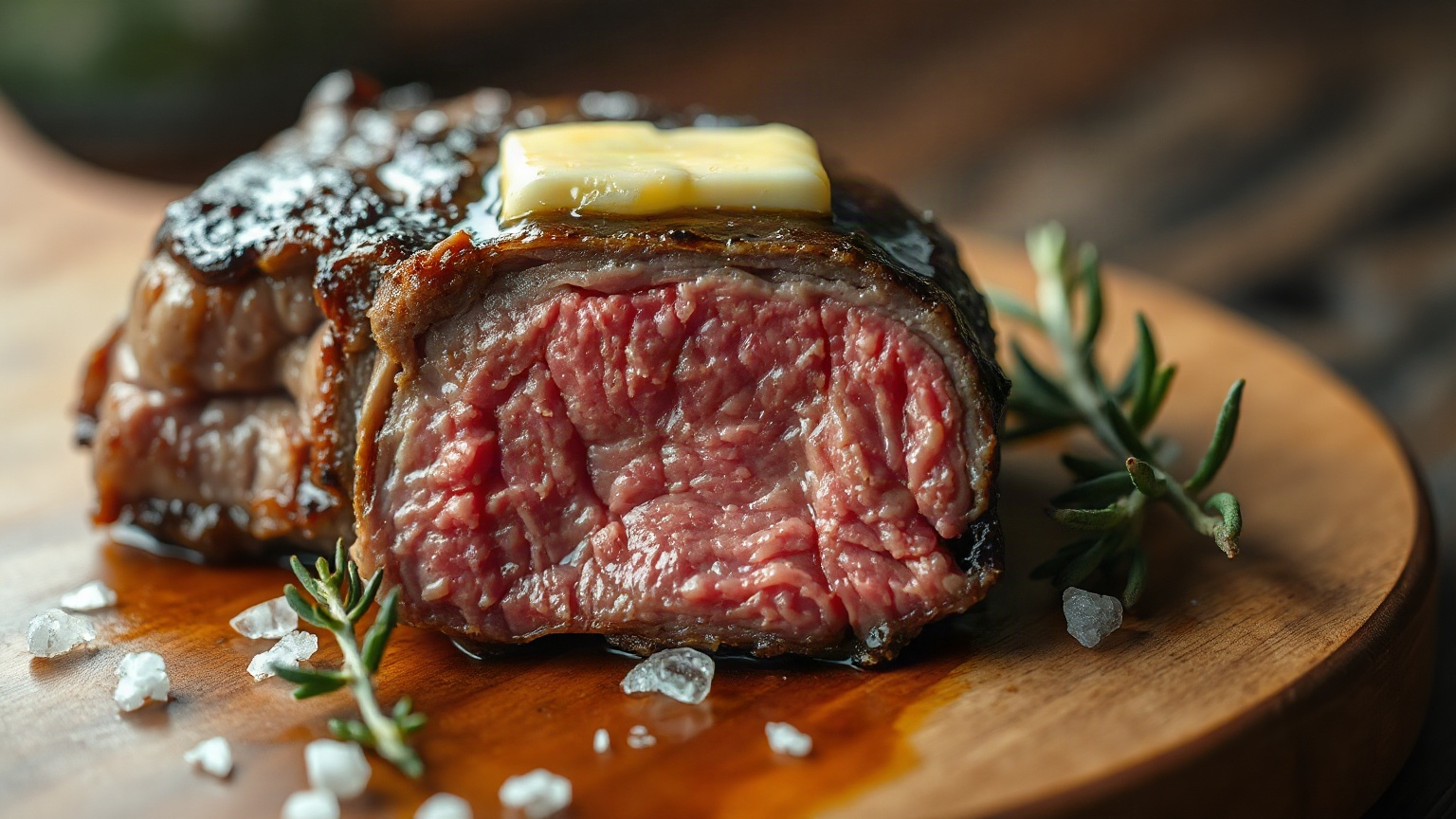
To reheat restaurant steak in a toaster oven without drying it out, set it to 250°F and warm the steak on a wire rack over a baking pan until the internal temperature hits 110°F (for medium-rare) or 130°F (for medium) — that usually takes 15–25 minutes depending on thickness. Low and slow is the move here. High heat is what turns leftover steak into a hockey puck.
Safety First: Toaster ovens run hot and the interior walls, racks, and pans can cause serious burns — always use oven mitts rated for at least 450°F when handling anything inside. Never place a cold glass dish directly onto a hot toaster oven rack; thermal shock can shatter it. Keep the crumb tray clean before you start; dripping steak juices onto a greasy tray is a fire risk.
Quick Takeaways Before You Start
- 250°F is the target temperature — not 350°F, not “toast” mode
- A wire rack keeps the bottom of the steak from steaming and going mushy
- Pull the steak at 110°F internal for medium-rare, 130°F for medium — it’ll coast up a few degrees while resting
- A quick 60–90 second sear in a hot pan after warming is optional but genuinely worth it
- Never microwave restaurant steak. You’ll regret it immediately.
I’ve reheated a lot of steak. Too much, honestly — mostly because I have a terrible habit of ordering the ribeye when I’m not quite hungry enough to finish it. After some genuinely sad results involving a microwave and what used to be a beautiful medium-rare, I started treating leftover steak the way it deserves: with patience and an actual plan. The toaster oven is what I reach for now. Here’s what I’ve figured out.
Why the Toaster Oven Works So Well for This
A full-size oven works fine too, but toaster ovens have a real advantage for a single restaurant steak: they’re small. That means they preheat faster, the heat is more concentrated, and you’re not wasting 10 minutes waiting for a big oven cavity to come up to temp. Most countertop toaster ovens can hold 250°F accurately enough for this job — check out our guide on reheating food in a toaster oven if you want the broader picture on what these little machines can handle.
The other thing: toaster ovens use dry, circulating heat. That’s a problem if you go too hot (moisture evaporates fast), but at 250°F it’s gentle enough that the steak warms through without losing much. You’re essentially doing a low-temperature reverse-sear, just without the initial sear part.
What doesn’t work: the microwave turns steak gray and rubbery in about 90 seconds flat. The broiler is too aggressive for reheating — good for finishing, not warming through. And the toaster slot? Please don’t.
The Setup: What You Actually Need
You need two things: a toaster oven wire rack and a toaster oven baking pan to catch drips underneath it. The wire rack is non-negotiable. When you place steak directly on the pan, the bottom sits in its own rendered fat and juices, which sounds like it should be a good thing but actually just steams the meat from below and makes it weirdly soft on one side. The rack lifts it up, lets hot air circulate all the way around, and you get even warming.
You also need a meat thermometer. I know that sounds like overkill for leftovers, but it’s the only way to know when to pull it. I use an instant-read — anything around $15–25 is plenty accurate for this. Guessing by time alone gets you into trouble because a half-inch slice from last night’s filet heats up completely differently than a 1.5-inch-thick ribeye straight from the fridge.
Optional: Tent It With Foil
If your steak is on the thinner side — anything under about 3/4 inch — loosely tenting a piece of foil over the top can slow down surface drying a bit. I don’t always bother, but it helps if you have a cheap toaster oven that runs hot and inconsistent. Don’t seal the foil tight. Just drape it.
The Exact Method, Step by Step
Let me walk through this the way I actually do it, not the idealized version.
Step 1: Take the steak out of the fridge first
Pull it out 20–30 minutes before you plan to reheat. A cold center means by the time the middle hits 110°F, the outside might be at 140°F already — which is well-done territory, and that’s not what you paid for. Room-temperature-ish steak heats more evenly. I always forget this step and have to wait around feeling impatient, but it matters.
Step 2: Preheat to 250°F
Set your toaster oven to Bake at 250°F. Let it fully preheat — most toaster ovens take 5–8 minutes. If your machine has a convection setting, you can use it, but honestly for a single steak at 250°F it makes minimal difference. I use regular bake.
Step 3: Rack it, then in it goes
Place the steak on the wire rack over your pan. Add a small splash of water to the pan below if you want — maybe a tablespoon. It creates a tiny bit of humidity in that small oven cavity. I started doing this after the first few attempts left the steak edges a little desiccated, and it helped. Not a dramatic difference, but noticeable on thinner cuts.
Step 4: Heat until the internal temp is right
Start checking at the 12-minute mark. Here’s roughly what to expect:
| Steak Thickness | Starting Temp | Time at 250°F | Pull-At Internal Temp |
|---|---|---|---|
| ½ inch (thin slice) | Room temp | 10–14 minutes | 105°F |
| ¾ inch | Room temp | 14–18 minutes | 108°F |
| 1 inch | Room temp | 18–22 minutes | 110°F |
| 1.5 inches | Room temp | 22–28 minutes | 112°F |
| Any thickness | Fridge cold | Add 5–8 min | Same targets |
Pull it slightly below your target because it’ll carry-over cook a little even off the heat. For medium-rare, that means out of the oven at around 108–110°F. Let it rest on the rack for 3–4 minutes before you eat it.
Step 5: Optional sear (genuinely recommended)
Once the steak is warmed through, get a cast-iron or stainless pan screaming hot on the stovetop — I mean hot, as in a drop of water evaporates on contact. Add a little butter or high-smoke-point oil and sear the steak for 45–60 seconds per side. This brings the crust back. It’s the difference between “pretty good leftover steak” and something that actually tastes like you ordered it again. This step has never once disappointed me.
The Mistakes That Dry Out Steak (And How to Avoid Them)
Temperature too high. This is by far the most common one. People set the toaster oven to 350°F because that’s what feels like “cooking,” and then they’re surprised when the steak comes out gray. 350°F evaporates moisture aggressively. 250°F doesn’t. That’s the whole difference.
Going straight from fridge to oven. Covered this above. The cold center problem is real and it’s why you end up with overdone edges and a weirdly cold middle at the same time.
Skipping the rest period. After 20+ minutes in the oven, the steak needs a few minutes off the heat. Cutting into it immediately lets the juices run straight out. Three minutes of patience makes it noticeably better.
Using the broiler setting to “speed things up.” I tried this once. Just once. The outside dried out before the inside was even warm. It’s not the right tool for warming — it’s the right tool for finishing, and only if you use it very briefly.
Edge Case: Sliced Steak From the Restaurant Container
This is where it gets tricky and where most guides just stop. If the restaurant already sliced your steak — common with Brazilian steakhouses, or when you asked for it sliced for someone at the table — you’re working with thin pieces that have way more exposed surface area. They’ll dry out faster and cook through almost instantly.
For pre-sliced restaurant steak, drop the temperature to 225°F and start checking at 8 minutes. The target internal temp is the same, but you’ll hit it faster than you think. Foil tent is actually worth using here. And the sear step? Skip it entirely — sliced pieces are too thin to sear without overcooking them.
Another option for sliced steak specifically: a covered skillet with a splash of beef broth on medium-low heat, lid on, 3–4 minutes. It’s not oven reheating, but for thin slices it works better and you lose less control over temperature. Serious Eats has a good breakdown of why moisture control matters so much with thin-cut meat, if you want the science behind it.
Does the Toaster Oven Model Matter?
A little, but not as much as technique. That said, if your toaster oven runs hot (lots of budget models do — the thermostat’s calibration is often off by 15–25°F), set it to 225°F instead of 250°F. If you have one of the better countertop models — Breville, Cuisinart, Ninja Foodi — the temperature accuracy is generally solid and 250°F means 250°F. Our list of best mini toaster ovens covers which ones have the most reliable heat control if you’re in the market.
The USDA’s safe internal temperature guidelines for beef are worth knowing, by the way — they recommend 145°F for safety with a 3-minute rest. For reheating leftover steak that was already cooked through, you’re less likely to hit food safety concerns at 110°F internal, but if you’re immunocompromised or serving someone who is, heating to 165°F is the safer call. It’ll be more well-done, but that’s the tradeoff.
Final Thoughts
Reheating restaurant steak isn’t complicated, but it requires a little restraint — which runs counter to every instinct that says “hotter = faster = done.” Low heat, a wire rack, a thermometer, and a few minutes of patience gets you steak that’s genuinely good the next day. The optional stovetop sear at the end is my personal non-negotiable. It takes 90 seconds and it makes the whole thing worth doing properly.
If you’re curious how toaster ovens handle other reheating jobs, the full guide to reheating food in a toaster oven is worth a read. And if you want to know more about what temperatures these machines actually reach, our piece on how hot a toaster gets breaks it down. Good luck with the leftover ribeye.
Frequently Asked Questions
How long does it take to reheat steak in a toaster oven?
At 250°F, most restaurant steaks take 15–25 minutes to warm through, depending on thickness and whether you let them come up to room temperature first. A thin half-inch slice might be ready in 10–12 minutes, while a thick 1.5-inch ribeye could need 25–28. Use a meat thermometer rather than the clock — pull it at 108–112°F internal.
What temperature should I reheat steak in a toaster oven?
250°F is the right temperature for most steaks. Anything higher and you risk overcooking the outside before the inside warms through, which is exactly what causes dry, gray reheated steak. If your toaster oven runs hot, dial it down to 225°F.
How do I reheat steak without drying it out?
Use low heat (250°F), place the steak on a wire rack so air circulates underneath it, and pull it off the heat before it reaches your target temperature — it’ll carry over a few degrees while resting. Adding a small splash of water to the pan below the rack also helps create a little steam in the oven cavity, which keeps the surface from drying out.
Can I reheat sliced restaurant steak in a toaster oven?
Yes, but it needs a lower temperature (225°F) and a shorter time — start checking at 8 minutes. Pre-sliced steak has much more surface area exposed to dry heat, so it dries out faster than a whole piece. Loosely tenting it with foil helps, and skip the final sear since the slices are too thin for it to work without overcooking.
Is it safe to reheat steak in a toaster oven?
Yes, reheating steak in a toaster oven is safe as long as you handle the hot racks and pans carefully and keep the crumb tray clean to avoid grease fires. The USDA recommends reheating cooked beef to 165°F for full safety, though most people reheat steaks to lower temperatures to preserve the original doneness — which is a personal choice for healthy adults.

Written by
Emma founded Toastera to turn vague appliance advice into clear, researched, safety-first guidance on toasters and toaster ovens.
Free: the Toaster Oven Cheat Sheet
Get the printable cheat sheet (temps, cook times & safety tips) plus new recipes. No spam, unsubscribe anytime.