A toaster oven reheats pasta bake at 350°F and delivers a crispy, bubbling top with a hot, even interior — results nearly identical to the original bake. A microwave does it faster (3-4 minutes versus 15-20), but the cheese turns rubbery, the pasta softens into mush, and that golden top disappears entirely. If you’ve got the time, the toaster oven wins by a wide margin.
Safety First: Toaster ovens run hot — surfaces including the door, side walls, and rack can exceed 400°F during and after use. Always use oven mitts when inserting or removing dishes, never leave the oven unattended while reheating, and keep the appliance at least 4 inches from walls or cabinets. Do not use plastic containers or cling wrap in a toaster oven; both can melt and potentially ignite.
Quick Facts: Reheating Pasta Bake
- Toaster oven at 350°F for 15-20 minutes restores texture, melts cheese properly, and can re-crisp the top
- Microwave at 50-70% power for 3-4 minutes is faster but produces steamed, rubbery results
- Covering with foil for the first 10 minutes in a toaster oven, then uncovering, is the move — prevents drying while still finishing crispy
- A toaster oven draws 1,200-1,800 watts; a microwave draws 700-1,200 watts — so microwaves are slightly cheaper to run for a quick reheat
- Neither method replaces a full oven for a large dish, but for 1-2 portions, the toaster oven is the right tool
I’ve reheated a lot of pasta bake. Probably too much, honestly. It became a bit of an obsession after I ruined a genuinely excellent tuna pasta bake by nuking it for five minutes and ending up with something that tasted like warm wet cardboard. Since then I’ve been methodical about it, and I’ve landed on some pretty firm opinions.
What Actually Happens Inside Each Appliance
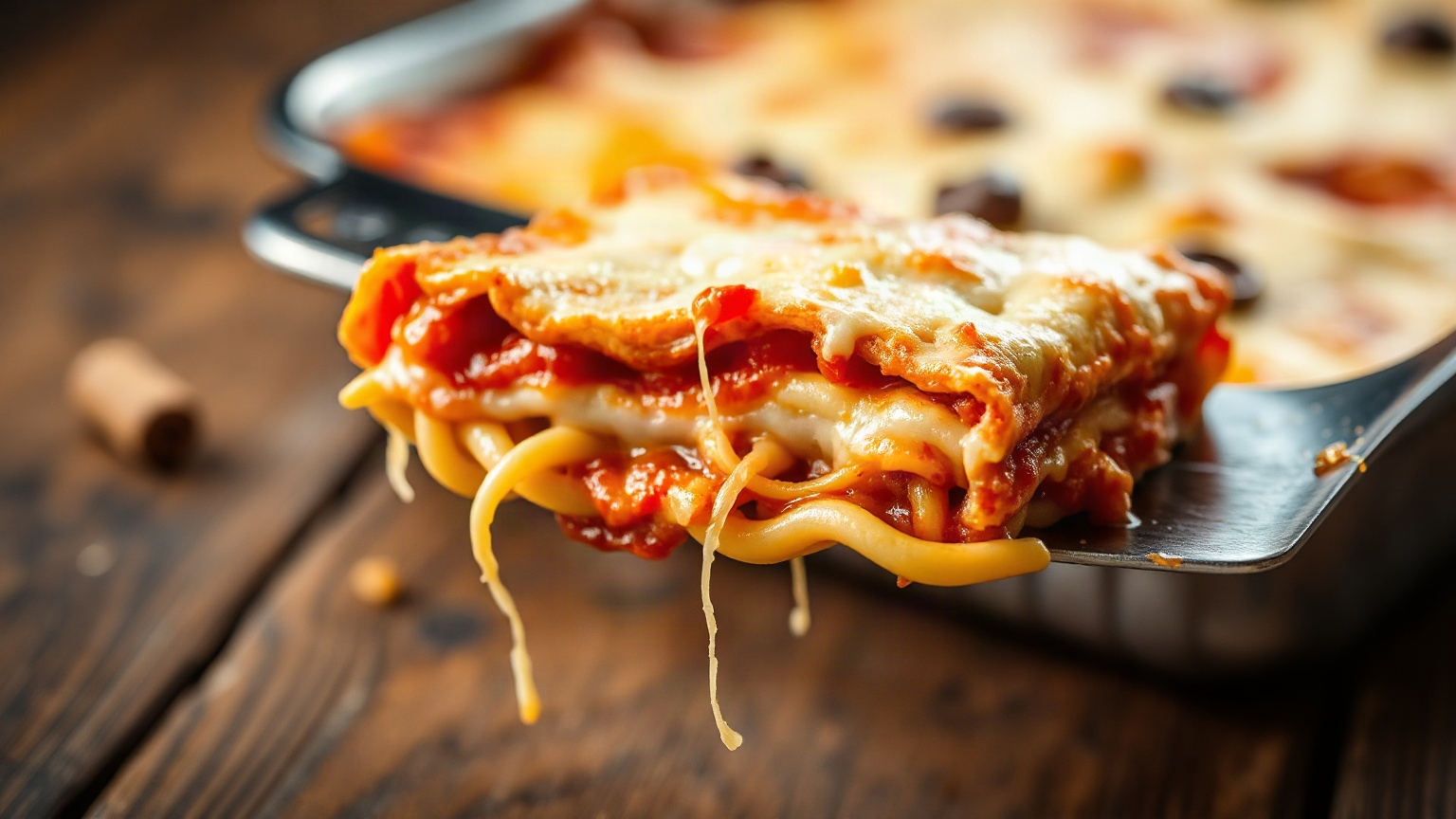
This matters more than people think. Microwaves heat food by exciting water molecules — fast, yes, but completely indiscriminate. The moisture in your pasta sauce gets agitated violently, the cheese proteins tighten up, and the breadcrumb topping (if you had one) goes completely limp. There’s no browning. No crisping. The Maillard reaction — that’s what creates golden, toasted surfaces — simply doesn’t happen in a microwave.
A toaster oven works with radiant heat and, in convection models, circulating hot air. It’s slow compared to a microwave, but it treats your pasta bake like an oven would, because it basically is one. The cheese gets a chance to remelt properly, the sauce bubbles without overcooking, and if you pull the foil off at the end, the top can actually crisp back up. That’s not a small thing. That top is half the reason pasta bake is worth eating.
For more on how toaster ovens handle reheating generally, I wrote a full breakdown over at reheating food in a toaster oven — it covers everything from pizza to casseroles.
The Toaster Oven Method: Exactly How to Do It
Temperature and Timing
350°F is the number. Some people go higher — 375°F — and it’s fine if your portion is small and you’re watching it. But I’ve scorched the edges of a pasta bake at 375°F while the center was still cold, so I’d rather be patient at 350°F.
Preheat the oven first. Takes 5-8 minutes depending on your model, and it’s worth it. Putting cold food into a cold oven means uneven heating from the start. Once it’s preheated, place your pasta bake portion in an oven-safe toaster oven baking dish — ceramic or metal, not glass from a temperature shock risk standpoint, and absolutely not plastic.
Cover with foil. Reheat for 10-12 minutes covered, then remove the foil and give it another 5-8 minutes uncovered. The foil traps steam which heats the interior without drying it out. Removing it at the end lets the surface do its thing. When the cheese is visibly bubbling and the edges are starting to darken, you’re done. That usually lands around the 18-minute mark for me, with a portion about an inch and a half deep.
The Rack Position Matters
Middle rack, every time. Too close to the top element and your cheese surface scorches before the center heats through. Too close to the bottom and the base can burn. If you’ve got a convection setting, use it — it shaves a few minutes off and heats more evenly. Without convection, just rotate the dish halfway through.
A properly fitted toaster oven wire rack at the middle position makes a bigger difference than it sounds like it should.
The Microwave Method: What You’re Actually Getting
It’s not useless. I want to be fair here. If you’re at work, it’s noon, and your lunch is in a microwave-safe container, the microwave is what you’ve got. Here’s how to make the best of it.
Don’t blast it on full power. 60-70% power for 3 minutes, stir if you can, then another 1-2 minutes. Full power nukes the edges while the center stays cold — a classic microwave problem that’s particularly bad with thick, dense dishes like pasta bake. Add a small splash of water or extra sauce before covering with a microwave-safe lid or damp paper towel. This creates a bit of steam and helps keep things from drying out.
But you won’t get crisp. You won’t get browned cheese. The texture will be softer and more uniform in a way that isn’t necessarily better. It’ll taste fine. It won’t taste like it did the first time.
Side-by-Side Comparison
| Factor | Toaster Oven | Microwave |
|---|---|---|
| Reheat time (1-2 portions) | 15-20 minutes | 3-5 minutes |
| Temperature used | 350°F | N/A (wave frequency, ~60-70% power) |
| Cheese texture | Melted, slightly crispy edges | Rubbery, tight |
| Pasta texture | Firm, holds shape | Soft, slightly mushy |
| Top crust / breadcrumbs | Restored or crispy | Soggy |
| Energy use (per session) | ~0.4-0.5 kWh | ~0.07-0.1 kWh |
| Hands-on effort | Medium (preheat, foil, watch) | Low (set and mostly forget) |
| Results quality | Excellent | Acceptable |
The energy difference is worth acknowledging. The microwave wins that one clearly. But for a dish you spent an hour making, burning a few extra cents of electricity to reheat it properly seems like a reasonable trade.
The Edge Case Most Articles Don’t Mention: Frozen Pasta Bake
Here’s something the other articles skip entirely: what if your pasta bake is frozen?
This actually changes the calculation a bit. A frozen portion in a toaster oven at 350°F needs 30-40 minutes to reheat all the way through — sometimes longer depending on depth. And you absolutely need that foil on for the majority of that time, or the top will be burnt while the inside is still cold. The microwave actually earns a partial redemption here: defrosting on 30% power for 4-5 minutes first, then finishing in the toaster oven at 350°F for 12-15 minutes, gives you much better results than either method alone.
It’s the combo approach. Microwave to defrost, toaster oven to finish. I stumbled onto this by accident the first time I tried to reheat a pasta bake from frozen and ended up with a dish that was bubbling on top but completely ice-cold in the center after 25 minutes in the toaster oven. The Serious Eats guide to reheating pasta hints at something similar for stovetop reheating, and the logic carries over.
Also worth flagging: if your pasta bake has a creamy sauce base (bechamel, cream-based) versus a tomato base, the microwave does even more damage to the creamy version. Those dairy proteins seize up aggressively at high, uneven heat. Tomato-based pasta bakes survive microwave reheating better than cream-based ones.
Which Toaster Oven Actually Does This Well?
Not all toaster ovens are equal for this task. A tiny two-slice toaster oven won’t fit a standard baking dish. Here are the models I’d actually recommend, and what they’re suited for.
The Breville Smart Oven Air Fryer Pro is the premium pick. Convection is excellent, it preheats fast, and the temperature accuracy is genuinely good — my pasta bake test at 350°F on this one was the most consistent result I got. It’s a large countertop appliance, though. Not subtle. Check it out on Amazon.
The Cuisinart TOA-70 sits in the mid-range and does a solid job. Good capacity, air fry function, reliable heat. I’ve used it for pasta bake reheating with good results, though it runs about 10°F hotter than the dial says — just something to know going in.
The Hamilton Beach 31127D is the budget option, and honestly, for straight reheating, it works fine. No convection, so add 3-4 minutes to your timing and rotate the dish. It fits a 9×11 pan, which is enough for most leftover portions.
| Model | Price Tier | Convection | Capacity | Best For |
|---|---|---|---|---|
| Breville Smart Oven Air Fryer Pro | Premium | Yes (powerful) | Large (fits 13″ pizza) | Serious cooks, frequent use |
| Cuisinart TOA-70 | Mid-range | Yes | Medium-large | Regular home use, air frying too |
| Hamilton Beach 31127D | Budget | No | Medium (9×11 pan) | Occasional reheating, tight budget |
My honest pick for most people is the Cuisinart TOA-70. It’s capable enough for real cooking but doesn’t cost a small fortune. The Breville is worth it if you’re using it daily. See my full roundup of best mini toaster ovens if you’re working with limited counter space and need something smaller.
The Honest Verdict
Use the toaster oven. It’s slower, it uses more electricity, and yes, you have to remember to preheat it. But pasta bake is one of those dishes where texture is half the experience, and the microwave just destroys it. The cheese goes wrong, the top goes limp, and something that took you an hour to make gets reduced to a mediocre lunch in four minutes.
350°F, foil on for 10-12 minutes, foil off for another 6-8. That’s the whole thing. If it’s frozen, defrost in the microwave first, then finish in the toaster oven. And if you’re reheating a cream-based pasta bake, avoid the microwave even more aggressively than you would for a tomato-based one — the texture difference is dramatic.
The microwave earns its keep for speed and convenience with many foods. Pasta bake just isn’t one of them. And once you’ve had leftover pasta bake come out of a toaster oven with a properly crisped top, you won’t go back. You can read more about how hot a toaster oven gets and why that matters for different foods if you want the full picture on heat levels. The Food Network’s pasta reheating guide also has solid tips on stovetop methods if you want another option in the mix.
Frequently Asked Questions
Can I reheat pasta bake in a toaster oven without drying it out?
Yes — cover the dish with foil for the first 10-12 minutes of reheating at 350°F. The foil traps steam and keeps the interior moist while the oven heats it through. Remove the foil for the last 5-8 minutes only if you want the top to crisp up again.
How long does it take to reheat pasta bake in a toaster oven?
At 350°F, a refrigerated portion of pasta bake (roughly 1-2 inches deep) takes about 15-20 minutes total. Frozen pasta bake takes 30-40 minutes, though defrosting in the microwave first and then finishing in the toaster oven for 12-15 minutes is faster and more reliable.
Is it safe to put a ceramic dish in a toaster oven?
Most oven-safe ceramic dishes handle toaster oven temperatures fine up to 400-450°F — check the bottom of your dish for the oven-safe symbol or manufacturer guidance. Avoid putting cold ceramic directly into a fully preheated hot oven, as the thermal shock can crack it; let the dish sit at room temperature for 10-15 minutes first.
Why does pasta bake go rubbery in the microwave?
Microwaves heat unevenly and excite water molecules rapidly, which causes cheese proteins to tighten and toughen rather than melt smoothly. The pasta also absorbs excess steam and softens beyond its original texture. Using 60-70% power and covering with a damp paper towel helps somewhat, but won’t fully prevent it.
Can a toaster oven replace a microwave for reheating pasta bake?
For pasta bake specifically, yes — and it produces noticeably better results. The toaster oven can’t replicate everything a microwave does (it won’t defrost in 2 minutes or heat a mug of soup), but for dense, layered baked dishes like pasta bake, it’s the superior reheating tool by a clear margin.

Written by
Emma founded Toastera to turn vague appliance advice into clear, researched, safety-first guidance on toasters and toaster ovens.
Free: the Toaster Oven Cheat Sheet
Get the printable cheat sheet (temps, cook times & safety tips) plus new recipes. No spam, unsubscribe anytime.