Yes, you can put certain glass dishes in an air fryer — but only if the glass is labeled oven-safe or tempered, and only if you avoid sudden temperature changes that can cause it to shatter. Regular glass, thin glass, or cold glass pulled straight from the fridge is a thermal shock risk in the high, concentrated heat of an air fryer. Stick to oven-safe borosilicate or tempered glass dishes, and you’ll be fine.
Safety First: Putting the wrong type of glass in an air fryer can cause it to shatter violently at high heat, sending sharp fragments into your food and appliance. Never use non-tempered glass, mason jars, drinking glasses, or any glass dish that isn’t explicitly labeled oven-safe. Always let refrigerated glass dishes come to room temperature before placing them in a hot air fryer to prevent thermal shock and potential injury.
Key Takeaways
- Only use glass that is explicitly labeled oven-safe or tempered — look for the oven-safe symbol on the bottom of the dish.
- Air fryers can reach temperatures between 300°F and 400°F, and the circulating heat is more intense than a conventional oven.
- Thermal shock is the biggest danger — never place cold glass directly into a preheated air fryer.
- Pyrex and borosilicate glass are generally safe options; standard soda-lime glass is not.
- When in doubt, use a metal, ceramic, or silicone dish instead — they’re more forgiving under rapid, high heat.
Why Glass and Air Fryers Are a Complicated Combination
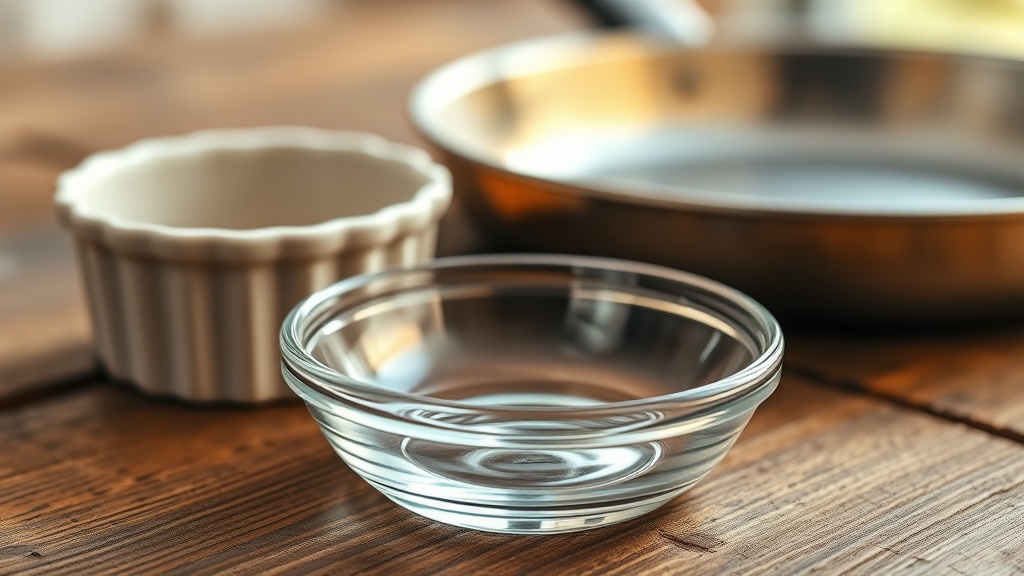
Air fryers work differently than conventional ovens. They use a powerful fan to circulate superheated air at high speed around your food. That rapid heat circulation is what makes them so efficient — but it also means temperature changes happen faster and more aggressively than in a standard oven. Glass doesn’t love that. It’s not a flexible material. When one part of a glass dish heats faster than another, the stress can cause it to crack or shatter outright.
This is called thermal shock. And it’s the reason you need to be picky about what glass goes into your air fryer. The glass itself isn’t inherently dangerous — it’s the mismatch between how glass handles heat and how air fryers deliver it.
There’s also a size issue. Most air fryer baskets aren’t designed with casserole dishes in mind. If the dish is too large, it can block airflow and reduce cooking performance. Worse, it can prevent the heating element from working properly, leading to uneven cooking or overheating in one spot.
What Types of Glass Are Safe to Use
Oven-Safe Tempered Glass
Tempered glass is heat-strengthened during manufacturing, making it significantly more resistant to thermal stress than regular glass. Brands like Pyrex (the original borosilicate formula) and Anchor Hocking are common examples. If your glass dish has an oven-safe label on the bottom — often a symbol of an oven or the words “oven safe” — it’s designed to handle the kind of heat an air fryer produces.
That said, even oven-safe glass has limits. Most are rated to around 425°F to 450°F, which covers the typical air fryer range. But some air fryers can spike higher during rapid cycling, so staying below 400°F with glass is a smart practice. You can learn more about how hot a toaster gets and how air fryer temps compare to other countertop appliances.
Borosilicate Glass
Borosilicate glass is the gold standard for kitchen heat resistance. It handles rapid temperature changes far better than standard soda-lime glass. Laboratory equipment and high-end bakeware are often made from it. If your dish is borosilicate, you’re working with the safest type of glass for air fryer use.
One thing to watch: the American version of Pyrex switched from borosilicate to tempered soda-lime glass years ago. European Pyrex (marked “Pyrex” in all caps) is still borosilicate. The difference matters if you’re pushing temperatures high or moving a dish from cold storage to a hot air fryer.
Glass to Avoid Completely
Some glass has absolutely no place in an air fryer. Here’s what to keep out:
- Drinking glasses or mugs — not designed for oven heat, will likely crack or shatter
- Mason jars — not rated for the kind of direct, high-heat circulation an air fryer produces
- Decorative glass dishes — often contain dyes or coatings that can react to heat
- Thin glass plates or bowls — too fragile for high-heat cooking environments
- Any glass with chips or cracks — a pre-existing flaw becomes a fracture point under heat stress
Glass vs. Other Air Fryer-Safe Materials
Glass isn’t your only option. And honestly, for air fryer cooking, it’s not usually the best option either. Here’s how common air fryer dish materials compare:
| Material | Air Fryer Safe? | Max Temp (General) | Best For |
|---|---|---|---|
| Tempered Glass (oven-safe) | Yes, with care | 425°F | Casseroles, reheating |
| Borosilicate Glass | Yes | 450°F+ | Baking, roasting |
| Ceramic | Yes (oven-safe only) | 450°F+ | Baking, side dishes |
| Stainless Steel | Yes | 500°F+ | Roasting, crisping |
| Silicone | Yes | 400–450°F | Muffins, eggs, small portions |
| Non-stick Metal | Yes | 400°F (coating-dependent) | General air frying |
| Regular/Non-tempered Glass | No | Not rated | Do not use |
| Plastic | No | Not rated | Do not use |
Metal dishes — especially air fryer oven-safe metal baking dishes — are the most reliable performers. They heat quickly, handle high temps without issue, and don’t carry the thermal shock risk that glass does. If you’re doing a lot of air fryer cooking, having a dedicated metal or ceramic dish is a smart move.
How to Use Glass Safely in an Air Fryer
If you’ve confirmed your glass dish is oven-safe and you want to use it, follow these steps to reduce risk and get better results.
Let the Glass Come to Room Temperature First
This is the single most important step. If your dish has been in the fridge or freezer, give it at least 20–30 minutes on the counter before it goes into the air fryer. Cold glass meeting hot circulating air is a recipe for thermal shock. Don’t skip this.
Don’t Preheat With Glass Inside
Some air fryer instructions tell you to preheat the basket before adding food. With metal, that’s fine. With glass, you want to either skip preheating entirely or preheat only briefly and let the glass dish heat gradually with the unit. Placing room-temperature glass into an air fryer that’s already at 375°F is still safer than placing cold glass in — but gradual heating is always better.
Keep Temperatures at or Below 400°F
Even with oven-safe glass, keep your air fryer temperature at 400°F or below. Most air fryer recipes run between 325°F and 400°F anyway, so this rarely requires a significant adjustment. Going higher introduces unnecessary risk with glass dishes.
Make Sure the Dish Fits Without Blocking Airflow
The dish should sit comfortably in the basket or tray with at least a half-inch of clearance on all sides. This allows hot air to circulate and cook your food evenly. If the dish fills the entire basket wall to wall, you’re going to get uneven results — and you’re potentially stressing the heating element. Check out small oven-safe glass baking dish sets sized specifically for compact cooking appliances.
Handle Hot Glass Carefully
Glass retains heat longer than metal. When you pull it out, use heavy oven mitts, not thin kitchen towels. And don’t place a hot glass dish directly on a cold countertop or in a cold sink — that’s thermal shock in reverse, and it can crack the dish just as easily as putting cold glass into heat.
For recipes where you’re reheating food in a toaster oven or air fryer, glass can work well as long as you follow these precautions. It’s a perfectly reasonable choice for casseroles, baked dishes, or anything that benefits from a glass container’s visibility while cooking.
When to Skip Glass Entirely
There are situations where glass just isn’t worth the hassle. If you’re cooking at high heat (above 400°F), need to move food quickly from fridge to fryer, or want the crispiest possible results, skip the glass. Metal is better for crisping because it conducts heat more efficiently, and air fryer stainless steel rack and accessory sets give you more flexibility for different cooking tasks.
Also, if you’re using a smaller basket-style air fryer rather than a toaster oven-style unit, the basket shape often makes glass dishes impractical. The rounded bottom and narrow dimensions of a basket air fryer don’t accommodate most glass baking dishes well. If you’re in the market for an air fryer-toaster oven combo with more flexibility, take a look at our guide to the best mini toaster ovens for options with more usable interior space.
According to Serious Eats, the best air fryer results typically come from using the right cookware for the task — and metal wins for crisping, while glass and ceramic shine for baking and casseroles where moisture retention matters.
The Bottom Line on Glass in Air Fryers
Glass can work in an air fryer. But it requires the right type of glass, proper handling, and some awareness of what can go wrong. Oven-safe tempered or borosilicate glass dishes are your only safe options. Room temperature before cooking, moderate heat, and careful handling after — that’s the formula.
And if you’re ever unsure whether a dish is safe? Flip it over and look for the oven-safe symbol. If it’s not there, don’t risk it. Use metal or ceramic instead. It’s a small adjustment that eliminates a real hazard. Your food will turn out just as good, and your air fryer — and fingers — will thank you.
Frequently Asked Questions
Can you put a Pyrex dish in an air fryer?
Yes, Pyrex dishes that are labeled oven-safe can be used in an air fryer, provided you keep temperatures at or below 425°F and avoid thermal shock by letting the dish reach room temperature first. European Pyrex (borosilicate) handles heat changes better than American Pyrex (tempered soda-lime glass), but both are generally safe when used correctly. Never move Pyrex directly from the refrigerator into a hot air fryer.
What happens if you put regular glass in an air fryer?
Regular, non-tempered glass can crack or shatter when exposed to the rapid, high-heat airflow inside an air fryer. The intense circulating heat causes uneven thermal expansion in the glass, creating stress fractures that can result in a sudden break. This is a serious safety hazard — glass shards can contaminate your food and damage the appliance.
Can I use a glass bowl in an air fryer?
Only if the glass bowl is explicitly labeled oven-safe or tempered — standard mixing bowls, serving bowls, and drinking glasses are not safe for air fryer use. Even oven-safe glass bowls need to be at room temperature before going into the air fryer. Check the bottom of the bowl for a heat-safe rating or oven symbol before using it.
Is glass or metal better for air fryer cooking?
Metal is generally better for most air fryer cooking because it conducts heat faster, handles high temperatures without risk, and produces crispier results. Glass is a reasonable choice for casseroles, baked dishes, or reheating where moisture retention matters more than crisping. For everyday air fryer use, a metal baking dish or the included air fryer basket will outperform glass in most situations.
What temperature is safe for glass in an air fryer?
For oven-safe glass, keep your air fryer at or below 400°F to stay well within a safe range. Most oven-safe glass is rated to 425°F or 450°F, but the intense circulating heat of an air fryer can affect glass differently than a conventional oven, so a 400°F ceiling gives you a reasonable safety margin. Always check the manufacturer’s temperature rating for your specific dish.
—
Written by
Emma founded Toastera to turn vague appliance advice into clear, researched, safety-first guidance on toasters and toaster ovens.
Free: the Toaster Oven Cheat Sheet
Get the printable cheat sheet (temps, cook times & safety tips) plus new recipes. No spam, unsubscribe anytime.