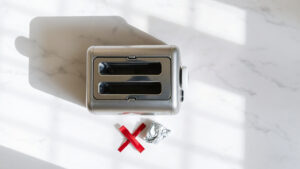
Yes, you can put aluminum foil in an air fryer — but only if you do it correctly. Foil placed incorrectly can block airflow, cause uneven cooking, or even damage your appliance. Used the right way, it’s a genuinely useful tool for easier cleanup and cooking delicate foods.
Safety First: Never place aluminum foil in the bottom of an air fryer basket or over the heating element — this can block hot air circulation, cause overheating, and in worst-case scenarios, create a fire risk. Always weigh foil down with food before starting the fryer, and keep foil away from the sides and heating coils. If foil flies loose during cooking, it can contact the heating element and ignite.
Key Takeaways
- Aluminum foil is safe in an air fryer when placed in the basket under food — not in the drawer below the basket.
- Foil should never cover more than two-thirds of the basket floor, so hot air can still circulate freely.
- Acidic foods like tomatoes, citrus, and vinegar-based marinades can react with aluminum foil and leach metallic flavor into your food.
- Parchment paper liners are often a safer, more convenient alternative to foil in air fryers.
- Most air fryers operate between 300°F and 400°F — well within the safe temperature range for aluminum foil, which holds up to around 1,220°F before melting.
How Air Fryers Actually Work (And Why It Matters for Foil)
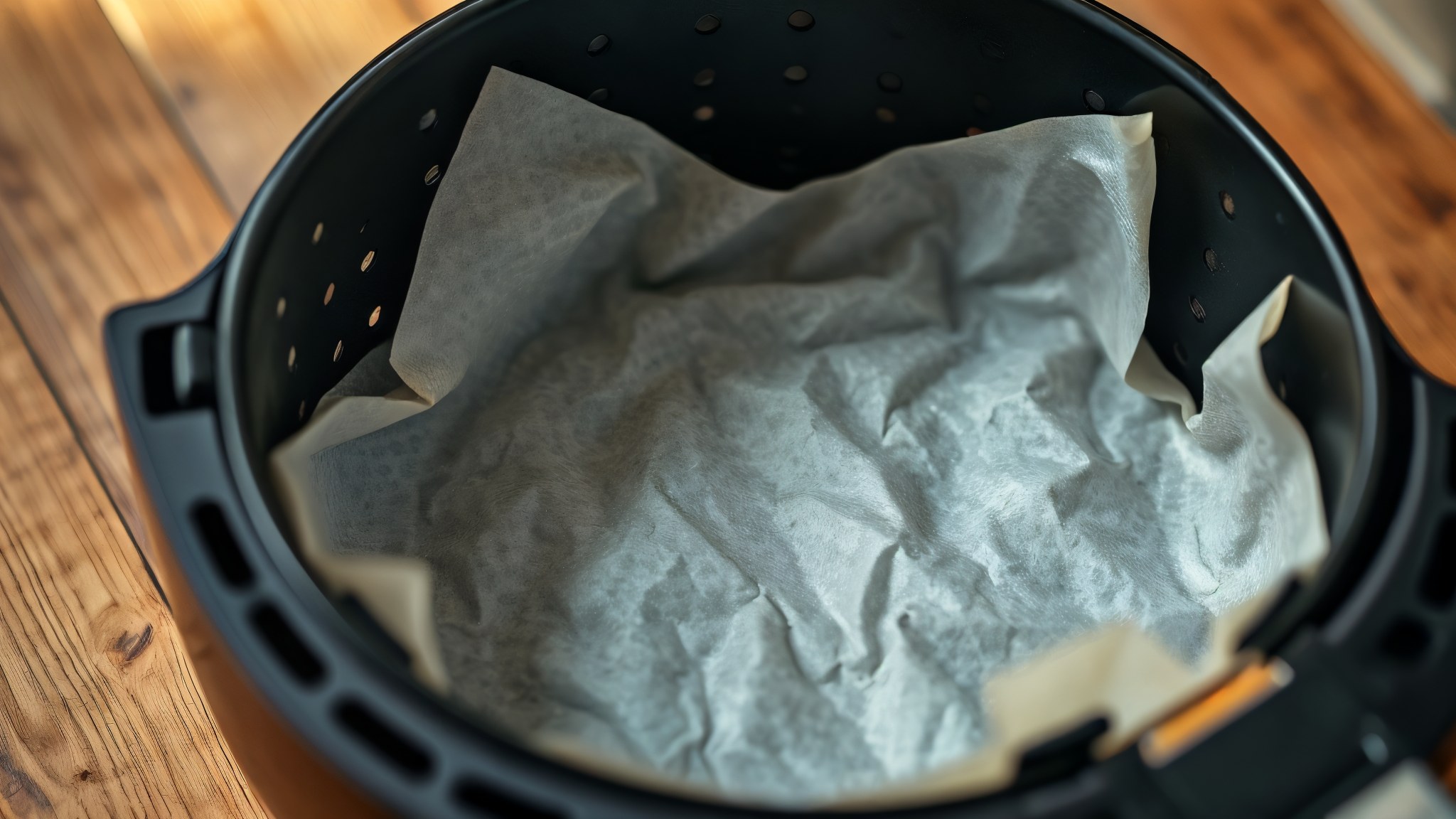
Air fryers aren’t magic boxes. They’re essentially compact convection ovens with a powerful fan that circulates superheated air around your food at high speed. That rapid airflow is what creates the crispy texture people love — it strips moisture from the surface of food quickly and efficiently.
This matters a lot when you’re thinking about foil. Unlike a conventional oven where you can line a baking sheet and call it a day, an air fryer depends on air moving freely in every direction — including underneath your food. Block that airflow and you’ve basically turned your air fryer into a very small, hot oven with uneven heat distribution. Food won’t crisp. It might steam instead. And depending on the model, restricted airflow can cause the heating element to work harder than it should.
Most air fryers run between 300°F and 400°F. Aluminum foil melts around 1,220°F, so temperature alone isn’t the issue. The issue is placement, coverage, and what you’re cooking.
When It’s Totally Fine to Use Aluminum Foil
There are plenty of situations where foil in an air fryer is not just acceptable — it’s actually smart. You just have to know the rules.
Cooking Messy or Saucy Foods
Saucy chicken thighs, glazed meatballs, sticky ribs — these are the nightmare scenarios for air fryer cleanup. A loose sheet of foil shaped like a shallow bowl in the basket catches the drips and saves you from scrubbing baked-on glaze for twenty minutes. It works. Just make sure you leave the edges of the foil below the rim so hot air can still flow up and around the food.
Cooking Delicate Foods That Might Fall Apart
Fish fillets, soft vegetables, or crumbly foods can be tricky in the basket — pieces fall through the grate, or the food sticks and tears. A small piece of foil under the food solves this without changing the cooking dynamics too much, as long as you keep the foil small and leave plenty of open space around it.
Reheating Leftovers
Foil can help with reheating food in a toaster oven or air fryer by trapping a bit of moisture. Wrap a slice of pizza or a portion of pasta loosely, heat at 325°F for about 5–7 minutes, and it comes out much less dry than if you’d just set it directly in the basket. Open the foil for the last 2 minutes if you want a crispier result.
When You Should Never Use Aluminum Foil
This is where most people get into trouble. There are some situations where foil in an air fryer is a genuinely bad idea, and knowing them will save you from ruined food and potentially a real hazard.
Never Put Foil in the Bottom Drawer
The bottom of most basket-style air fryers has a pull-out drawer that sits under the actual cooking basket. Some people line this with foil to catch grease. Don’t do it. That space is where the heating element draws air from. Covering it with foil disrupts airflow so severely that some models will overheat and shut off as a safety measure — or worse, won’t shut off at all.
Never Let Foil Touch the Heating Element
Air fryer heating elements are typically coiled at the top of the unit, close to where the fan sits. If a loose piece of foil gets sucked up by the fan and makes contact with that element, you’re looking at sparking, burning, and possibly a fire. And it can happen faster than you’d think — especially with lightweight pieces of foil that aren’t anchored by food.
Always put food on top of the foil before you start the machine. Never preheat with empty foil sitting in the basket.
Avoid Foil With Acidic Foods
Tomatoes, citrus marinades, vinegar-based sauces, certain berries — these are all acidic enough to react with aluminum foil at high heat. The reaction is real and documented. According to Serious Eats, acidic ingredients can cause aluminum to leach into food, affecting flavor and — with repeated exposure over time — potentially raising health concerns. It’s not a one-time emergency, but it’s a habit worth avoiding.
Aluminum Foil vs. Parchment Paper vs. Nothing: A Comparison
If you’re trying to decide what to use — or whether to use anything at all — here’s a quick breakdown of how the three main options compare inside an air fryer.
| Option | Heat Safe Up To | Airflow Impact | Best For | Avoid With |
|---|---|---|---|---|
| Aluminum Foil | ~1,220°F | Moderate if used correctly | Saucy foods, delicate fish, reheating | Acidic foods, empty preheating |
| Parchment Paper | ~425–450°F | Low if pre-perforated | Baking, dumplings, sticky foods | Temperatures above 450°F |
| Nothing (bare basket) | N/A | Maximum | Fries, wings, anything crispy | Very saucy or crumbly foods |
For most crispy foods — french fries, chicken wings, roasted vegetables — no liner at all gives the best results. The basket grate is designed to let air hit the food from below, and covering it at all reduces that effect. But for convenience and cleanup, a properly placed piece of foil or a perforated parchment paper liner is a totally reasonable trade-off.
Practical Tips for Using Foil Safely in Your Air Fryer
Here’s the actual no-nonsense guide to doing this right. Follow these and you won’t have issues.
- Keep foil to two-thirds of the basket floor or less. You want hot air moving up the sides and around the food. Cover the whole bottom and you kill circulation.
- Always add food before starting the air fryer. Never run the machine with loose foil inside. The fan will move it.
- Shape foil like a shallow tray, not a flat sheet. Curling up the edges slightly contains drips and stays in place better.
- Use heavy-duty foil when possible. Standard foil tears easily and lighter pieces are more likely to shift during cooking.
- Check your air fryer’s manual. Some manufacturers — notably Philips — explicitly say not to use foil at all. Others are fine with it. When in doubt, look it up before you risk voiding your warranty.
If you use foil regularly and find cleanup is still a hassle, it might be worth investing in an air fryer reusable silicone liner — these are dishwasher-safe, don’t disrupt airflow much, and eliminate the need for disposable foil entirely. For those who also use a toaster oven, check out what to look for in the best mini toaster ovens — many of them come with accessories that make liners unnecessary.
It’s also worth understanding just how hot the heating elements in these appliances get — check out our article on how hot a toaster gets for more context on why proximity to heating coils matters so much.
And if you’re still unsure about best practices, the FDA’s safe food handling guidelines are a solid resource for general food safety principles, including the use of materials like foil during cooking.
The Bottom Line
Aluminum foil in an air fryer isn’t a yes or no question — it’s a “yes, if you know what you’re doing” answer. The foil itself isn’t dangerous. The mistakes people make with it are. Keep it in the basket, keep it weighted down with food, keep it away from the heating element, and don’t go overboard with coverage. Do all that and you get all the convenience benefits without any of the risks.
But honestly? For everyday air frying, going without any liner at all is usually the best move. The basket is designed to work without it. Use foil when you have a specific reason — saucy food, fragile fish, a meal you want to reheat gently. Not as a default. And if you want an alternative that’s even more forgiving, grab a pack of perforated parchment liners and stop thinking about it altogether.
Frequently Asked Questions
Can you put aluminum foil in an air fryer without it being a fire hazard?
Yes, foil is safe in an air fryer as long as it’s placed in the cooking basket, fully weighed down by food, and kept away from the heating element. The fire risk comes from loose foil being blown into contact with the heating coil by the fan — not from foil simply being present. Always place your food on top of the foil before turning the machine on.
Can you put aluminum foil in the bottom of an air fryer to catch grease?
No — placing foil in the very bottom drawer (below the basket) of an air fryer is one of the most common and dangerous mistakes people make. This area is part of the airflow path and can interfere with the heating system, potentially causing overheating. To catch grease, shape a small piece of foil inside the basket itself, under the food, instead.
Is parchment paper safer than aluminum foil in an air fryer?
Parchment paper — especially pre-perforated air fryer liners — is generally a more forgiving choice because it allows more airflow through its holes and doesn’t react with acidic foods. However, parchment paper has a lower heat ceiling (around 425–450°F), so at very high temperatures, foil is actually the more heat-stable material. Both work well when used correctly.
Does aluminum foil affect cooking time in an air fryer?
Yes, foil can slightly increase cooking time because it reduces airflow under the food, which slows the crisping process. Add 2–3 minutes to your usual cook time when using foil, and check doneness a minute or two early if you’re cooking something delicate. Opening up or removing the foil for the final few minutes is a good trick for getting crispier results.
Which air fryer brands say not to use aluminum foil?
Philips is the most well-known brand that advises against using aluminum foil in their air fryers, citing airflow concerns in their official documentation. Ninja and Cosori generally allow it with the same precautions outlined in this article. Always check your specific model’s user manual before using any liner material — manufacturer recommendations vary and using foil against the guidelines could void your warranty.
—
Written by
Emma founded Toastera to turn vague appliance advice into clear, researched, safety-first guidance on toasters and toaster ovens.
Free: the Toaster Oven Cheat Sheet
Get the printable cheat sheet (temps, cook times & safety tips) plus new recipes. No spam, unsubscribe anytime.