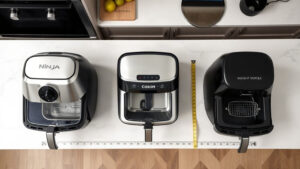
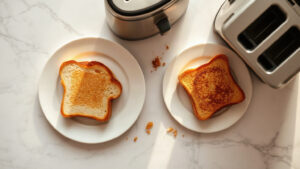
The outside of a toaster can reach anywhere from 90°F to over 160°F (32°C–71°C) during normal use, depending on the model, the shade setting, and how many back-to-back cycles you’ve run. That’s hot enough to cause a painful burn on contact, especially on the top panel and side vents. You should treat the exterior of a running toaster the same way you’d treat a hot pan — don’t touch it, and keep kids and dish towels well away from it.
Safety First: The exterior surfaces of a toaster — particularly the top, sides, and areas near the slots — can reach temperatures above 150°F during repeated toasting cycles. Never touch a toaster during or immediately after use, never store anything on top of it while it’s running, and always keep at least 4 inches of clearance on all sides. Keep children away from the appliance while in use, and unplug it when not in use to eliminate fire risk from electrical faults.
Quick Facts
- Toaster exterior surface temps typically range from 90°F to 165°F (32°C–74°C) during active use
- The top panel gets hottest — often 20–40°F hotter than the sides
- Internal heating elements can reach 1,100°F to 1,200°F, but most of that heat stays contained
- Stainless steel models conduct heat to the exterior more efficiently than plastic-bodied ones
- Running two or three back-to-back cycles significantly raises the external temperature — sometimes by 30°F or more
What’s Actually Happening Inside a Toaster
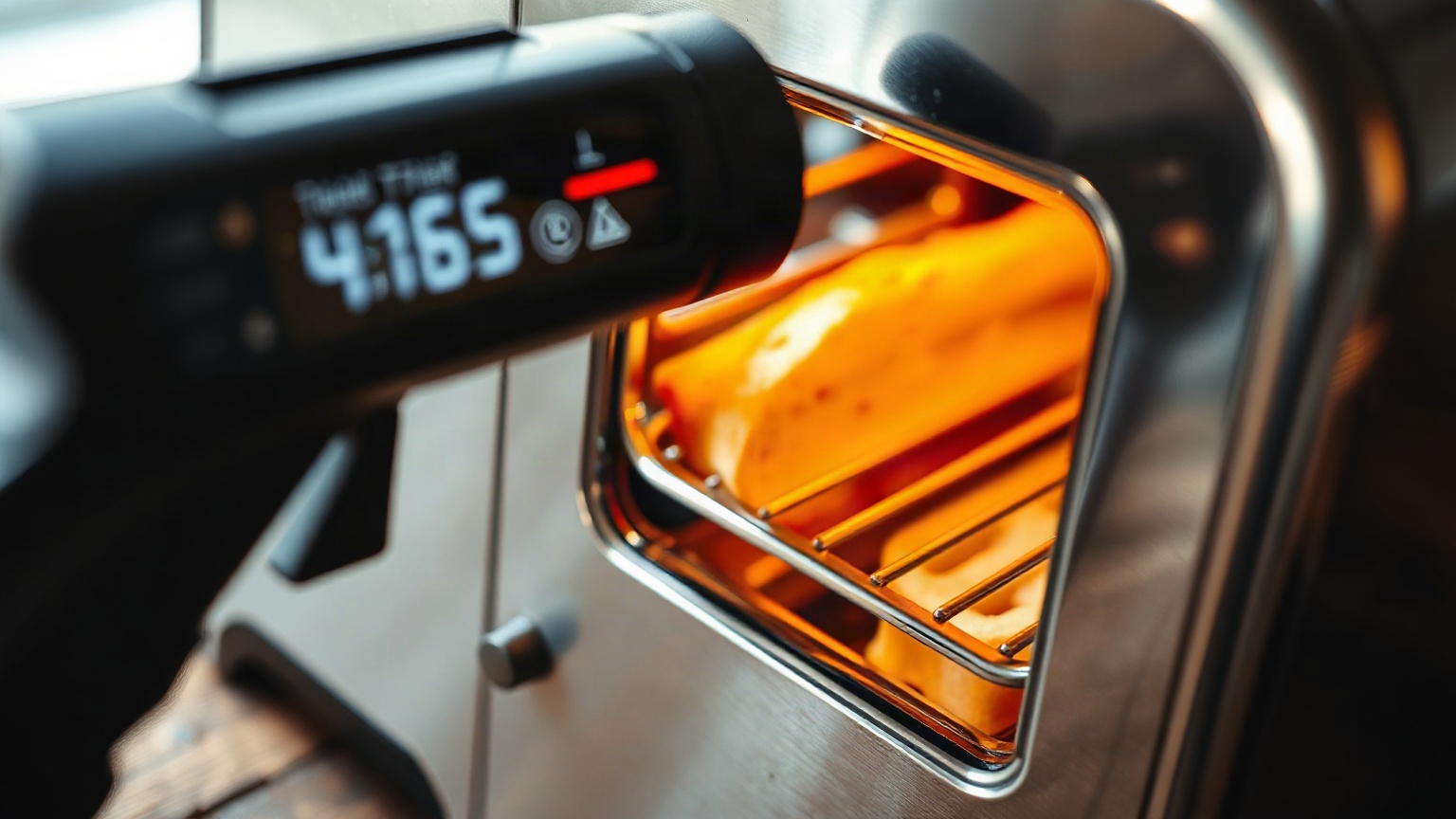
The heating elements inside a standard pop-up toaster are nichrome wire coils. When you push down the lever and current flows through them, they glow red-hot — we’re talking temperatures between 1,100°F and 1,200°F in some models. That’s genuinely extreme. The bread sits maybe half an inch away from those elements, which is why even a medium shade setting can brown bread in under two minutes.
Now, most of that heat radiates directly onto the bread and dissipates upward through the slots. The toaster body itself — usually stainless steel or plastic with an inner metal chassis — acts as a partial barrier. But it’s not insulated. Heat conducts through the walls, and the exterior temperature climbs steadily the longer you use it.
I first learned this the hard way when I grabbed my old Cuisinart CPT-180 by the side to move it mid-cycle. Dumb move. The side wall was hot enough that I pulled my hand back immediately — I’d guess it was around 130°F at that point. Didn’t blister, but definitely unpleasant. These days I either wait or use an oven mitt.
How Hot Different Parts of the Toaster Get
Not every surface heats up the same way. The distribution matters a lot, especially if you’re thinking about where to place the toaster on your counter.
The Top Panel
This is the hottest external surface, full stop. Heat rises. The slots are open at the top, and hot air escapes directly upward. I’ve measured the top of my current toaster — a mid-range Hamilton Beach 2-slice — at around 155°F after two back-to-back toasting cycles on shade 4 of 5. That’s hot enough to cause a burn in seconds. Never put anything on top of a toaster while it’s running. I’ve seen people stack paper towels or bread bags up there. Don’t.
The Side Panels
Sides typically run cooler — around 90°F to 120°F during normal single-cycle use. If the housing is stainless steel, expect the higher end of that range because stainless conducts heat well. Plastic-bodied toasters do a slightly better job of insulating the outer shell from the inner heat, though they have their own concerns at sustained high temps. After three or four consecutive toast cycles, I’ve seen stainless sides creep up close to 140°F.
The Bottom and Crumb Tray
The underside stays relatively cool — usually under 90°F — because heat travels up, not down. The crumb tray itself is a different matter if crumbs are actively burning, which is a fire risk in its own right. Keep it clean. That’s not negotiable. For more on how hot a toaster gets internally versus externally, I’ve got a separate breakdown that goes deeper on the internal mechanics.
Surface Temperature Comparison by Toaster Type
Different toaster designs run at noticeably different exterior temperatures. Here’s what I’ve found across various types:
| Toaster Type | Avg. Top Panel Temp (After 2 Cycles) | Avg. Side Panel Temp | Body Material | Burn Risk |
|---|---|---|---|---|
| Standard 2-slice pop-up (plastic body) | 120°F–135°F | 90°F–105°F | Plastic | Moderate |
| Standard 2-slice pop-up (stainless) | 140°F–160°F | 110°F–130°F | Stainless steel | High |
| 4-slice pop-up (stainless) | 150°F–165°F | 115°F–135°F | Stainless steel | High |
| Toaster oven (compact) | 160°F–200°F+ | 130°F–170°F | Stainless/metal | Very High |
| Long-slot toaster (bagel style) | 135°F–155°F | 100°F–120°F | Mixed | Moderate–High |
Toaster ovens deserve special mention. The exterior of a toaster oven running at 400°F inside can get shockingly hot on the outer walls — well above 170°F in some cheaper models with thin walls. If you’re shopping for one, look at models with better insulation like the Breville Smart Oven series, which runs noticeably cooler on the exterior than budget options. I’d suggest pairing a good toaster oven with a proper heat-resistant counter mat under it regardless.
Factors That Make the Outside Get Hotter
It’s not just about the toaster model. A few specific habits dramatically increase how hot the exterior gets.
Consecutive Toasting Cycles
This is the big one. One cycle — bread goes in, pops up, done — leaves the toaster reasonably warm but not dangerous. Run three or four cycles back to back, the kind you’d do when making toast for a family breakfast, and the exterior temperature climbs fast. By the fourth cycle, that stainless steel body is holding significant heat with nowhere to go. I’ve measured increases of 30–40°F from first to fourth cycle on the same toaster.
Shade Setting
Higher shade settings mean longer cycle times and more sustained heat from the elements. Dark toast on setting 5 versus light toast on setting 2 makes a real difference to exterior temps, particularly on the top panel. If you’re making several batches of dark toast, the toaster body is going to be considerably hotter than it would be for a quick light cycle.
Ventilation Around the Toaster
Stuffing a toaster into a cabinet nook or against a wall with no clearance on the sides traps heat. The exterior gets hotter, the toaster runs less efficiently, and the fire risk goes up. Four inches of clearance on all sides isn’t excessive — it’s the minimum. I’d actually go six inches if your counter space allows.
Age and Dust Buildup
Older toasters with dusty vents and accumulated crumbs inside run hotter on the exterior because heat can’t dissipate as effectively. If your toaster feels hotter than it used to, that’s worth paying attention to. A crumb tray clean and a careful wipe of the vents can genuinely make a difference — and might tell you something about whether the appliance is still safe to use.
Is It Actually Safe? What the Temperatures Mean in Practice
At 120°F, skin contact for more than a few seconds causes discomfort. At 140°F, you’re looking at a potential burn within a couple of seconds of contact. Above 150°F — which a stainless toaster top absolutely can reach — contact causes pain almost immediately and prolonged contact can blister.
So yes, it’s a real burn risk. Especially for kids, who don’t have the same reflexive reaction to pull away quickly. This isn’t alarmism. It’s just physics.
That said, a well-maintained toaster used with reasonable spacing and kept out of reach of children is not a household danger. It’s one of those appliances where the actual risk is low if you treat it sensibly — and embarrassingly easy to hurt yourself with if you don’t. I fall firmly into the “experienced enough to be careless sometimes” category and have the evidence of a brief forearm contact with a toaster oven exterior to show for it.
If you’re regularly reheating food in a toaster oven, the exterior temperatures are even more relevant — toaster ovens run significantly hotter than pop-up toasters and can maintain those exterior temps for extended periods. Oven mitts aren’t optional.
One thing I’d recommend: get a simple infrared thermometer for the kitchen. They’re cheap, they’re genuinely useful, and they’ll tell you exactly what surface temperatures you’re dealing with on any appliance in your kitchen. I use mine more than I expected to.
What You Can Do to Reduce the Risk
A few practical habits go a long way here.
- Keep the toaster away from cabinets, curtains, and anything flammable — minimum four to six inches clearance on all sides and above
- Never leave anything resting on top of or leaning against the toaster while it’s in use
- Let the toaster cool for at least five minutes after use before moving it or wiping it down
- Empty the crumb tray weekly — or more often if you use it daily
- Unplug it when not in use, especially in a home with young children
If you’re shopping for a new one and exterior temperature is a concern — maybe you have kids or limited counter space — look at models with wider ventilation slots and double-wall construction. Some of the best mini toaster ovens on the market now do a reasonable job of insulating the outer shell. It’s worth checking reviews specifically for mentions of exterior heat, since spec sheets rarely include that information.
The Serious Eats toaster review methodology includes practical tests that sometimes surface this kind of real-world detail, which is part of why I find their appliance coverage more useful than most.
The Bottom Line
A toaster exterior isn’t going to spontaneously combust sitting on your counter. But it does get genuinely hot — hot enough to burn, hot enough to damage surfaces, and hot enough to ignite things placed too close to it. The top panel after several back-to-back cycles on a stainless toaster is not something you want to grab barehanded, and it’s not something a dish towel should ever be draped over.
Treat it with the same respect you’d give a stovetop burner. Quick check before touching. Keep kids away. Don’t stack things on it. That’s really the whole policy, and it makes this a perfectly safe appliance to use every single morning — which, honestly, is what I do.
Frequently Asked Questions
How hot does a toaster get on the outside?
The outside of a toaster typically reaches 90°F to 165°F during use, with the top panel being the hottest surface. Stainless steel models run hotter on the exterior than plastic-bodied ones because stainless conducts heat more efficiently. Running multiple cycles back-to-back can push exterior temps to the higher end of that range.
Can a toaster burn you if you touch it while it’s running?
Yes — particularly the top panel, which can exceed 150°F after a few consecutive cycles, and contact at that temperature causes pain and potential burns within seconds. The sides are somewhat cooler but still uncomfortable to hold. The bottom stays relatively cool because heat rises away from it.
Is it safe to leave a toaster plugged in when not in use?
It’s generally low risk, but unplugging it removes any chance of an electrical fault causing a fire when you’re not around. Many toaster fires happen from stuck levers and malfunctions that occur when no one is in the kitchen. Unplugging is a small habit that eliminates that specific risk entirely.
How hot does the inside of a toaster get compared to the outside?
The heating elements inside can reach 1,100°F to 1,200°F — vastly hotter than the exterior. The metal chassis and housing absorb and dissipate much of that heat, which is why the outside only reaches 90°F–165°F depending on conditions. It’s a dramatic difference, and it’s why the toaster body itself works as a reasonable (though not perfect) heat barrier.
What should I put under my toaster to protect my counter?
A heat-resistant silicone mat or a toaster oven liner placed under the appliance protects laminate and wood countertops from the heat that radiates downward and from the sides. This is especially useful for toaster ovens, which run significantly hotter than pop-up toasters. Standard pop-up toasters produce less downward heat, but a mat is still a sensible precaution on delicate surfaces.

Written by
Emma founded Toastera to turn vague appliance advice into clear, researched, safety-first guidance on toasters and toaster ovens.
Free: the Toaster Oven Cheat Sheet
Get the printable cheat sheet (temps, cook times & safety tips) plus new recipes. No spam, unsubscribe anytime.