To reheat chicken nuggets in a toaster oven so they stay crispy, set it to 400°F, place the nuggets on a wire rack (not directly on the pan), and heat for 5–8 minutes. The elevated heat re-crisps the coating without steaming the inside, which is exactly what kills texture in a microwave. If you’re working from frozen, add 3–4 minutes and don’t skip the preheat.
Safety First: Toaster ovens run hot and the interior walls, racks, and pans can cause serious burns. Always use oven mitts when pulling out the rack or pan, never line the bottom tray with foil (it can trap heat and become a fire risk with grease drips), and keep the toaster oven on a heat-safe surface with at least 4 inches of clearance on all sides.
Quick Takeaways
- 400°F is the sweet spot — hot enough to crisp, not so hot that the outside burns before the inside warms through
- A wire rack underneath makes a noticeable difference; skipping it leaves the bottom side soggy
- Refrigerated nuggets need 5–8 minutes; frozen nuggets need 8–12 minutes
- Let nuggets sit at room temp for 5 minutes before reheating — this one small step speeds up the reheat and improves texture
- Never cover them with foil while reheating — trapped steam is what turns crispy coatings into mush
I’ve reheated a lot of nuggets. More than I’d care to admit. My kids eat them constantly, and I spent an embarrassingly long time nuking leftovers in the microwave before I finally stopped. The toaster oven is just better. Full stop. But there’s a right way and a wrong way to do it, and for a while I was doing the wrong way — getting nuggets that were hot but still kind of limp and pale on the bottom. The fix was simple once I figured it out. Here’s everything I know.
Why the Microwave Is the Enemy of Crispy Nuggets
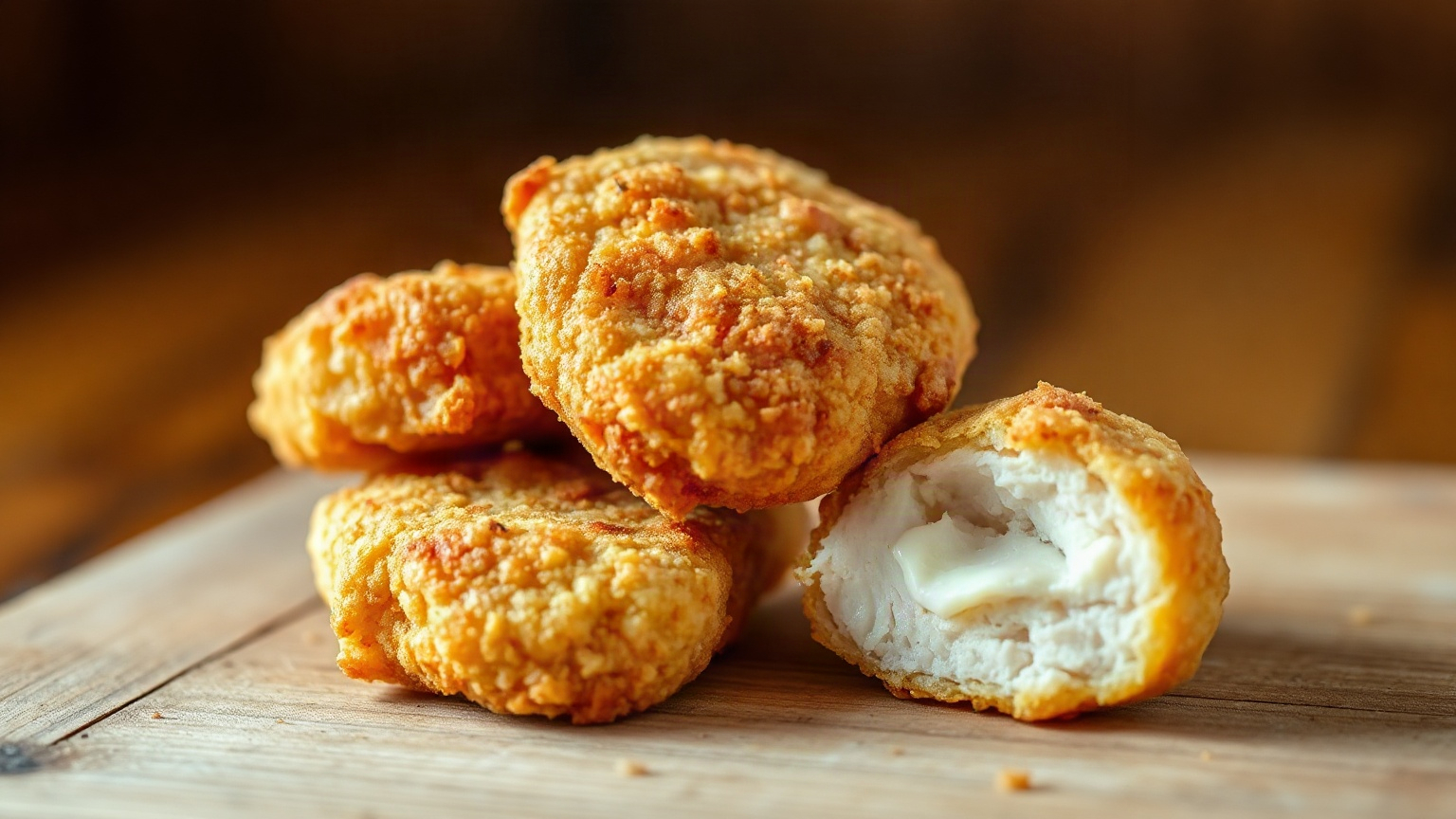
Microwaves heat food by exciting water molecules. That sounds great until you realize that the breaded coating on a chicken nugget is basically a sponge — it absorbs that moisture and turns soft. You don’t get crunch. You get a hot, slightly rubbery exterior that feels wrong.
The toaster oven works through dry radiant heat. It dries out the surface of the coating while warming the inside. That’s the exact opposite of what a microwave does. For more context on how these heating methods compare for leftovers generally, I wrote about reheating food in a toaster oven if you want the full breakdown.
Air fryers work similarly and are great for nuggets — but not everyone has one, and honestly, a toaster oven at 400°F gets you 90% of the way there with zero extra counter space.
The Exact Method I Use (And What Tripped Me Up at First)
Step 1: Preheat. Actually preheat.
Don’t skip this. I know it feels pointless for a five-minute job, but putting nuggets into a cold toaster oven means they start heating slowly from the outside while the moisture inside has time to migrate outward. The coating gets soggy before it ever gets the chance to crisp up. Give it a full 5 minutes at 400°F before anything goes in.
Step 2: Pull them out of the fridge early
Five minutes on the counter. That’s it. Letting refrigerated nuggets warm up slightly means the outside and inside come to temperature more evenly in the oven — so you’re not trying to heat a cold center while the coating overcooks. I skipped this step for a long time and couldn’t figure out why my nuggets were simultaneously overdone on the outside and weirdly cool in the middle.
Step 3: Use a wire rack, not just the pan
This is the real secret. A flat pan means the underside of each nugget is sitting in any residual grease or steam, and it never crisps. A toaster oven wire rack elevates the nuggets so hot air circulates underneath. You get crunch on all sides, not just the top. Even sitting a nugget on top of a small crumpled piece of foil helps in a pinch, though the rack is genuinely better.
Place the wire rack over your toaster oven baking pan so any drips are caught. Spread nuggets in a single layer with a little space between them. Crowding them traps steam between pieces — same problem, different cause.
Step 4: Heat at 400°F for 5–8 minutes
For refrigerated nuggets, 6 minutes is usually perfect for standard fast-food size. Larger homemade nuggets might want the full 8. You don’t need to flip them midway if you’re using a wire rack — the air gets underneath anyway. But if you’re using just a pan, flip them at the 4-minute mark.
Don’t use the “toast” setting. Use “bake.” Toast is top-element dominant on most machines, which burns the top before the inside is hot. Bake uses both elements more evenly. Small but real difference.
Reheating Frozen vs. Refrigerated Nuggets: The Numbers
The method is basically the same, but the timing matters a lot depending on what you’re starting with. Here’s a quick reference:
| Starting State | Temperature | Time | Flip Needed? |
|---|---|---|---|
| Refrigerated (leftover) | 400°F | 5–8 min | Only if using a flat pan |
| Frozen (from freezer) | 400°F | 8–12 min | Flip at 6 min if on pan |
| Room temp (sat out) | 375°F | 4–5 min | No |
For frozen nuggets specifically: don’t thaw them first. Just add time. Thawing and then baking creates an extra moisture step that works against you. Straight from freezer to preheated oven is the move.
The USDA recommends reheating cooked poultry to an internal temperature of 165°F. For standard nuggets this happens well within the timing above, but if you have thick homemade ones, a quick check with an instant-read thermometer is smart. See USDA’s safe minimum internal temperature guidance if you want the full breakdown.
Edge Cases Worth Knowing About
McDonald’s or fast-food nuggets specifically
These are already pretty thin, and they reheat faster than you’d expect. At 400°F, 5 minutes is often enough — sometimes even 4. They can go from perfect to slightly overdone quickly because the coating is so thin. Check them at the 4-minute mark the first time, then you’ll know your oven’s rhythm.
Plant-based nuggets (Morningstar, Gardein, etc.)
These have a different moisture content than meat-based nuggets and can dry out faster. I’d drop the temp to 375°F and check at 5 minutes. They don’t need to hit 165°F internally — they just need to be hot through — but the lower temp keeps the coating from getting weirdly hard.
Nuggets that have already been reheated once
Honestly? Toss them. The texture after a second reheat is never good, and from a food safety standpoint, you’re pushing the limits of how many times you should cycle cooked chicken through temperature danger zones. This is an edge case nobody else mentions, but it’s real.
If your toaster oven runs hot or uneven
A lot of smaller toaster ovens have hot spots, especially near the back element. I’ve tested a bunch of models for this site — you can see my picks in the best mini toaster ovens roundup — and heating consistency varies a lot. If you notice the nuggets near the back browning faster than the front, rotate the rack halfway through. Simple fix.
A Quick Word on Temperature: Why 400°F and Not Lower
Some guides suggest 350°F. That works, but you need more time (10–12 minutes) and the crispiness is noticeably less impressive. At 350°F, you’re essentially warming the nugget more than you’re crisping it. 400°F hits the Maillard reaction range faster, which is what actually browns and crisps a coating. Go lower if you’re worried about burning, but don’t be surprised if the result is meh.
For reference, Serious Eats has a good writeup on the science of reheating fried foods that explains why high heat is your friend here — worth a read if you want to geek out a bit.
And yes, I know some people use a convection setting if their toaster oven has one. Convection at 375°F is basically equivalent to regular bake at 400°F — the fan does the extra work. Either works. I personally default to regular bake at 400°F because it’s less fussy and I don’t have to remember to adjust anything. Knowing how hot a toaster gets in different modes is actually useful context for this.
The Bottom Line
Reheating chicken nuggets well isn’t complicated, but it does require actually doing it right. Preheat the oven. Use a rack. Don’t cover them. 400°F for 5–8 minutes from the fridge, or 8–12 from frozen. That’s it. The difference between a limp microwaved nugget and a properly reheated toaster oven nugget is legitimately significant — my kids noticed without me saying anything, which is about as good an endorsement as I can offer.
Skip the microwave. Give the toaster oven five extra minutes. You’ll be glad you did.
Frequently Asked Questions
What temperature should I reheat chicken nuggets in a toaster oven?
400°F is the right temperature for reheating chicken nuggets in a toaster oven. It’s hot enough to re-crisp the coating quickly without overcooking the inside. If your toaster oven runs hot, 375°F with convection (if available) gives similar results with a little less risk of burning the coating.
How long does it take to reheat chicken nuggets in a toaster oven?
Refrigerated nuggets take 5–8 minutes at 400°F in a preheated toaster oven. Frozen nuggets need 8–12 minutes at the same temperature — no need to thaw them first. Fast-food style nuggets (which are thin) are usually done closer to the 5-minute mark, so check early the first time.
Do I need to flip chicken nuggets when reheating them in a toaster oven?
If you’re using a wire rack, you don’t need to flip — hot air circulates underneath and crisps the bottom on its own. If you’re reheating on a flat pan with no rack, flip them at the halfway point so the underside doesn’t stay soggy. The rack is always the better setup.
Can I reheat frozen chicken nuggets in a toaster oven without thawing first?
Yes, and you should. Going straight from frozen to a preheated 400°F toaster oven gives better texture than thawing first — thawing introduces extra moisture that softens the coating before it even hits the heat. Just add a few extra minutes to the cook time and check for doneness around the 10-minute mark.
Why are my reheated chicken nuggets still soggy even in the toaster oven?
The most common causes are skipping the preheat, crowding the nuggets too close together, or placing them directly on a flat pan with no airflow underneath. Covering them with foil is another culprit — trapped steam kills crispiness fast. Use a wire rack, leave space between each nugget, and never cover them during reheating.

Written by
Emma founded Toastera to turn vague appliance advice into clear, researched, safety-first guidance on toasters and toaster ovens.
Free: the Toaster Oven Cheat Sheet
Get the printable cheat sheet (temps, cook times & safety tips) plus new recipes. No spam, unsubscribe anytime.