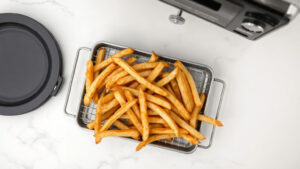
To reheat restaurant leftovers in a toaster oven without drying them out, set the temperature between 300°F and 350°F (lower than you’d think), add a small amount of moisture — either a few drops of water, a drizzle of sauce, or a loose foil tent — and pull the food out the moment it hits temperature. High heat is the enemy here. It drives moisture out faster than the food can absorb it back, leaving you with sad, leathery results that taste nothing like last night’s dinner.
Safety First: Toaster ovens reach high temperatures quickly and retain heat long after switching off. Never cover food with plastic wrap or wax paper inside a toaster oven — both can melt or ignite. Use only oven-safe dishes, foil, or parchment. Keep flammable materials (paper bags, takeout containers) away from heating elements at all times, and never leave food unattended, especially fatty or saucy leftovers that can splatter and smoke.
Quick Facts: Reheating Leftovers in a Toaster Oven
- The sweet spot for most leftovers is 300°F–350°F, not the 400°F+ people often default to.
- A loose foil tent traps steam and prevents surface moisture from evaporating — it’s probably the single most effective trick in this guide.
- Preheat the toaster oven fully before food goes in. Putting cold food into a cold oven extends exposure time to dry heat unnecessarily.
- Most leftover proteins (chicken, steak, fish) are done reheating in 8–12 minutes at 325°F — pull them at 140°F internal temp.
- Pizza and bread-based items are the exception: they actually benefit from slightly higher heat (375°F) and no foil, to re-crisp the base.
I’ve spent a lot of time reheating food in toaster ovens — occupational hazard of running a kitchen appliance blog, I suppose. My first few attempts were disasters. Dried-out chicken. Rubbery pasta. A piece of salmon that smelled like a parking lot. It took some real trial and error to figure out what actually works, and most of the advice floating around online is either too vague or just wrong. So here’s what I’ve learned, food by food.
Why Toaster Ovens Beat Microwaves for Leftovers (and Where They Fall Short)
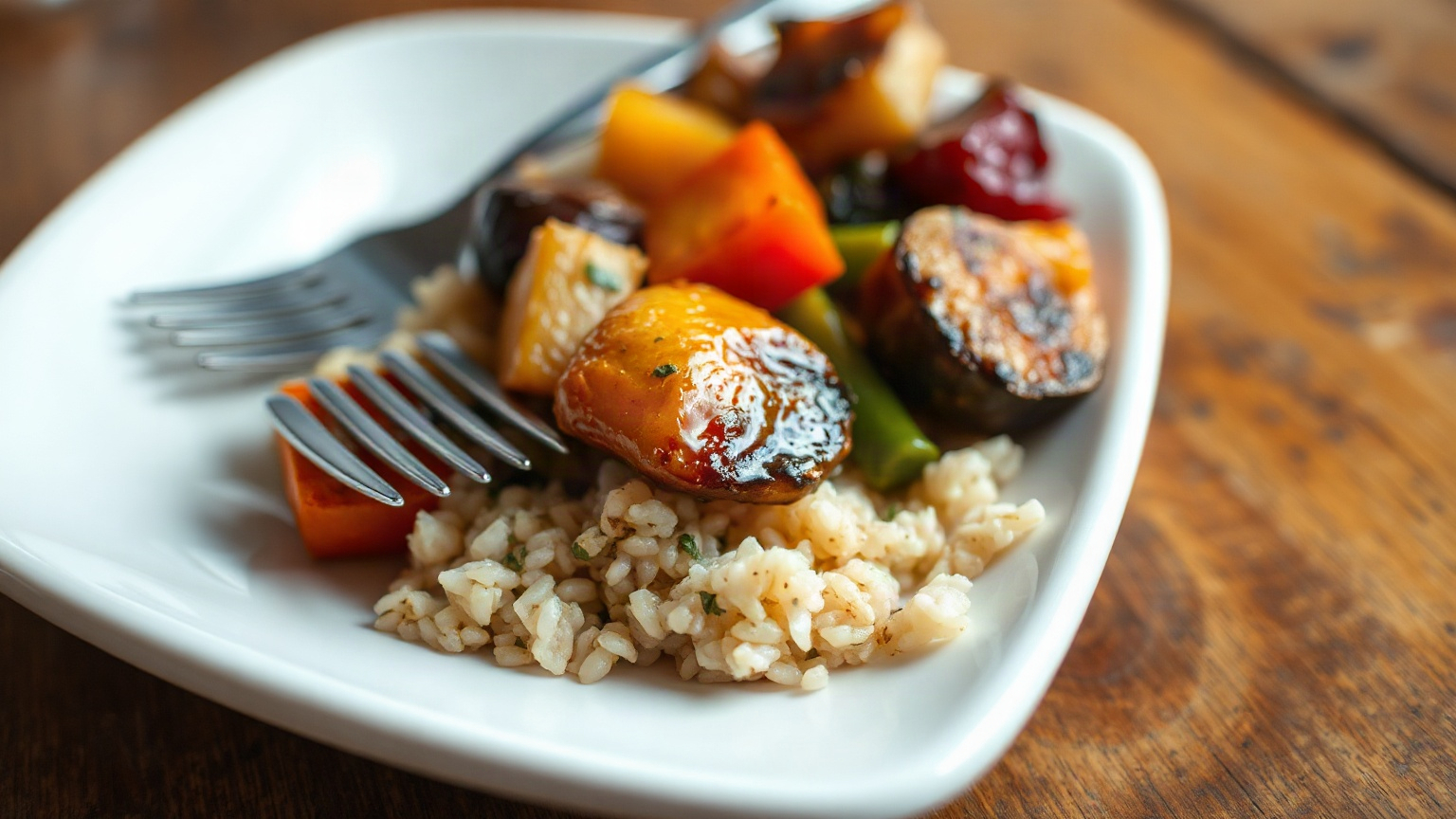
Microwaves work by exciting water molecules inside food — they heat from within, unevenly, and often create steamy, soggy textures. A toaster oven uses radiant heat from above and below, which means it can re-crisp surfaces while warming food through. That’s a huge deal for things like fried chicken, pizza, roasted vegetables, or anything that should have some texture.
But that same radiant heat is what dries food out if you’re not paying attention. The surface of a piece of chicken breast, for example, will hit the drying threshold well before the center gets warm. So the trick isn’t just “use a toaster oven” — it’s knowing how to use it. For a deeper look at how heat works in these appliances, check out our guide on reheating food in a toaster oven.
Where toaster ovens fall short: small portions of soup or anything liquid-heavy. Don’t bother. Use the stovetop. And for anything rice-based, I personally think a microwave with a damp paper towel on top still beats a toaster oven. That’s an opinion, not a law.
The Core Technique: Low Heat, Moisture Retention, and Timing
Before we get food-specific, there are three principles that apply to almost everything. Get these right and you’re 80% of the way there.
1. Lower the temperature than feels right
Most people set their toaster oven to 400°F out of habit. Too hot. For leftovers, 300°F–350°F is almost always better. Yes, it takes a couple extra minutes. But the difference in moisture retention is dramatic. I did a side-by-side test with leftover rotisserie chicken — identical pieces, one at 400°F for 8 minutes, one at 325°F for 12 minutes. The high-heat piece was noticeably drier on the surface. The lower-heat piece tasted almost fresh. Not a close call.
2. Use a foil tent (seriously, it works)
Take a piece of aluminum foil, place it loosely over your food — not crimped tight, just draped — and it traps the steam that naturally releases as food heats. This recycled moisture keeps the surface from drying out. Remove the foil for the last 2–3 minutes if you want any crispness. This one change fixed my dried-chicken problem almost completely.
3. Add a tiny bit of liquid before reheating
For proteins and casseroles: a teaspoon or two of water, broth, or sauce drizzled on top does a lot. Not soaking — just enough to give the steam something to work with. For pasta with sauce, stir in a splash of water before it goes in. For things like steak or chops, a small pat of butter on top is better than water. It melts as the meat heats and essentially bastes the surface.
Food-by-Food Reheating Guide
Pizza
Pizza
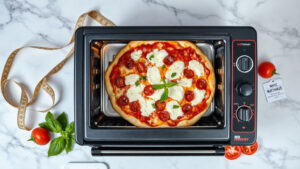
Pizza is actually one of the easiest things to reheat well in a toaster oven, which is probably why it shows up in every discussion of this topic. Preheat to 375°F. Place slices directly on the wire rack or on a toaster oven baking pan — the rack gives you a crispier bottom. Heat for 5–7 minutes. No foil needed here; you want the crust to firm back up. If your slices have a lot of cheese, watch them after minute 5 because cheese goes from “perfectly melted” to “burnt bubble” fast.
One trick I picked up and actually use: if the crust is really thick or the slice was refrigerated for a few days, put a small oven-safe cup of water in the corner of the toaster oven while it preheats. The humidity helps the cheese melt more evenly without the crust turning to cardboard. Sounds fussy. It works.
Chicken (roasted, fried, or grilled)
This is where most people go wrong. Chicken breast at high heat = dry. Period. Set the toaster oven to 325°F. Place chicken in an oven-safe dish, add a tablespoon of broth or water to the bottom of the dish, and cover loosely with foil. Heat for 10–15 minutes depending on thickness. Bone-in pieces take longer; boneless breasts can be done in 8–10. Pull it when an instant-read thermometer hits 140°F — the USDA technically says 165°F for food safety, but since this is already cooked food being reheated, 140°F internal is widely accepted as safe and keeps things juicy. If you want to get into that, Serious Eats has good coverage of the food science.
Fried chicken is a different story. Skip the foil, set it to 375°F, and use the toaster oven wire rack so air circulates underneath. 10–12 minutes. The crust will re-crisp. It’s not identical to fresh-fried but it’s genuinely good.
Steak and other red meats
Low and slow. 275°F, foil-tented, with a small pat of butter on top. A 1-inch thick steak takes about 20–25 minutes to reach 120–125°F inside (which puts it back in rare territory — adjust if you want it more done). This sounds like forever, but blasting it at 400°F will turn a beautiful medium-rare into gray rubber. Patience matters here more than anywhere else.
Pasta and casseroles
Mix in a splash of water or extra sauce first, then cover with foil. 350°F for 10–15 minutes. Stir once halfway through if you can. Baked pasta dishes like lasagna do really well in the toaster oven — arguably better than the microwave, which can make the edges rubbery while the center stays cold.
Fish
Fish is the trickiest. It overcooks in a blink, and it will smell up your kitchen if you’re not careful. 275°F, foil tent, 8–10 minutes max. Add a thin slice of lemon and a tiny drizzle of olive oil on top before covering. Check it at 8 minutes. If it flakes easily, it’s done. Leftover salmon especially benefits from this approach — it comes out silky instead of chalky.
Toaster Oven Temperature vs. Food Type: Quick Reference
| Food Type | Temp (°F) | Time (approx.) | Foil Tent? | Moisture Tip |
|---|---|---|---|---|
| Pizza | 375°F | 5–7 min | No | Optional: small cup of water in oven |
| Fried chicken | 375°F | 10–12 min | No | Use wire rack for airflow |
| Roasted/grilled chicken | 325°F | 10–15 min | Yes | 1 tbsp broth in dish |
| Steak / red meat | 275°F | 20–25 min | Yes | Butter pat on top |
| Pasta / casserole | 350°F | 10–15 min | Yes | Splash of water or sauce mixed in |
| Fish | 275°F | 8–10 min | Yes | Drizzle olive oil, add lemon slice |
| Roasted vegetables | 400°F | 5–8 min | No | Light oil spray, single layer only |
The Edge Cases Most Guides Ignore
A few situations where the standard advice breaks down:
Thick takeout containers with foil lids. Some restaurants use heavy-duty aluminum containers. You might be tempted to just pop them straight in. Don’t. Some have thin plastic film underneath the foil. Check before heating. Transfer food to a proper dish.
Reheating food that was frozen, not just refrigerated. Fully defrost first. If you try to go from frozen to reheated in a toaster oven, the outside will overheat before the center thaws. Defrost in the fridge overnight, then reheat as normal. Microwave defrost works too, just don’t start cooking it in there or you’ll have uneven heating you can’t undo.
Very small portions. If you’re reheating half a cup of something, a toaster oven is overkill and the small mass will dry out before the oven even settles to temperature. Stovetop or microwave is genuinely faster and better for tiny amounts. I know this isn’t what you came here to hear, but it’s true.
Saucy dishes that can splatter. Thai curries, pasta sauces, anything with a lot of liquid. Use a deep dish with sides, not a flat pan. Sauce on the heating element smokes and smells terrible. Ask me how I know. For more info on what temperatures your appliance actually operates at, see our breakdown of how hot a toaster gets.
Getting the Right Gear Makes a Difference
You don’t need much, but having the right tools helps. A wire rack that fits your toaster oven is huge for anything that needs airflow. A shallow baking pan with sides handles the saucy stuff. And an instant-read thermometer removes all the guesswork from proteins — stop cutting into your chicken to check if it’s warm. If you’re shopping for a new machine, our picks for the best mini toaster ovens are worth reading before you buy. And for food safety guidance on reheating temperatures more broadly, the USDA’s food safety resources are the reliable reference.
Final Thoughts
Reheating restaurant leftovers well isn’t complicated, but it does require a little more intention than cranking the heat and walking away. Lower temperatures, a foil tent, and a small amount of added moisture handle most situations. Pizza and fried things are the exceptions — they want higher heat and open air to get their texture back. Fish needs babysitting. Steak needs patience.
Once you’ve done this a few times it becomes second nature. And honestly, well-reheated leftovers are one of the small, underrated pleasures of home cooking. That Thai green curry you brought home last night? With the right technique, it’ll be excellent tomorrow. Don’t settle for mediocre reheating when you paid good money for good food.
Frequently Asked Questions
What temperature should I reheat leftovers in a toaster oven?
Most leftovers reheat best at 300°F–350°F. Higher temperatures dry food out before the center warms through. Pizza and fried foods are exceptions — they benefit from 375°F to help re-crisp the surface. Delicate items like fish do best at a gentler 275°F.
How do I reheat restaurant leftovers without drying them out?
Use a loose foil tent over the food to trap steam, add a small amount of liquid (water, broth, or sauce) to the dish before heating, and keep the temperature at 325°F or below for most proteins. Pull food as soon as it reaches serving temperature — lingering in a hot oven is what causes dryness.
How long does it take to reheat leftovers in a toaster oven?
Timing varies by food type and thickness, but most leftovers are done in 8–15 minutes at 325°F–350°F. Thin pizza slices take 5–7 minutes at 375°F. Thick steak at 275°F can take 20–25 minutes. An instant-read thermometer is more reliable than any fixed time — aim for 140°F internal for most proteins.
Is it safe to reheat leftovers in a toaster oven?
Yes, it’s safe as long as you use oven-safe cookware and keep flammable materials away from heating elements. Never put plastic takeout containers, paper bags, or styrofoam in a toaster oven — they can melt or catch fire. Transfer food to a proper baking dish or foil before reheating.
Should I cover food when reheating in a toaster oven?
For most proteins, pasta, and casseroles, yes — a loose foil tent prevents moisture loss dramatically. For pizza, fried chicken, or anything where you want a crisp exterior, skip the foil entirely and let the dry heat do its job. The foil can come off for the last 2–3 minutes if you want a bit of browning on a covered dish.

Written by
Emma founded Toastera to turn vague appliance advice into clear, researched, safety-first guidance on toasters and toaster ovens.
Free: the Toaster Oven Cheat Sheet
Get the printable cheat sheet (temps, cook times & safety tips) plus new recipes. No spam, unsubscribe anytime.