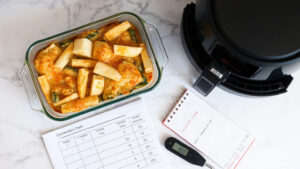
Reheating restaurant pasta in a toaster oven works best at 350°F, covered loosely with foil, for about 10–15 minutes depending on portion size. The foil traps steam, which keeps the sauce from evaporating and the noodles from turning into a sad, chewy brick. Add a small splash of water or broth before you cover it — that’s the move that actually makes a difference.
Safety First: Toaster ovens reach high temperatures quickly, and the interior walls, racks, and pans stay dangerously hot long after the cycle ends. Always use oven mitts when removing dishes, never leave foil touching the heating elements, and keep the toaster oven on a heat-safe surface away from cabinets or paper products. Don’t walk away while reheating — pasta dishes with oily sauces like carbonara or meat ragù can smoke if the temperature runs too high.
Quick Facts Before You Start
- Best reheating temperature: 350°F (175°C)
- Reheat time: 10–15 minutes for a single restaurant portion, up to 20 minutes for a large shared pasta
- Always add 1–2 tablespoons of liquid (water, broth, or extra sauce) before covering with foil
- Uncover for the last 2–3 minutes only if you want a slightly browned, baked top (great for baked ziti, not great for spaghetti carbonara)
- Internal pasta temperature should reach at least 165°F before eating — a cheap instant-read thermometer takes the guesswork out
Why the Toaster Oven Is Actually Good at This
Microwaves are fast. But they heat unevenly — one corner of your fettuccine alfredo is scalding, the other still cold, and all of it has that slightly rubbery texture that makes leftovers feel punishing. The toaster oven heats more gently and evenly, especially if you use the “bake” setting rather than “broil.” It’s genuinely better for pasta.
The first time I tried this, I didn’t add any liquid and skipped the foil because I thought it would be fine. It was not fine. The edges of the pasta were crunchy, the center was dry, and the sauce had basically shellacked itself to the pan. Learned that lesson the hard way.
Now I keep a small toaster oven-safe baking dish specifically for reheating leftovers. It’s shallow enough that heat reaches everything without the center lagging behind. Makes a real difference. For more general guidance on reheating food in a toaster oven, we’ve covered a lot of different scenarios over there — but pasta has its own quirks worth talking through separately.
What You Need (It’s Not Much)
You don’t need anything fancy. Here’s what I actually use:
- An oven-safe dish or pan that fits your toaster oven — ceramic or glass works well, avoid thin aluminum takeout trays if possible
- Aluminum foil
- A splash of water, broth, or extra pasta sauce
- Oven mitts (not optional)
- An instant-read thermometer if you want to be sure it’s heated through
One thing to avoid: don’t use plastic containers from the restaurant. Even if they say “microwave safe,” that doesn’t mean they’re oven safe. Transfer your pasta into a proper dish before it goes anywhere near the heating elements.
Step-by-Step: How to Reheat Pasta in a Toaster Oven
Step 1 — Preheat the Toaster Oven to 350°F
Let it fully preheat. This takes about 5 minutes for most countertop models. Don’t rush it by putting the pasta in early — you want consistent heat from the start, not a slow warm-up that dries things out before the foil trap can do its job.
Step 2 — Transfer the Pasta and Add Liquid
Scoop your pasta into the oven-safe dish. Spread it out a bit — a single deep clump takes longer to heat through and the middle stays cold. Add 1–2 tablespoons of liquid. Water works. Chicken or vegetable broth is better, especially with cream sauces. A spoonful of extra tomato sauce if you have it.
I usually add a small drizzle of olive oil over the top too, just to give the sauce something to re-emulsify with as it heats. Maybe not strictly necessary but I think it helps.
Step 3 — Cover Tightly with Foil
Crimp the foil around the edges of the dish. You want it sealed enough to trap steam, but you’re not trying to build a pressure vessel. The steam is what reconstitutes the sauce and keeps the noodles from drying out. Skip this step and you’ll be disappointed.
Make sure the foil isn’t touching the top heating element. Most toaster ovens have a few inches of clearance, but check yours. The Breville and Cuisinart models I’ve used all have enough room with a standard dish, but smaller budget models can be tight. More on what temperatures toaster heating elements actually reach if you’re curious about the physics of it.
Step 4 — Bake for 10–15 Minutes
Set it to “bake” mode at 350°F. After 10 minutes, carefully peel back a corner of the foil (steam will escape — use a mitt or a fork to do this, not your bare hand) and check whether it’s hot in the center. If not, re-cover and give it another 3–5 minutes.
Larger portions or denser pastas like stuffed shells or lasagna will need closer to 20 minutes. Lighter dishes like spaghetti aglio e olio heat through faster.
Step 5 — Optional: Uncover for a Toasted Top
For baked pasta dishes — ziti, lasagna, mac and cheese — I like to pull the foil off for the last 2–3 minutes so the top gets a little color. For cream or oil-based sauces, don’t bother. You just want it hot and saucy, not browned.
Pasta Type Makes a Difference
Not all restaurant pasta behaves the same when reheated. Here’s a rough breakdown of what to expect:
| Pasta Type | Temp | Time | Liquid to Add | Foil? |
|---|---|---|---|---|
| Spaghetti / linguine (tomato) | 350°F | 10–12 min | 1 tbsp water or sauce | Yes, full cover |
| Fettuccine Alfredo / cream sauce | 325°F | 10–14 min | 1–2 tbsp broth or cream | Yes, full cover |
| Baked ziti / lasagna | 350°F | 15–20 min | 1 tbsp water | Yes, uncover last 3 min |
| Stuffed shells / cannelloni | 350°F | 18–22 min | 2 tbsp sauce or water | Yes, full cover |
| Carbonara / egg-based | 300°F | 8–10 min | Tiny splash of pasta water | Yes, full cover |
| Pesto pasta (no meat) | 325°F | 8–10 min | 1 tbsp olive oil + water | Yes, full cover |
Carbonara is the one that trips people up the most. The egg-based sauce scrambles if you go too hot — 300°F and a short reheat is much safer. Even then, it won’t be quite the same as fresh. That’s just the nature of carbonara. I’ve accepted this.
Cream sauces also benefit from a lower temp. Alfredo can separate if you blast it at high heat — the fat breaks from the sauce and you’re left with a greasy pool underneath the pasta. Gentle heat and added liquid fixes that.
A Few Tips I’ve Picked Up
Take the pasta out of the fridge about 15 minutes before reheating. Cold pasta straight from the fridge takes much longer to heat through, which means the outside overcooks before the middle catches up. Room temp start makes a meaningful difference.
If you have a toaster oven wire rack that lets you position the dish on the middle level, use it. Staying away from the bottom element helps prevent the sauce from scorching on the underside of the dish.
Pasta with meat — like bolognese or a meaty baked ziti — needs to hit 165°F internally. The noodles will feel hot before the meat does. Worth using a thermometer to check the meatiest part if you’re reheating something with chicken or ground beef in it. According to the USDA’s guidance on leftovers, all reheated food should reach 165°F. That applies here too.
And if you’re regularly reheating restaurant leftovers and want a machine that’s actually good at it, check out our roundup of the best mini toaster ovens. Compact size doesn’t mean less capable — some of the smaller models heat very evenly. Serious Eats has a good write-up on what makes a toaster oven worth buying if you want a second opinion.
The Wrap-Up
Reheating restaurant pasta in a toaster oven isn’t complicated, but it does require a little more attention than just nuking it for two minutes. The foil is non-negotiable. The liquid is non-negotiable. And giving it a proper preheat instead of just cramming cold pasta into a cold oven actually matters.
Do those three things and you’ll have pasta that tastes like it was reheated thoughtfully, not just warmed up. The sauce stays saucy, the noodles don’t dry out, and you won’t find yourself poking at a chewy center while the edges are already crispy. Good leftovers are worth the extra five minutes of setup.
My personal preference is a shallow ceramic dish with a proper foil cover — I’ve tried a bunch of different setups and that combo consistently gives me the best results. A small ceramic baking dish that fits your toaster oven is genuinely one of the more useful things to have on hand if you eat restaurant leftovers with any regularity.
Frequently Asked Questions
What temperature should I use to reheat pasta in a toaster oven?
350°F works for most pasta dishes — tomato-based, baked, or meat sauces. Drop it to 300–325°F for cream or egg-based sauces like Alfredo or carbonara, which are more sensitive to heat and can separate or scramble at higher temperatures. Set the toaster oven to “bake,” not “broil.”
How do I reheat pasta in a toaster oven without drying it out?
Add 1–2 tablespoons of water, broth, or extra sauce to the dish before covering tightly with foil. The foil traps the steam as it heats, which keeps moisture in the dish instead of letting it evaporate. Without the foil cover, you’re basically drying out the sauce intentionally — don’t skip it.
How long does it take to reheat pasta in a toaster oven?
A single restaurant portion at 350°F takes about 10–15 minutes covered with foil. Dense or layered dishes like stuffed shells or lasagna need 18–22 minutes. Let the pasta sit at room temperature for 10–15 minutes before it goes in — cold pasta from the fridge takes noticeably longer and heats unevenly.
Can I reheat pasta in the takeout container in a toaster oven?
No — restaurant takeout containers are almost never oven-safe, even if they say “microwave safe.” Plastic containers can warp, melt, or release chemicals at toaster oven temperatures. Always transfer the pasta into a ceramic, glass, or metal oven-safe dish before reheating.
Is it safe to reheat pasta with meat in a toaster oven?
Yes, as long as the pasta reaches an internal temperature of 165°F before you eat it. Use an instant-read thermometer and check the meatiest part of the dish — noodles heat faster than dense proteins like chicken or ground beef, so feeling that the pasta is hot isn’t enough on its own.

Written by
Emma founded Toastera to turn vague appliance advice into clear, researched, safety-first guidance on toasters and toaster ovens.
Free: the Toaster Oven Cheat Sheet
Get the printable cheat sheet (temps, cook times & safety tips) plus new recipes. No spam, unsubscribe anytime.