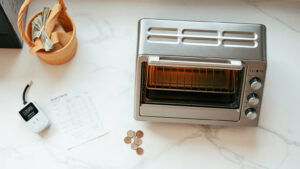
Roast asparagus in a toaster oven at 425°F for 8–12 minutes on a preheated pan, and it comes out crispy-tender every single time. The two things that cause soggy asparagus are crowding the pan and trapping steam — fix those, and the rest is easy. A toaster oven’s compact cavity actually works in your favor here, since the heating elements sit closer to the food and drive off moisture faster than a full-size oven typically does.
Safety First: Toaster ovens run extremely hot surfaces on all sides — the exterior walls, the rack, and especially the pan you pull out. Always use oven mitts rated for at least 450°F when removing pans or adjusting the rack, and never place a hot pan on a plastic surface or directly on the counter without a trivet. Keep the toaster oven at least 6 inches from cabinetry and walls during use.
Quick Facts
- Ideal toaster oven temperature for roasting asparagus: 425°F (some thicker spears benefit from 450°F)
- Cook time: 8–10 minutes for thin spears, 11–14 minutes for thick ones — check at 8 minutes regardless
- The single biggest cause of soggy asparagus is an overcrowded pan; spears need space between them
- Preheating the pan (not just the oven) makes a meaningful difference to texture
- Dry the asparagus thoroughly before oiling — surface moisture is the enemy
Why Toaster Ovens Actually Roast Asparagus Well
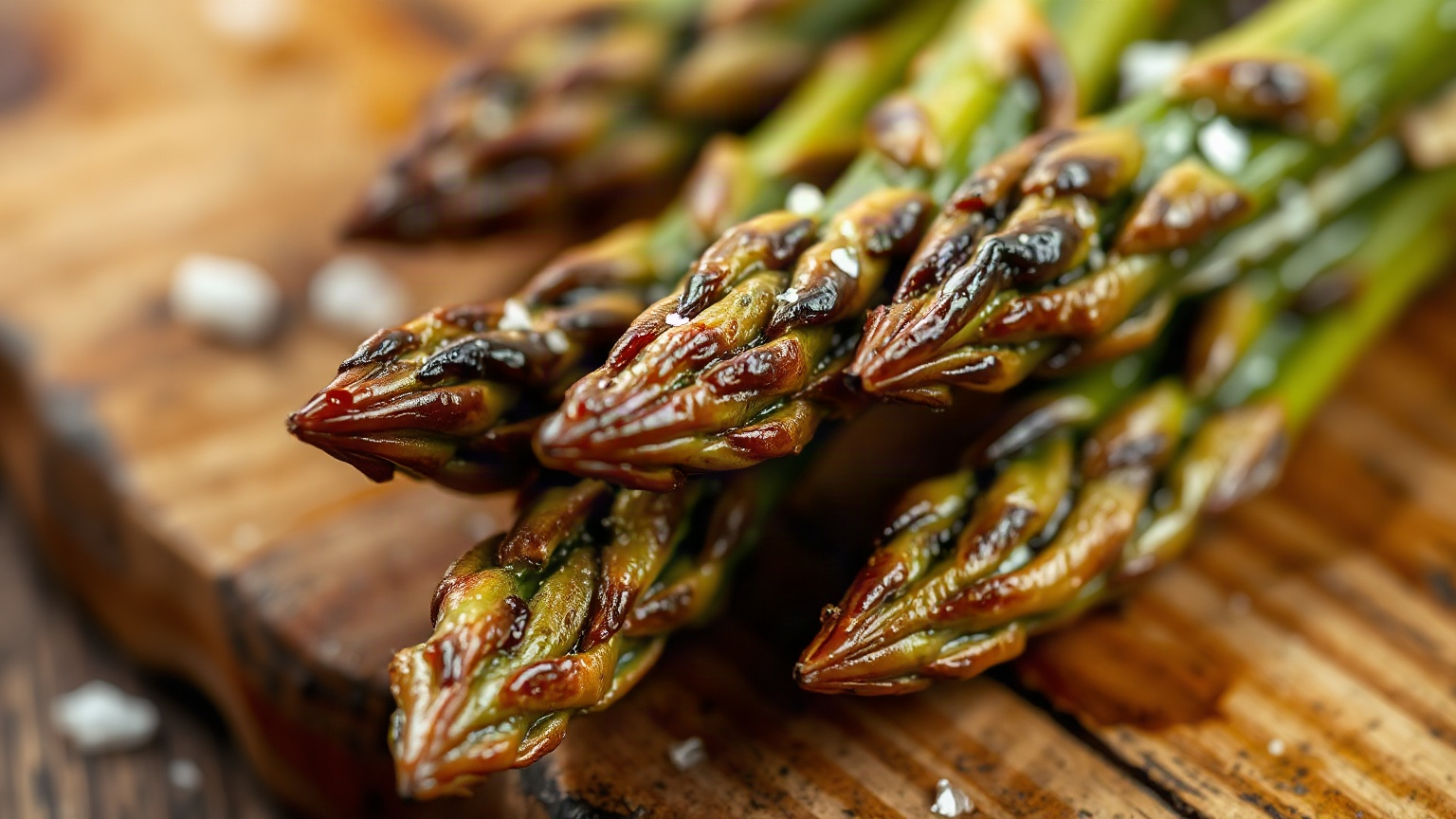
I was skeptical the first time I tried this. My instinct was that the small size would create a steamy little box that turned everything limp. The opposite turned out to be true. Because the heating elements in a toaster oven are only a few inches from the food, the radiant heat is intense and direct. That’s what you want for roasting vegetables — fast, dry heat that caramelizes the surface before the inside turns to mush.
A full-size oven takes 10–15 minutes to actually stabilize at the set temperature once it says it’s preheated. Toaster ovens stabilize faster, and the smaller air volume means less humidity build-up from the vegetables releasing water. If you want to understand more about how toaster oven heating elements behave, I wrote a bit about how hot a toaster gets that covers the basics.
The catch is rack position. In a full-size oven, most things roast fine in the middle. In a toaster oven, middle often means you’re too far from both elements to get good browning. I use the upper-middle position — one slot above center — so the asparagus gets hit by the top element without actually touching it. That’s the sweet spot for me.
Prep: The Steps That Actually Prevent Soggy Asparagus
Dry the spears completely
This is the step people skip. You rinse the asparagus, shake it off, and throw it on the pan. But even a thin film of water on the surface delays browning by a full minute or two — which is long enough for the interior to overcook while the outside is still steaming. Spread the rinsed spears on a clean kitchen towel and pat them genuinely dry. Not a quick press. Actually dry.
Oil lightly, not generously
You need just enough oil to coat each spear — maybe a tablespoon for a standard bunch. I drizzle it on and toss with my hands, which works better than trying to brush individual spears. Too much oil and you get a pan full of grease that fries the bottoms while the tops stay pale. Not what we’re going for. A light coat is fine. Avocado oil works a little better than olive oil at 425°F because of its higher smoke point, though honestly I use olive oil most of the time and it’s fine for the short roast time.
Single layer. No exceptions.
Stacking asparagus or letting spears touch significantly steams them instead of roasting. The moisture they release has nowhere to go and just sits there. You need air circulation around each spear. If your toaster oven pan is small, do it in two batches. I know that’s annoying. Do it anyway.
The pan size matters a lot here. A standard toaster oven pan is typically around 9×13 inches, which fits about 12–16 spears in a single layer depending on their thickness. If you’re working with a smaller unit, check out our list of best mini toaster ovens to find one with a more usable interior capacity.
Temperature, Timing, and the Preheat Pan Trick
Here’s the move that took my toaster oven asparagus from decent to genuinely good: I put the empty pan in the oven while it preheats. By the time the oven is at 425°F, that pan is scorching hot. When you lay the oiled asparagus on it, you get an immediate sear on the bottom instead of a slow, steamy start. It’s the same principle as using a screaming-hot cast iron skillet.
The one time I forgot to do this, the bottoms came out noticeably softer and the tips weren’t as crispy. Not inedible, just clearly worse. Small step, real difference.
Timing by spear thickness
Asparagus thickness varies a lot more than people realize. Those thin pencil spears from early spring are done in 7–8 minutes at 425°F. Medium spears — the most common — take 10–11 minutes. Thick, woody spears might need 13–14 minutes, though I’d honestly rather go to 450°F for 10 minutes with those instead.
| Spear Thickness | Temperature | Time | What to Look For |
|---|---|---|---|
| Thin (pencil-width) | 425°F | 7–8 min | Tips just starting to brown, slight wrinkle on stem |
| Medium (standard) | 425°F | 10–11 min | Tips noticeably browned, stems tender when pressed |
| Thick (jumbo) | 450°F | 10–12 min | Visible char on tips, stem yields easily to a fork |
Check at 8 minutes regardless of thickness. Pull one spear out and bend it gently. It should flex a little before it gives — not snap (that’s raw) and not flop over completely (that’s overdone). This is a feel thing, and after you do it once you’ll know exactly what you’re looking for.
Equipment That Actually Helps
You don’t need much. But the wrong pan makes this harder than it needs to be.
A light-colored aluminum pan promotes even browning without burning. Dark non-stick pans absorb more heat and can scorch the bottoms of thin spears at 425°F. I’ve had good luck with a basic toaster oven aluminum baking pan — thin, light, heats fast, cleans easily. Nothing fancy.
If you want even more airflow under the spears, a toaster oven wire rack insert that fits inside the pan elevates the asparagus slightly so air circulates underneath. I’ve tested this side by side with the flat pan, and the wire rack produces marginally crisper results — maybe 10–15% better, not a dramatic transformation. Worth it if you do this often, not worth buying just for this.
Avoid foil if you can. A lot of recipes suggest lining the pan with foil for easy cleanup, and that’s fine for many things, but foil traps a thin layer of steam right at the surface of the asparagus. Bare pan, lightly greased, is better for crispness. Clean the pan after. Sorry.
Seasoning, Finishing, and an Edge Case Most Recipes Miss
Basic seasoning
Salt, pepper, a drizzle of olive oil. That’s the baseline and it’s genuinely all you need. I add garlic powder sometimes — about a quarter teaspoon for a standard bunch — because fresh minced garlic tends to burn at 425°F before the asparagus is done. Parmesan added in the last 2 minutes works well and gets slightly browned. Lemon zest goes on after roasting, not before, unless you want bitter charred lemon.
The edge case: asparagus that’s been refrigerated too long
Here’s something none of the recipes I’ve seen bother to mention. Asparagus that’s been sitting in the fridge for 3–4 days has already started losing moisture from the cut ends and the outer skin. This actually helps with roasting in one way (less internal water to cook off) but it also means the spears are slightly more prone to drying out entirely and going from crispy-tender to papery-stringy. If your asparagus looks a little tired, trim an extra inch off the bottom and reduce the cook time by 1–2 minutes. Watch it closely at the 7-minute mark.
Fresh asparagus — bought that day or the day before — has more internal moisture and can handle the full cook time without going stringy. Serious Eats has a good breakdown of what makes asparagus tough or tender at a cellular level if you want the full science on this.
Finishing touches after it comes out
A squeeze of lemon right as you plate it makes a difference. So does a flake of good salt — Maldon or similar — on top. These aren’t fussy additions. They just make it taste more like something you’d order at a restaurant and less like a weeknight side dish you made in 10 minutes. Which, to be fair, is exactly what it is.
If you’ve got leftover roasted asparagus, reheating it without turning it into a sad pile of mush is its own challenge. Our guide on reheating food in a toaster oven covers the best approach for vegetables specifically.
The Recipe, Stated Plainly
- Preheat toaster oven to 425°F with the empty pan inside on the upper-middle rack
- Wash and dry asparagus thoroughly; trim the woody ends (snap or cut about 1–2 inches from the bottom)
- Toss with about 1 tablespoon of oil, salt, and pepper
- Carefully lay spears in a single layer on the hot pan — they should sizzle slightly
- Roast 8–12 minutes depending on thickness; check at 8 minutes
- Tips should be lightly browned; stems should yield to a fork but not collapse
- Finish with lemon juice and flaky salt if you want; serve immediately
Wrapping Up
Soggy asparagus almost always comes down to two things: wet spears going onto a cold pan, and too many of them crowded together. Fix those two things and the toaster oven does the rest. The high heat, the close elements, the small cavity — they’re all working in your favor. It’s genuinely one of the better vegetables to roast in a toaster oven, and once you’ve had it come out properly crispy at the tips with that slight char, the steamed version from a skillet is hard to go back to.
Ten minutes. One pan. Worth it.
Frequently Asked Questions
How do I keep asparagus from getting soggy in a toaster oven?
The two non-negotiables are: dry the spears completely before oiling them, and don’t crowd the pan. Surface moisture turns to steam and prevents browning. Preheating the pan so it’s hot when the asparagus hits it also makes a noticeable difference — you get an immediate sear on the bottom instead of a slow steam.
What temperature should I use to roast asparagus in a toaster oven?
425°F works well for most medium-thickness spears. Thin pencil spears do fine at 425°F for about 7–8 minutes. For thick or jumbo spears, bumping to 450°F for 10–12 minutes gets better caramelization without overcooking the center before the outside browns.
How long does it take to roast asparagus in a toaster oven?
At 425°F, thin spears take 7–8 minutes, medium spears 10–11 minutes, and thick spears 12–14 minutes (or 10–12 minutes at 450°F). Always check at the 8-minute mark regardless of thickness — toaster oven heating elements vary, and a spear that looks the same as last week’s might be done faster. The tips should show light browning and the stem should bend without snapping.
Should I use foil when roasting asparagus in a toaster oven?
Skipping the foil gives better results. Foil traps a thin layer of steam right at the pan surface, which softens the bottoms of the spears. A bare, lightly greased aluminum pan conducts heat better and lets moisture escape. If cleanup is a concern, a quick soak of the pan works fine.
Can I roast asparagus in a small or mini toaster oven?
Yes, but you’ll likely need to cook in two batches to maintain a single layer. A typical mini toaster oven pan fits about 8–10 medium spears without crowding. The temperature and timing stay the same — 425°F for 8–11 minutes — but the single-layer rule matters even more in a smaller space because airflow is more restricted.

Written by
Emma is a home cook who loves coaxing big flavor out of a toaster oven — from crispy roasted vegetables to easy weeknight dinners and sweet treats. She develops and tests Toastera's recipes for small-appliance kitchens.
Free: the Toaster Oven Cheat Sheet
Get the printable cheat sheet (temps, cook times & safety tips) plus new recipes. No spam, unsubscribe anytime.