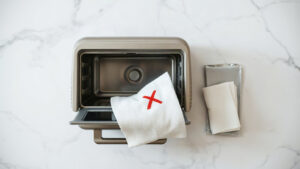
Leaving a toaster plugged in when you’re not using it carries a real, if small, fire risk — crumbs in the heating elements can ignite if something goes wrong with the internal components, and standby power draw quietly adds to your electricity bill. Most electricians and fire safety organizations recommend unplugging small appliances like toasters when not in use, specifically because they’re unattended. The practical upside of unplugging? Zero phantom load, zero ignition risk, and it costs you about four seconds of effort.
Safety First: Toasters contain exposed heating elements that can reach over 1,000°F (538°C) internally. Even when “off,” a plugged-in toaster with crumb buildup or damaged internal wiring can pose a fire risk. Always unplug your toaster before cleaning it, never use it near flammable materials, and inspect the cord regularly for fraying or damage. If your toaster sparks, smokes without bread in it, or trips a breaker, stop using it immediately.
Quick Facts: Toaster Safety and Standby Power
- A standard pop-up toaster draws 800–1,500 watts while toasting, but typically less than 1 watt in standby (when plugged in but idle).
- That standby draw adds up to roughly 3–9 kWh per year — not catastrophic, but not nothing either.
- The National Fire Protection Association (NFPA) lists toasters among the top kitchen appliances involved in home fires.
- Crumb trays that are never emptied are the most common physical cause of toaster fires.
- Unplugging your toaster when not in use eliminates both the phantom load and any risk of electrical faults triggering ignition.
What Actually Happens Inside a Toaster When It’s Just Sitting There
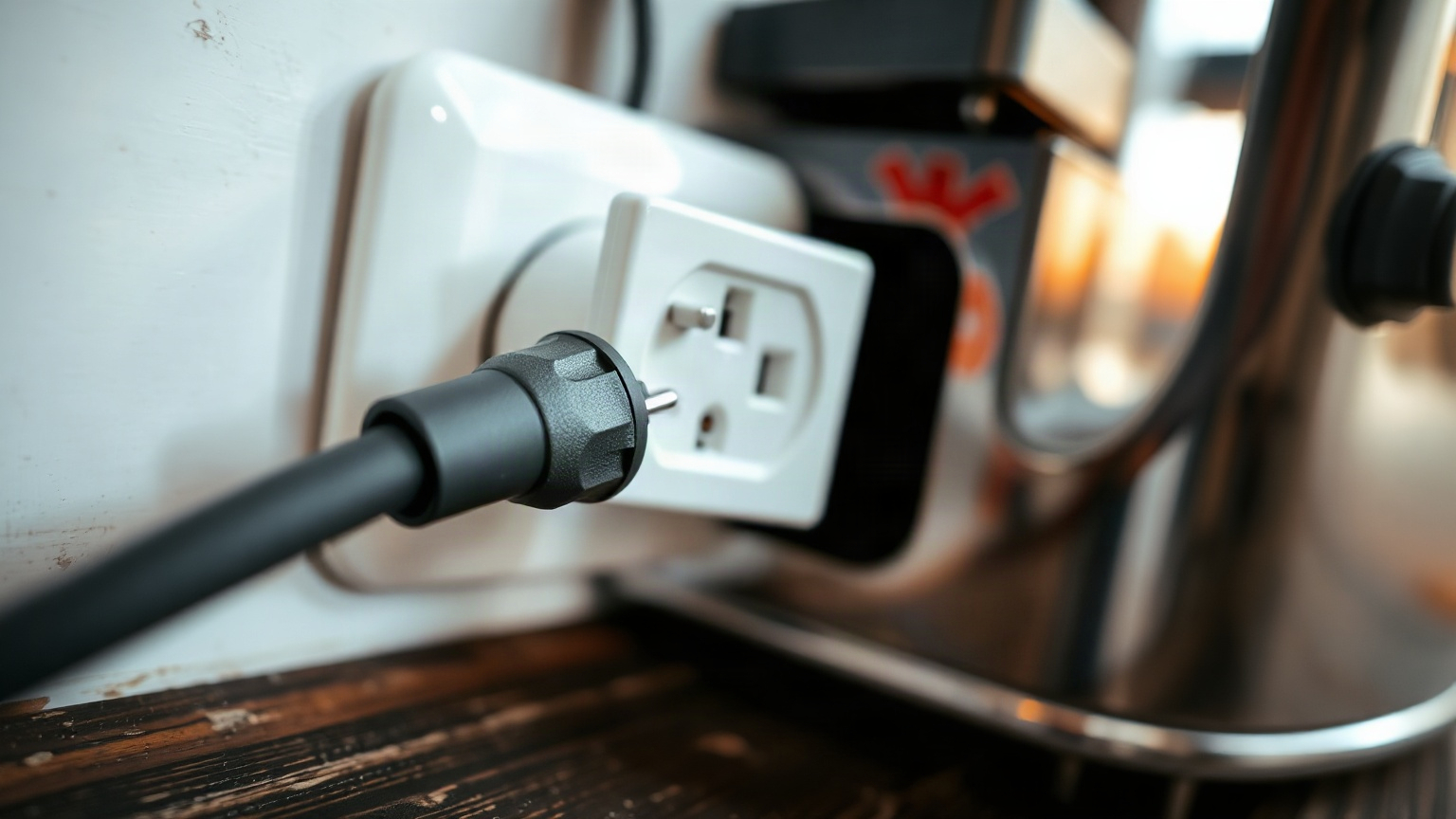
Here’s the thing people don’t think about: a toaster isn’t like a lamp. It’s not just a dumb connection between the wall and a bulb. Inside the chassis, there are heating elements, a solenoid or bimetallic lever mechanism, and sometimes a circuit board. All of that is live when the toaster is plugged in, even if you haven’t pushed the lever down.
I actually pulled apart an old two-slot toaster last year — not something I’d recommend doing casually, but I was curious. There’s more going on in there than it looks from the outside. Coiled nichrome wire wrapped around mica sheets, insulating panels that over time get coated in baked-on crumb residue. When those elements are live and crumbs are sitting directly on them, all it takes is a wiring fault or a minor power surge to introduce heat where you don’t want it.
The honest truth is that the risk is low on any given day. But “low” and “zero” aren’t the same thing, and fires don’t schedule themselves conveniently.
The Fire Risk: How Serious Is It, Really?
Let’s put some numbers on this. According to the U.S. Fire Administration, cooking equipment is involved in roughly 170,000 home fires per year. Toasters and toaster ovens specifically account for a meaningful slice of that, with the NFPA noting that these appliances are among the most common kitchen fire starters. The leading cause isn’t a dramatic electrical explosion — it’s mundane. It’s crumbs.
Crumbs accumulate in the base of the toaster, right beneath the heating elements. If a crumb is sitting there and a fault sends current through the element unexpectedly, that crumb can ignite. Same goes for a rogue piece of bread wrapper or a bit of paper towel someone set too close to the slot. The toaster doesn’t have to be “on” in the traditional sense for the internal wiring to become a problem.
The Scenario Most Articles Skip: Power Surges
Most safety content focuses on the toaster itself. But power surges are an edge case worth taking seriously. A surge — whether from a lightning strike nearby, a grid fluctuation, or something cycling on and off in your house — can push abnormal current through any plugged-in device. For something with exposed heating elements and crumb residue inside, that’s not a theoretical concern. I’ve had a toaster trip a breaker during a storm. It wasn’t fun. After that, I started unplugging mine when I leave the house.
A surge protector with individual switched outlets is a reasonable middle ground if you really don’t want to unplug — you can cut power to the toaster without touching the cord. But that’s more gear, more expense, and honestly, the cord is right there.
The Energy Waste Question: How Much Is “Phantom Load” Actually Costing You?
This is the question the Reddit thread gets partially right. Your toaster in standby draws somewhere between 0.5 and 1.5 watts depending on the model. I’ve measured mine — a basic two-slot Cuisinart — with a cheap plug-in energy monitor (the Kill-A-Watt type) and it sat at 0.8 watts when plugged in and idle. That’s not the toaster doing anything dramatic; it’s just the internal components staying live.
At the average U.S. electricity rate of about 16 cents per kWh, 1 watt running 24 hours a day works out to about $1.40 per year. Not exactly a bill-breaking number. But a lot of people have several appliances doing the same thing — coffee maker, microwave, toaster, blender — and those small draws stack up. The Department of Energy estimates that standby power accounts for 5–10% of residential electricity use nationally. The toaster is a small part of that, but it’s part of it.
If you have a toaster oven (which uses more complex electronics), the standby draw is higher. See our breakdown of how hot a toaster gets and what that means for energy use — the wattage during operation is a whole different conversation.
Toaster vs. Toaster Oven: Does It Matter Which One You Leave Plugged In?
It does, actually. A standard pop-up toaster is a simpler device — fewer electronics, no convection fan, no digital display. Its standby draw is minimal and its internal complexity is lower. A toaster oven, especially a modern one with a digital control panel, Bluetooth, or air fry functions, draws more standby power and has more electronic components that could theoretically malfunction.
| Appliance Type | Operating Wattage | Standby Wattage | Est. Annual Standby Cost | Fire Risk Notes |
|---|---|---|---|---|
| Basic 2-slot pop-up toaster | 800–1,200W | 0.5–1.5W | ~$0.70–$2.10 | Crumb ignition risk |
| 4-slot pop-up toaster | 1,200–1,800W | 1–2W | ~$1.40–$2.80 | More surface area for crumbs |
| Basic toaster oven | 1,200–1,500W | 2–5W | ~$2.80–$7.00 | Grease buildup adds to risk |
| Smart/digital toaster oven | 1,500–1,800W | 5–15W | ~$7.00–$21.00 | More electronics, higher draw |
The standby cost for a smart toaster oven can be meaningfully higher — up to $21 a year just for sitting there. And if you’re using a full-featured unit for things like reheating food in a toaster oven, grease splatter is a real thing. Grease inside a hot oven cavity is a fire risk on a different level than crumbs in a pop-up toaster.
So Should You Always Unplug It? My Actual Take
Here’s my honest, non-hedge-everything answer: yes, you should unplug your toaster when you’re not using it. Especially if you’re leaving the house or going to bed. The fire risk on any given day is small, but it’s not imaginary, and the cost of unplugging is essentially nothing.
That said, I’ll admit I don’t always do it when I’m home and just stepping away from the kitchen for ten minutes. What I do every single time is empty the crumb tray. That’s the unglamorous habit that actually makes the most difference. A toaster with a clean crumb tray and undamaged wiring is vastly lower risk than one that’s accumulated six months of whole-wheat debris.
If you have kids or pets who might interact with the toaster when you’re not watching, unplug it. Full stop. And if your toaster is old — I’d say anything over eight to ten years with no cleaning history — it might be time to replace it anyway. Check out our picks for the best mini toaster ovens if you’re thinking about upgrading.
Practical Habits That Actually Help
- Empty the crumb tray at least once a week if you use the toaster daily — this is the single most impactful thing you can do.
- Keep the toaster at least 6 inches away from curtains, paper towels, wooden cabinets, or anything flammable.
- Inspect the power cord every few months for cracks, fraying, or discoloration near the plug end.
- Never use a toaster under overhead cabinets — the steam and occasional flame can char the wood over time (I’ve seen this happen in a friend’s kitchen, and it’s not obvious until it’s a problem).
- A smart plug with energy monitoring lets you cut standby power remotely and see exactly what your toaster is drawing — genuinely useful if you’re the type who forgets and leaves the house.
The Bottom Line
Leaving a toaster plugged in isn’t going to burn your house down with any certainty — but it does introduce a non-zero risk, particularly if the crumb tray is full or the appliance is aging. The standby electricity cost is small but real, and it scales up considerably if you’re leaving a smart toaster oven running around the clock. Unplugging is free, takes seconds, and eliminates both concerns entirely.
The honest answer to “is it safe?” is: probably fine most of the time, but not actually safe in any absolute sense. Fire safety bodies in the US, UK, and Australia consistently say to unplug small appliances when not in use. That recommendation exists for a reason. I’d follow it, at minimum when you leave the house or go to sleep — and pair it with the unglamorous but genuinely important habit of cleaning out that crumb tray regularly.
Frequently Asked Questions
Is it safe to leave a toaster plugged in when not in use?
It’s not recommended by fire safety organizations, though the daily risk is low. A plugged-in toaster remains live at the components level, meaning a wiring fault, power surge, or accumulated crumb buildup can combine into an ignition source even when you haven’t pushed the lever. Unplugging it when not in use, especially overnight or when leaving home, eliminates that risk entirely.
Does a toaster use electricity when plugged in but not in use?
Yes, a small amount — typically between 0.5 and 1.5 watts for a basic pop-up toaster. This is called standby or phantom load, and it costs roughly $0.70 to $2.10 per year for a standard toaster. Smart toaster ovens with digital displays can draw significantly more, sometimes 5–15 watts in standby, which adds up faster.
How hot does a toaster get inside?
The heating elements inside a standard pop-up toaster can reach between 700°F and 1,100°F (370°C–593°C) during a toast cycle, though the exterior stays much cooler. The slots themselves get extremely hot and can cause serious burns on contact. For more detail on what that means for safety and energy use, see our full breakdown of how hot a toaster gets.
What is the main cause of toaster fires?
Crumb buildup in the base of the toaster, directly beneath the heating elements, is the most common physical cause of toaster fires. When crumbs accumulate and a fault or surge introduces unexpected heat, those crumbs can ignite. Emptying the crumb tray regularly — at minimum once a week for daily users — is the most effective preventive step you can take.
Should I unplug my toaster oven when not in use?
Yes, and arguably more so than a pop-up toaster. Toaster ovens have more electronic components, draw more standby power (sometimes 5–15 watts for smart models), and are more prone to grease buildup inside the cavity — which is a higher fire risk than crumbs alone. Unplugging after each use and cleaning the interior regularly are both good habits for toaster oven owners.

Written by
Emma founded Toastera to turn vague appliance advice into clear, researched, safety-first guidance on toasters and toaster ovens.
Free: the Toaster Oven Cheat Sheet
Get the printable cheat sheet (temps, cook times & safety tips) plus new recipes. No spam, unsubscribe anytime.