Yes, you can toast sourdough bread in a long-slot toaster without burning the edges — but it takes the right settings and a little awareness of how sourdough behaves differently from sandwich bread. Sourdough’s higher acidity and denser crumb mean it browns faster on the outside than it heats through the middle, which is exactly why edges char before the center crisps up. Use a medium-low setting (around 3 out of 6 on most toasters), and you’ll get an even, golden result without the bitter, blackened crust.
Safety First: Never force an oversized slice of sourdough into a toaster slot that’s too narrow — cramming bread against the heating elements is a fire hazard. If the bread touches the elements on any side, don’t use that toaster for that loaf. Always toast over a clean crumb tray and never leave a running toaster unattended.
Quick Facts
- Long-slot toasters typically measure 1.5 inches wide × 12 inches long, which fits most large sourdough slices without cutting them down.
- Sourdough browns roughly 20–30% faster than standard white bread at the same toaster setting due to its acidic composition and open crumb structure.
- A setting of 3/6 (medium-low) on a 6-setting toaster is the sweet spot for a 3/4-inch thick sourdough slice — start there, not in the middle.
- Wider slots (1.5 inches or more) prevent edge contact with heating elements, which is the single biggest cause of burnt sourdough edges.
- Frozen sourdough slices need one full setting higher than fresh — so if fresh toasts well at 3, frozen needs 4.
Why Sourdough Burns Differently Than Other Bread
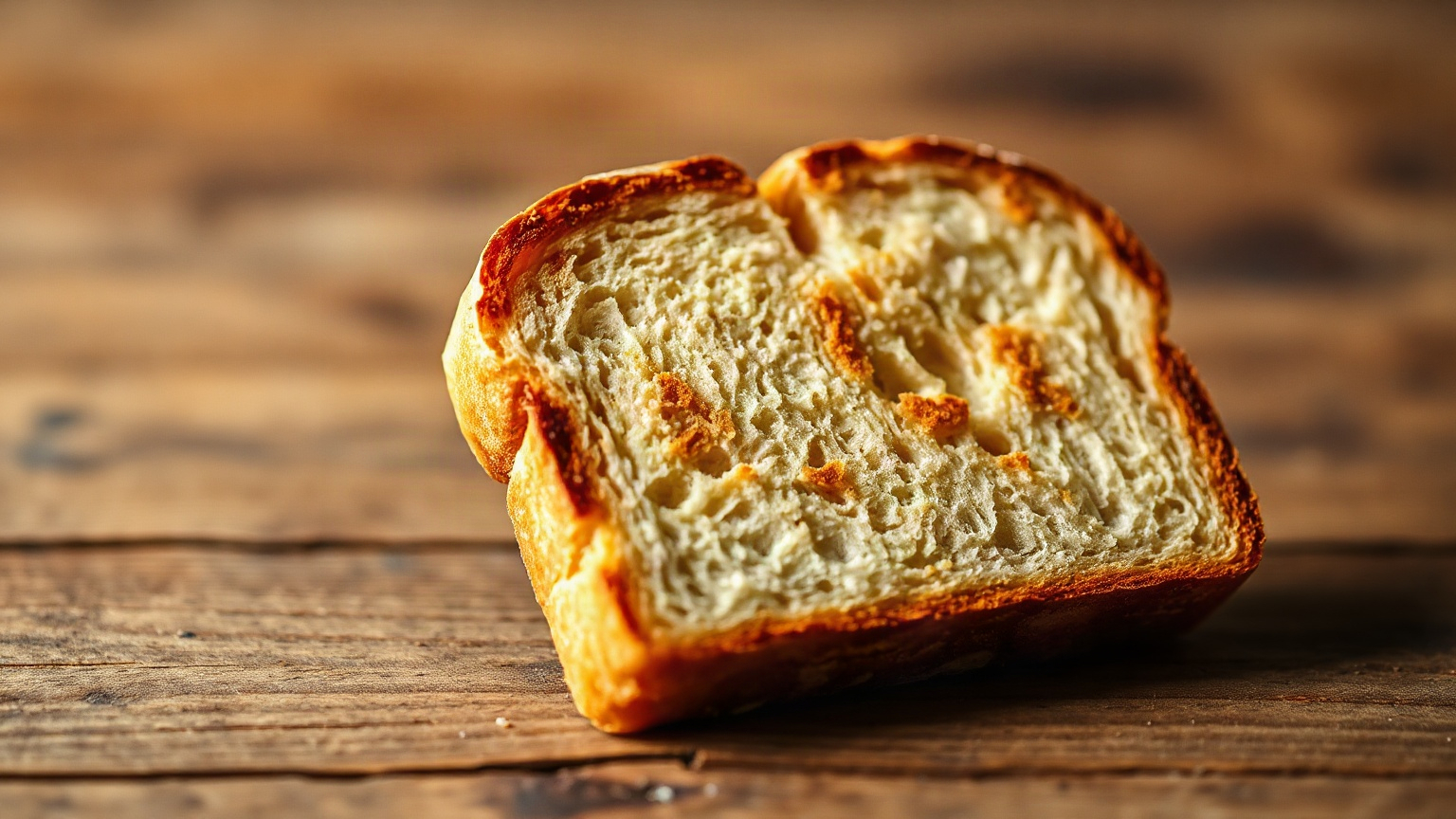
Most people assume burnt edges are a toaster problem. Often, it’s a bread problem — or rather, a bread-and-toaster compatibility problem. Sourdough has a few quirks that make it behave nothing like a slice of Pepperidge Farm.
First, the acidity. A properly fermented sourdough has a lower pH, and acidic foods brown faster under heat. That’s just chemistry. Second, the crust. Artisan sourdough typically has a much thicker, denser crust than commercial bread. That crust is already partially dry, so the heating elements hit it hard and fast. The interior, meanwhile, is still trying to warm up.
Third — and this is the one nobody talks about — sourdough slices are often irregular. They taper at the top, or they’re thicker in the middle, or the crust on one edge is noticeably thicker than the other. That unevenness makes uniform toasting genuinely difficult, regardless of the toaster.
I burned about six slices testing this before I started paying attention to which edge was thinner. The thin top edge, particularly on a batard-style loaf, will always go first. Worth keeping that in mind.
Does Slot Size Actually Matter? (Yes, More Than You’d Think)
Standard toaster slots run about 1 inch wide and 5–6 inches long. Most sourdough slices — especially from a large round boule or a long baguette-style loaf — are wider and taller than that. So what happens? The bread rests against the heating element. The element sears that edge directly. That’s your burnt side.
Long-slot toasters solve the length problem, not always the width problem. A slot that’s 12 inches long but only 1 inch wide still burns an edge if your sourdough is a fat, 1.5-inch-thick slice. Width matters just as much. Look for slots that are at least 1.25 inches wide, ideally 1.5 inches.
Long-Slot vs. Standard Toaster: A Quick Comparison
| Feature | Standard 2-Slice Toaster | Long-Slot Toaster |
|---|---|---|
| Slot length | 5–6 inches | 10–12 inches |
| Slot width | ~1 inch | 1.25–1.5 inches |
| Fits large sourdough slice? | Rarely | Usually yes |
| Edge burn risk | High (bread touches elements) | Low (if width is adequate) |
| Typical price tier | Budget–mid-range | Mid-range–premium |
| Best for sourdough? | Only if you cut slices down | Yes, for most large loaves |
You can find some solid options if you search for long-slot wide toasters designed for artisan bread — look specifically for 1.5-inch slot width in the product specs, not just “long slot” in the name.
The Right Settings: What Actually Works
I’ve run this test more times than I’d like to admit. Here’s what I landed on after going through half a loaf of sourdough from my local bakery (a pretty dense, well-soured miche with a thick ear on the crust).
Fresh Sourdough
Start at setting 3 on a 6-point scale. That’s lower than you think you need. Sourdough is denser and browns faster, so the instinct to go medium (3.5 or 4) is wrong — at least for a first attempt with an unfamiliar loaf. If it comes out pale after the first cycle, go up half a notch, not a full one.
Slice thickness is the other variable. A 3/4-inch slice toasts beautifully at 3. A full inch? You might need 3.5 to get heat to the center without the crust burning. Don’t go thicker than an inch if you want any control over this.
Day-Old or Dried-Out Sourdough
This is where things get counterintuitive. A stale sourdough slice has less moisture, so you’d think it toasts faster. It does on the surface. But a dried-out crumb also doesn’t conduct heat the same way, and you can end up with a very dark exterior and a weirdly dry, almost chalky interior. Drop the setting by half a notch compared to fresh, and don’t expect the same result. Stale sourdough toasts fine, but it’s a different texture — crispier, more cracker-like, not as chewy.
Frozen Sourdough
Go one full setting higher than you’d use for fresh. Frozen sourdough is my preferred prep method, actually — I slice the whole loaf when it’s fresh, freeze in a zip-lock, and pull slices as needed. Toast from frozen at setting 4 on a 6-scale. The result is genuinely good, and the texture is closer to fresh than day-old. Serious Eats has a good breakdown of why freezing beats refrigerating for bread storage if you’re curious about the science.
How to Prevent Burnt Edges Specifically
Even with a good long-slot toaster and the right settings, edges can still go dark. Here’s what actually helps.
Check Your Slice Shape Before You Toast
This sounds obvious, but: look at the slice before you drop it in. If one edge is noticeably thinner or has a delicate crust ear (that curved flap from scoring), that edge is going to burn. You have two options. Trim the thin edge off — yeah, it feels wasteful, but a 1/4-inch trim saves the whole slice. Or position the slice so the thinner edge is toward the center of the slot, away from the direct path of the elements.
Don’t Stack Slices or Force Them Together
In a long-slot toaster, you can technically drop two smaller slices end-to-end. People do this. It usually works okay if the slices have a gap between them, but if they’re pressed together, the touching edges get steam-cooked rather than toasted. Slightly soggy in the middle, burnt on the outside edges. Not great.
Use the Reheat or Defrost Function Strategically
Some toasters have a “reheat” or “a bit more” button that runs a shorter, gentler cycle. If your sourdough came out pale after a normal cycle, the reheat function is much more controlled than just running a full second cycle. A second full cycle almost always burns it. The reheat button? Usually doesn’t. I use it constantly — it’s one of those features that sounds gimmicky until you need it.
The Toaster Oven Alternative (for Difficult Slices)
If your sourdough is truly enormous — a wide boule slice that won’t fit anything — a toaster oven is a real option. Set it to broil at 400°F, place the slice directly on the rack (not a pan), and check at 2 minutes. Flip and give it another 60–90 seconds. You get more control, but it takes longer and you have to babysit it. For everyday toast, a good long-slot toaster is faster. For a big irregular slice that fights every toaster you own, the toaster oven wins. See our guide to reheating food in a toaster oven for more on using the broil setting well.
The Edge Case Nobody Mentions: Very Sour Sourdough
Here’s something none of the other articles I’ve read bother to say: a heavily fermented, genuinely sour sourdough is legitimately harder to toast evenly than a mild one. We’re talking about those long-fermented, high-acid loaves from serious bakeries — the kind that smell almost vinegary when you cut them. The acidity level directly affects how quickly the Maillard reaction kicks in. More acid = faster browning, full stop.
If you buy from a bakery that does 36+ hour fermentation, go down to setting 2.5 on a 6-scale for fresh bread. I know that feels too low. It isn’t. Those loaves brown in seconds once they start. The difference between “perfect” and “acrid” is about 30 seconds at the wrong setting.
Mild sourdoughs — the ones that are really just “sourdough-style” with a brief ferment — behave almost like regular bread. You can treat them more like standard toast settings.
To understand why, it helps to know how hot a toaster gets at different settings — toaster heating elements run between 300°F and 550°F depending on the model and setting, and high-acid bread starts browning noticeably earlier in that range.
The Food Network has a useful overview of bread toasting techniques if you want a broader starting point.
Getting the Most Out of Your Long-Slot Toaster
A long-slot toaster isn’t a magic fix. It just removes the mechanical obstacle of the bread not fitting. The rest is still on you — the settings, the slice thickness, the type of sourdough. But when you get it right, it really does make a difference. There’s something about a full, intact large slice of sourdough toast that a halved slice just can’t replicate. The crust-to-crumb ratio is different. The butter pools differently. It’s a small thing, maybe, but it matters if you eat sourdough every day.
One accessory worth having if you use a toaster oven for larger slices: a good stainless toaster oven wire rack. Direct rack contact toasts more evenly than a pan for open-crumb breads. And if you’re ever baking sourdough from frozen dough portions in a toaster oven, a small nonstick toaster oven baking pan makes cleanup a lot easier.
Also: clean your crumb tray. Sourdough drops a lot of crumbs, especially the thick-crusted kind. Burnt crumb buildup is a real fire risk and it also makes your toaster smell bad. Every few uses, pull the tray and dump it.
Wrapping Up
Toasting sourdough without burnt edges isn’t complicated, but it does require a different approach than white sandwich bread. Slot size matters — aim for 1.5 inches wide and at least 10 inches long. Start low on the setting dial, especially with a strongly fermented loaf. Check your slice shape before you drop it in. And if a slice is too large or too irregular for any slot toaster to handle cleanly, the toaster oven broil method is genuinely worth the extra two minutes.
It took me a while to stop blaming the toaster for what was really a settings problem. Once I adjusted, sourdough toast became something I look forward to rather than a gamble.
Frequently Asked Questions
Can you toast sourdough bread in a long slot toaster without burning the edges?
Yes — as long as the slot is wide enough (at least 1.25 inches) that the bread doesn’t press against the heating elements, and you use a setting of 3 or lower on a 6-scale dial. Sourdough browns faster than standard bread due to its acidity, so starting at a lower setting than you’d normally use is the most reliable way to avoid burnt edges.
What toaster setting should I use for sourdough bread?
For fresh sourdough at 3/4-inch thick, setting 3 on a 6-scale toaster is the right starting point. A heavily fermented, high-acid loaf from an artisan bakery should go even lower — closer to 2.5. Frozen sourdough needs one full setting higher than fresh to compensate for the frozen interior.
Why do sourdough edges burn faster than the middle?
Sourdough has a denser, drier crust than commercial bread, and its higher acidity speeds up surface browning. The edges — especially the thin top crust and any scoring ears — are the driest, thinnest parts of the slice and hit toasting temperatures first. If the slice also physically touches a heating element due to tight slot width, direct contact burns that spot almost immediately.
Is a long-slot toaster worth it for sourdough?
For large artisan loaves — boules, batards, or any sourdough wider than about 5 inches — a long-slot toaster is worth it because it lets you toast a full slice without cutting it in half. Slot width matters as much as length, so look for at least 1.25-inch wide slots. If you mostly buy standard-size sourdough sandwich loaves, a regular toaster is fine.
Can I toast sourdough from frozen in a long-slot toaster?
Yes, and it works very well — frozen sourdough often toasts more evenly than day-old bread. Use the defrost or frozen setting if your toaster has one, or manually go up one full notch from your normal fresh setting. Slicing and freezing a fresh sourdough loaf immediately is actually the best way to preserve its texture for daily toasting.

Written by
Emma founded Toastera to turn vague appliance advice into clear, researched, safety-first guidance on toasters and toaster ovens.
Free: the Toaster Oven Cheat Sheet
Get the printable cheat sheet (temps, cook times & safety tips) plus new recipes. No spam, unsubscribe anytime.