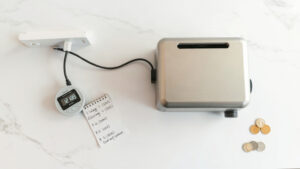
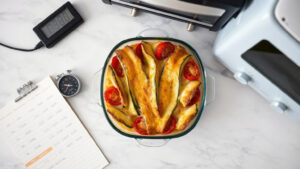
A standard two-slice toaster uses roughly 800–1,200 watts and finishes the job in two to three minutes, making it significantly cheaper to run than a toaster oven for that specific task. A toaster oven pulls 1,200–1,800 watts and typically takes four to six minutes just to get bread properly toasted — so even though it’s more versatile, it costs more per slice. If all you’re making is toast, the dedicated toaster wins on speed and electricity every single time.
Safety First: Both toasters and toaster ovens reach surface temperatures that can cause serious burns — never touch the slots, heating elements, or exterior walls during or immediately after use. Keep both appliances at least six inches from cabinets and curtains, never leave them unattended on the “stay-on” setting, and always unplug before cleaning or removing crumbs. Crumb trays that aren’t emptied regularly are a genuine fire risk.
Quick Facts: Toaster vs Toaster Oven for Two Slices
- A two-slice pop-up toaster averages 900–1,100 watts; a compact toaster oven averages 1,200–1,800 watts.
- For two slices of toast, a regular toaster costs roughly 0.3–0.5 cents per use (at the US average electricity rate of ~$0.16/kWh). A toaster oven costs around 0.6–1.2 cents for the same result.
- Toasters reach internal temperatures up to 1,100–1,200°F at the heating elements; toaster ovens typically max out around 450–500°F inside the cavity.
- Over a full year of making two slices every morning, you’d save roughly $1.50–$2.50 by using a toaster instead of a toaster oven — not a fortune, but real.
- Counter space matters: a basic two-slice toaster occupies about 6″×10″. A compact toaster oven takes up closer to 15″×12″ or more.
The Actual Cost Difference (With Real Numbers)
Let me give you the math without making it painful. Electricity cost is calculated as: (watts ÷ 1,000) × hours × your rate per kWh. The US average hovers around $0.16 per kWh right now, though it varies a lot by state — California is closer to $0.30, and some parts of the South are still under $0.12.
A 1,000-watt toaster running for 2.5 minutes uses about 0.042 kWh. That’s roughly 0.67 cents. A 1,500-watt toaster oven running for five minutes uses about 0.125 kWh — around 2 cents. The gap sounds tiny until you frame it differently: you’re paying three times as much electricity for toast that’s honestly a little less consistent, at least in my experience.
Over a year of daily toast, that’s maybe $5–$6 extra if you’re using the toaster oven every morning for just toast. Still not a huge number. But you’re also waiting longer. And the toaster oven needs a preheat on some models, which adds more time and more wattage. That’s the part people forget.
| Appliance | Typical Wattage | Time for 2 Slices | Est. Cost per Use* | Footprint |
|---|---|---|---|---|
| 2-Slice Pop-Up Toaster | 800–1,200W | 2–3 min | ~0.4–0.6¢ | ~6″×10″ |
| Compact Toaster Oven | 1,200–1,500W | 4–6 min | ~0.8–1.5¢ | ~15″×12″ |
| Large Toaster Oven / Countertop Oven | 1,500–1,800W | 5–8 min | ~1.2–2.4¢ | ~19″×16″+ |
*Based on US average electricity rate of $0.16/kWh. Your actual cost will vary.
For more on how hot these appliances actually get internally, this piece on how hot a toaster gets breaks it down properly — the numbers are wilder than most people expect.
Toast Quality: Is There Actually a Difference?
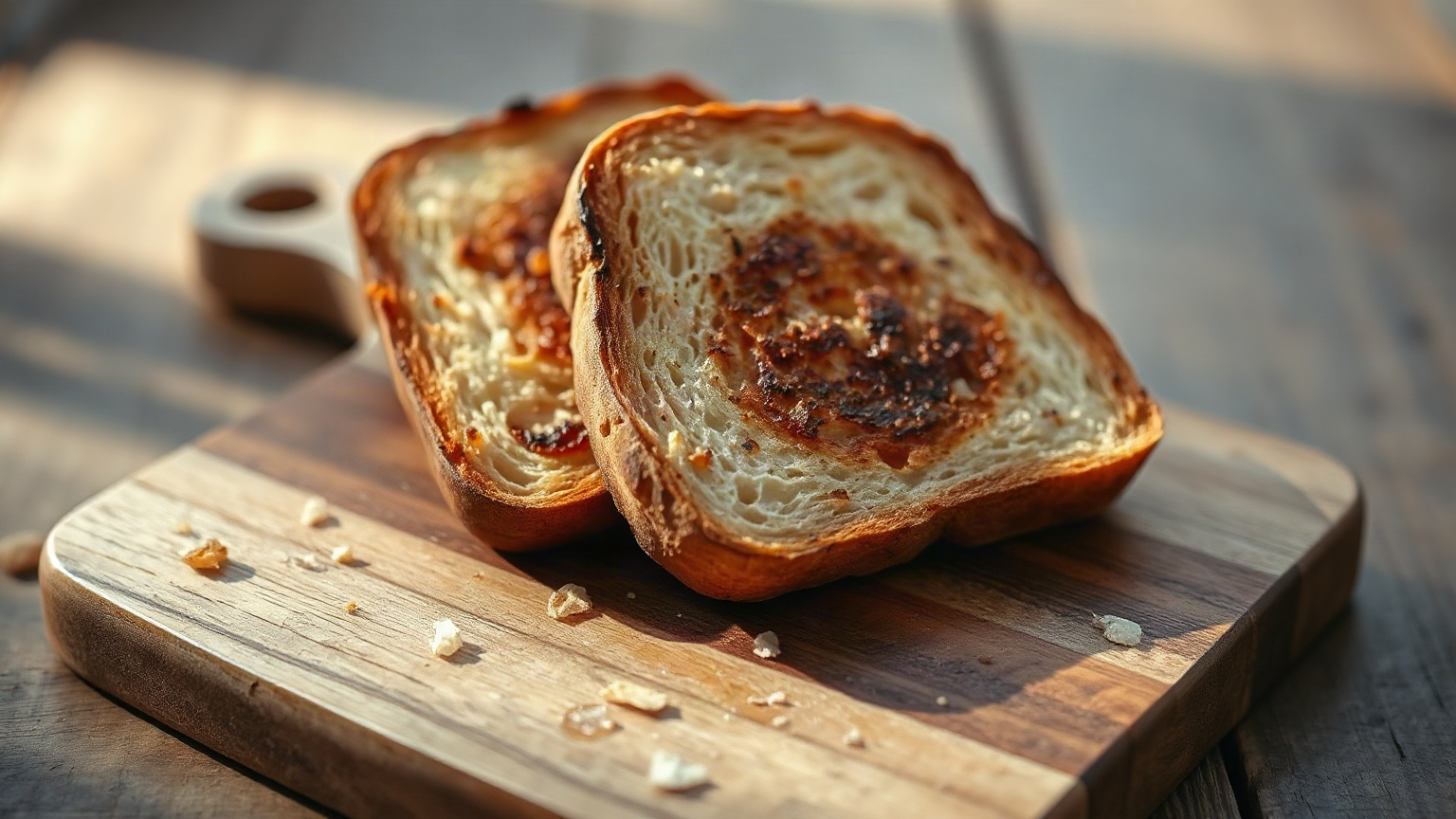
Here’s where it gets interesting, and honestly a little subjective. Pop-up toasters work by radiating intense heat directly at the bread from both sides simultaneously. The result is fast, even browning with a slightly crisper surface and a soft interior — that specific texture most people picture when they say “toast.”
Toaster ovens heat from elements above and below (sometimes just above, depending on the setting), and the air inside the cavity plays a role too. The toast comes out a bit differently: drier throughout, sometimes more uniformly pale with brown edges, occasionally with a slight sogginess in the middle if the rack position is off. I’ve had both amazing and terrible toast from toaster ovens. The first time I used my Breville Smart Oven, I put the bread on the top rack because that felt logical — wrong call. Bottom rack, “toast” preset, and it was much better.
The honest answer: if you care deeply about toast texture, a good dedicated toaster produces more consistent results for standard sandwich bread. For thick sourdough, artisan slices, or bread that’s too wide to fit a toaster slot, the toaster oven actually has an advantage.
When a Toaster Oven Makes More Sense (Even for Toast)
There are real situations where I’d reach for the toaster oven even knowing it costs a little more to run.
You’re Making More Than Just Toast
If the toast is part of a broader breakfast — eggs, bacon, reheated leftovers — then the toaster oven earns its counter space. Having one appliance that handles reheating food in a toaster oven plus toasting is actually efficient. You’re not paying twice to heat two appliances.
You Have Thick or Oversized Bread
Texas toast, thick-cut sourdough, ciabatta halves, English muffins piled with toppings — toasters have slot size limits. Most standard toasters handle up to about 1.5″ wide slices. Go thicker and you either can’t fit it, or you burn the outside while the middle stays cold. A toaster oven at 375°F for four to five minutes handles thick bread with no drama.
You’re Living in a Small Space Without a Full Oven
Studio apartments, dorm rooms, RVs — if your toaster oven is your only oven, then yes, use it for everything including toast. It’s not like you have a choice. In that case, check out the best mini toaster ovens if you’re still shopping around.
Specific Models Worth Mentioning
If you’re trying to decide whether to buy one or the other (rather than comparing what you already own), here’s my honest take on the options.
Best Dedicated Toasters for Two Slices
The Cuisinart CPT-122 is a solid mid-range pick. Consistent browning, wide slots (fits most artisan bread), and a reheat function that’s actually useful. I’ve used it for two years without a complaint worth mentioning — though the crumb tray is a little fiddly to reattach.
Budget option: the Hamilton Beach 22708. Basic, reliable, does exactly what it says. No frills. Around $25–$30. If you just need toast and you don’t want to think about it, that’s the one.
Best Toaster Ovens If You Want Versatility Too
The Breville Smart Oven (BOV800XL or the compact BOV450XL) is genuinely excellent for toast — the “A Bit More” button is one of those small features I use more than I expected. Mid-range to premium price tier, but it lasts.
The Cuisinart TOA-70 is worth a look if you want an air fryer function built in — it’s a larger footprint but it replaces several appliances. Toast quality is good, not exceptional. The Ninja Foodi countertop ovens are similar territory: capable, big, and a bit overkill if toast is your primary use case.
For a compact option, the Black+Decker 4-slice compact toaster oven punches above its budget price for simple toast and reheating. Not fancy. Gets the job done.
| Model | Type | Price Tier | Toast Quality | Footprint | Best For |
|---|---|---|---|---|---|
| Hamilton Beach 22708 | Toaster | Budget | Good | Tiny | Simple, daily toast |
| Cuisinart CPT-122 | Toaster | Mid-range | Very Good | Small | Wider bread, daily use |
| Black+Decker 4-Slice Oven | Toaster Oven | Budget | Decent | Medium | Small spaces, occasional use |
| Breville BOV450XL | Toaster Oven | Mid-range/Premium | Excellent | Medium | Versatile cooking + toast |
| Cuisinart TOA-70 | Toaster Oven + Air Fryer | Mid-range/Premium | Very Good | Large | Replacing multiple appliances |
My clear pick: if toast is your main thing, get a good two-slice toaster and don’t overthink it. The Cuisinart CPT-122 is the one I’d actually recommend to a friend. If you cook a variety of things and only have room for one countertop appliance, the Breville BOV450XL is worth the money — just know it’ll cost a bit more per slice of toast.
For accessory pairing with your toaster oven, a decent toaster oven wire rack at the right height makes a real difference in how evenly things cook — worth picking up if yours is missing or damaged.
Counter Space and the Practical Reality
This is the thing that doesn’t show up in wattage charts but matters enormously in daily life. A two-slice toaster sits in a corner, takes up about the same space as a large hardcover book, and stores in a cabinet if needed. A toaster oven is practically furniture. You’re not sliding a Breville into a cabinet between uses — it lives on your counter permanently.
If your kitchen counter is already crowded, that’s a real consideration. A toaster oven earning its space means using it for more than toast. If it’s mostly collecting dust except for morning bread, you’re paying counter rent for a very expensive toaster.
Serious Eats has a well-researched toaster oven roundup that addresses the counter-space trade-off honestly if you want another perspective on the buying decision.
The Bottom Line
For two slices of toast and nothing else, a dedicated toaster is cheaper to run, faster, and takes up less space. The electricity savings are modest — we’re talking cents, not dollars — but combined with the time savings and counter space, the toaster wins for the pure toast use case. It’s not even close.
That said, if you’re someone who makes melts, reheats leftovers, bakes small batches of things, or just doesn’t have a full oven — the toaster oven earns its running costs easily. It’s not about which is “better” in some abstract sense. It’s about what you actually cook.
Get the toaster if toast is the job. Get the toaster oven if toast is one of many jobs. And if someone tells you they use a full-size toaster oven every morning just for two slices of Wonder Bread — that’s their choice, but they’re paying more for it than they probably realize.
Frequently Asked Questions
Is a toaster or toaster oven cheaper to run for just two slices of toast?
A toaster is cheaper. It uses less wattage (typically 800–1,200W vs 1,200–1,800W for a toaster oven) and finishes in half the time, so the total energy consumed per use is significantly lower. For two slices daily, a toaster costs roughly 0.4–0.6 cents per session versus 0.8–2 cents for a toaster oven doing the same job.
How hot does a toaster get compared to a toaster oven?
Toaster heating elements reach temperatures of 1,100–1,200°F, though the bread itself never gets that hot — it’s the intense radiant heat that causes browning so quickly. Toaster ovens heat the internal cavity to a set temperature, typically between 150°F and 450°F depending on the setting. The toaster’s method is more direct and faster for bread specifically.
Does a toaster oven use more electricity than a regular toaster?
Yes, almost always. Toaster ovens draw more watts and run longer, which means higher energy consumption per use. The gap is most pronounced for simple tasks like toast, where the toaster’s speed advantage is biggest. For longer cooking tasks — baking, roasting — the toaster oven is doing work a toaster can’t, so the comparison doesn’t really apply.
Is it safe to leave a toaster plugged in all the time?
Most modern toasters are designed to be safe when left plugged in standby, but unplugging when not in use is still the recommended practice — both to prevent any fault-related risk and to avoid phantom power draw. Never leave a toaster plugged in with anything resting on or near the slots, and empty the crumb tray regularly since accumulated crumbs are a genuine fire hazard.
Can a toaster oven replace a regular toaster?
A toaster oven can make toast, so technically yes — but it’s slower and costs a little more per use for that specific task. Where a toaster oven clearly wins is versatility: it handles thick bread, open-faced sandwiches, melts, reheating, and actual baking. If counter space and electricity cost aren’t concerns and you want one appliance, the toaster oven is the more flexible choice.

Written by
Emma founded Toastera to turn vague appliance advice into clear, researched, safety-first guidance on toasters and toaster ovens.
Free: the Toaster Oven Cheat Sheet
Get the printable cheat sheet (temps, cook times & safety tips) plus new recipes. No spam, unsubscribe anytime.