The defrost setting on a toaster extends the toasting cycle by running the heating elements at a lower intensity first, which thaws frozen bread before switching to full browning heat. Without it, frozen bread tends to come out scorched on the outside and still cold in the middle. It’s a simple fix for a genuinely annoying problem, and once you understand what it’s actually doing, you’ll know exactly when to use it — and when to skip it.
Safety First: Never force frozen or oversized items into toaster slots — ice crystals can crack and splinter inside the heating chamber, and bread pieces jammed against the heating elements are a fire risk. Always make sure your toaster is sitting on a dry, heat-resistant surface when toasting anything from frozen, since condensation from thawing bread can drip down into the crumb tray.
Quick Facts: Defrost Setting at a Glance
- The defrost cycle adds roughly 50–70% more time to a standard toast cycle — a setting-3 toast that takes about 90 seconds might run closer to 2.5–3 minutes with defrost active.
- Heating elements typically run at reduced power during the first phase (thawing), then ramp up to normal browning temperatures — usually somewhere in the 300–450°F range depending on the model.
- Defrost mode is designed for frozen bread, waffles, and similar thin items. It is not a substitute for fully thawing dense foods like bagels or thick Texas toast before toasting.
- You can get very similar results manually: just run two shorter cycles, one low, one at your normal browning level.
- Not every toaster has a dedicated defrost button — budget models often skip it entirely.
What the Defrost Setting Is Actually Doing Inside the Toaster
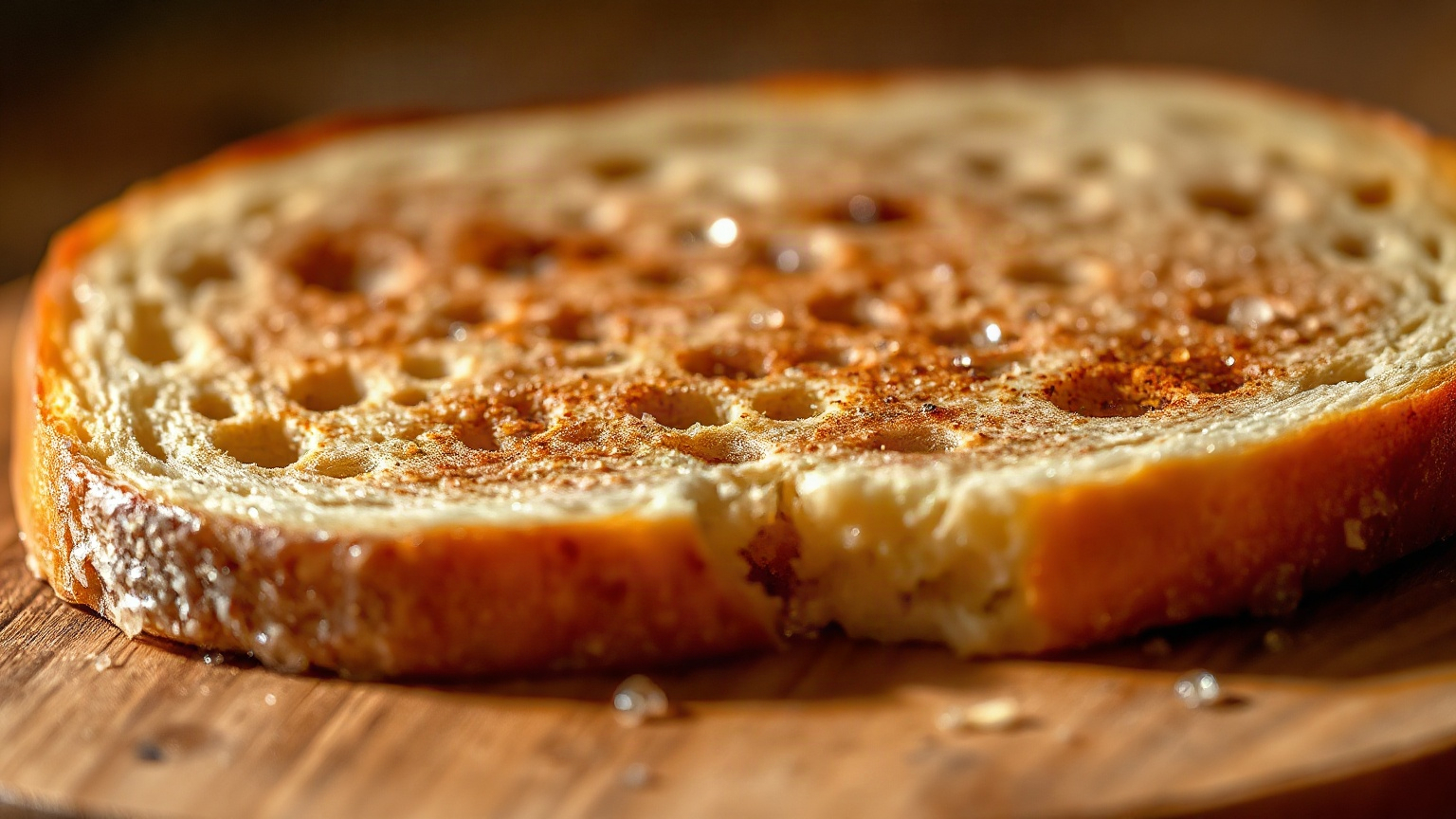
Here’s the thing people get wrong: the defrost button isn’t cooling anything down or doing anything magical. There’s no separate heating element. No special circuitry that “detects” frozen bread. What it does is change the timing profile of the existing elements.
A standard toast cycle runs the heating elements at full power from the moment you push the lever down. That works perfectly for room-temperature bread. But drop in a frozen slice straight from the freezer bag, and you’ve got a problem. The outer surface of the bread hits full heat immediately and starts browning — or burning — while the center is still a solid ice-cold block. You end up with toast that’s somewhere between charred and raw. It’s deeply unsatisfying.
The defrost function solves this by splitting the cycle into two phases. Phase one: low heat runs for an extended period, gently bringing the bread up to thawing temperature. Phase two: the elements ramp to full browning power, finishing the toast normally. The total cycle is noticeably longer than a regular toast, but the result is evenly toasted bread all the way through.
You can actually feel the difference if you pay attention. Pop your head over the toaster partway through a defrost cycle and the heat coming off it is noticeably milder than during a regular toast. Then about halfway through, you’ll hear a faint click (on many models) as the elements kick up to full power. That’s the transition point.
I tested this with a basic 2-slice toaster with a defrost function using standard sandwich bread frozen solid overnight. With defrost off and browning set to 3: burned edges, cold center. With defrost on and the same browning level: evenly golden, warm all the way through. The difference wasn’t subtle.
How Much Extra Time Does Defrost Actually Add?
This varies by model, but based on my own timing tests, here’s roughly what you can expect. If your normal toast at setting 3 takes about 80–90 seconds, defrost mode on the same setting typically runs 2 to 3 minutes total. At higher browning settings, the total time stretches further — I’ve clocked some cycles at just over 3.5 minutes on setting 5 with defrost active.
Some brands are vaguer than others about this. Oster’s documentation just says the toaster “automatically defrost your food and then toast it,” which is accurate but tells you nothing useful about timing. In practice, I’d just factor in an extra 60–90 seconds minimum any time you’re using it.
| Toast Setting | Standard Toast Time (approx.) | Defrost Mode Time (approx.) | Extra Time Added |
|---|---|---|---|
| 2 (light) | 60–75 sec | 90–120 sec | ~30–45 sec |
| 3 (medium) | 80–90 sec | 140–170 sec | ~60–80 sec |
| 4 (medium-dark) | 95–110 sec | 175–210 sec | ~70–100 sec |
| 5 (dark) | 115–130 sec | 200–220 sec | ~80–90 sec |
These are approximate — your specific model will vary, and toaster heating speeds also depend on how hot the elements already are from previous cycles. A toaster that’s just done three rounds of toast will defrost faster than a cold one. Worth keeping in mind if you’re making a big batch on a Sunday morning.
For a deeper look at how hot toasters actually run during normal operation, check out our piece on how hot a toaster gets — the temperature range surprises most people.
When to Use It (and When to Skip It)
Good candidates for the defrost setting
Standard sliced bread straight from the freezer is the obvious one. Also works well for thin frozen waffles, English muffins, and those pre-sliced bagels you buy frozen (though thick fresh bagels are a whole different situation — more on that below). Basically anything that’s a reasonably even thickness and fits in the slot without forcing it.
Pop-Tarts from the freezer? Yes, weirdly enough. I know some people freeze them. Defrost mode handles it fine.
When defrost mode won’t help — or can make things worse
Thick, dense bread is where defrost mode starts to struggle. A frozen Texas toast slice that’s an inch thick needs far more thawing time than the defrost cycle is designed for. You’ll often end up with edges that are browning while the center’s still partially frozen. Same problem with very dense whole-grain loaves or brioche. Better move: let those thaw on the counter for 10–15 minutes first, then toast normally.
Croissants and pastries generally shouldn’t go in a pop-up toaster at all — defrost or not. Toaster oven or nothing. And wet, ice-covered items (bread that’s got actual frost on the surface from poor freezer storage) can drip enough water into the crumb tray to warrant a good clean afterward. The defrost setting doesn’t handle surface ice, it handles frozen-solid bread. There’s a difference.
If you’re regularly reheating more complex frozen items, you’d honestly be better served by a toaster oven. Have a look at our guide to reheating food in a toaster oven — it covers a lot of scenarios a pop-up toaster simply can’t handle well.
The Manual Workaround (If Your Toaster Doesn’t Have a Defrost Button)
Plenty of budget toasters don’t include a defrost button. Don’t stress about it. The workaround is almost as good and takes maybe 30 extra seconds of your attention.
Run the frozen bread through one toast cycle at a low setting — around 2 or 2.5. Pull it out. It’ll look barely toasted and still feel cool. Then immediately run it through again at your normal browning setting. That’s it. Two-pass method, and it works reliably. I actually used this for years before I had a toaster with a defrost button, and honestly I still sometimes prefer it because I can control the two phases independently.
The only real downside is that it ties up the toaster for two full cycles and you have to remember to run it twice. Minor inconvenience. But it’s genuinely just as effective as the built-in defrost function, and if your toaster runs hot at any setting (some cheap ones do), the two-pass method gives you way more control.
An Edge Case Nobody Talks About: What About Partially Frozen Bread?
This one catches people off guard. You pull bread out of the freezer and leave it on the counter for five minutes — it’s partially thawed, cold but not frozen solid. Do you use defrost mode or not?
My recommendation: skip defrost mode, but drop your browning setting by half a step. Defrost mode is calibrated for fully frozen bread, so running it on partially-thawed bread tends to over-extend the cycle and dry the bread out before it even gets to the browning phase. You end up with toast that’s weirdly dry and pale, then suddenly darker than you wanted in the last 20 seconds.
Just toast it normally at a slightly lower setting. The bread’s got enough residual cold to absorb a bit more heat without burning, but not so much that you need the full extended defrost cycle. Trial and error on the exact setting — my kitchen runs warm, so my baseline is usually half a step lower than whatever I’d use for room-temp bread.
This is also where understanding how hot a toaster gets at different browning levels actually helps. The numbering on toast dials isn’t standardized across brands, so a “3” on one toaster might be dramatically hotter than a “3” on another. If you’ve moved to a new toaster recently and are getting inconsistent results, that’s probably why.
For reference, the Serious Eats team has written about bread science in ways that actually help explain why frozen bread behaves so differently from room-temperature loaves during rapid heating — worth a read if you want the food science angle on what’s happening to the gluten structure during that thaw-then-toast cycle.
Is the Defrost Setting Actually Worth Having?
Honestly? Yes, if you freeze bread regularly. It’s a small convenience feature, but it solves a real problem cleanly, and the best toasters with defrost, reheat, and cancel functions tend to have better overall build quality anyway, so the button is often a proxy for a better-made product.
If you rarely freeze bread and mostly toast fresh slices, it’s not a feature worth paying extra for on its own. The manual two-pass method covers you completely.
Where it genuinely earns its keep is in households that buy bread in bulk, freeze half the loaf to keep it fresh, and want to toast from frozen every morning without thinking about it. That’s exactly the use case it was designed for. Set the browning level, press defrost, push the lever. Done.
And if you’re eyeing a toaster oven upgrade instead of a pop-up toaster, our roundup of the best mini toaster ovens covers some solid options that handle frozen foods with a lot more flexibility than any pop-up toaster, defrost button or not. Worth considering if your needs go beyond bread.
The Bottom Line
The defrost setting runs your toaster’s heating elements at reduced power first, then ramps to full browning heat — giving frozen bread time to thaw before it starts browning. It adds roughly 60–90 seconds to a typical cycle. It works well for standard sliced bread, frozen waffles, and similarly thin items. It’s not great for thick, dense bread or anything with surface ice.
If your toaster has it, use it. If it doesn’t, the two-pass method is a perfectly solid substitute. And if you find yourself regularly frustrated by what a pop-up toaster can and can’t do with frozen food, a countertop toaster oven is genuinely a better tool for the job. No single button fixes that mismatch.
Frequently Asked Questions
Does the defrost setting make the toaster use more electricity?
Yes, slightly — because the cycle runs longer overall. The first phase uses lower wattage, but the extended total runtime means you’re drawing power for more time than a standard toast. The difference per slice is negligible (we’re talking fractions of a cent), but it’s not zero.
Can I use the defrost setting on fresh (non-frozen) bread?
You can, but you’ll end up with dried-out, pale, underwhelming toast. Defrost mode is calibrated for frozen items — the low-heat first phase will just sap moisture from fresh bread without achieving anything useful. Stick to normal toasting for fresh bread.
What’s the difference between the defrost setting and the reheat setting on a toaster?
Reheat is designed for bread that’s already been toasted and has gone cold — it warms it through without adding significant additional browning. Defrost is for items coming straight from frozen, using a two-phase low-then-high heat cycle. They’re solving different problems and shouldn’t be used interchangeably.
How do I know what browning level to use when toasting frozen bread?
Start at the same setting you’d use for normal toast, and adjust from there based on results. Most people find they can keep their usual browning level since the defrost cycle handles the thawing separately — the browning phase functions normally. If the bread is coming out too dark, drop half a setting next time.
Is it safe to put frost-covered bread in a toaster?
Bread that’s genuinely ice-covered — with visible frost on the surface from freezer burn or poor storage — should be thawed slightly before toasting. The moisture from melting surface ice drips into the crumb tray and can build up over time, which is both a hygiene issue and a potential fire risk if the tray isn’t cleaned regularly. Frozen-solid bread without surface frost is fine to put straight in.

Written by
Emma founded Toastera to turn vague appliance advice into clear, researched, safety-first guidance on toasters and toaster ovens.
Free: the Toaster Oven Cheat Sheet
Get the printable cheat sheet (temps, cook times & safety tips) plus new recipes. No spam, unsubscribe anytime.