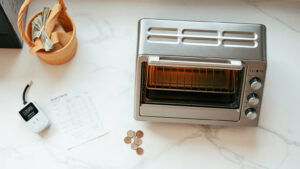
Bread turns brown when you toast it because of a chemical process called the Maillard reaction — amino acids and reducing sugars in the bread react together under heat, producing hundreds of new flavor compounds and the characteristic brown color. This starts happening around 280°F (138°C) and accelerates quickly as temperatures climb. The higher your toaster’s browning setting, the more complete that reaction gets, which is why a lightly toasted slice tastes noticeably different from a dark one.
Safety First: Toaster heating elements reach temperatures above 1,000°F (538°C) internally. Never leave a toaster or toaster oven unattended on a high browning setting, don’t use it near flammable materials, and keep the crumb tray emptied — accumulated crumbs can ignite under sustained heat. If your bread is visibly smoking, cancel the cycle immediately and unplug the unit.
Quick Facts: Toast Browning at a Glance
- The Maillard reaction begins at roughly 280°F (138°C) and produces most of its color and flavor between 300–350°F (149–177°C).
- Toasting is a chemical change, not just a physical one — the bread’s molecular structure actually transforms, which is why you can’t un-toast it.
- Moisture loss is what makes toast crispy: bread loses roughly 10–15% of its surface moisture during a standard toast cycle.
- Bread with more sugar (like brioche or milk bread) browns faster and darker than plain lean loaves because there’s more fuel for the reaction.
- Acrylamide, a compound that forms during heavy browning, increases with higher heat and longer toast time — another reason not to always push the darkest setting.
What Actually Happens Inside the Toaster
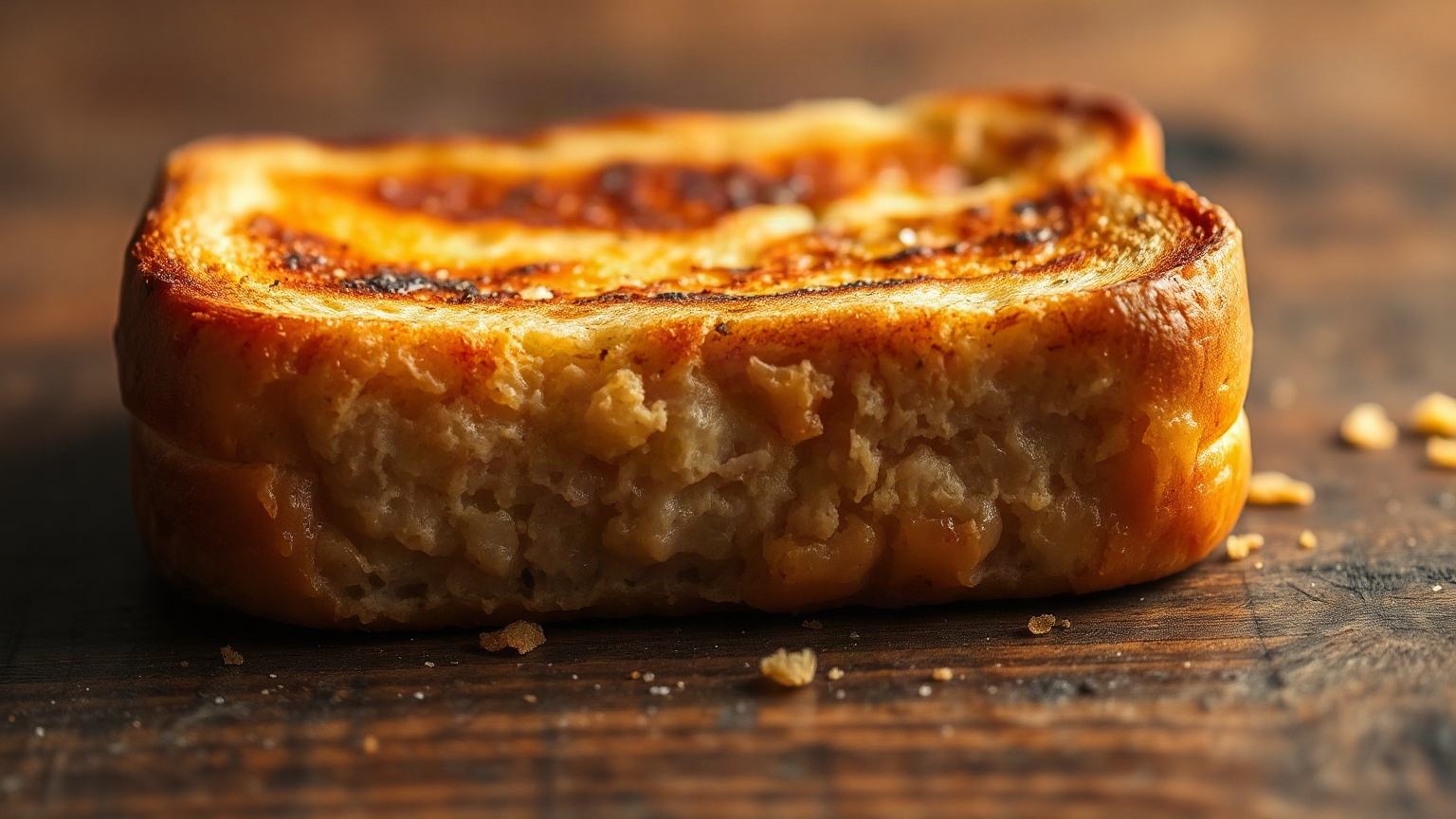
Here’s the thing that surprised me the first time I actually looked into this: toast isn’t just “dried out bread.” It’s chemically distinct from the slice you started with. A standard pop-up toaster runs its quartz or nichrome heating elements at somewhere between 900°F and 1,100°F — you can read more about the exact temperatures in this breakdown of how hot a toaster gets. The bread surface itself doesn’t reach anywhere near those temperatures, but it doesn’t need to. Even 300°F at the bread’s surface is enough to trigger visible browning within about 60 to 90 seconds.
The sequence goes like this: radiant heat hits the surface, the surface moisture evaporates, and then — once the surface dries out enough — the temperature of that outer layer climbs rapidly. That’s when the Maillard reaction kicks into gear. It’s not happening in the wet, soft interior. Only at the surface, where things actually get hot and dry.
Why Moisture Matters So Much
Fresh bread right out of a humid environment will take longer to brown. I’ve noticed this with sourdough from a plastic bag — it steams a little before it toasts. The water in the bread acts as a heat sink, keeping the surface temperature capped near 212°F (the boiling point of water) until enough of it evaporates. Only once that moisture is gone does the surface temperature break free and climb into browning territory. This is also why re-toasting already-toasted bread can be tricky: the first cycle dried it out, so the second cycle starts browning almost immediately, which is how you end up with charcoal instead of toast.
The Maillard Reaction: What It Is and Why Chemists Love It
Louis-Camille Maillard described this reaction back in 1912, and food scientists have been picking it apart ever since. The short version: amino acids (the building blocks of protein) react with reducing sugars (glucose, fructose, and others present in bread flour) when heat is applied. The result isn’t a single compound — it’s a cascade of over 1,000 distinct flavor and aroma molecules. That’s why toast smells so different from bread. It’s genuinely more complex, chemically speaking.
The color progression is a good way to track the reaction. Pale gold means the reaction has just started. A warm amber means you’re in peak flavor territory, where the pyrazines, furans, and other aromatic compounds have developed. Dark brown means you’re getting close to the edge. Black means you’ve gone past Maillard and into straight carbonization — that’s not flavor, that’s just burnt carbon.
My personal preference is firmly in the amber zone. Medium-dark on most toasters, which usually corresponds to a surface temperature somewhere around 330–350°F at the bread’s crust. Anything lighter and I feel like I’m eating slightly warm bread. Anything darker and I’m scraping crumbs into the sink.
Maillard vs. Caramelization: They’re Not the Same
People mix these up constantly. Caramelization is purely sugar breaking down under heat — it starts around 320°F (160°C) for fructose and higher for other sugars. Maillard requires both sugar and protein together. In toast, you’re getting mostly Maillard, with a little caramelization layered in, especially in enriched breads that have added sugars. They produce similar-looking browning but taste different. Caramelization has that clean, sweet, toffee quality. Maillard is savory, roasty, much more complex. Both are happening to some degree when you toast bread — the ratio just shifts depending on the bread type.
How Bread Type Changes the Browning
This is where it gets practical. Not all bread toasts the same, and understanding why helps you stop burning your brioche and under-toasting your sourdough.
| Bread Type | Sugar Content | Protein Content | Browning Speed | Recommended Setting |
|---|---|---|---|---|
| White sandwich bread | Moderate | Moderate | Medium | Medium |
| Sourdough (lean) | Low | Moderate-high | Slower | Medium-dark |
| Brioche / Milk bread | High | High | Fast | Light-medium |
| Whole wheat | Low-moderate | Higher | Medium-fast | Medium |
| Rye bread | Low | Lower gluten | Slower | Medium-dark |
| Gluten-free bread | Variable | Low (no gluten) | Uneven / slow | Medium-dark, watch closely |
Brioche is the one that catches people off guard. It’s enriched with eggs and butter, already golden before it goes in, and has enough sugar that it can go from perfect to burnt in under 30 seconds if you’re not paying attention. I burned an entire loaf of brioche toast for a brunch once because I set my toaster oven to the same setting I use for sourdough. Never again. Light-medium, brief cycle, and keep an eye on it.
Gluten-free bread has a different problem. Without gluten’s protein network, it often toasts unevenly — edges go dark while the center stays pale. If you’re working with gluten-free slices in a toaster oven, a toaster oven wire rack that positions the bread closer to the top element can help even things out.
What About Acrylamide? The Edge Case Nobody Talks About
Here’s something the basic “Maillard reaction” articles usually skip: acrylamide. It forms when asparagine (an amino acid in wheat) reacts with sugars at high heat, specifically above about 248°F (120°C). It’s a compound that’s been classified as a probable human carcinogen based on animal studies, and it increases significantly as toast gets darker. The UK Food Standards Agency ran a high-profile campaign a few years back with the message “go for gold” — meaning aim for a golden color, not dark brown or black.
The practical takeaway: very dark toast isn’t just a matter of taste preference. There’s a real reason to stop short of deeply dark browning. The FDA has published guidance on acrylamide in food, and they point to darker cooking as the main driver of elevated levels. Doesn’t mean you need to panic over your morning toast — but it’s a genuine reason medium toast wins over very dark.
Toaster Ovens vs. Pop-Up Toasters: Does It Brown Differently?
Yes, actually. A standard pop-up toaster surrounds the bread with radiant heat from both sides simultaneously, which is why the browning is usually even. A toaster oven typically has top and bottom elements, and the bread sits on a rack, so the radiant heat geometry is different. The bottom of the bread can get more contact-based browning from the rack, while the top gets direct radiant heat from the upper element. Some toaster ovens have a dedicated “toast” mode that compensates for this — good ones like the Breville Smart Oven series actually measure internal temperature and adjust element power during the toast cycle.
If you’re regularly toasting in a toaster oven and not getting even results, the rack position matters a lot. Middle rack is usually the default, but moving a slice one notch higher gets you faster, more even top browning. Worth experimenting. And if you’re reheating food in a toaster oven rather than toasting fresh bread, the dynamic changes again — you want to warm the interior without over-browning the surface, which often means a lower temperature and longer time.
For anyone doing more than just toast — making garlic bread, open-faced sandwiches, that kind of thing — using a proper toaster oven baking pan gives you more control than just a rack. You can tent with foil if the top is browning too fast, or flip halfway through.
Serious Eats has a solid deeper read on the Maillard reaction in bread and baking if you want the full scientific treatment.
Getting the Best Toast Every Time
A few things that actually make a difference in practice:
- Room temperature bread toasts more evenly than cold bread straight from the fridge. Cold bread extends the evaporation phase and can lead to uneven browning.
- Frozen bread (toast from frozen) works well in most pop-up toasters because they have a “frozen” setting that adds a gentle pre-warming phase before the main toast cycle. Using a regular setting on frozen bread often means an underdone interior and an over-browned surface.
- Bread thickness matters more than people realize. Standard sandwich bread is about 12–14mm thick. Artisan slices from a boule can be 20–25mm. Thicker slices need a slightly longer cycle or you get a warm, soft interior rather than a uniformly toasted one.
- Don’t re-toast on the same setting. If your toast came out too light the first time, use a shorter cycle the second time — the bread is already dry, and it’ll brown much faster.
The Bottom Line
Toast is a genuine chemical transformation. The Maillard reaction isn’t a quirk or a side effect — it’s the whole point. It’s what gives toast its flavor, its aroma, and its texture that’s completely unlike the original bread. Understanding it means you can actually control the outcome: knowing that enriched breads brown faster, that moisture is the main variable at play early in the cycle, and that very dark toast carries acrylamide considerations beyond just burnt flavor.
If you’re shopping for a new machine and want something that handles browning consistently across different bread types, check out our picks for the best mini toaster ovens — some of them have genuinely smart toast modes that make a real difference. For now, shoot for golden amber, keep an eye on brioche, and maybe don’t push it to the darkest setting every single morning.
Frequently Asked Questions
What temperature does bread need to reach to turn brown when toasting?
The Maillard reaction — the browning process — starts at around 280°F (138°C) at the bread’s surface. Most visible browning and flavor development happens between 300–350°F (149–177°C). The heating elements in a toaster run far hotter than this, but the bread surface itself takes time to reach those temperatures because moisture keeps it cool initially.
Is the browning of toast a chemical or physical change?
It’s a chemical change. The Maillard reaction creates entirely new compounds that weren’t in the original bread — new flavor molecules, new aromatic compounds, and a browned surface layer with a different molecular structure. You can’t reverse it, which is a classic sign of a chemical rather than physical change.
Why doesn’t my bread brown evenly in a toaster oven?
Uneven browning in a toaster oven usually comes down to rack position and element proximity. The side of the bread closest to the active heating element browns faster. Try moving the rack one position higher or lower depending on which side is browning too fast, and consider flipping the bread halfway through the cycle if your toaster oven doesn’t have a dedicated toast mode.
Does toasting bread actually change its nutritional content?
Yes, slightly. Toasting reduces some water-soluble B vitamins (like thiamine) through heat, and it creates acrylamide, which forms at higher browning levels and is a compound associated with health concerns in animal studies. The glycemic index of toast is also marginally lower than fresh bread of the same type, because the starch structure changes slightly during heating and cooling.
Why does bread with more sugar brown faster in the toaster?
The Maillard reaction needs both amino acids (protein) and reducing sugars to work. More sugar in the bread — like in brioche, milk bread, or commercially enriched white bread — means more fuel for the reaction, so browning starts sooner and progresses faster at the same temperature. That’s why enriched breads need a lighter toaster setting than lean sourdough or plain rye.

Written by
Emma founded Toastera to turn vague appliance advice into clear, researched, safety-first guidance on toasters and toaster ovens.
Free: the Toaster Oven Cheat Sheet
Get the printable cheat sheet (temps, cook times & safety tips) plus new recipes. No spam, unsubscribe anytime.