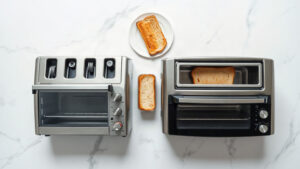
Reheat fried chicken in an air fryer at 375°F for 6–8 minutes, flipping once halfway through. The circulating hot air re-crisps the coating without the sogginess you’d get from a microwave. Let the chicken sit at room temperature for 10 minutes first — cold chicken straight from the fridge steams itself from the inside and wrecks the crust before it even has a chance.
Safety First: Air fryer baskets and the chicken itself get extremely hot — always use silicone-tipped tongs (not your fingers) to flip pieces mid-cycle, and never place the hot basket on a countertop surface without a heat-safe trivet underneath. Internal chicken temperature must reach 165°F before eating; use an instant-read thermometer to confirm, especially with thicker pieces like bone-in thighs or drumsticks.
Quick Facts Before You Start
- Best temperature: 375°F (190°C) for most pieces; drop to 360°F for very thin cutlets or tenders
- Time range: 6–8 minutes for bone-in pieces, 4–5 minutes for smaller tenders or strips
- Always rest chicken at room temperature for at least 10 minutes before reheating — skipping this is the #1 reason you end up with dried-out meat and soggy skin
- Don’t stack pieces; a single layer in the basket is non-negotiable if you want crunch
- After reheating, transfer to a wire rack for 1–2 minutes — not a plate — so the bottom doesn’t steam itself soft again
I’ve reheated a truly embarrassing amount of leftover fried chicken at this point. KFC, Popeyes, homemade — I’ve run all of it through my air fryer. My first few attempts were disasters because I skipped the rest step and cranked the heat too high, thinking faster was better. It wasn’t. The outside scorched and the inside was still cold near the bone. Here’s everything I’ve figured out since then.
Why the Air Fryer Actually Works for This
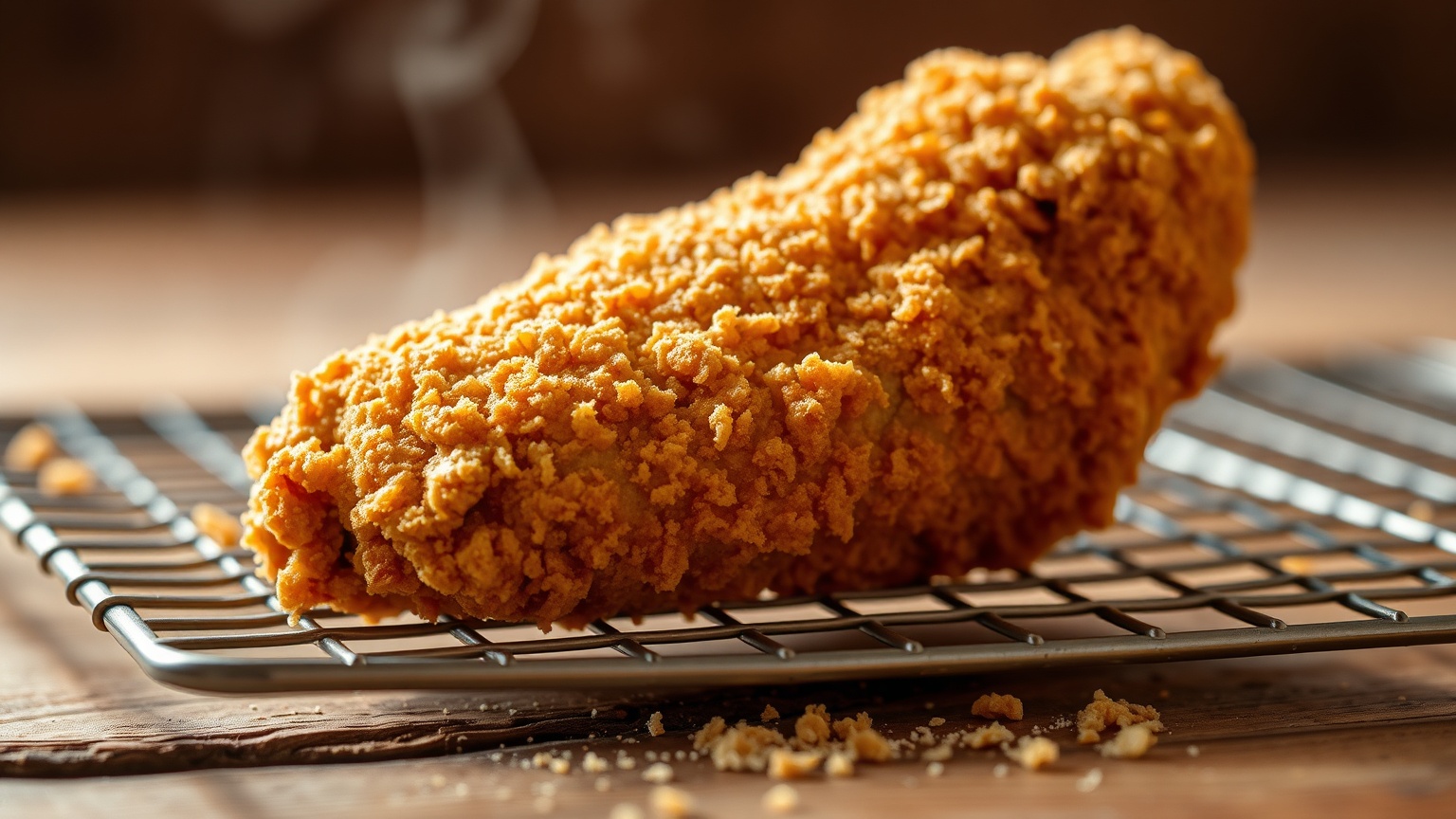
A microwave reheats chicken by exciting water molecules, which means steam — and steam is the enemy of a crispy crust. The oven works okay but takes 20+ minutes and often dries out the meat. The air fryer hits a sweet spot: it blasts hot air from multiple directions at high speed, which evaporates surface moisture fast and re-sets the coating the same way frying did originally.
It’s not magic. It’s just physics that happens to be very convenient.
The one thing air fryers can’t fully replicate is that very first pull-from-the-fryer crunch. But they get close enough that I’d rather eat leftover fried chicken from an air fryer than fresh fried chicken that sat under a heat lamp for 45 minutes. That’s my honest take.
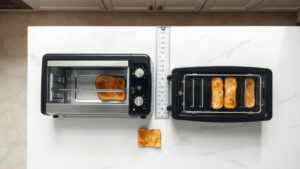
If you’re curious about how reheating food in a toaster oven compares for other leftovers, that’s worth a read too — for some things, the toaster oven actually has the edge. But for fried chicken specifically? Air fryer wins.
The Exact Method, Step by Step
Step 1: Rest the chicken first
Pull your chicken out of the fridge and let it sit uncovered on the counter for 10–15 minutes. Uncovered matters — you want any surface condensation to dry out a bit before it hits hot air. I usually do this while I’m preheating the air fryer and getting other dinner stuff together.
Step 2: Preheat properly
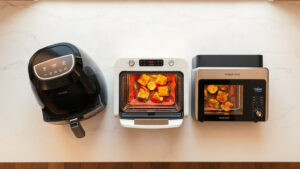
Set your air fryer to 375°F and let it run for 3–4 minutes before you put the chicken in. Skipping the preheat means the chicken starts heating before the air is moving at full speed, and you lose about 2 minutes of effective crisping time. Most basket-style air fryers reach temp in about 3 minutes; larger toaster oven-style units may take 4–5.
Step 3: Arrange in a single layer
This is where people go wrong. Stacking pieces traps steam between them. One layer, with at least a half-inch of space between each piece. If you’ve got a lot of chicken and a small basket, do it in batches. A wire rack insert for your air fryer can double your capacity while still allowing airflow — worth having.
Step 4: Reheat, flip, check
Set the timer for 6 minutes total. At the 3-minute mark, flip each piece. When the timer goes off, use an instant-read thermometer to check the thickest part — you’re looking for 165°F internal temp, per USDA safe minimum temperature guidelines. If it’s not there yet, add 1–2 minutes. Bone-in thighs are the slowest; tenders and strips are usually done in 4–5 minutes total.
Step 5: Rest on a rack, not a plate
When it comes out, don’t put it straight on a plate. Plates trap steam under the chicken immediately and you’ll lose your crispy bottom. A quick 90 seconds on a cooling rack makes a real difference. I know it sounds fussy, but it takes about 10 extra seconds of effort and the result is noticeably better.
Temperature and Time by Chicken Type
Not all fried chicken is the same thickness, and time matters a lot here. This is the table I’ve basically memorized at this point:
| Chicken Type | Air Fryer Temp | Total Time | Flip At |
|---|---|---|---|
| Bone-in thigh or drumstick | 375°F (190°C) | 7–8 minutes | 3.5–4 min |
| Bone-in breast (half) | 375°F (190°C) | 8–10 minutes | 4–5 min |
| Boneless breast or thigh | 375°F (190°C) | 5–6 minutes | 2.5–3 min |
| Tenders or strips | 360°F (182°C) | 4–5 minutes | 2 min |
| Wings | 380°F (193°C) | 5–6 minutes | 2.5–3 min |
Wings actually get slightly hotter air because they’re mostly skin and they can take it. A bone-in breast is the trickiest — it’s thick enough that you genuinely need to check the internal temp rather than guessing by time alone.
Common Mistakes and How to Avoid Them
Skipping the rest period
I already mentioned this, but it bears repeating because I see it in every comment section on every fried chicken post. Cold chicken straight from the fridge creates a temperature differential — the outside cooks fast while the inside stays cold. This causes the meat to release steam upward through the coating as it tries to equalize. That steam is what makes the crust soft. Ten minutes on the counter. Non-negotiable.
Using too much oil spray
Some people spray the chicken with oil before reheating to try to refresh the coating. A very light mist is fine. Dousing it will make the outside greasy and the coating can slide off. The chicken already has plenty of fat in it from the original fry — you’re just reactivating what’s there, not re-frying it.
Reheating frozen fried chicken without thawing
Here’s an edge case most guides skip: what if your fried chicken is frozen, not just refrigerated? Don’t try to go straight from frozen to air fryer at 375°F. The outside will burn before the inside thaws. Instead, thaw in the fridge overnight, then follow the standard method. Or, if you’re truly desperate, run it at 300°F for 10 minutes first to thaw and warm it through, then crank to 375°F for the final 3–4 minutes to re-crisp. It’s a two-stage process and it works.
Overcrowding, repeatedly
If you only take one thing from this article, let it be this: single layer, always. Steam accumulates fast in a crowded basket. I’ve tried it both ways more times than I can count. Overcrowded chicken comes out with limp patches exactly where pieces touched. Not worth it.
What If You Don’t Have an Air Fryer?
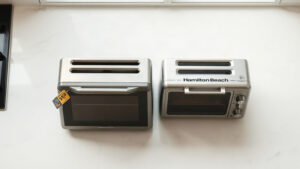
A toaster oven set to 400°F with the convection fan on is a solid backup. It takes longer — usually 12–15 minutes — but it does a decent job. Put the chicken on a wire rack set over a baking sheet so air gets underneath. Standard (non-convection) toaster ovens work too, just expect softer results and add another 5 minutes. Check out the best mini toaster ovens if you’re in the market for one that doubles as an air fryer; some of the combo units are genuinely good at both.
The one method I’d steer you away from: the microwave. Even 30 seconds makes the coating rubbery. It’ll taste like a sad memory of fried chicken. If you’re absolutely out of options, wrap it in a dry paper towel to absorb some steam — it helps slightly — but it’s still not great. Serious Eats has a thorough breakdown of oven vs. microwave reheating if you want the full comparison.
Final Thoughts
Reheating fried chicken well is genuinely one of the better arguments for owning an air fryer. The method isn’t complicated: rest the chicken, preheat the machine, single layer, 375°F, flip halfway, check the temp. That’s it.
My personal preference is bone-in thighs — they reheat the best because the fat content in dark meat keeps them moist even if you go slightly over on time. White meat is less forgiving, so watch your timer there. And honestly, the 10-minute counter rest really is the difference between good and great results. I resisted that step for way too long because it felt unnecessary. It isn’t.
If your air fryer is on the smaller side and you’re reheating for a crowd, batch it. The second round actually comes out slightly better than the first because the basket is already hot. Small consolation for being the last one to eat, but still.
Frequently Asked Questions
How long to reheat fried chicken in an air fryer?
Bone-in pieces like thighs and drumsticks take 7–8 minutes at 375°F, flipping once at the halfway point. Tenders and strips are faster — 4–5 minutes at 360°F is usually enough. Always confirm with a thermometer; 165°F internal temperature is the target regardless of the cut.
What temperature should I reheat fried chicken in an air fryer?
375°F (190°C) works for most bone-in and boneless pieces. Drop to 360°F for thin tenders or strips, which can dry out quickly at higher heat. Wings can go slightly higher — around 380°F — because they’re mostly skin and benefit from the extra heat for crispiness.
Why does my reheated fried chicken come out soggy?
The most common cause is reheating cold chicken straight from the fridge, which creates steam inside the coating as the temperature equalizes. Overcrowding the basket is the second biggest culprit — pieces touching each other trap moisture and kill the crunch. Let the chicken rest at room temperature for 10 minutes, use a single layer, and the sogginess problem usually goes away.
Can you reheat frozen fried chicken in an air fryer?
Yes, but not in one straight shot at 375°F — the outside burns before the inside thaws. Start at 300°F for about 10 minutes to thaw and warm through, then increase to 375°F for 3–4 minutes to re-crisp the coating. Thawing in the fridge overnight and then using the standard method is easier and gives better results.
Does reheating fried chicken in an air fryer dry it out?
It can, if you overshoot the time or use heat that’s too high for the cut. Dark meat — thighs, drumsticks — is much more forgiving than white meat because of its higher fat content. For chicken breasts, stick to the lower end of the time range and use a thermometer rather than guessing; pull it as soon as it hits 165°F and it’ll stay juicy.
—
Written by
Emma founded Toastera to turn vague appliance advice into clear, researched, safety-first guidance on toasters and toaster ovens.
Free: the Toaster Oven Cheat Sheet
Get the printable cheat sheet (temps, cook times & safety tips) plus new recipes. No spam, unsubscribe anytime.