To roast broccoli in a toaster oven without it turning soggy, use 425°F on the bake setting, spread florets in a single layer with real space between them, and pat them completely dry before adding any oil. Moisture is the enemy — trapped steam is what makes broccoli go limp and sad. Get those two things right and you’ll have genuinely crispy edges every single time.
Safety First: Toaster ovens run at high heat and their exterior walls can get dangerously hot at 425°F. Keep the oven at least 4 inches from walls or cabinets, never line the bottom tray with foil (it can cause overheating and fire), and use oven mitts when handling the pan — the small interior means the rack and pan edges are very close to the heating elements.
Quick Facts
- Roast at 425°F on the Bake setting — not Toast, not Broil
- Pat broccoli completely dry and let it air for 5 minutes before oiling
- Single layer only, with at least ½ inch of space between florets
- Toaster oven batches are smaller — plan for roughly 12 oz of florets at a time in most standard models
- Total cook time: 18–22 minutes, flipping once at the 12-minute mark
Why Broccoli Gets Soggy in the First Place
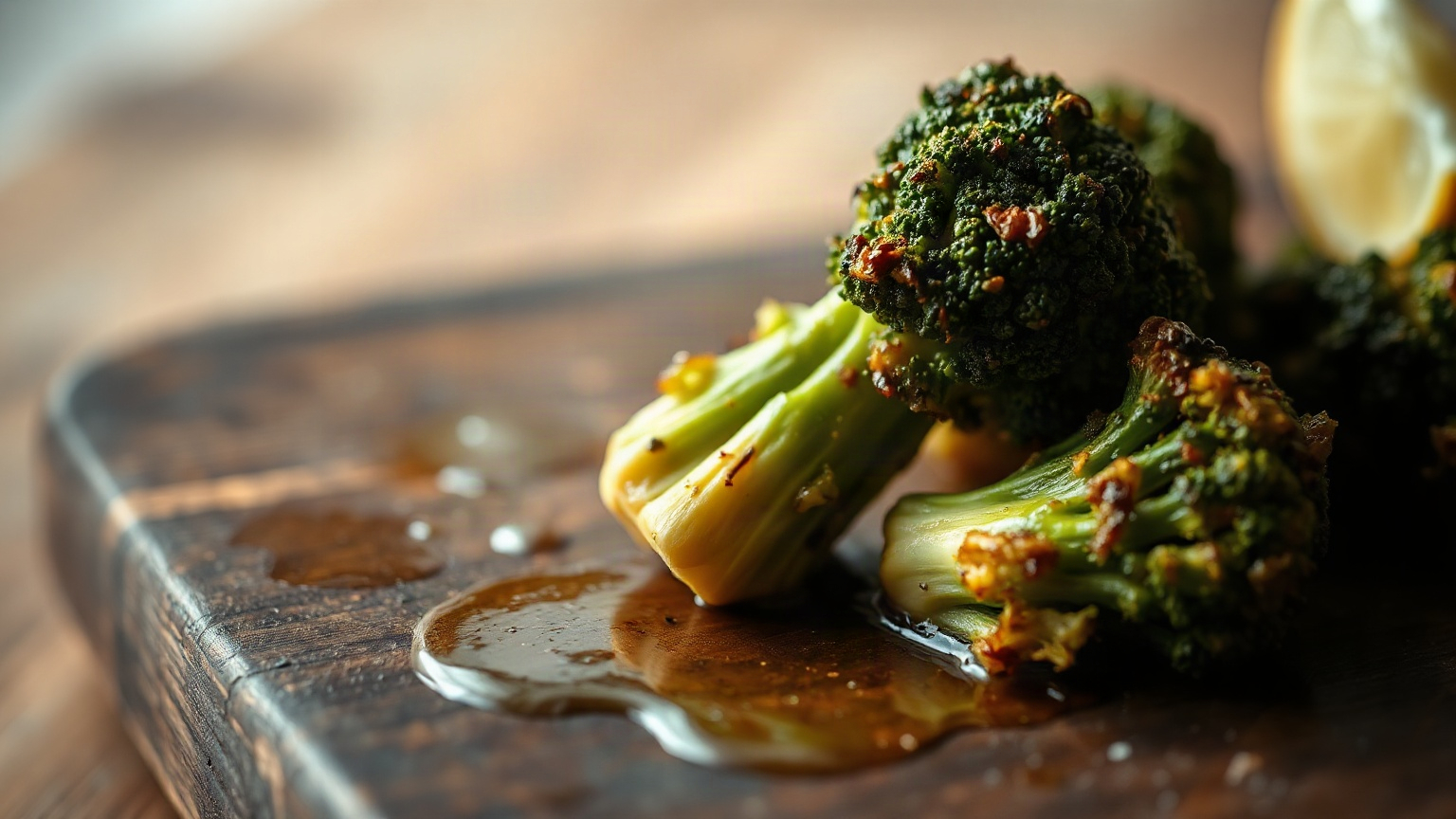
Broccoli is mostly water. When it hits a hot pan, that moisture has to go somewhere, and if there isn’t enough airflow to carry it away, it just steams the florets from the inside out. You end up with soft, slightly yellowed broccoli that smells fine but has the texture of a disappointment.
The toaster oven actually has a bit of an advantage here. Its smaller cavity heats up faster and more consistently than a full-size oven. But that same small space means you can only cook a modest amount at once — overcrowding is far more catastrophic in a toaster oven than in a big oven. I learned this the embarrassing way when I tried to cram an entire head of broccoli onto one pan. Steamed mush. Every time.
There are basically three culprits: wet broccoli, too much oil, and overcrowding. Fix all three and you’re good. Miss any one of them and you’re probably getting soggy.
How to Prep the Broccoli (This Part Actually Matters)
Cut It the Right Way
Florets should be roughly the same size — about 1.5 to 2 inches across. That’s not fussy; it’s just practical. Uneven pieces mean some burn while others are still raw in the middle. Cut them flat on one side if you can. That flat surface is what gives you the deep brown caramelization on the bottom, and it’s honestly the best part of roasted broccoli.
Don’t throw the stalks away. Peel them, slice them into ¼-inch coins, and roast them right alongside the florets. They get crispy on the edges and slightly sweet. Most recipes ignore this, and I’ll never understand why.
Dry It. Seriously.
Wash the broccoli, sure. But then actually dry it. Spread it on a clean kitchen towel, pat it down, and let it sit for at least 5 minutes. If you have time, 10 is better. Any water left on the surface turns to steam the second it hits the oven and you’re right back to mush.
This step gets skipped constantly and it’s the one that makes the biggest difference. Not the temperature. Not the exact oil amount. The dryness.
Oil: How Much Is Too Much
For about 12 ounces of florets, use 1.5 tablespoons of oil. Not 3. Not “a generous drizzle.” Too much oil and the broccoli fries in its own fat rather than roasting dry, which gives you a completely different (and not great) texture. Toss it in a bowl so every surface gets lightly coated — you don’t want dry patches either.
I use regular olive oil, not extra virgin. Extra virgin has a lower smoke point and at 425°F it can start to taste bitter. That’s a personal preference thing, but it’s one I feel pretty strongly about after testing it both ways multiple times.
The Toaster Oven Setup That Actually Works
Rack Position
Put the rack on the lowest slot. I know that sounds counterintuitive if you’re used to putting things closer to the top heating element for browning, but the bottom rack position keeps the broccoli further from the top element and lets the heat circulate more evenly. It also means the pan gets more direct radiant heat from the bottom, which helps with that caramelized underside.
Some toaster ovens only have two rack positions. If that’s your situation, go with the lower one. And if yours has a convection fan — use it. Convection circulates the hot air and carries moisture away from the surface, which is exactly what you want. Drop the temperature to 400°F if using convection; the airflow makes it run hot.
The Pan Question
Use a dark or aluminum toaster oven baking pan. Dark pans absorb more heat and give better browning on the bottom. If you’re using a shiny, light-colored pan, the underside of your broccoli will stay pale and a bit rubbery even if the tops look fine.
Don’t line it with foil. Foil creates a smooth, reflective surface that bounces heat away from the food. Parchment is fine if you must use something, but honestly — just put the oiled broccoli directly on the pan. It’ll stick slightly at first and release when it’s properly browned, which is exactly how it should work.
If you’re serious about crispy broccoli and cook it often, a toaster oven wire rack set over a pan is worth considering. Air gets under the florets and you get crispiness all the way around, not just on top. It does make cleanup slightly more annoying, fair warning.
Temperature and Timing
425°F. Bake setting. Preheat for at least 8 minutes before the broccoli goes in. Toaster ovens preheat fast but they’re also small enough that an unpreheated oven will drop temperature significantly when you open the door and slide in a cold pan of vegetables.
Cook for 18–22 minutes total. Flip at the 12-minute mark. The first 12 minutes are where the surface dries out and starts to brown; the flip lets the other side catch up. Don’t open the door before 10 minutes — every time you do, you let steam escape but also let heat escape, and the temperature recovery takes time your broccoli doesn’t have.
| Setting | Temperature | Cook Time | Result |
|---|---|---|---|
| Bake (no convection) | 425°F | 20–22 min | Crispy tops, good caramelization |
| Convection Bake | 400°F | 16–18 min | Crispiest all over, best for dense florets |
| Broil (last 2 min only) | High broil | 2 min add-on | Extra char on tips — great for texture |
| Too low (350°F) | 350°F | Any | Steams before browning, soggy result |
One optional trick: in the last 2 minutes, switch to broil. Watch it closely — broccoli goes from nicely charred to actually burnt in about 90 seconds. But when you catch it at just the right moment, the tips get these dark, crispy edges that taste almost nutty. It’s my favorite part and I will not apologize for that.
Seasoning: Keep It Simple or Don’t
Salt and pepper is all you need. But the salt timing matters — salt draws out moisture, so add it right before the pan goes in, not when you’re tossing the broccoli in oil ten minutes earlier.
A few other things that work well: garlic powder (not fresh garlic, which burns at 425°F), a pinch of red pepper flakes, or a squeeze of lemon after it comes out of the oven. Parmesan added in the last 4 minutes melts and crisps into little salty flecks that are genuinely excellent. Serious Eats has a good breakdown of why high-heat roasting develops flavor compounds that lower temperatures just can’t.
Don’t add sauces or marinades before roasting. They contain water and sugar and they’ll make the broccoli steam and possibly scorch before it has a chance to properly caramelize. Add them after. Always after.
Edge Cases Most Recipes Don’t Mention
Frozen Broccoli
You can roast frozen broccoli in a toaster oven and get it reasonably crispy, but you have to defrost and dry it first — completely. Spread it on paper towels, press another layer on top, and let it sit for 20 minutes. Frozen broccoli has more water in the cell walls from the freezing process, and if you skip the drying step, no amount of high heat will save it. Once it’s properly dry, treat it exactly like fresh. It won’t be quite as good, but it’ll be far better than most people expect from frozen.
Small Toaster Ovens
If you’re working with a 4-slice or smaller toaster oven (the kind that’s about 12 inches wide), cut your batch down to about 8 ounces. Overcrowding is exponentially worse in a tiny oven because the heating elements are closer and airflow is more restricted. You’re better off doing two small batches than one crowded one. If you’re in the market for a model with more usable interior space, check out our picks for the best mini toaster ovens — some pack a surprising amount of room into a compact footprint.
Reheating Leftover Roasted Broccoli
Reheated roasted broccoli is almost always better when it goes back in the toaster oven rather than the microwave. 375°F for 5–7 minutes on the bake setting brings back most of the crispiness. The microwave makes it soggy instantly and there’s no recovering from that. We have a full guide on reheating food in a toaster oven if you want the specifics for other vegetables too.
The Verdict
Roasting broccoli in a toaster oven is genuinely one of the better uses for the appliance — the small cavity heats fast, the concentrated heat does good things to vegetables, and the whole process takes under 25 minutes. The difference between soggy and crispy comes down to three things you can control: dry broccoli, a hot pan with room between florets, and not opening the door too early.
Get those right and you won’t miss your full-size oven for this. Not even a little. The Food Network’s general roasting principles apply here too — high heat, dry surface, don’t crowd — they just happen to translate particularly well to the toaster oven format.
One last thing: if your toaster oven runs hot or cold (most do run a little off from their stated temperature), adjust accordingly. An oven thermometer costs about $8 and will immediately tell you if your “425°F” is actually 395°F. Worth it. For more on how toaster oven heat works, see our breakdown of how hot a toaster gets.
Frequently Asked Questions
What temperature should I use to roast broccoli in a toaster oven?
425°F on the Bake setting is the sweet spot for standard toaster ovens without convection. If your oven has a convection fan, drop it to 400°F — the airflow compensates and you’ll get similar (often better) results without risking burnt tips. Anything below 400°F tends to steam the broccoli before it can properly brown.
How do I keep roasted broccoli from getting soggy in a toaster oven?
Pat the broccoli completely dry before adding oil, spread it in a single layer with at least ½ inch of space between pieces, and preheat the oven fully before the pan goes in. Wet broccoli and crowded pans are the two biggest causes of sogginess — fix those and the toaster oven will do the rest. Don’t add salt until just before roasting, since it draws out moisture.
How long does it take to roast broccoli in a toaster oven?
At 425°F with the rack on the lowest position, broccoli takes about 18–22 minutes total. Flip the florets at the 12-minute mark for even browning. Convection speeds things up by 3–4 minutes. Florets cut smaller than 1.5 inches will finish faster, so check around the 15-minute mark if you’ve cut them small.
Can I roast frozen broccoli in a toaster oven?
Yes, but you must defrost and thoroughly dry it first. Spread frozen florets on paper towels, press more towels on top, and let them sit for at least 20 minutes before roasting. Skipping this step means you’re basically steaming the broccoli in its own ice water, and no oven temperature will fix that. Once dry, roast at the same temperature and time as fresh.
Should I use convection or regular bake to roast broccoli in a toaster oven?
Convection bake is better if your toaster oven has it. The circulating air carries moisture away from the surface of the broccoli, which is exactly the mechanism that produces crispiness. Use 400°F instead of 425°F when running convection, and start checking for doneness around 16 minutes. Regular bake works well too — just expect to add a couple of minutes to the cook time.

Written by
Emma founded Toastera to turn vague appliance advice into clear, researched, safety-first guidance on toasters and toaster ovens.
Free: the Toaster Oven Cheat Sheet
Get the printable cheat sheet (temps, cook times & safety tips) plus new recipes. No spam, unsubscribe anytime.