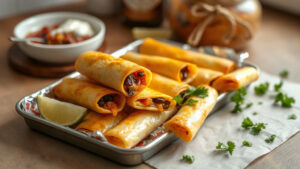
To reheat restaurant leftovers in a toaster oven without drying them out, set the temperature between 300°F and 350°F, add a small splash of water or broth to the dish, and cover loosely with foil for the first two-thirds of the reheating time. The low-and-slow approach lets the food come back up to temperature gradually instead of blasting the moisture out. Pull the foil off at the end if you want any crispness back — that last few minutes uncovered does a lot of work.
Safety First: Toaster ovens run hot and the exterior walls, rack, and baking pan can cause serious burns — always use oven mitts when pulling food out, don’t line the bottom tray with foil (it can trap heat and create a fire hazard), and never leave the toaster oven unattended when reheating fatty or saucy foods that could splatter onto the heating elements.
Quick Takeaways Before We Get Into It
- 300°F–350°F is the sweet spot for almost every leftover — hotter than that and you’re just evaporating moisture faster than you think
- A loose foil tent is your single best tool for keeping food moist; remove it for the last 3–5 minutes to restore any crispness
- Adding 1–2 tablespoons of water, broth, or sauce to the dish before covering dramatically changes the result on pasta, rice dishes, and braised meats
- Pizza and fried foods are the exception — no foil, no added liquid, direct heat on the rack
- Most restaurant leftovers reheat in 8–15 minutes; anything taking longer is probably running at too high a temperature
I’ve been testing toaster ovens for a few years now, and reheating leftovers is honestly where I think most people get tripped up. Not because it’s hard — it isn’t — but because they treat the toaster oven like a microwave and just punch in a temperature without thinking about moisture. I made that mistake plenty of times before I started actually paying attention to what was happening inside. A beautiful piece of restaurant chicken turns into shoe leather in about ten minutes if you’re not careful. Here’s what I’ve learned from doing this badly, then doing it right.
Why Toaster Ovens Dry Out Food (And How to Stop It)
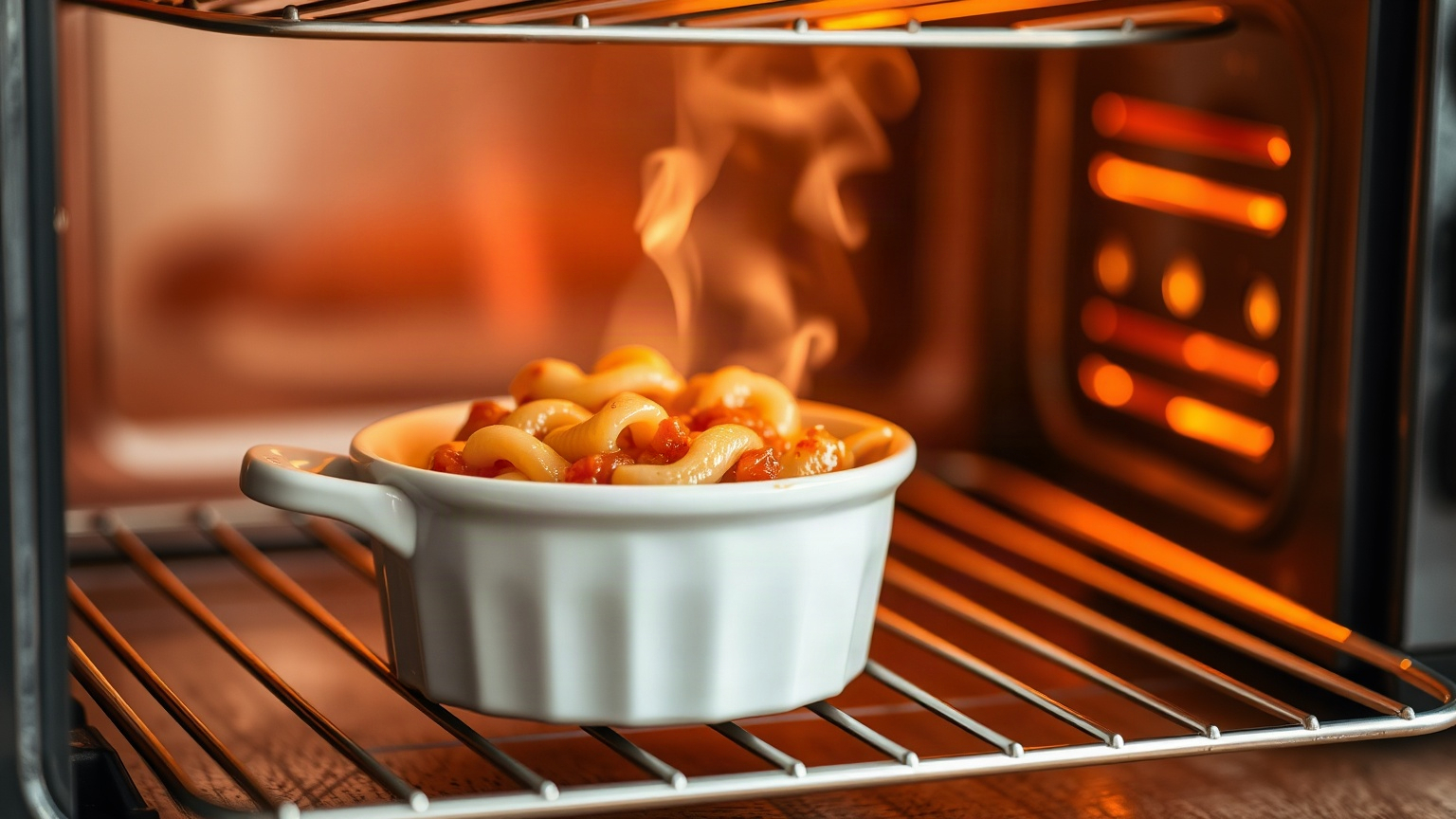
The heating elements in a toaster oven are close to the food. Like, really close compared to a full-size oven. That’s useful for speed and efficiency, but it also means radiant heat hits the surface of your food more intensely. Moisture evaporates fast. On top of that, most toaster ovens have a small interior volume, so there’s less ambient steam building up the way there might be in a larger oven with a pan of water.
The fix isn’t complicated. You need to slow the heat transfer down and trap moisture near the food. Foil does both. A bit of added liquid gives the steam something to come from. And a lower temperature — 325°F is my personal default — means the outside of the food doesn’t outrun the inside.
I’d also point you toward this overview on reheating food in a toaster oven if you want the broader picture, but the sections below are specifically about restaurant takeout — which tends to come in bigger, saucier, more complicated portions than simple home-cooked leftovers.
7 Restaurant Leftovers, Tested: Exact Times and Temperatures
I ran through all of these in my Breville compact toaster oven over the course of a few weeks — same oven, calibrated with a separate thermometer because toaster oven dials are famously optimistic about their accuracy. My oven runs about 15°F hot, which is worth knowing about yours.
1. Pizza
No foil. No water. This is the one food where you want direct, dry heat. Place slices directly on the rack or on a toaster oven wire rack at 375°F for 5–7 minutes. The cheese bubbles, the crust crisps from underneath. It’s genuinely better than the original delivery in most cases, and I say that without exaggeration. The one thing to watch: thin-crust pizza can go from perfect to slightly scorched in under a minute at that temperature, so check it at the 4-minute mark.
2. Pasta with Sauce
Transfer to an oven-safe dish. Add 2 tablespoons of water or marinara sauce on top. Cover tightly with foil. Reheat at 325°F for 12–15 minutes, stirring once halfway through if you can manage it without burning yourself. The added liquid turns to steam inside the foil tent and keeps the pasta from going gluey and dry. Without it, pasta turns into a block. I learned this the hard way with a beautiful portion of leftover cacio e pepe that I basically cremated.
3. Roasted or Grilled Chicken
Chicken is the food most likely to turn rubbery or dry if you push the temperature too hard. I use 300°F, add a tablespoon of broth or water to the dish, tent loosely with foil, and give it 15–18 minutes for bone-in pieces. Boneless pieces are faster — check at 10 minutes. Pull the foil for the last 3 minutes if you want the skin to re-crisp. It won’t be exactly like fresh, but it’s close enough that you’ll actually enjoy eating it.
4. French Fries and Fried Foods
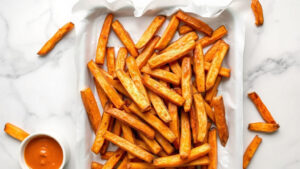
Spread them in a single layer on a toaster oven baking pan, no foil, no liquid, and hit them at 400°F for 5–8 minutes. The key is airflow around each piece — if they’re piled on top of each other, they’ll steam instead of crisp. This works for onion rings, mozzarella sticks, egg rolls, most fried restaurant sides. Don’t bother at lower temperatures; you need actual heat to drive off the surface moisture and re-crisp the breading.
5. Rice Dishes (Fried Rice, Biryani, Pilaf)
Rice is sneaky. It dries out fast and then gets hard little pebbles in it if you’re not careful. Put it in an oven-safe dish, splash about 2 tablespoons of water over the top, cover tightly, and reheat at 300°F for 10–12 minutes. I’ve found that stirring once at the halfway point helps a lot with even reheating. Biryani specifically benefits from a few drops of ghee or butter stirred in before covering — it comes out tasting almost fresh.
6. Steak or Braised Meats
Low and slow. 275°F for steak, covered in foil with a tablespoon of beef broth or any cooking juices from the container, for about 20–25 minutes depending on thickness. This is the one case where I actually go lower than 300°F, because steak especially continues cooking as it heats up and you don’t want to overshoot your original doneness. A medium-rare steak reheated at 350°F becomes medium-well fast. At 275°F you have much more control. Check it with a meat thermometer if you’re serious about it — pull it at around 110°F internal and let carryover do the rest.
7. Soup and Stews
Honestly, a toaster oven isn’t my first choice for soup — a small saucepan on the stove is faster and easier. But if you’re reheating a thick stew like a restaurant short rib braise or a curry with chunks of meat and vegetables, put it in an oven-safe bowl or dish, cover with foil, and go at 350°F for 15–20 minutes. Stir once. It works fine. Thin soups will bubble and splash under the foil, which is annoying to clean up.
Temperature and Time Reference Table
| Food Type | Temperature | Time | Foil? | Added Liquid? |
|---|---|---|---|---|
| Pizza | 375°F | 5–7 min | No | No |
| Pasta with sauce | 325°F | 12–15 min | Yes (tight) | Yes (2 tbsp) |
| Chicken (bone-in) | 300°F | 15–18 min | Yes (loose) | Yes (1 tbsp broth) |
| French fries / fried foods | 400°F | 5–8 min | No | No |
| Rice dishes | 300°F | 10–12 min | Yes (tight) | Yes (2 tbsp water) |
| Steak / braised meats | 275°F | 20–25 min | Yes (tight) | Yes (1 tbsp broth) |
| Thick stew / curry | 350°F | 15–20 min | Yes (tight) | No (has own liquid) |
Practical Tips That Actually Make a Difference
Let the food sit out for 10–15 minutes first
Cold food straight from the fridge takes longer to reheat, which means the outside is cooking while the center is still catching up. Letting it sit at room temperature briefly (not long enough to be a food safety issue — the USDA recommends not leaving perishable food out for more than 2 hours) means everything heats more evenly. Ten to fifteen minutes on the counter makes a real difference, especially for thicker foods like chicken pieces or steak.
Use an oven-safe dish, not the takeout container
I’m going to say this plainly: do not put styrofoam, most plastic containers, or wax-coated cardboard in a toaster oven. Some cardboard containers are technically rated for oven use but I don’t trust them at 350°F in a small enclosed space with exposed heating elements. Transfer the food. It takes thirty seconds and it’s worth it.
The foil tent gap matters
When you cover food with foil, leave about an inch between the foil and the surface of the food. That space lets steam circulate rather than just pressing wet condensation directly onto the top of your food. It’s a small thing but it noticeably changes the texture — especially on things like pasta and rice. Serious Eats has written about this for steak specifically, and the principle applies broadly.
The edge case most guides skip: reheating saucy food in a container with a lid
Some restaurant containers — thick glass-like ones from higher-end places, or the black plastic trays that come with certain meal delivery — are actually oven-safe up to 350°F or so. Check the bottom. If it says oven-safe, you can reheat the food right in the original container with the lid slightly ajar. This is genuinely useful for things like pasta or curry because you don’t dirty a dish and the food steams itself. I’ve done this with Sweetgreen bowls and similar containers. Not every time, not without checking — but it’s an option most guides don’t mention.
If you’re looking to upgrade your setup, check out our list of the best mini toaster ovens — some of them have convection settings that make a real difference for reheating fried foods without drying everything else out.
Wrapping It Up
Restaurant leftovers are worth saving properly. The whole point of a toaster oven over a microwave is that you get actual texture back — crispy things stay crispy, moist things stay moist, and the food tastes something close to how it started. But it only works if you’re intentional about it. Low temperature, a bit of moisture for most foods, foil for protection, and a few minutes uncovered at the end if you need that surface back. That’s basically the whole formula.
Get a decent oven thermometer if you don’t have one. Toaster oven temperature accuracy varies wildly by brand and model — I’ve tested units that were off by 25°F, which wrecks everything. Knowing your actual oven temperature costs about twelve dollars and pays for itself on the first batch of leftover chicken you don’t have to throw away.
Frequently Asked Questions
What temperature should I use to reheat restaurant leftovers in a toaster oven?
325°F is a reliable default for most restaurant leftovers — it’s hot enough to reheat food in a reasonable amount of time but low enough that you’re not driving moisture out of the food too fast. The exceptions are pizza and fried foods, which do better at 375–400°F with no foil, and delicate meats like steak, which benefit from going as low as 275°F to avoid overcooking.
How do I reheat leftover pasta in a toaster oven without it drying out?
Transfer the pasta to an oven-safe dish, add 2 tablespoons of water or extra sauce, cover tightly with foil, and reheat at 325°F for 12–15 minutes. The liquid creates steam inside the foil that keeps the pasta from drying out and clumping. Stir once halfway through if you can do it without losing too much steam.
Can I use foil to reheat food in a toaster oven?
Yes — covering food loosely with aluminum foil is one of the best ways to trap moisture during reheating in a toaster oven. Just don’t line the bottom drip tray or the oven floor with foil, as this can block airflow and create a fire hazard. Use foil over your food or the pan it’s sitting in, not the oven interior itself.
How long does it take to reheat leftovers in a toaster oven?
Most restaurant leftovers take between 8 and 20 minutes in a toaster oven at 300–350°F, depending on the food and its thickness. Pizza and fried foods are on the shorter end (5–8 minutes at higher heat), while bone-in chicken, steak, and rice dishes take closer to 15–20 minutes at lower temperatures. If something’s taking longer than 25 minutes, the oven temperature is probably too low or the food mass is too large for a toaster oven.
Is it safe to reheat restaurant leftovers in a toaster oven?
Yes, toaster ovens are safe for reheating leftovers as long as you use oven-safe containers (no styrofoam, wax-coated cardboard, or non-oven-rated plastic), don’t leave the oven unattended with fatty or saucy foods, and reheat food to an internal temperature of 165°F as recommended by the USDA. The main risks are burns from hot surfaces and, less commonly, fire from food dripping onto heating elements — both easily avoided with basic care.

Written by
Emma founded Toastera to turn vague appliance advice into clear, researched, safety-first guidance on toasters and toaster ovens.
Free: the Toaster Oven Cheat Sheet
Get the printable cheat sheet (temps, cook times & safety tips) plus new recipes. No spam, unsubscribe anytime.