To toast a bagel in a 2-slice toaster without it getting stuck, slice it thin enough to drop freely into the slot, use the bagel setting if your toaster has one (it toasts one side more than the other), and keep your browning dial around the 3–4 range out of 6. Most pop-up toasters reach internal temperatures between 300°F and 450°F depending on the setting — hot enough to crisp a bagel beautifully, but also hot enough to jam a thick one in so tight it won’t release. The fix is almost always about slot width and prep, not the toaster itself.
Safety First: Never force a stuck bagel out of a toaster with a metal utensil while it’s plugged in — this is a real electrocution risk. Always unplug the toaster first, then use wooden tongs or a wooden chopstick to gently work the bagel free. Keep the toaster away from curtains or cabinet undersides when in use; bagel crumbs accumulate fast and can smolder on the heating element.
Quick Takeaways
- Slice the bagel as evenly as possible, aiming for halves no thicker than 1 inch each — thick bakery bagels often won’t fit a standard 1.25-inch slot.
- Use the bagel setting (or, if you don’t have one, set browning to 3–4 out of 6 and only toast one cycle).
- Widen your options: a wide-slot toaster designed for bagels has 1.5-inch slots and makes this whole problem go away.
- A whole-bagel-in-the-oven method exists and genuinely works — covered below.
- Crumb tray cleaning matters more with bagels than with regular bread — those dense crumbs burn fast.
I’ve been testing toasters and toaster ovens in my home kitchen for a few years now, and I’ll be honest: bagels gave me more trouble than almost anything else. The first time I tried to toast a sesame bagel from a local bakery in a standard 2-slice toaster, the thing got so wedged in the slot I had to unplug the whole unit and wait for it to cool down before I could wiggle it out. Not great. That experience sent me down a bit of a rabbit hole, and here’s everything I’ve learned since.
Why Bagels Get Stuck in the First Place
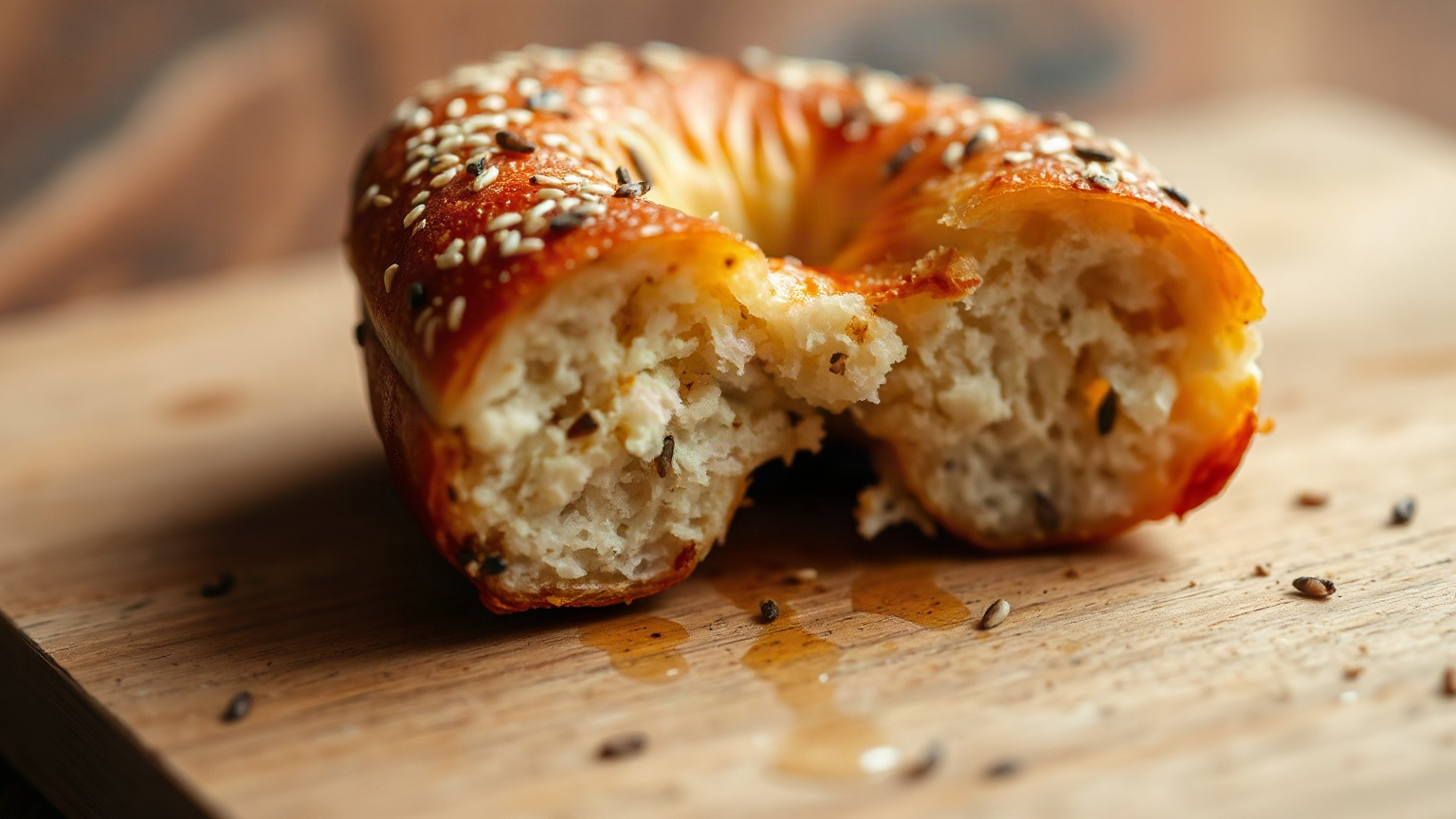
Regular sandwich bread is about 0.75 inches thick per slice. A grocery store bagel half? Often 1.25 to 1.5 inches. An artisan or bakery bagel? Sometimes pushing 1.75 inches. Standard toaster slots are built for bread — they’re usually between 1.1 and 1.3 inches wide. So a thick bagel half is already a tight squeeze before heat enters the picture.
Here’s what makes it worse. When heat hits bread, it contracts slightly and gets stiffer. Bagels, being denser and chewier than regular bread, swell a bit differently under heat — the outside crisps and expands slightly while the interior stays dense. That slight expansion can be enough to wedge the bagel against the inner metal guides of the slot. And then the toast cycle ends, the lever tries to pop up, and the bagel just… doesn’t move.
Seeds and toppings make it worse still. Sesame seeds, poppy seeds, everything-bagel seasoning — they all catch on the metal guides inside the slot. I’ve had a plain bagel pop out fine in the same toaster where an everything bagel got stuck solid three minutes later.
The Right Way to Prep a Bagel Before It Hits the Toaster
Slice Evenly (And Slice Thin If You Need To)
This sounds obvious, but it’s the single biggest factor. An uneven slice creates one half that’s thicker than the other — the thick half gets stuck, the thin half may over-brown while you’re wrestling with it. Use a bread knife, and if the bagel is very thick, commit to a thinner cut. Yes, you’ll lose a little of that doughy interior. Worth it.
For bakery-style bagels, I sometimes use a bagel guillotine (they’re cheap and cut perfectly evenly every time). It doesn’t feel strictly necessary until the third time you’ve sawed into a sesame bagel at 7am and taken a chunk out of your thumb.
The Quick-Rinse Trick (For Stale or Frozen Bagels)
There’s a method floating around online — rinsing the whole bagel under warm water before toasting it whole at around 350°F in an oven for five to eight minutes, then slicing. It sounds weird. But it actually works really well for bagels that are a day or two old, because the steam that builds up inside the dense crumb revives the texture you’d otherwise lose. I’ve tried it with both a conventional oven and my mini toaster oven, and it’s honestly my preferred method for a stale plain bagel. The outside crisps up while the interior stays soft.
For frozen bagels, you don’t need the rinse step. Just slice before freezing, then drop the frozen halves directly into the toaster on a medium-high setting (about 4–5 out of 6) — no need to defrost first. One full cycle usually does it, though with thicker frozen ones I’ll do a second short cycle.
How to Use the Bagel Setting Correctly
Most mid-range and higher toasters sold in the last decade have a bagel button. Here’s what it actually does: it cuts power to the heating element on the outside of the slot (the side facing away from you) and concentrates heat on the inner elements — the ones facing the cut side of the bagel. The idea is to toast the crumb face while just warming the crust side, rather than burning the exterior. Smart design, and it really does make a difference.
To use it properly: place both halves cut-side facing inward (toward each other, toward the center of the slot). The cut face should face the main heating element. Set browning to 3 out of 6 for a lightly golden result, or 4 if you like a proper crunch. Hit the bagel button. One cycle is almost always enough — bagels brown faster than you expect because of the sugar content in the dough.
If your toaster doesn’t have a bagel setting, no big deal. Just use a slightly lower browning level than you’d use for regular toast, and watch it. The internal temperature inside a toaster can spike pretty high at max settings, and bagels catch fast.
Toaster vs. Toaster Oven vs. Regular Oven: Which Actually Works Best?
Here’s a comparison I put together based on my own tests across multiple appliances. I was specifically testing a fresh bakery bagel (about 1.5 inches thick per half), a standard grocery store bagel, and a frozen pre-sliced grocery bagel.
| Method | Time | Best For | Stuck Risk | Result Quality |
|---|---|---|---|---|
| 2-Slice Toaster (standard slot) | 2–3 min | Grocery store bagels | High with thick or seeded bagels | Good if bagel fits |
| Wide-Slot 2-Slice Toaster | 2–3 min | All bagel types | Low | Very good |
| Toaster Oven (375°F, broil/toast mode) | 4–6 min | Thick bakery bagels, open-face toppings | None | Excellent |
| Regular Oven (375°F) | 5–7 min | Multiple bagels at once | None | Excellent, slower preheat |
| Whole bagel rinse + oven (350°F) | 6–10 min total | Day-old or stale bagels | None | Best for reviving texture |
My honest take: if you have thick bakery bagels regularly, just use your toaster oven. Place the halves cut-side up on the wire rack, set it to toast or broil at 375°F, and check at four minutes. The results are more consistent, there’s no stuck-bagel risk, and you can add toppings before the second half of toasting. If you only ever buy standard grocery store bagels, a wide-slot toaster handles them just fine and is faster. You can find a decent wide-slot toaster with a bagel setting for under $40 most of the time.
What To Do When a Bagel Gets Stuck Mid-Toast
It happens. Even when you do everything right, a thick bagel can wedge. Here’s the exact sequence I follow:
- Unplug the toaster immediately. Don’t touch anything metal inside the slot while it’s plugged in.
- Wait 60–90 seconds. The bagel will shrink very slightly as it cools, and that’s often enough to free it.
- Use wooden tongs or a chopstick to gently press the bagel inward (toward the center), then ease it up. Never pry against the metal guides — you’ll bend them and make future jams worse.
- If it still won’t budge, tilt the whole toaster over a plate. Sometimes gravity helps once the toaster is unplugged and slightly angled.
And honestly? If a bagel gets stuck more than once in the same toaster, that toaster’s slots are just too narrow for the bagels you’re buying. Time to either switch to a wide-slot model or commit to the toaster oven method instead.
The Edge Case Nobody Talks About: Toasting Bagels With Toppings Already On
Some people like to add butter or cream cheese before toasting. Please don’t put cream cheese in a toaster — it melts, drips onto the heating element, and either burns or creates a smoke situation that’s genuinely unpleasant. Butter before toasting is fine on very low settings, but it can pool and smoke too. This is one area where the toaster oven is genuinely more flexible: you can brush the cut face with a little olive oil or even add a thin schmear of something before running a short toast cycle, and the flat wire rack keeps drips away from the element.
For anyone who does the reheating-in-a-toaster-oven approach regularly, a bagel with a thin coat of olive oil at 375°F for about four minutes comes out with a better crust than anything you’ll get from a pop-up toaster. Serious Eats has a good breakdown of what makes a great bagel worth toasting properly in the first place — if you’re sourcing decent bagels, the extra effort of the oven method pays off.
Final Thoughts
Most bagel-sticking problems come down to one of three things: the slot is too narrow, the bagel is too thick, or there’s seed debris catching on the metal guides. Fix the prep, choose the right appliance for the bagel size you’re working with, and you’ll rarely have an issue. The bagel setting on your toaster is more useful than it looks — don’t skip it. And if you’re regularly dealing with thick artisan bagels, just use the toaster oven at 375°F for four to five minutes. Less drama. Better results. No stuck bagels at 7am.
For those who want a dedicated solution, toaster ovens with a bagel setting exist and handle everything from thin grocery-store bagels to the massive sourdough ones from a farmers market. Worth considering if you’re in the market for a new appliance anyway.
Frequently Asked Questions
Why does my bagel keep getting stuck in the toaster?
Your bagel is most likely too thick for the toaster’s slot width — standard slots run about 1.1 to 1.3 inches, and many bagels are wider than that when sliced. Seeds and toppings on the outside of the bagel can also catch on the metal guides inside the slot. The fix is either a thinner slice, a wide-slot toaster, or switching to a toaster oven.
What setting should I use to toast a bagel in a toaster?
Use the bagel setting if your toaster has one, with a browning level of 3–4 out of 6. Without a bagel setting, go one step lower than you’d use for regular bread — bagels brown faster due to their sugar content and dense crumb. One full cycle is almost always enough for a fresh bagel; two shorter cycles work better for frozen ones.
Is it safe to put a bagel in a regular 2-slice toaster?
Yes, as long as the bagel half fits freely in the slot without forcing it. If you have to push it down, it’ll get stuck. Always unplug the toaster before trying to remove a stuck bagel, and never use metal utensils inside the slot — wooden tongs or a chopstick only.
How hot does a toaster get when toasting a bagel?
The heating elements inside a standard 2-slice toaster reach between 300°F and 450°F depending on the browning setting. The surface of the bread or bagel itself gets to around 250–310°F at typical settings — hot enough to brown the sugars in the dough and crisp the crust. You can read more about how hot a toaster gets across different models and settings.
Can you toast a frozen bagel in a toaster?
Yes, and you don’t need to thaw it first. Slice the bagel before freezing so the halves go straight into the slot frozen. Set the browning dial to around 4–5 out of 6 and run one full cycle; thicker frozen bagels may need a second short cycle. The toaster oven method (375°F for 6–8 minutes) works even better for frozen bagels, giving a crispier exterior without the stuck risk.

Written by
Emma founded Toastera to turn vague appliance advice into clear, researched, safety-first guidance on toasters and toaster ovens.
Free: the Toaster Oven Cheat Sheet
Get the printable cheat sheet (temps, cook times & safety tips) plus new recipes. No spam, unsubscribe anytime.