Roast asparagus in a toaster oven at 425°F for 8–12 minutes, depending on stalk thickness — thin spears need about 8–9 minutes, medium stalks around 10–11, and thicker ones closer to 12. The high heat caramelizes the sugars fast, which is exactly what gives you those slightly charred, crispy tips instead of soggy green mush. Preheat the toaster oven fully before the asparagus goes in; skipping that step is the single most common reason people end up with steamed-tasting asparagus instead of roasted.
Safety First: Toaster ovens run at very high temperatures — the exterior walls and door can reach burn-causing heat at 425°F. Keep the toaster oven on a heat-safe surface with at least 4 inches of clearance on all sides, never line the bottom tray with foil (it can trap heat and create a fire risk), and use oven mitts when pulling the pan out. Don’t leave it unattended on its first use with a new recipe, since run times and hot spots vary by model.
Quick Facts
- Temperature: 425°F on the Bake setting (not Broil, not Toast)
- Time range: 8–12 minutes total, no flipping required
- The crispy-tip trick: Single layer, dry spears, preheated oven — all three matter
- Thin spears: 8–9 min | Medium spears: 10–11 min | Thick spears: 11–13 min
- Pan choice matters: A dark metal sheet pan browns better than glass or ceramic in a toaster oven
Why a Toaster Oven Actually Works Better Than Your Full Oven Here
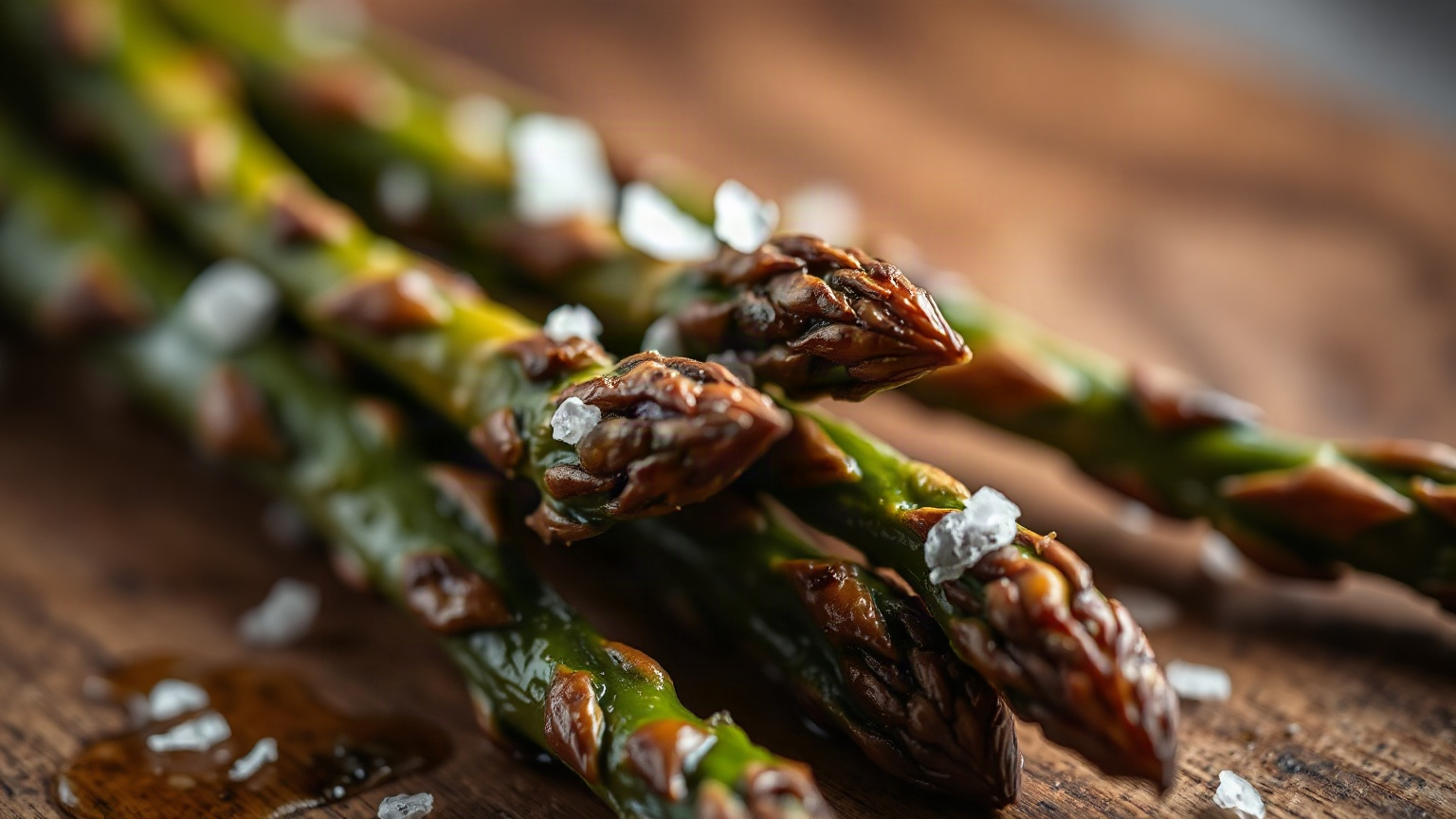
I’ll be honest — I used to roast asparagus in my full-size oven out of habit. Then one Tuesday evening I didn’t want to heat up the whole kitchen for a side dish, threw the asparagus in my Breville Smart Oven, and the tips came out noticeably crispier. The reason makes sense once you think about it: a toaster oven’s smaller interior means the heating elements are closer to the food, and the hot air circulates in a tighter space. You get faster, more concentrated radiant heat. That’s what crisps the tips before the stalks go limp.
Full-size ovens need longer to come to temp, and if your oven runs slightly cool (many do, by 25°F or more), you’re already behind before the asparagus goes in. Toaster ovens, especially convection models, tend to be more honest about their actual temperature. If you’re curious about how toaster oven heat compares to a conventional setup, I’ve written about how hot a toaster gets in more detail elsewhere on this site.
The Exact Temperature and Time Breakdown
425°F is the right call. Not 375°F, not 400°F. At lower temperatures the asparagus steams in its own moisture rather than roasting, and you lose that slightly charred, concentrated flavor. 450°F can work if your toaster oven runs hot and you’re watching closely, but the margin for error shrinks fast — especially with thin spears, which go from perfect to overdone in about 90 seconds.
Time by Stalk Thickness
| Spear Thickness | Visual Reference | Time at 425°F (Bake) | Time at 425°F (Convection) |
|---|---|---|---|
| Thin (pencil-width) | ~¼ inch diameter | 8–9 minutes | 7–8 minutes |
| Medium | ~½ inch diameter | 10–11 minutes | 9–10 minutes |
| Thick | ~¾ inch or more | 12–13 minutes | 10–12 minutes |
These numbers come from my own testing across a few batches. The convection times are shorter because the fan moves hot air across the surface of the asparagus continuously — it’s the same reason convection baking browns cookies faster. If your toaster oven has a convection setting, use it. If it doesn’t, standard Bake at 425°F still does the job.
One thing nobody mentions: grocery store asparagus is rarely consistent within a single bunch. You’ll often get a mix of thin and medium spears bundled together. I sort them loosely before they go on the pan and pull any noticeably thin ones about 90 seconds early. Small habit, big difference.
The One Step That Actually Makes It Crispy (And Why People Skip It)
Dry the asparagus. That’s it. That’s the step.
After you rinse the spears, pat them down with a paper towel until there’s no visible moisture. Sounds minor. It isn’t. Water on the surface of the asparagus turns to steam the moment it hits the hot pan, and steam is the enemy of crispiness. You need the surface to dehydrate quickly and start browning, not sit in a little micro-sauna.
The first time I made toaster oven asparagus, I rinsed it and threw it straight on the pan still wet, drizzled with olive oil. The result was edible but kind of flabby — especially in the middle where the spears touched each other. I thought it was a heat issue. It wasn’t. It was moisture.
The second part of this is single-layer placement. The toaster oven pan is small, which means it’s tempting to pile spears on top of each other. Don’t. Overlapping spears trap steam between them. If you’ve got a lot of asparagus, do two batches. It takes 12 extra minutes and the difference is genuinely worth it. A good dark metal toaster oven baking pan helps here — dark pans absorb and radiate more heat than shiny ones, which speeds up browning at the contact points.
Seasoning, Oil, and a Few Variations Worth Trying
The baseline is simple: olive oil, salt, and black pepper. About a tablespoon of oil for a standard bunch (roughly a pound), tossed so every spear is lightly coated. Too much oil and you’re frying, not roasting. Too little and the tips scorch before the base is cooked through.
Basic Seasoning Ratios
- ~1 lb asparagus: 1 tbsp olive oil, ½ tsp kosher salt, a few grinds of black pepper
- Add garlic: 2 cloves minced, tossed in before roasting (watch it — minced garlic can burn at 425°F in a toaster oven, so don’t go past 10 minutes)
- Parmesan finish: grate a small handful over the spears in the last 2 minutes — it melts and browns slightly and I think this is the best version
- Lemon zest after (not before — citrus zest scorches and goes bitter under high heat)
Balsamic glaze works well drizzled on after roasting, not before. Pre-roast balsamic just burns at 425°F and smells awful. Serious Eats has a good breakdown of the science behind roasted asparagus if you want to go deep on the chemistry of why high-heat roasting changes the flavor this way.
The Edge Case: Frozen Asparagus
Nobody covers this. Frozen asparagus can be roasted in a toaster oven, but you have to adjust. Don’t thaw it first — roast from frozen at 425°F for 14–16 minutes, and expect it to release a fair amount of water. Spread spears with more room between them than you normally would. The tips will still crisp up. The stalks will be softer than fresh. It works fine as a weeknight side dish; I wouldn’t serve it at a dinner party.
If you’ve got asparagus that’s slightly limp from sitting in the fridge too long, trim an inch off the bottom, stand the spears in a glass of cold water for 20 minutes, dry them thoroughly, and then roast. They recover surprisingly well. I’ve done this with 3-day-old asparagus and it was basically indistinguishable from fresh.
What Pan and Rack Setup to Use
Most toaster ovens come with a pan and sometimes a rack. For asparagus, use the pan directly — not a wire rack. You want the contact surface to help brown the bottom of the stalks. The rack is better for things like reheating pizza where you want airflow underneath.
Place the oven rack in the middle position. If your toaster oven only has one rack position, that’s fine — just keep an eye on the tips, since the top element can scorch them if they’re too close. Middle position gives you even heat from top and bottom elements without burning.
A toaster oven wire rack with a half-sheet pan underneath can help if you want airflow around the whole spear, but it’s honestly not necessary for asparagus. The pan-only method gives you a slightly charred flat side, which I prefer over fully-in-the-air roasting. Personal preference, but that little bit of caramelization on the bottom is good.
And if you’re using your toaster oven for other sides or proteins, check out what else it can do — my notes on reheating food in a toaster oven cover the temperature logic for a bunch of common foods. Also, if you’re in the market for a new unit and your current one runs inconsistently hot, it might be worth upgrading — my roundup of the best mini toaster ovens has options at every price point.
How to Tell When It’s Done
Don’t rely solely on the timer. Toaster ovens vary. Look for these signs:
- Tips are slightly browned and look a little dry/papery — not dark brown, not green
- Stalks are tender when pierced with a fork but not mushy — they should still have a little resistance
- You can hear a faint sizzle when you open the door — that’s a good sign
- The pan has some browned spots where the oil has crisped up around the spears
If they look pale and limp at the 10-minute mark, add 2 more minutes and check again. If the tips are already quite dark at minute 8, pull them. The USDA doesn’t have a specific safe internal temperature for asparagus since it’s a vegetable, but Food Network’s roasted asparagus guidance aligns with the fork-tender test as the reliable done indicator.
The Short Version
425°F, preheated, dry spears, single layer, 8–12 minutes depending on thickness. That’s the formula. The drying step is the one that makes the actual difference between crispy and sad. Toaster ovens are genuinely good at this — the small cavity works in your favor. If yours runs inconsistently or you can’t get it to hold 425°F reliably, it’s worth checking whether your unit is calibrated or if a model upgrade makes sense.
Once you’ve nailed the basic version, the Parmesan-at-the-end variation is hard to go back from. Just saying.
Frequently Asked Questions
What temperature should I use to roast asparagus in a toaster oven?
425°F on the Bake setting is the right temperature for toaster oven roasted asparagus. This is hot enough to caramelize the surface and crisp the tips without overcooking the stalks. If your toaster oven has a convection fan, use it — you can check for doneness about 1–2 minutes earlier than the standard bake times.
How long does asparagus take in a toaster oven?
Thin spears take 8–9 minutes, medium spears 10–11 minutes, and thick spears 12–13 minutes at 425°F. These times assume the toaster oven is fully preheated and the asparagus is in a single layer on the pan. Always check for fork-tenderness and slightly browned tips rather than relying solely on a timer, since toaster oven performance varies by model.
Why is my roasted asparagus soggy instead of crispy?
Soggy asparagus is almost always caused by one of three things: wet spears going into the oven, overcrowded pan, or insufficient oven temperature. Pat the asparagus completely dry after rinsing, spread spears in a single layer with space between them, and make sure the toaster oven is fully preheated to 425°F before you put anything in. Skipping the preheat is the most common culprit.
Can I roast asparagus from frozen in a toaster oven?
Yes — roast frozen asparagus straight from frozen at 425°F for 14–16 minutes, and leave more space between spears than you normally would since frozen asparagus releases water as it heats. The texture won’t be quite as firm as fresh, but the tips will still crisp up. Don’t thaw first; that just makes them soggy before they even hit the pan.
Do I need to flip asparagus halfway through roasting in a toaster oven?
No, flipping isn’t necessary for asparagus in a toaster oven. The direct pan contact helps brown the flat side of the stalks, and the top heating element handles the rest. Flipping mid-cook often just cools the pan down and can knock spears out of the single-layer arrangement. Leave them alone and let the heat do the work.

Written by
Emma is a home cook who loves coaxing big flavor out of a toaster oven — from crispy roasted vegetables to easy weeknight dinners and sweet treats. She develops and tests Toastera's recipes for small-appliance kitchens.
Free: the Toaster Oven Cheat Sheet
Get the printable cheat sheet (temps, cook times & safety tips) plus new recipes. No spam, unsubscribe anytime.