Air fry frozen edamame at 400°F (205°C) for 10–12 minutes, shaking the basket once halfway through. That temperature is hot enough to drive off surface moisture quickly, which is what separates genuinely crispy pods from the sad, steamed-tasting ones. Skip the shake or crowd the basket and you’ll get rubbery results every time.
Safety First: Air fryers run extremely hot — the basket and interior walls can exceed 400°F during cooking. Always use silicone-tipped tongs or oven mitts rated for high heat when shaking or removing the basket. Never reach in with bare hands mid-cycle, and keep the air fryer at least six inches from cabinets or walls to prevent heat damage or fire risk.
Quick Facts
- Temperature: 400°F (205°C) — don’t go lower or you lose crunch
- Time: 10 minutes for lightly crispy, 12 minutes for shells with real bite and char
- No thawing required — cook straight from frozen
- The single most important step: pat the pods dry and toss in a tiny bit of oil before cooking
- Works for both in-shell edamame and shelled edamame, but timing differs slightly
I’ve made edamame in the air fryer probably thirty times at this point — it started as a lazy weeknight snack situation and turned into something I genuinely look forward to. But the first few attempts were pretty bad. Pale, chewy pods that tasted like they’d been through a microwave steam bag. Which, honestly, is exactly what I’d been doing wrong.
Here’s the thing nobody tells you in those quick recipe roundups: frozen edamame carries a lot of surface ice and moisture. Dump it straight from the freezer into the air fryer without addressing that moisture first, and you’re basically steaming it. Hot air needs something to work with. Give it a dry surface and a little fat, and it does something completely different.
The One Step That Actually Makes the Difference
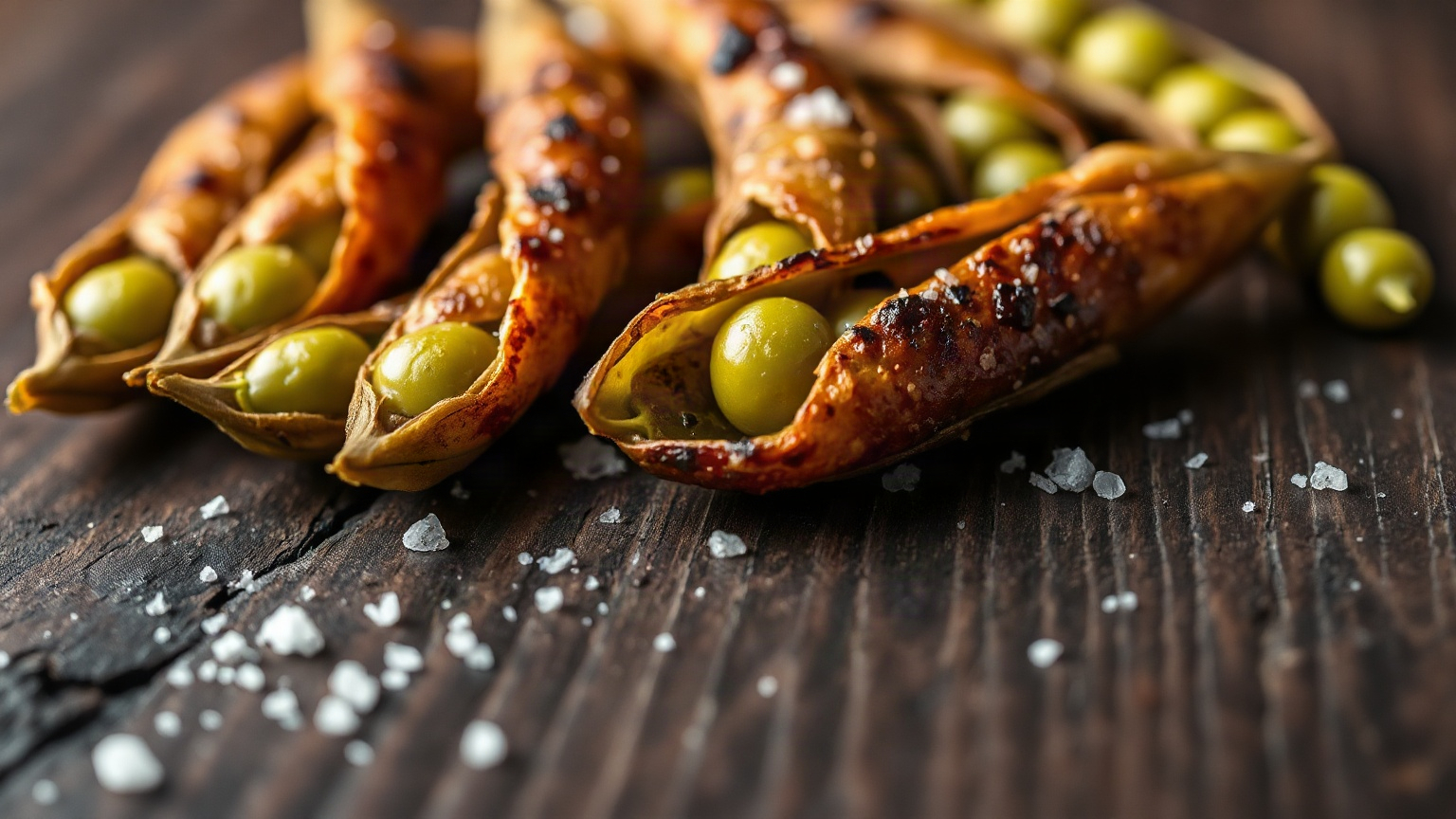
Before the edamame goes anywhere near heat, spread the frozen pods on a clean kitchen towel or a few layers of paper towels. Let them sit for two or three minutes, then press down gently to absorb surface ice crystals. You don’t need them fully thawed — just not dripping.
Then toss them in a bowl with about a teaspoon of neutral oil per two cups of edamame. Avocado oil is my preference because it handles 400°F without smoking, but regular vegetable oil is fine. Add a pinch of salt, maybe a little garlic powder if you’re in the mood, and toss until the pods are lightly coated.
That oil layer is doing double duty. It helps heat transfer directly onto the pod surface, and it’s what actually creates the slight char and crispiness on the shell. Without it, the pods just steam in their own moisture and come out limp.
I skipped this step the first several times I made these. Didn’t think it mattered for something that seemed so simple. It really does matter.
Exact Temperature and Timing Breakdown
I’ve tested a few different temperature and time combinations. Here’s what I found, honestly:
| Temperature | Time | Result | My Take |
|---|---|---|---|
| 350°F | 14–16 min | Warm, tender, no crispiness | Might as well microwave them |
| 375°F | 12–14 min | Slightly firm shell, minimal browning | Decent but not impressive |
| 400°F | 10–12 min | Crispy shell, slight char spots, tender inside | This is the sweet spot |
| 415°F | 9–10 min | Good char but easy to over-do it | Works, but requires attention |
400°F for 10–12 minutes is where I land every time now. Ten minutes if I want them snack-ready without much char. Twelve if I want the shell to have actual texture and a little color. Beyond twelve minutes at that temperature, the pods start drying out too much and the beans inside get mealy.
In-Shell vs. Shelled Edamame
If you’re using shelled frozen edamame (just the beans, no pod), drop the time to 8–9 minutes at 400°F. The beans are smaller and exposed, so they crisp up fast. They also dry out faster, so watch the last couple of minutes closely. I like shelled edamame done this way with a little sesame oil and flaky salt — genuinely good.
In-shell edamame is my preference for snacking because the pod does a better job of keeping the bean from getting tough. But shelled works better if you’re adding it to a salad or grain bowl after cooking, since it integrates without the fuss of squeezing beans out at the table.
Does Basket Size Matter?
Yes. A lot, actually. If you’re stacking edamame three pods deep, the ones in the middle won’t get any direct airflow and will steam instead of crisping. One layer is ideal. If you have more than about two cups of edamame to cook, do it in batches. I know that’s annoying to hear. But it’s the difference between snack and disappointment.
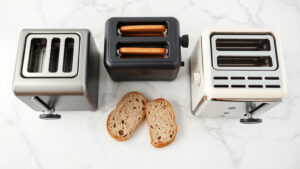
If you’re using a best mini toaster ovens with an air fry function, you might have a little more surface area to work with depending on the model, but the same rule applies — spread them out and don’t pile them up.
Seasoning Ideas That Actually Work
Plain salted edamame is great. But if you’re making a batch specifically for snacking, it’s worth trying a few variations. These are the ones I actually come back to:
- Garlic Parmesan: Toss with a little grated parmesan and garlic powder before cooking. The parmesan browns and clings to the shell in a way that’s borderline embarrassing how good it is.
- Chili Lime: Chili powder, lime zest, and a little salt. Add the lime juice after cooking or it’ll steam off and just leave bitterness.
- Sesame Soy: A half teaspoon of soy sauce mixed into the oil before tossing, then sesame seeds added after. The soy caramelizes a bit at 400°F and adds depth.
- Just sea salt and black pepper: Don’t underestimate this one. Good flaky salt after cooking makes a real difference over fine salt.
Wet sauces or heavy marinades before cooking are a mistake — they add moisture and you end up back in steam territory. Season lightly before, then adjust after the cook. Serious Eats has a solid principle about this for roasted vegetables generally: season before for adhesion, finish after for brightness. Same logic applies here.
Air Fryer vs. Other Cooking Methods for Frozen Edamame
I’ve made edamame in the microwave, boiled it, roasted it in a conventional oven, and now in the air fryer. Here’s my honest ranking:
The air fryer wins, but only if you do the moisture/oil step. Without it, it’s roughly on par with microwaving. Conventional oven roasting at 425°F can get you close, but it takes 18–22 minutes and the circulated heat in an air fryer is just more aggressive and efficient. If you’re thinking about what kind of appliance handles this well, the same high-heat circulation that makes reheating food in a toaster oven work so well is exactly why air frying beats passive oven heat for frozen items.
Boiling is fastest and totally fine if you just want warm edamame for dipping. But you won’t get any texture. Microwaving is the convenience option — I’m not going to pretend I’ve never done it. But it’s a different eating experience.
For the specific goal of crispy, slightly charred edamame that you actually want to eat slowly and enjoy? Air fryer. Nothing else gets there as fast or as reliably.
Equipment Worth Mentioning
You don’t need anything fancy to make this work. But a few things help:
A good set of silicone-tipped tongs makes shaking and flipping edamame mid-cook much less annoying than trying to jostle the basket and hoping everything rotates. I’ve knocked edamame out of a basket more times than I’d like to admit doing it the lazy way.
If you’re using a toaster oven with an air fry setting rather than a standalone basket-style air fryer, a mesh air fry basket insert is worth having. It sits on the rack and lets hot air circulate from below the food, which makes a noticeable difference with small items like edamame.
The air fryer model matters less than you’d think for something like edamame. Any machine that hits 400°F and has decent airflow will work. I’ve done it in a Cosori basket-style unit and in a Breville Smart Oven Air Fryer in toaster oven format, and the results were nearly identical once I dialed in the technique.
For what it’s worth, the USDA recommends keeping heating appliances away from flammable materials and never leaving them unattended — and with something cooking at 400°F, I think that’s actually reasonable advice, not just boilerplate. USDA’s general food safety guidelines are worth a read if you’re new to cooking from frozen regularly.
Wrapping Up
Frozen edamame in the air fryer is genuinely one of the better quick snacks you can make — but only if you do it right. 400°F, 10–12 minutes, pat dry first, use a little oil, and don’t crowd the basket. Those aren’t suggestions so much as the conditions that make the whole thing work.
The moisture step is the one people skip. Don’t skip it. Two minutes of patting pods dry with a towel is the actual difference between crispy and rubbery.
Once you’ve got the base technique down, the seasoning variations are where it gets fun. Garlic parmesan is my personal favorite, and I’ve made it enough times that I probably shouldn’t admit it in print. But here we are.
Frequently Asked Questions
What temperature do you air fry frozen edamame?
400°F (205°C) is the right temperature for air frying frozen edamame. Lower temperatures don’t generate enough dry heat to crisp the shell — they tend to steam the pods instead. If your air fryer runs hot, you can try 390°F, but don’t go much below that.
How long does frozen edamame take in the air fryer?
In-shell frozen edamame takes 10–12 minutes at 400°F, with one shake halfway through. Shelled edamame (just the beans) cooks faster — about 8–9 minutes. The exact time depends on your air fryer model and how full the basket is, so check at 10 minutes and go from there.
Do you need to thaw edamame before air frying?
No, you don’t need to fully thaw edamame before air frying. You should pat the frozen pods dry with a paper towel to remove surface ice and moisture — that’s important — but full thawing isn’t necessary and actually makes timing harder to control.
Why is my air fryer edamame rubbery instead of crispy?
Rubbery edamame almost always comes down to two things: too much moisture on the surface, or not enough oil. Pat the pods dry before cooking and toss them in at least a teaspoon of oil per two cups. Overcrowding the basket is the other common culprit — edamame stacked more than one layer deep steams rather than crisps.
Can you air fry edamame in a toaster oven with an air fry setting?
Yes, a toaster oven with an air fry function works well for edamame. Use the same temperature (400°F) and time range, and if your toaster oven came with a mesh air fry basket, use it — it improves air circulation under the food. Spread the edamame in a single layer for best results.

Written by
Emma founded Toastera to turn vague appliance advice into clear, researched, safety-first guidance on toasters and toaster ovens.
Free: the Toaster Oven Cheat Sheet
Get the printable cheat sheet (temps, cook times & safety tips) plus new recipes. No spam, unsubscribe anytime.