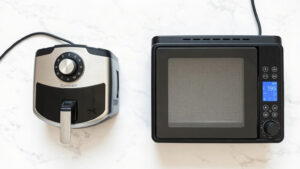
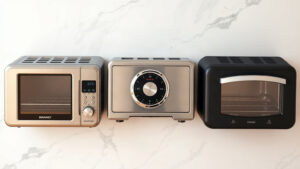
For a standard salmon fillet about 1 inch thick, cook it at 400°F in your toaster oven for 12 to 15 minutes. That temperature is hot enough to cook the fish through without drying it out, and the shorter cook time compared to a full oven means you’re not waiting around. Pull it when the internal temp hits 125–130°F if you like it slightly silky in the center, or 145°F if you want it cooked all the way through per USDA guidelines.
Safety First: Toaster ovens run extremely hot and the exterior surfaces, racks, and pans can cause serious burns — always use oven mitts rated for high heat when removing pans, and never leave the toaster oven unattended while cooking fish, as dripping fat can smoke or ignite on the heating elements. Keep a small fire extinguisher or baking soda nearby when cooking fatty foods like salmon at high heat.
Quick Facts: Toaster Oven Salmon at a Glance
- Best temperature: 400°F for most fillets; bump to 425°F if you want crispier skin or a slightly caramelized top
- Cook time: 12–15 minutes for a 1-inch fillet; thinner pieces (under ¾ inch) may be done in 9–11 minutes
- Target internal temp: 125°F for medium, 145°F for fully cooked (USDA safe minimum)
- Don’t skip the preheat: A cold toaster oven start adds uneven cooking and usually costs you a few extra minutes on the wrong end of the fillet
- Resting matters: Let the salmon sit for 2 minutes after pulling it — the temp climbs another 3–5°F on its own
Why the Toaster Oven Actually Beats Your Big Oven for Salmon
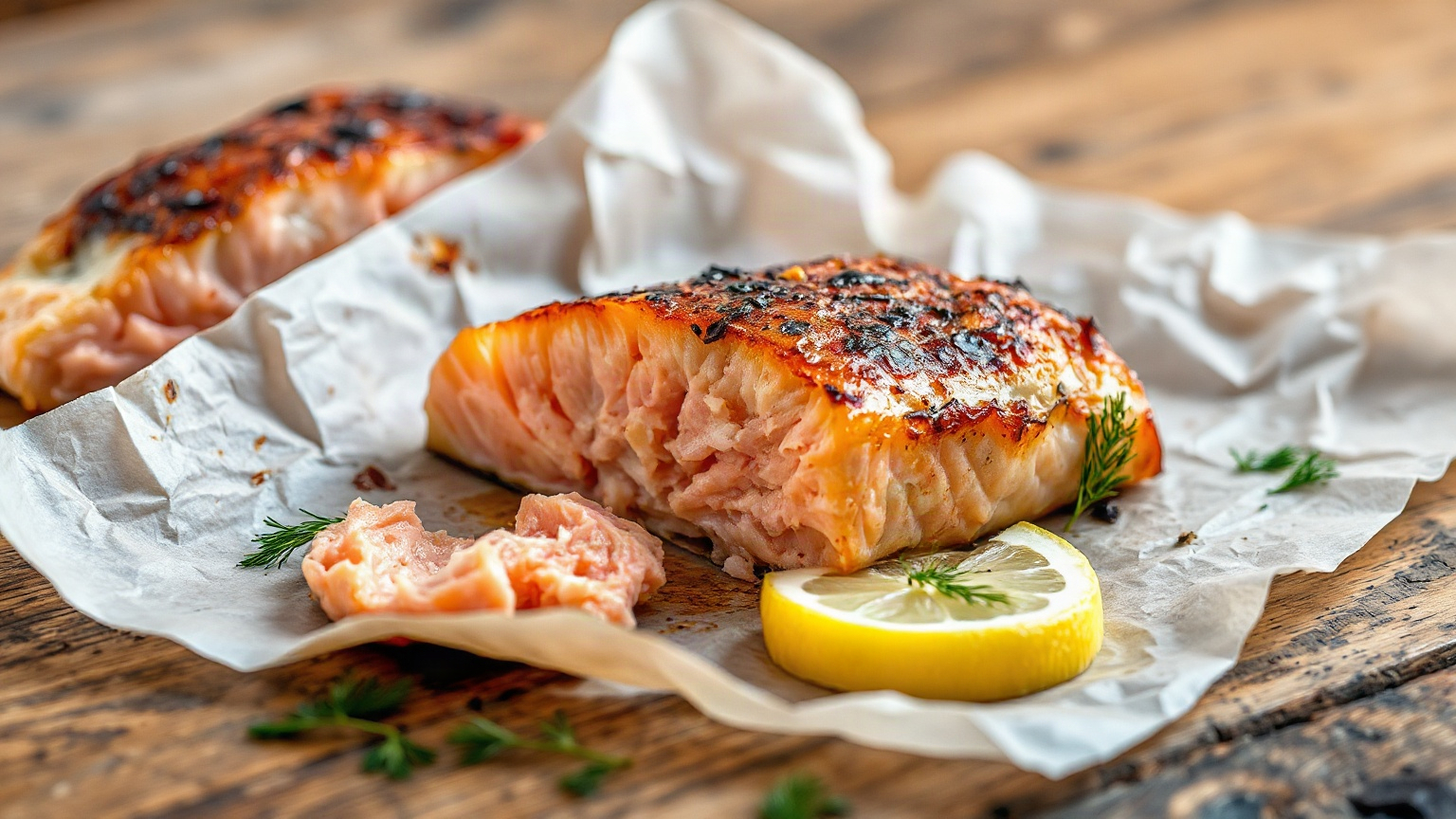
I know that sounds like a bold claim, but hear me out. Your full-size oven takes 10–15 minutes just to preheat, which is almost as long as the salmon takes to cook. A toaster oven — especially a good countertop convection model — preheats in about 5 minutes. That’s a real difference on a Tuesday night.
The other thing is proximity. In a toaster oven, the heating elements are much closer to your food than in a standard oven cavity. This means faster surface browning, which is exactly what you want with salmon — that slightly golden, barely-there crust that you just don’t always get in a big oven without cranking the broiler at the end. Some toaster ovens have a convection fan that circulates the heat, which speeds things up even more and helps the top of the fillet cook evenly instead of the edges getting ahead of the center.
If you’re curious about how hot these appliances actually run internally, I’ve covered that in detail over at how hot a toaster gets — it’s more nuanced than the dial setting suggests.
The Exact Temperature and Time: A Breakdown by Fillet Thickness
This is the part most recipes gloss over. They say “cook at 400°F for 12–15 minutes” like all salmon fillets are the same. They’re not. A thin tail piece from a supermarket fillet can be under half an inch thick. A thick center-cut piece of wild king salmon can push 1.5 inches. Those are genuinely different situations.
| Fillet Thickness | Toaster Oven Temp | Cook Time (Standard) | Cook Time (Convection) | Target Internal Temp |
|---|---|---|---|---|
| Under ¾ inch (thin) | 400°F | 9–11 min | 8–10 min | 125–145°F |
| 1 inch (standard) | 400°F | 12–15 min | 11–13 min | 125–145°F |
| 1.25–1.5 inch (thick) | 400°F | 15–18 min | 13–16 min | 125–145°F |
| Any thickness, crispy skin | 425°F | Subtract ~1–2 min, watch closely | Subtract ~2–3 min | 125–145°F |
The first time I made salmon in a toaster oven, I pulled it at 12 minutes and it was genuinely perfect on the outside and raw in a weird pocket near the center. My fillet was thicker than I’d measured. Lesson learned: use an instant-read thermometer. Don’t guess. A decent instant-read kitchen thermometer is maybe the most useful $15 you’ll spend on your cooking life, and it’s the only reliable way to actually know when salmon is done.
Should You Use 400°F or 425°F?
400°F is my default. It’s forgiving. The salmon cooks through without drying out, and you’ve got a few minutes of wiggle room before it gets chalky. I use 425°F when I want more color on the top of the fillet — like when I’ve got a honey-soy glaze that benefits from a little caramelization. At 425°F you need to watch it, especially with thin pieces. There’s maybe a 90-second window between “beautiful” and “dry disaster.” Not joking.
What About the Broil Setting?
Broiling salmon in a toaster oven works, but it’s fast and unforgiving. I’d only do it for the last 2–3 minutes of cook time to crisp the top — not as the primary cooking method. And make sure the fillet isn’t too close to the top element; about 4–5 inches of clearance is what you want. Too close and the surface burns before the inside is anywhere near done.
How to Set Up Your Toaster Oven for Salmon
Preheat first. Always. Give it at least 5 minutes at your target temperature. I know some people skip this, and I’ve done it too when I’m in a rush, but the salmon really does cook more evenly when it goes into a fully hot oven.
For the pan situation: I prefer a small rimmed baking sheet lined with foil, or a dedicated toaster oven baking pan. The foil makes cleanup almost effortless, which matters when you’re cooking fish. You can also use a toaster oven wire rack set over a foil-lined pan if you want air circulating under the fillet — it helps the bottom cook a little more evenly and keeps the skin from steaming.
Rack position: middle rack, almost always. Unless you’re finishing with the broiler, in which case slide the rack up for the last couple minutes.
Skin-On vs. Skin-Off
Cook it skin-side down. Regardless of whether you plan to eat the skin. It acts like a natural barrier between the flesh and the hot pan, which slows down cooking from the bottom and lets the top get some color. If you want crispy skin — and it’s genuinely good when it’s crispy — the wire rack setup over a pan is your best bet since the underside gets direct airflow.
Seasoning, Glazes, and What Goes Well (Without Overcomplicating Things)
A simple seasoning of olive oil, salt, and black pepper is honestly hard to beat. You can do it in about 30 seconds. After that, lemon slices on top while it bakes is a classic move — it steams the fish slightly from above and adds brightness. Fresh herbs like thyme or dill work well, but they can burn at 425°F, so stick to 400°F if you’re going that route.
For glazes, anything with sugar needs watching at high heat. A mix of soy sauce, honey, and a little garlic at 400°F for 12–13 minutes gives a sticky, slightly caramelized surface that’s really good. Miso-butter is another one I come back to constantly — just whisk softened butter with white miso, spread it on top of the fillet, and bake at 400°F. The miso browns a little and you get this savory-sweet thing that works on almost any weeknight.
Serious Eats has some useful science on why salmon overcooks faster than you’d think — it’s worth a read if you’re curious about the protein structure side of things: Serious Eats on salmon cooking science.
The Edge Case Nobody Mentions: Cooking Salmon From Frozen
This is the situation most guides skip entirely, but it comes up constantly. You forgot to thaw the salmon. Now what?
You can cook salmon from frozen in a toaster oven. It takes longer — roughly 1.5x the normal cook time — and you need a different approach. Start at a lower temp: 325°F for the first 10–12 minutes to gently bring the center up without overcooking the outside. Then bump to 400°F for another 8–10 minutes to finish it and get some color on top. Total time is around 20–22 minutes for a 1-inch fillet.
The texture won’t be quite as good as fresh or properly thawed salmon. But it’s genuinely fine for a weeknight meal when you forgot to plan ahead. Which happens. A lot, if you’re anything like me.
One more thing on frozen salmon: pat it as dry as you can before seasoning. There’s a lot of surface moisture when it thaws during cooking, and wet fish steams instead of roasting. Dry it aggressively with paper towels before it goes in. The USDA’s guidance on cooking frozen seafood recommends cooking it straight from frozen when you go this route rather than partially thawing and then cooking, which can cause uneven results.
Reheating Leftover Salmon in a Toaster Oven
Low and slow is the way to go here. 275°F for about 10–12 minutes. Anything hotter and you’ll dry it out fast. Cover it loosely with foil to trap some moisture. It won’t be quite like fresh salmon, but it’s a lot better than what a microwave does to it. I’ve written more about the general approach to reheating food in a toaster oven if you’re dealing with other leftovers too.
Final Thoughts
400°F for 12–15 minutes covers most salmon situations most of the time. Get a thermometer, don’t skip the preheat, and account for the thickness of your actual fillet rather than whatever a recipe assumes. The toaster oven is genuinely great for fish — faster than a full oven, easier to clean up, and the proximity of the heating elements gives you nice surface color without any extra effort.
If you’re still deciding which countertop oven to use for this kind of cooking, check out our roundup of the best mini toaster ovens — some are much better than others for even heat distribution, which makes a real difference with delicate proteins like salmon.
Frequently Asked Questions
What temperature should I cook salmon in a toaster oven?
400°F is the standard go-to for toaster oven salmon. It cooks a 1-inch fillet through in 12–15 minutes without drying it out. If you want a crispier surface or you’re using a glaze, 425°F works too but shaves a couple minutes off your window before it overcooks.
How long does salmon take in a toaster oven?
At 400°F, a standard 1-inch thick salmon fillet takes 12 to 15 minutes. Thinner pieces under ¾ inch can be done in 9–11 minutes, while thick center-cut fillets at 1.5 inches may need closer to 18 minutes. Always check with a thermometer rather than relying solely on time.
What internal temperature should salmon reach when cooked in a toaster oven?
The USDA recommends 145°F as the safe minimum internal temperature for fish. Many cooks prefer pulling salmon at 125–130°F for a silkier, medium texture — the carry-over heat will raise it another 3–5°F as it rests. For anyone immunocompromised, pregnant, or cooking for children, stick to 145°F.
Can I cook frozen salmon in a toaster oven?
Yes — start at 325°F for 10–12 minutes, then increase to 400°F for another 8–10 minutes to finish cooking and brown the surface. Pat the fillet as dry as possible before it goes in, since frozen fish releases a lot of moisture. Total cook time for a 1-inch frozen fillet runs about 20–22 minutes.
Do I need to flip salmon when cooking it in a toaster oven?
No — you don’t need to flip it. Cook it skin-side down the entire time. The skin protects the bottom from overcooking while the heat from the top element browns the surface. Flipping risks breaking the fillet apart and doesn’t meaningfully improve the result.

Written by
Emma is a home cook who loves coaxing big flavor out of a toaster oven — from crispy roasted vegetables to easy weeknight dinners and sweet treats. She develops and tests Toastera's recipes for small-appliance kitchens.
Free: the Toaster Oven Cheat Sheet
Get the printable cheat sheet (temps, cook times & safety tips) plus new recipes. No spam, unsubscribe anytime.