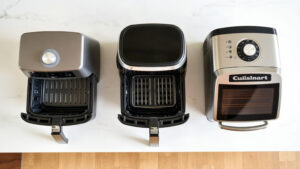
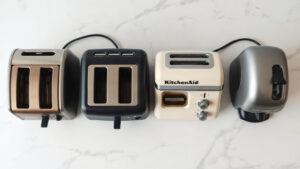
To reheat spring rolls in an air fryer and keep them crispy, set the temperature to 375°F and reheat for 5–7 minutes, flipping once halfway through. The circulating hot air drives out residual moisture from the wrapper while re-crisping the outer shell — something a microwave simply cannot do. If your spring rolls came straight from the fridge, add a minute; if they’re frozen, bump the time to 10–12 minutes at the same temp.
Safety First: Air fryer baskets and spring rolls retain extreme heat after cooking — the oil inside the filling can reach temperatures well above the wrapper temperature. Let reheated spring rolls rest for at least 60 seconds before biting in, and never reach bare-handed into a hot air fryer basket. Keep the appliance at least 6 inches from walls and cabinets during use to prevent heat buildup and potential fire risk.
Quick Takeaways
- 375°F for 5–7 minutes works for refrigerated spring rolls; frozen ones need 10–12 minutes at the same temperature
- Always flip at the halfway point — skipping this is the number one reason one side comes out soft
- Do NOT spritz with extra oil unless the wrapper looks bone dry; most spring rolls have enough residual oil already
- Preheat the air fryer for 3 minutes before adding the rolls — a cold basket leads to soggy results
- Overcrowding the basket is the silent killer of crispiness; leave space between each roll
I’ve reheated a frankly embarrassing number of leftover spring rolls. Party leftovers, takeout extras, the ones I panic-bought frozen from Costco. And the air fryer gets them right almost every time — once you dial in a few variables that the basic “just air fry them” advice tends to skip over.
Why the Air Fryer Works (and the Microwave Doesn’t)
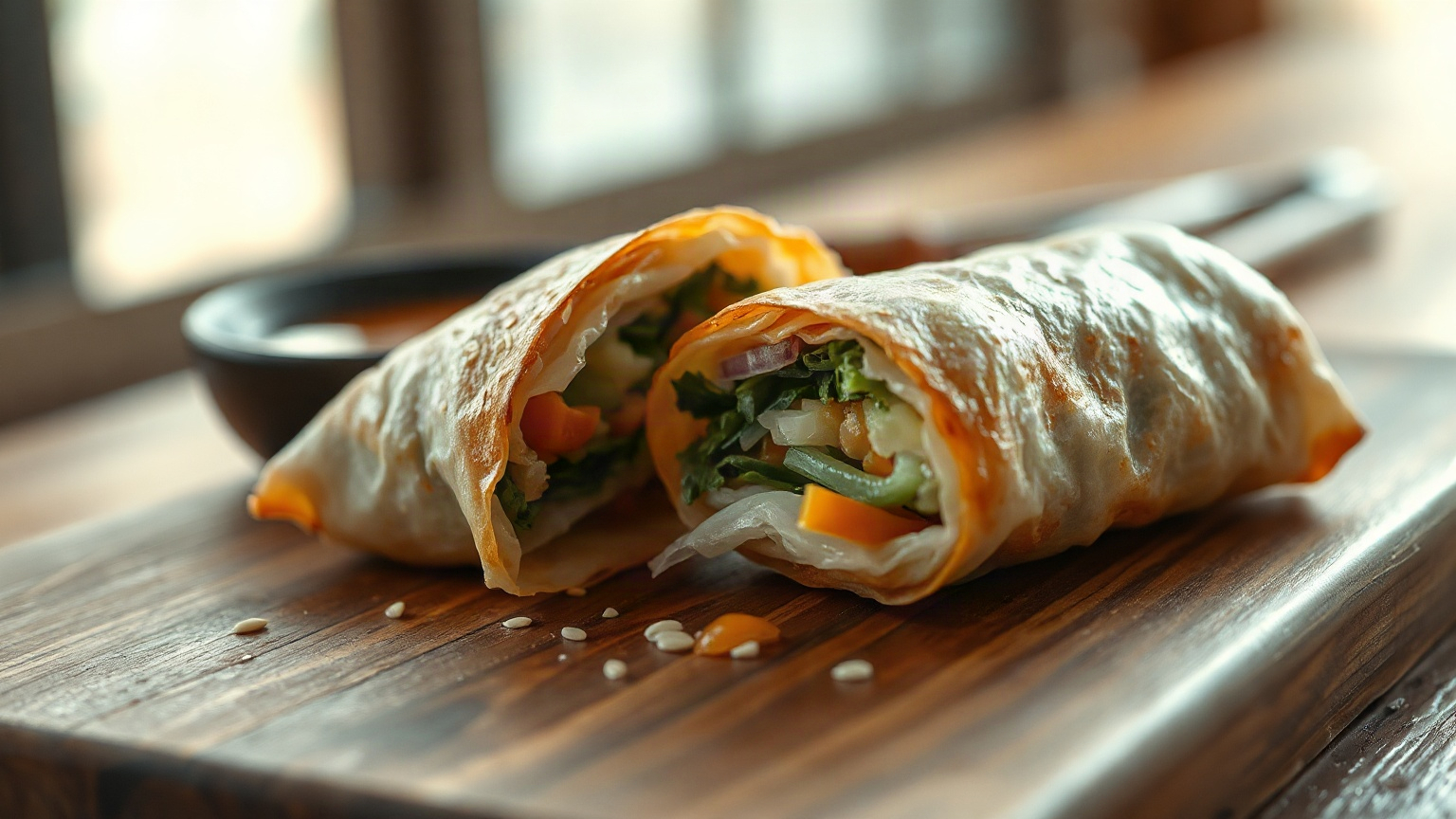
A microwave reheats by exciting water molecules. That’s great for soup. For a spring roll? It turns the wrapper into a limp, translucent sleeve. You end up with something that tastes vaguely of regret.
An air fryer works more like a small convection oven — it blasts hot air in a tight, circulating loop around the food. That movement of air wicks away surface moisture quickly, which is exactly what you want from a wrapper that’s been sitting in the fridge for 12+ hours absorbing steam from its own filling. The result is a shell that crisps back up close to its original texture. Not identical to fresh-fried, but genuinely good.
An oven can do this too, but it takes longer to preheat and doesn’t circulate air as aggressively. For more on how reheating in different appliances compares, I wrote a full guide on reheating food in a toaster oven that’s worth a look if you don’t have an air fryer basket setup.
The Exact Method I Use (Step by Step)
Step 1: Preheat First — Seriously, Don’t Skip This
Preheat your air fryer to 375°F for 3 minutes before the rolls go in. The first time I skipped this, the spring rolls sat in a gradually warming basket for the first two minutes, which basically steamed them from the outside. Soft and sad. Preheating means the moment they hit the basket, the crisping starts.
Step 2: Arrange Without Crowding
Place the spring rolls in a single layer with at least half an inch of space between them. I know it’s tempting to pile them all in, especially if you’ve got eight rolls and a compact basket. Don’t. Packed rolls trap steam between them and you end up with soft patches where they’re touching. If you’ve got a lot to reheat, do two batches. Worth it.
If your air fryer uses a rack-style insert rather than a basket, a mesh rack insert can help elevate the rolls and get airflow underneath them, which makes a noticeable difference.
Step 3: Reheat and Flip Once
Reheat at 375°F. For refrigerated spring rolls (stored overnight, fully cooked), that’s 5–7 minutes total. At the halfway point — so around 3 minutes in — open the basket and flip each roll. This is non-negotiable if you want even crispiness all the way around. The side sitting on the basket is in contact with the hottest surface and will brown faster than the top.
For frozen spring rolls (not thawed), you’re looking at 10–12 minutes at 375°F, still flipping at the halfway mark. Some brands run thicker than others — Costco’s vegetable spring rolls, for instance, tend to need closer to that 12-minute mark because of how densely packed the filling is.
Step 4: Check Before You Pull Them Out
Give them a gentle press with a spatula. A properly reheated spring roll feels firm and rigid, not soft or yielding. If there’s still any give, give them another 1–2 minutes. Visual cue: the wrapper should be a deep golden color, not pale or splotchy.
Temperature and Timing Reference Table
Different starting conditions need slightly different approaches. Here’s what I’ve landed on after multiple rounds of testing:
| Spring Roll Condition | Temperature | Time | Flip? |
|---|---|---|---|
| Refrigerated (1–2 days old) | 375°F | 5–7 minutes | Yes, at 3 min |
| Frozen (not thawed) | 375°F | 10–12 minutes | Yes, at 5–6 min |
| Room temperature (freshly made) | 360°F | 3–4 minutes | Optional |
| Refrigerated, extra large/thick | 375°F | 8–10 minutes | Yes, at 4–5 min |
| Egg rolls (thicker wrapper) | 380°F | 6–8 minutes | Yes, at 3–4 min |
Quick note on egg rolls vs. spring rolls: egg roll wrappers are thicker and doughier, so they benefit from a slightly higher temperature. Spring roll wrappers are more delicate — they can go from perfectly golden to scorched faster than you’d expect, so I keep them at 375°F rather than pushing higher.
Why Your Spring Rolls Might Still Be Coming Out Soggy
If you’re following the temps above and still getting soft results, here are the most common culprits.
You Didn’t Preheat
Already covered this, but it bears repeating. Cold basket = steam phase at the start = soft wrapper. Three minutes of preheating at temperature is all it takes.
Too Much Moisture in the Filling
This is the edge case that most articles skip entirely. Some spring rolls — particularly homemade ones with cabbage, bean sprouts, or other high-water vegetables — release significant moisture as they heat. That steam has to go somewhere, and it goes into the wrapper from the inside. If you made your own and they keep coming out soggy no matter what you do, the fix is at the cooking stage: wring out your vegetables before filling, and don’t overfill. No amount of air frying will fully fix a roll that’s been packed with wet filling.
The Basket Was Overcrowded
Mentioned above, but here’s the physics of it: when rolls are packed in, they create a humid microclimate inside the basket. The air fryer can’t circulate properly, moisture builds up, and you lose the crispiness advantage entirely. Single layer, with gaps. That’s it.
You Added Too Much Oil
A lot of recipes tell you to spritz with oil before air frying. For fresh spring rolls being cooked from raw, sure. For reheating already-cooked ones? Usually unnecessary and sometimes counterproductive. Most cooked spring rolls have enough residual oil in the wrapper that adding more just makes them greasy. If the wrapper genuinely looks dry and cracked, a very light spritz is fine — but I’m talking barely a mist, not a coating.
A Few Extra Tips Worth Knowing
Fresh spring rolls (the Vietnamese rice paper kind, not fried) should absolutely not go in an air fryer. They’re meant to be served cold or at room temperature, and the rice paper will just dry out and crack. This seems obvious, but I’ve seen the question come up enough times to mention it.
If you’re reheating a large batch for a party, a toaster oven with a convection setting is a solid alternative — especially one of the best mini toaster ovens that have dedicated air fry modes built in. You get a bigger usable surface area than most air fryer baskets, which matters when you have 20 rolls to reheat at once.
For food safety: if your spring rolls have been sitting out at room temperature for more than two hours, the USDA’s two-hour rule applies. Reheat them, but be aware that reheating doesn’t undo bacterial growth that may have already occurred. When in doubt, bin them. I know that’s painful to hear when you have good leftovers, but it’s the right call.
Also: if you’re serious about getting even crisping on all sides, a rotating basket accessory for certain air fryer models is genuinely useful. It tumbles the rolls slowly during cooking so you don’t even need to flip manually. I find flipping by hand is fine for most situations, but for anyone reheating frequently, it’s a handy thing to know exists.
Serious Eats has a good breakdown of what makes spring roll wrappers crisp at a structural level if you want to get into the actual food science of it — worth a read if you’re making them from scratch and want to understand why the wrapper behaves the way it does under heat.
The Bottom Line
Reheating spring rolls in an air fryer isn’t complicated, but the small details make a real difference. Preheat the basket. Don’t crowd. Flip halfway. Stick to 375°F rather than cranking it higher and hoping for faster results — higher heat chars the wrapper before the inside is properly warm. And if homemade rolls keep coming out soggy no matter what you do, look at your filling moisture rather than your air fryer settings.
Done right, day-old spring rolls come out of the air fryer genuinely crispy and hot all the way through. Not quite identical to straight-from-the-fryer, but close enough that I never bother with any other reheating method anymore. The microwave is not an option. We don’t negotiate with microwave spring rolls.
Frequently Asked Questions
How long to reheat spring rolls in an air fryer?
Refrigerated spring rolls take 5–7 minutes at 375°F, flipping once at the halfway point. Frozen spring rolls need 10–12 minutes at the same temperature, still with a flip at around 5–6 minutes in. Thicker egg rolls benefit from an extra 1–2 minutes and a slightly higher temperature of 380°F.
What temperature should I reheat spring rolls in an air fryer?
375°F is the sweet spot for most spring rolls — hot enough to crisp the wrapper quickly without scorching the delicate shell before the filling heats through. Egg rolls with thicker wrappers can handle 380°F. Going above 390°F risks burning the ends before the center is warm.
Do I need to add oil when reheating spring rolls in an air fryer?
Usually no. Already-cooked spring rolls retain enough residual oil in the wrapper that adding more just makes them greasy rather than crispy. If the wrapper looks unusually dry or cracked — which can happen with rolls that have been frozen for a long time — a very light misting of neutral oil is fine, but it’s rarely needed.
Why are my air fryer spring rolls not crispy?
The three most common causes are: not preheating the air fryer (the basket needs to be hot before the rolls go in), overcrowding the basket so steam can’t escape, and high-moisture filling releasing water into the wrapper from the inside. Fix the first two first — if soggy results persist on homemade rolls, squeeze excess moisture from your vegetables before filling.
Can you reheat frozen spring rolls in an air fryer without thawing?
Yes, and it’s actually the preferred method. Thawing spring rolls before reheating tends to make the wrapper go soft and sticky, which then doesn’t crisp back up as well. Cook straight from frozen at 375°F for 10–12 minutes, flipping at the halfway point, and you’ll get a better result than thaw-then-reheat.

Written by
Emma founded Toastera to turn vague appliance advice into clear, researched, safety-first guidance on toasters and toaster ovens.
Free: the Toaster Oven Cheat Sheet
Get the printable cheat sheet (temps, cook times & safety tips) plus new recipes. No spam, unsubscribe anytime.