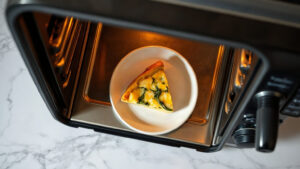
The air fryer wins for frozen pizza rolls, and it’s not particularly close. Circulating hot air at high speed crisps the outside in about 6–8 minutes at 380°F, while a toaster oven at the same temperature takes closer to 12–14 minutes and still leaves the bottoms a little soft. If crispy is your only metric, air fryer every time.
Safety First: Both air fryers and toaster ovens reach internal temperatures well above 350°F and can cause serious burns on contact. Never reach into the basket or tray immediately after cooking — let it sit for 60 seconds first. Pizza roll filling becomes extremely hot (hotter than the outer crust), so bite carefully or let them rest 2 minutes before eating. Keep both appliances at least 6 inches from cabinetry and never leave them unattended while running.
Quick Facts: Air Fryer vs Toaster Oven for Pizza Rolls
- Air fryer cook time: 6–8 minutes at 380°F for a single layer of up to 25 rolls
- Toaster oven cook time: 12–14 minutes at 400°F for comparable results (and they’re still softer on the bottom)
- The filling danger is real: Both methods superheat the inside faster than the outside looks done — always let them rest
- Don’t thaw first: Cooking from frozen gives a better texture in both appliances; thawed rolls go soggy
- Toaster oven advantage: Can cook larger batches without sacrificing texture, and handles the occasional overflow leak without making a mess of a basket
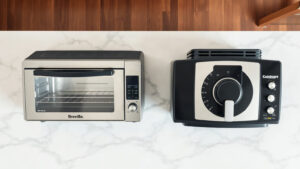
I’ve made pizza rolls more times than I’d care to admit. It started as a lazy Friday thing and turned into a full-on obsessive side-by-side test once I had both a Ninja Foodi and a Breville Smart Oven sitting on my counter at the same time. Here’s what I actually found out.
Why Crispiness Comes Down to Airflow, Not Just Heat
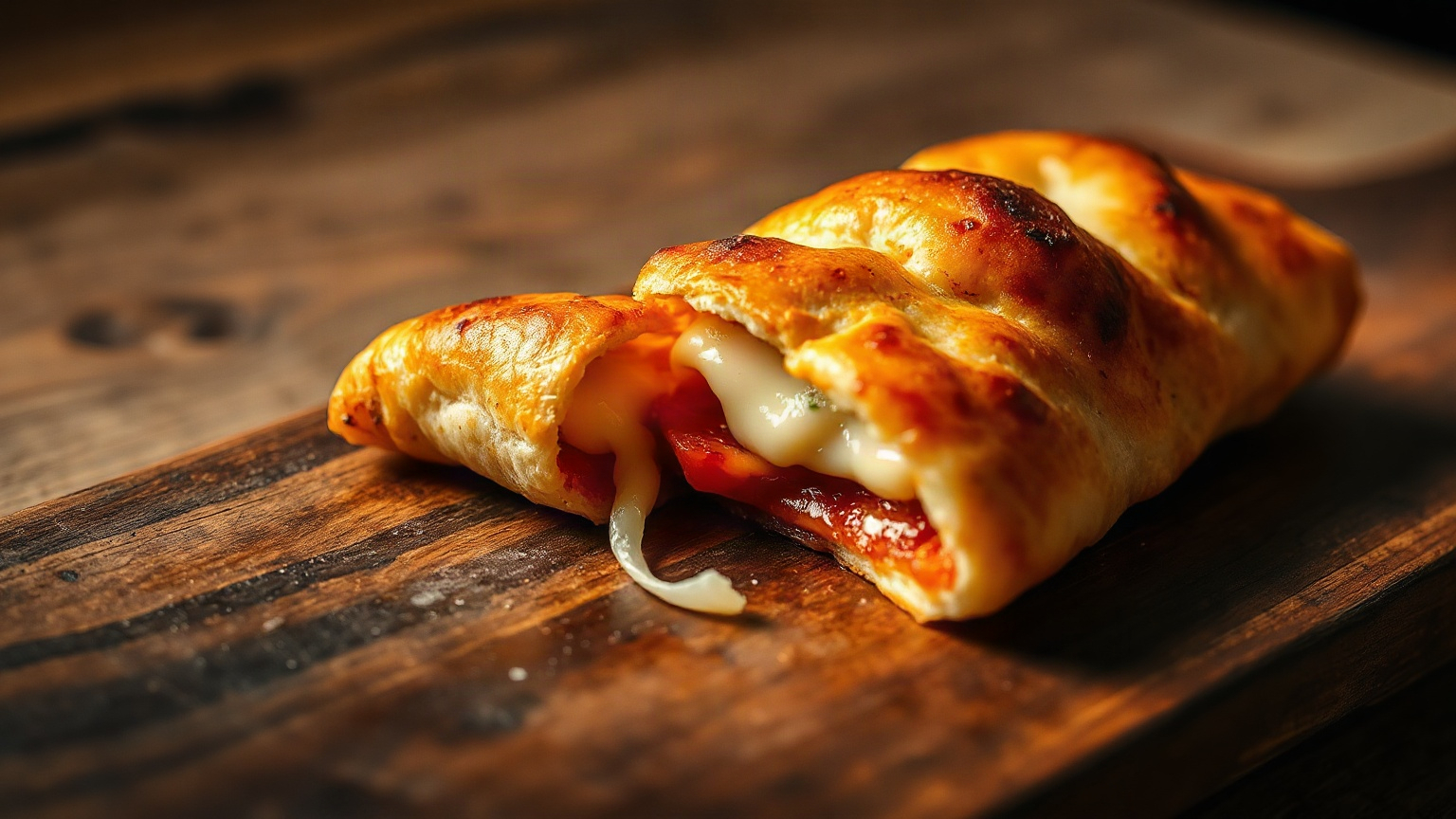
This is the part most articles skip. It’s not really about temperature. Both appliances can hit 400°F. The difference is what happens to the moisture escaping from the food.
An air fryer is a small, high-velocity convection oven. The fan is powerful relative to the tiny cooking space, which means steam gets blown away from the surface of the food almost immediately. No steam sitting on the crust = crispier crust. It’s basically the same reason restaurant fryers work so well — constant displacement of moisture.
A toaster oven, even one with a convection setting, has a larger interior and a weaker fan relative to the space. Steam lingers a bit. Not a disaster, but enough to matter with something like a pizza roll, where the dough-to-filling ratio means there’s a lot of moisture trying to escape.
I noticed this most clearly when I was testing with my Breville Smart Oven Air Fryer — it has both modes, and switching between them with the same batch of rolls showed a clear, consistent difference. The air fryer mode browned the tops and sides in about 7 minutes. The standard convection bake mode on the same machine needed 13 minutes and the bottoms were still slightly chewy. Not bad, just not as good.
The Actual Numbers: My Side-by-Side Test
I ran this test with Totino’s pepperoni pizza rolls (the standard 48.8 oz bag) on three separate evenings because the first two times I second-guessed myself. Same brand, same count (20 rolls each batch), cooked straight from frozen.
Air Fryer Method (Ninja Foodi, 380°F)
Single layer in the basket, no oil spray needed. 7 minutes, shake the basket at the 4-minute mark. Let them rest 2 minutes before eating. Result: genuinely crunchy exterior, slightly blistered in spots, filling hot all the way through. On my third test I forgot to shake and two rolls fused together — minor annoyance, easy fix next time.
Toaster Oven Method (Breville Smart Oven Air Fryer, Convection Bake, 400°F)
Rolls on the wire rack (not the pan — this matters), 13 minutes, no flip needed. Result: nicely browned on top and sides, slightly softer on the bottom where they sat against the rack, filling very hot. Honestly not bad at all. I’ve served these to people who didn’t notice the difference. But I noticed.
The Comparison Table
| Factor | Air Fryer (Ninja Foodi) | Toaster Oven (Breville, Convection) |
|---|---|---|
| Temperature | 380°F | 400°F |
| Cook Time | 6–8 minutes | 12–14 minutes |
| Exterior Crispiness | Very crispy, slight blister | Moderately crispy, softer bottom |
| Filling Temperature | Extremely hot (rest required) | Extremely hot (rest required) |
| Max Batch Size | ~20–25 rolls (single layer) | 30–40+ rolls (single layer) |
| Cleanup | Basket gets greasy, easy to rinse | Tray catches drips, occasional leak mess |
| Best For | Small batches, maximum crisp | Larger groups, easier monitoring |
One thing Totino’s own packaging actually confirms: they label the air fryer method specifically as “Crispy” in their instructions. That’s the manufacturer telling you something.
The Edge Cases Nobody Talks About
What Happens When a Pizza Roll Bursts
Pizza rolls burst. It’s basically their defining personality trait. In an air fryer, a burst roll means hot filling hits the bottom of the basket, smokes a little, and leaves a sticky mess that’s annoying to clean. In a toaster oven, it drips onto the tray, which is easier to wipe down — especially if you’ve lined it with foil. I’ve ruined a perfectly good Saturday afternoon trying to get baked-on pizza filling off an air fryer basket. Foil in the basket helps, but it can restrict airflow, which defeats the purpose. My current solution: perforated parchment liners designed for air fryers. They catch drips without blocking air.
Cooking for a Crowd
Air fryers have a hard batch size limit. Stack pizza rolls and they steam instead of crisping — you’re basically recreating the microwave problem. So if you’re making 60 rolls for a group of people watching a game, the toaster oven wins on pure logistics. You can fit more in a single layer on a toaster oven wire rack than you can in most air fryer baskets, and the quality gap narrows when you’re feeding eight people who are distracted by the game anyway.
The Frozen-Solid vs. Slightly Thawed Problem
Don’t let your pizza rolls sit on the counter before cooking. I did this once — pulled them out while preheating and then got distracted for 20 minutes. They went partially soft and released way more moisture when cooking, which made them noticeably soggier in both appliances. Cook them straight from the freezer. Every time.
Which Appliance Should You Actually Buy?
If you don’t own either and pizza rolls are a real, recurring part of your life (no judgment), here’s how I’d think about it.
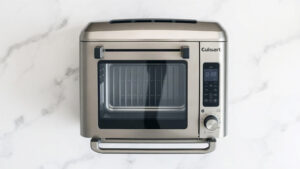
The Breville Smart Oven Air Fryer is the best of both worlds if you have counter space and budget — it does convection bake and air fry in one unit. Premium price tier, but it earns it. The Ninja Foodi (various models) is mid-range and excellent for pure air frying. The Cuisinart TOA-70 is a solid mid-range toaster oven/air fryer combo that I’ve used in a smaller kitchen where the Breville was overkill. The Hamilton Beach options are budget tier, fine for occasional use, but the air fry fan isn’t as powerful — you’ll notice it on things like pizza rolls.
My honest pick for most people: a dedicated air fryer in the $80–$120 range if you cook for one or two people, or a combo unit like the Breville or Cuisinart TOA-70 if you regularly cook for more. The best mini toaster ovens are great for small kitchens, but they often sacrifice air fry capability to save space.
For more on how different appliances handle reheated and frozen foods generally, I’ve written about reheating food in a toaster oven — some foods actually do better in a toaster oven than an air fryer, pizza rolls just aren’t among them.
Serious Eats has a good breakdown of why air fryers work the way they do, if you want the food science behind the airflow argument I made above.
A Few Tips That Actually Make a Difference
- Preheat, always. Tossing rolls into a cold air fryer adds steam time before crisping begins. 2-minute preheat at 380°F makes a noticeable difference.
- Single layer is non-negotiable. One roll on top of another = disappointment. It doesn’t matter how good your appliance is.
- Don’t spray oil on pizza rolls. They have enough fat in them already. Spraying adds nothing except a slightly greasy texture and more smoke.
- Use a rack, not a flat pan, in your toaster oven. Airflow under the roll matters. A flat pan traps moisture at the bottom — that’s your soggy-bottom culprit.
- Let them rest. Two minutes. The filling is at a genuinely dangerous temperature when they first come out. I’ve burned the roof of my mouth ignoring this advice more than once.
The Verdict
Air fryer wins on crispiness. It’s not a matter of opinion — it’s faster, the exterior texture is better, and the results are more consistent across multiple tests. The toaster oven is the better choice only when you’re cooking a larger batch and don’t want to do multiple rounds, or when cleanup after a bursting-roll incident is a real concern.
If I’m making pizza rolls for myself on a Friday night, air fryer at 380°F for 7 minutes with a 2-minute rest. Every time. The toaster oven stays on backup duty.
And if you’re curious about how your specific appliance’s heating elements compare to others, the guide on how hot a toaster gets is worth a read — the temperature behavior is more complicated than the dial suggests.
Frequently Asked Questions
What temperature should I air fry frozen pizza rolls?
380°F is the sweet spot for frozen pizza rolls in an air fryer. Higher temperatures (like 400°F) can over-brown the outside before the filling is fully hot, while anything below 360°F tends to produce a softer, less crispy result. Cook for 6–8 minutes in a single layer, shaking the basket once halfway through.
Can you cook frozen pizza rolls in a toaster oven?
Yes, and they come out reasonably well — just not as crispy as the air fryer version. Set your toaster oven to 400°F on convection bake, place the rolls in a single layer on a wire rack (not a flat pan), and cook for 12–14 minutes. The wire rack is important because it allows hot air to circulate under the rolls.
Should you thaw pizza rolls before air frying or baking?
No — cook them straight from frozen. Thawing or partially thawing pizza rolls causes them to release extra moisture during cooking, which makes the crust noticeably soggier in both appliances. Pull them straight from the freezer and cook immediately.
How many pizza rolls fit in an air fryer?
Most standard air fryer baskets (5–6 quart) hold 20–25 pizza rolls in a single layer. Don’t stack them — overlapping rolls will steam rather than crisp, and you’ll get uneven cooking with soft spots. If you need more than 25 rolls, cook in batches or switch to a toaster oven.
Why are my air fryer pizza rolls soggy in the middle?
Soggy middles usually mean the rolls were stacked or overcrowded in the basket, the air fryer wasn’t preheated, or the temperature was too low. Try preheating for 2 minutes at 380°F before adding the rolls, confirm they’re in a single layer with space between them, and cook for the full 7–8 minutes without skipping the basket shake at the halfway point.

Written by
Emma founded Toastera to turn vague appliance advice into clear, researched, safety-first guidance on toasters and toaster ovens.
Free: the Toaster Oven Cheat Sheet
Get the printable cheat sheet (temps, cook times & safety tips) plus new recipes. No spam, unsubscribe anytime.