At 375°F, bone-in chicken thighs take 35 to 45 minutes in a toaster oven, while boneless thighs are done in 25 to 30 minutes. The exact time depends on the size of the thighs and how well your particular toaster oven holds temperature. Either way, you’re looking for an internal temperature of 165°F at the thickest part — though I’d personally pull them at 170 to 175°F for better texture and more forgiving results.
Safety First: Toaster ovens run at high heat and can cause serious burns — always use oven mitts when removing the baking pan, and never leave raw poultry juices on the heating elements or interior surfaces. After cooking chicken, let the oven cool completely before wiping down any grease splatter. Grease buildup near a hot element is a genuine fire risk, not a theoretical one.
Quick Facts: Chicken Thighs at 375°F in a Toaster Oven
- Bone-in, skin-on thighs: 35–45 minutes at 375°F
- Boneless, skinless thighs: 25–30 minutes at 375°F
- Safe internal temp: 165°F minimum; 170–175°F for juicier, more tender meat
- Always use a meat thermometer — color alone is not reliable
- Let the thighs rest 5 minutes before cutting to keep the juices in
Why 375°F Works Well (and When It Doesn’t)
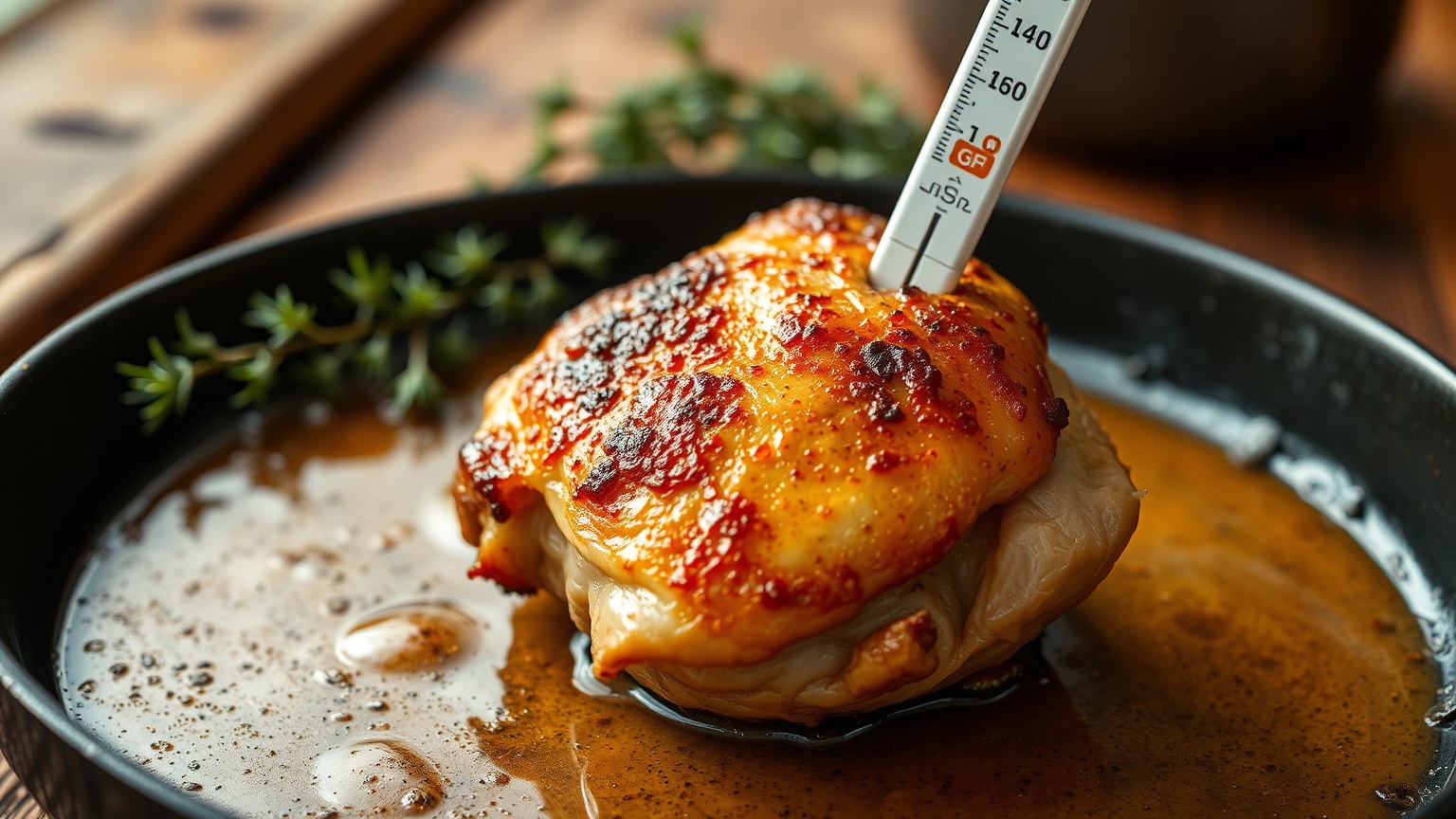
375°F is a solid middle ground. Hot enough to render the fat and get some color on the skin, not so hot that the outside chars before the inside cooks through. It’s the temperature I reach for when I’m not in a hurry and I want reliable results without babysitting the oven.
That said, it’s not the only option. If crispy skin is your priority, 400°F or even 425°F will do more for you. The fat under chicken skin needs real heat to render properly, and 375°F sometimes leaves the skin a little soft — especially in smaller toaster ovens where airflow is restricted. I’ve noticed this more with thighs that have a thick fat cap. At 375°F they’ll be cooked, but you might end up with slightly flabby skin. Not the end of the world. Just worth knowing.
If you’re curious about how different temperature settings affect overall cooking times and textures, the folks at Serious Eats have a thorough breakdown of chicken thigh cooking methods that’s worth reading. They come at it from a full-size oven perspective, but the principles carry over.
Cook Times by Chicken Thigh Type
Not all thighs are the same, and this is where a lot of people get tripped up. A small boneless thigh from a package of eight is going to cook faster than a big bone-in piece from a butcher. Size really does matter here, probably more than any other variable.
Bone-In, Skin-On Thighs
These are the ones most people are cooking. Expect 35 to 45 minutes at 375°F, with the longer end applying to larger pieces (think 7–8 oz each). I start checking at 32 minutes with my thermometer, just to get a baseline reading. The bone slows heat penetration, so you can’t rush it. Insert the thermometer into the thickest part, away from the bone — bone conducts heat differently and you’ll get a false reading if you’re touching it.
Boneless, Skinless Thighs
These go faster. 25 to 30 minutes at 375°F is the range, and 25 minutes is usually right for standard grocery-store-sized thighs. They’re more forgiving than chicken breasts, but they’ll still dry out if you push them too far past 175°F. I made that mistake my first time using a toaster oven for these — forgot that toaster ovens can run hot in spots, especially near the back element, and one thigh read 185°F before I knew what was happening. Still edible, but noticeably less juicy.
Bone-In, Skinless Thighs
This is the configuration people rarely talk about. You’ll see it in halal butcher shops and some grocery stores. Time-wise, treat it like bone-in skin-on — 35 to 42 minutes — but be aware there’s less fat to protect the meat from drying out. A quick marinade or a brush of olive oil before cooking helps a lot.
| Chicken Thigh Type | Temp | Cook Time | Target Internal Temp |
|---|---|---|---|
| Bone-in, skin-on | 375°F | 35–45 min | 170–175°F |
| Boneless, skinless | 375°F | 25–30 min | 165–170°F |
| Bone-in, skinless | 375°F | 35–42 min | 170–175°F |
| Frozen bone-in (thawed) | 375°F | 45–55 min | 165°F minimum |
The Setup: Pan, Rack, and Placement
How you set things up matters as much as the temperature. Toaster ovens are small — the heating elements are close to the food, and heat distribution isn’t as even as a full-size oven. A few things I’ve learned the hard way:
- Use a rack if you have one. Elevating the thighs off the pan lets hot air circulate underneath and renders the skin more evenly. A toaster oven wire rack that fits your model is worth having.
- Put a pan underneath to catch drips. Chicken thighs release a lot of fat and juices at 375°F. A toaster oven baking pan lined with foil makes cleanup dramatically easier and prevents grease from burning onto the oven floor.
- Middle rack position. In most toaster ovens, the middle slot keeps the food equidistant from both the top and bottom elements. Too close to the top and your skin burns; too close to the bottom and the underside overcooks.
- Don’t crowd the thighs. Leave at least an inch between pieces. Crowding traps steam and you’ll end up with soft, pale skin instead of anything approaching a proper roast.
One thing I’d add: preheat the toaster oven for at least 10 minutes before putting the chicken in. A lot of people skip this. Toaster ovens heat up fast, but “fast” isn’t the same as “fully preheated,” and starting in an under-temperature oven throws off your cook time more than you’d expect. The best mini toaster ovens I’ve tested have a preheat indicator light — actually worth paying attention to.
Getting the Most Flavor Out of Your Thighs
375°F isn’t the temperature for the laziest possible approach. You’ll want to do a little prep work if you want the thighs to actually taste like something.
Dry Brine vs. Wet Marinade
Dry brining — just salting the thighs and leaving them uncovered in the fridge for a few hours — does more for the final texture than any marinade I’ve tried. The salt draws out moisture, then it gets reabsorbed and seasons the meat from the inside. If you have time, do this. Even 30 minutes of salted resting at room temp makes a difference.
Wet marinades work, but acidic ones (think lemon juice or vinegar) can make the surface a little mushy if you leave the chicken in too long. An hour is fine; overnight in an acidic marinade is usually too much. Oil-based marinades are more forgiving.
The Pat-Dry Step
Pat the thighs dry with paper towels before they go in the oven. This is the step most people skip, and it’s the one that makes the biggest difference to the skin. Moisture on the surface turns to steam in the oven, which basically poaches the skin instead of crisping it. Not what you want. Dry skin browns. Wet skin doesn’t.
Seasoning Basics
Salt, pepper, garlic powder, smoked paprika. That’s my default and it’s hard to beat. The smoked paprika adds color and a low-key depth that makes the thighs look more finished than they are. Beyond that, you can go wherever you want — dried herbs, cayenne, cumin, whatever fits the meal. Just get the seasoning under the skin if it’s a skin-on piece. The skin acts as a barrier and surface seasoning alone won’t penetrate the meat.
The Edge Case: Cooking from Cold (Straight from the Fridge)
Most recipes assume you’re starting with chicken at roughly room temperature. But realistically, a lot of people pull the thighs out of the fridge and go straight to the oven. Cold chicken takes longer — usually 5 to 10 minutes more at 375°F — and it can cook unevenly, with the outside getting ahead of the center. If you’re going straight from fridge to oven, add a few minutes to your check time and definitely use a thermometer rather than guessing.
The USDA recommends never cooking chicken from frozen without adjusting your method — if you’re working with partially frozen thighs, add at least 50% to your cook time and verify temp carefully. I’ve cooked partially thawed thighs in a pinch and the results are inconsistent enough that I’d rather just thaw properly.
Speaking of getting the most out of leftover cooked thighs, my guide to reheating food in a toaster oven covers how to bring them back without drying them out — because cold chicken thighs reheated at too high a temp get tough fast.
How to Know When They’re Actually Done
Color isn’t reliable. Juices running clear isn’t fully reliable either — it’s a decent visual cue but not a substitute for a thermometer. The only real way to know is to check the internal temperature. 165°F is the USDA’s minimum safe temperature for poultry. At that point, the chicken is safe to eat. But for thighs specifically, I’d push to 170–175°F. The extra few degrees breaks down more of the connective tissue and the meat actually gets more tender, not less. Thighs aren’t like breasts in this way — they handle heat better.
After you pull them from the oven, let them rest on the rack or a cutting board for five minutes. The temperature will coast up a couple of degrees, and the juices redistribute. Cut into them immediately and those juices run all over the board instead of staying in the meat. Five minutes. It’s worth it.
Wrapping Up
375°F is a reliable, practical temperature for toaster oven chicken thighs, and the timing isn’t complicated once you know the variables: bone-in takes longer, cold chicken takes longer, crowded pans cook unevenly. Get a decent thermometer — honestly the single most useful thing in this whole process — preheat properly, dry the skin, and you’ll get consistently good results. My personal preference is still to nudge the temperature up to 400°F if I want crispier skin, but 375°F is the more forgiving choice and the one I’d recommend to anyone still getting comfortable with their toaster oven. If you’re still shopping for the right appliance, take a look at the best mini toaster ovens I’ve tested — oven size and heating element placement makes more of a difference than most people expect.
Frequently Asked Questions
How long do bone-in chicken thighs take in a toaster oven at 375°F?
Bone-in chicken thighs typically take 35 to 45 minutes at 375°F in a toaster oven, depending on size. Larger thighs (7–8 oz) will need closer to the 45-minute end. Always confirm doneness with a meat thermometer — you’re looking for 165°F minimum, ideally 170–175°F for the best texture with thighs.
Can I cook frozen chicken thighs in a toaster oven at 375°F?
You should thaw chicken thighs before cooking them in a toaster oven. Cooking from frozen at 375°F produces uneven results — the outside cooks before the center reaches a safe temperature. If you’re working from partially frozen thighs, add at least 50% to your expected cook time and use a thermometer to verify the internal temperature reaches 165°F.
What temperature should chicken thighs be when done?
The USDA’s minimum safe internal temperature for chicken is 165°F. For thighs specifically, cooking to 170–175°F actually produces better results — the extra heat breaks down connective tissue and makes the meat more tender, not drier. Use a thermometer inserted into the thickest part of the thigh, away from the bone.
Should I use convection when cooking chicken thighs in a toaster oven?
Yes, if your toaster oven has a convection setting, use it. Convection circulates hot air and helps render the skin more evenly, which is the main challenge at 375°F. If you use convection, reduce the cook time by about 5 minutes and start checking earlier than you normally would, since convection can cook faster than expected.
Why is my chicken skin not crispy in the toaster oven?
Soft skin is almost always caused by one of three things: the skin was wet going into the oven, the temperature wasn’t high enough to render the fat, or the pan was overcrowded. Pat the thighs completely dry before seasoning, leave space between pieces, and consider bumping the temperature to 400°F if crispiness is your main goal at 375°F.

Written by
Emma founded Toastera to turn vague appliance advice into clear, researched, safety-first guidance on toasters and toaster ovens.
Free: the Toaster Oven Cheat Sheet
Get the printable cheat sheet (temps, cook times & safety tips) plus new recipes. No spam, unsubscribe anytime.