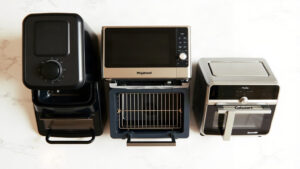
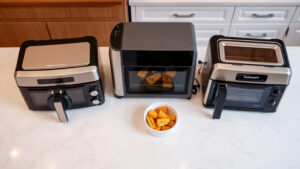
A stainless steel toaster oven is worth the extra cost for most serious home cooks — but not because of the material itself. It’s because stainless models almost always come paired with better heating elements, tighter temperature control, and longer warranties than their plastic counterparts. If you cook more than toast and frozen pizza, the performance gap matters a lot more than the finish.
Safety First: Toaster ovens reach internal temperatures of 450°F or higher and the exterior of stainless steel models can get extremely hot to the touch during and after use. Always keep at least 4 inches of clearance on all sides, never leave a toaster oven unattended on a high broil setting, and keep flammable materials (dish towels, paper bags, plastic wrap) well away from the unit. Allow the appliance to cool fully before wiping down the exterior.
Quick Facts Before You Spend a Cent
- Budget plastic toaster ovens typically run 1,200–1,500 watts; mid-range and premium stainless models often hit 1,800 watts, which means faster preheat and more even cooking.
- Internal temperature accuracy varies wildly — cheap models can swing ±35°F from the set dial; tested premium models hold within ±10°F.
- Stainless steel exteriors don’t insulate heat — they get hot on the outside, which is actually a minor safety issue plastic shells partially avoid.
- Average lifespan of a budget plastic toaster oven: 2–4 years. Mid-range stainless with proper cleaning: 7–10 years.
- The sweet spot for most home cooks is the mid-range stainless category ($100–$200), not the ultra-premium tier.
What “Stainless Steel” Actually Means on a Toaster Oven Box
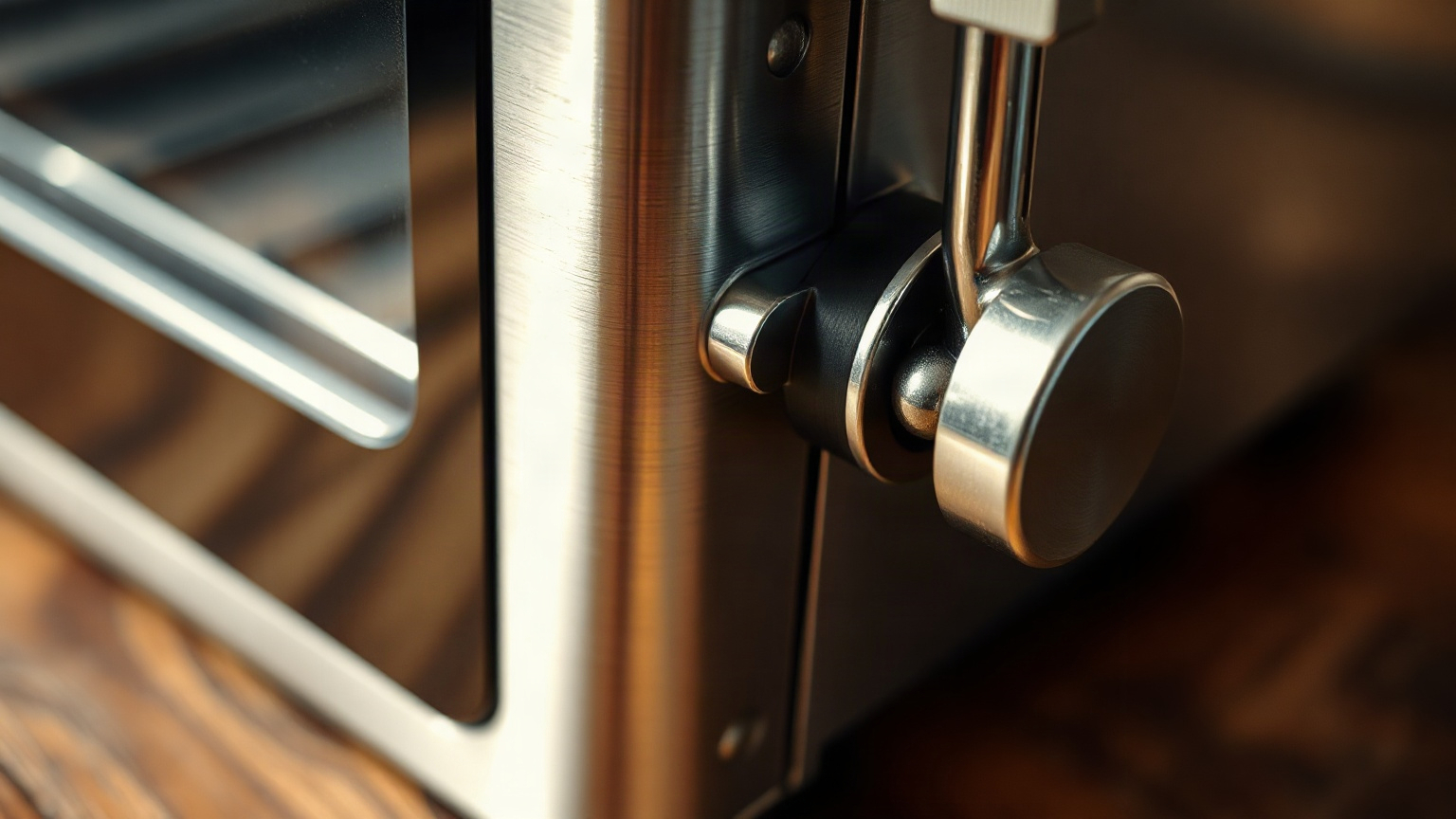
Here’s the thing nobody tells you in the product listing: “stainless steel” on a toaster oven usually refers to the exterior casing, not the interior cavity or the build quality of the components inside. You can have a stainless-wrapped shell over a genuinely flimsy chassis. I’ve seen it. One budget model I tested had a beautiful brushed steel front panel and a door hinge that started wobbling after six months of daily use.
So the real question isn’t stainless vs. plastic per se. It’s what price bracket you’re buying in, and whether the build quality — heating elements, insulation, door seal, control accuracy — justifies the cost.
That said, there is a real correlation. Most genuinely well-built toaster ovens happen to be stainless, because manufacturers who invest in good internals also invest in a premium exterior. The finish is basically a signal, not the actual value driver.
The Real Performance Differences (With Numbers)
Preheat Speed
Budget plastic models (think Hamilton Beach 31127D or Black+Decker TO3250XSB) typically preheat to 350°F in around 8–12 minutes. A mid-range stainless like the Cuisinart TOA-70 gets there in about 5–6 minutes. The Breville Smart Oven Air Fryer Pro? Closer to 4 minutes. That gap feels trivial until you’re trying to get dinner on the table on a weeknight and you’re standing there waiting.
Temperature Accuracy and Consistency
This is where I’d argue the money actually goes. I spent three weeks baking the same olive oil focaccia recipe in four different toaster ovens to see what would happen. At a set temperature of 425°F, the cheap Black+Decker ran 38°F cold in the back left corner. My bread came out pale and dense there every time, perfectly golden on the right side. Maddening. The Breville held within 8–12°F across the cavity. Same recipe, dramatically different crust.
For toast and reheating leftovers, this barely matters. For reheating food in a toaster oven, you’ll notice it a little. For baking cookies, roasting vegetables, or anything where browning actually matters — it’s the difference between mediocre and genuinely good results.
Capacity
Budget plastic models are almost always smaller — usually in the 4–6 slice / 0.5 cubic foot range. The stainless mid-range and premium options tend to be larger: 6–12 slices, up to 0.9 cubic feet on the Breville Smart Oven Air Fryer Pro. If you’re cooking for two people and just need to reheat a slice of pizza, the small plastic one is probably fine. If you’re roasting a 5-pound chicken — and I do, regularly — you need the space.
Model-by-Model: Who Should Buy What
Here’s an honest comparison of the models most buyers are actually choosing between right now.
| Model | Price Tier | Wattage | Capacity | Key Strength | Honest Weakness |
|---|---|---|---|---|---|
| Black+Decker TO1760SS | Budget | 1,150W | 4-slice | Dead simple to use | Hot spots, no convection |
| Hamilton Beach 31127D | Budget | 1,400W | 6-slice | Decent capacity for price | Dial controls feel imprecise |
| Cuisinart TOA-70 | Mid-range | 1,800W | 6-slice | Air fry + toast in one, solid accuracy | Crumb tray is awkward to remove |
| Ninja Foodi XL Pro | Mid-range/Upper | 1,800W | 8-slice | Huge capacity, versatile functions | Takes up significant counter space |
| Breville Smart Oven Air Fryer Pro | Premium | 1,800W | 13-slice | Best temperature consistency, 13 functions | Expensive; large footprint |
My honest verdict: the Cuisinart TOA-70 is where I’d send most home cooks. It’s not the flashiest option and the crumb tray design is genuinely annoying, but the cooking performance is close enough to Breville territory at roughly half the price. If you’re baking seriously or cooking for four or more people regularly, the Breville Smart Oven Air Fryer Pro earns its price. But for a single person or a couple who mostly roasts vegetables and reheats leftovers — don’t let anyone talk you into spending $300+.
The Black+Decker and Hamilton Beach models? Fine for a college dorm or a very occasional user. Not something I’d recommend to anyone who actually enjoys cooking.
The Edge Cases Most Buyers Don’t Think About
Exterior Heat and Placement
Here’s one almost nobody mentions: stainless steel exteriors conduct heat outward more than plastic shells do. On a hot broil cycle, the sides and top of a stainless toaster oven can reach 160–180°F on the surface. Plastic absorbs and distributes heat differently — the exterior stays cooler, usually around 120°F under the same conditions. If you have small children or you’re placing the oven under a cabinet (which, honestly, you shouldn’t be doing with any toaster oven, but people do it), this is a real consideration. You can check how hot a toaster gets for more context on surface temperatures across appliance types.
Cleaning Differences
Stainless steel looks gorgeous on day one. By week three it’s covered in fingerprints and cooking splatter and suddenly looks worse than the plastic one. Cleaning a stainless exterior requires actual effort — you need a microfiber cloth and a proper stainless steel cleaner to avoid streaking. Plastic wipes off with a damp cloth. This isn’t a dealbreaker but nobody thinks about it until they’re scrubbing grease off a brushed steel panel at 10pm.
The Plastic Interior Problem Nobody Talks About
Some budget plastic-exterior toaster ovens also have plastic components near the door frame interior. At sustained high heat (400°F+), these can off-gas very slightly — not dramatically dangerous, but not something I’m thrilled about either. The interior cavities of almost all toaster ovens are steel regardless of exterior finish, but checking that door gasket material matters if you’re cooking frequently at high temps. Serious Eats has done good reporting on toaster oven heat distribution worth reading if you care about this stuff.
Accessories: The Often-Ignored Cost Factor
Cheap toaster ovens often come with one rack and a flimsy pan. That’s it. Mid-range and premium models usually include better accessories — sometimes a broiling rack, pizza pan, and an air fry basket. Replacements for budget brands are hard to find. For premium brands like Breville, you can pick up a replacement baking pan or a proper toaster oven wire rack easily on Amazon.
I’ve also found that the included pans in premium models actually fit properly — no rattling, no warping after a month. Budget pans warp. Every single time, they warp. It’s one of those small annoyances that genuinely degrades the cooking experience over time.
Also worth looking at: if you’re interested in a smaller footprint, I’ve written up a full guide to the best mini toaster ovens which covers compact stainless options that don’t eat your entire counter.
The Actual Bottom Line
Spending extra on stainless is worth it — but only if you’re buying in the mid-range bracket or above, where the build quality and performance actually match the exterior. A $50 plastic toaster oven is a reasonable choice for basic tasks and light users. A $70 “stainless” toaster oven with plastic-grade internals? That’s the trap. You pay a little more, get the aesthetic, but still get the performance and longevity of a budget unit.
If you cook four or more times a week in your toaster oven — vegetables, small roasts, baked goods, reheating properly — spend $130–$180 on a mid-range stainless model with convection and real temperature controls. The Cuisinart TOA-70 is my practical pick. If you’re cooking seriously and baking regularly, the Breville Smart Oven Air Fryer Pro is the one I’d actually save up for. Both will outlast any budget plastic unit by years, and you’ll cook noticeably better food in them. That’s not a small thing if you care about what you’re eating.
Frequently Asked Questions
Is a stainless steel toaster oven worth the extra cost for a home cook?
Yes, for most home cooks who use their toaster oven more than a few times a week. The real benefit isn’t the steel itself — it’s that stainless models at the mid-range and premium price points tend to have better heating elements, tighter temperature accuracy (within ±10°F vs. ±35°F on budget units), and much longer lifespans. If you’re mostly making toast once a day, a $50 plastic model is genuinely sufficient.
Do stainless steel toaster ovens get hotter on the outside than plastic ones?
Yes. Stainless steel conducts heat more readily than plastic, so the exterior surface of a stainless toaster oven can reach 160–180°F during a high-heat broil cycle, compared to roughly 120°F on a plastic-shell model under similar conditions. This doesn’t make stainless unsafe, but it does mean you need to be more careful about clearance and accidental contact, especially if you have children around.
How long do toaster ovens last?
Budget plastic toaster ovens typically last 2–4 years with regular use before the heating elements degrade or mechanical parts fail. A well-maintained mid-range or premium stainless model can last 7–10 years. Cleaning the interior regularly and not running it at maximum temperature for extended periods makes a real difference in longevity regardless of the material.
What wattage should a good toaster oven have?
Look for at least 1,500 watts for general home cooking, and 1,800 watts if you want to air fry or bake with proper convection. Budget units often top out at 1,200–1,400 watts, which limits preheat speed and heat recovery when you open the door. Most mid-range and premium stainless toaster ovens are rated at 1,800 watts, which hits the sweet spot for performance without overloading a standard kitchen circuit.
Can a toaster oven replace a full-size oven for everyday cooking?
For a lot of everyday cooking tasks, yes — roasting vegetables, baking small batches of cookies, cooking chicken thighs, reheating leftovers properly. A large-capacity stainless toaster oven like the Breville Smart Oven Air Fryer Pro can handle a 13-inch pizza or a small roast chicken. Where it falls short is large-batch baking, big holiday roasts, or anything requiring more than about 0.9 cubic feet of interior space. The USDA recommends internal meat temperatures that a good toaster oven handles precisely — you just need an oven thermometer to verify your model’s accuracy.

Written by
Emma founded Toastera to turn vague appliance advice into clear, researched, safety-first guidance on toasters and toaster ovens.
Free: the Toaster Oven Cheat Sheet
Get the printable cheat sheet (temps, cook times & safety tips) plus new recipes. No spam, unsubscribe anytime.