For a toaster oven salmon fillet, cook at 400°F for 10 to 13 minutes depending on thickness — a 1-inch fillet hits the USDA-safe internal temp of 145°F right around the 11-minute mark in most countertop ovens. Toaster ovens run hotter and faster than full-size ovens because the heating elements sit closer to the food, so times from standard oven recipes will overcook your fish. Pull it at 125–130°F if you want that silkier, restaurant-style texture rather than the fully-cooked-through version.
Safety First: Toaster oven heating elements get extremely hot and the interior walls retain heat for several minutes after cooking. Use oven mitts every time you reach inside — the rack and pan will be dangerously hot even if the oven has been off for a few minutes. Never leave a toaster oven unattended while cooking fish or anything with oil drippings, as fat can smoke or ignite near exposed heating elements. Keep the crumb tray clean and place a foil-lined pan under the fish to catch drips.
Quick Facts: Toaster Oven Salmon at a Glance
- Temperature: 400°F is the sweet spot for most fillets — crispy exterior, moist center
- Time: 10–13 minutes for a 1-inch-thick fillet; 7–9 minutes for thinner pieces around ¾ inch
- Safe internal temp: 145°F per USDA; pull at 125–130°F for a softer, slightly translucent center if you prefer
- Toaster ovens cook faster than full-size ovens — reduce any standard recipe time by roughly 20–25%
- Skin-side down on a lightly oiled pan gives you the best result with the least sticking
I’ve made salmon in my toaster oven more times than I can count at this point. It started because my full-size oven was taking forever to preheat for one measly fillet, and now I basically never go back. But it took me a few tries to stop drying it out — and the fix was annoyingly simple once I figured it out.
The Right Temperature for Toaster Oven Salmon
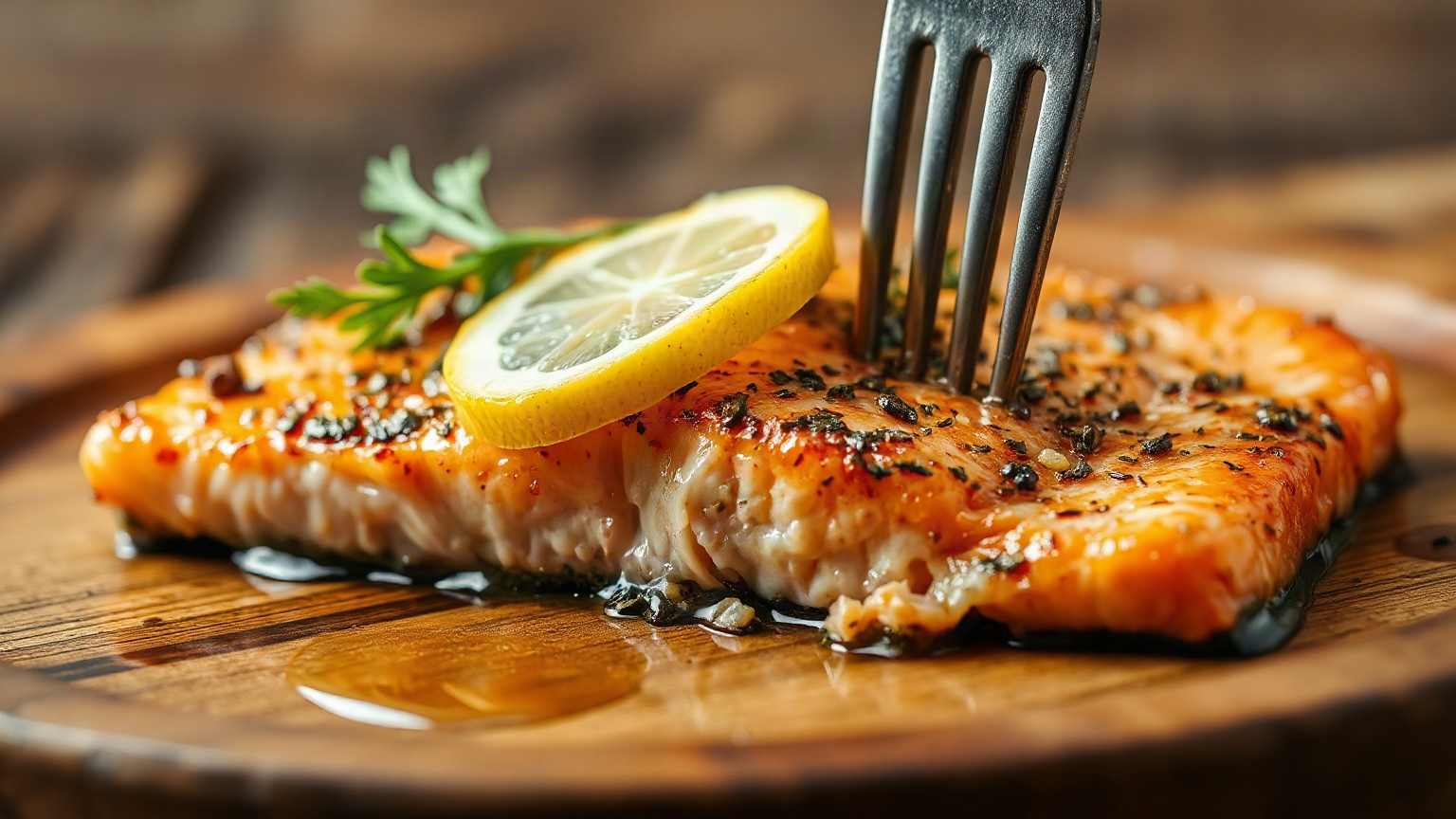
400°F. That’s my answer, and I’m sticking with it. I’ve tested 375°F and 425°F too, and here’s what actually happens at each one.
| Oven Temp | Cook Time (1-inch fillet) | Result | Best For |
|---|---|---|---|
| 350°F | 18–22 min | Moist but no color, can get rubbery if you go long | Very thick fillets (1.5″+), gentle cooking |
| 375°F | 14–17 min | Good moisture, light browning | Frozen-then-thawed fish, skin-on fillets |
| 400°F | 10–13 min | Flaky, slightly caramelized edges, juicy center | Most everyday fillets — the go-to |
| 425°F | 8–10 min | Faster, crispier top, higher risk of drying out thin spots | Thick center-cut fillets only, watch closely |
The reason 425°F gets tricky in a toaster oven specifically is that the heating element is only a few inches away from the fish surface. In a full-size oven, that temperature is totally normal for salmon — but the radiant heat hits differently in a compact cavity. I scorched the thin tail end of a fillet badly at 425°F before I understood this. The thick center was perfect and the last two inches were chalky and dry. Not great.
400°F gives you enough heat for good texture without that uneven cooking problem. For thinner tail pieces or smaller fillets under ¾ inch, drop to 375°F and check at the 8-minute mark.
Exact Cook Times by Fillet Thickness
Thickness matters way more than weight here. A 6-ounce fillet that’s wide and flat cooks faster than a 4-ounce chunk that’s thick and compact. Measure at the thickest point — that’s your guide.
Standard 1-Inch Fillet (Most Common Supermarket Cut)
At 400°F in a preheated toaster oven: 10 to 13 minutes. Start checking at 10. The fish is done when it flakes easily with a fork at the thickest part, or when an instant-read thermometer reads 125°F (my preference) to 145°F (fully safe per the USDA food safety guidelines).
Thin Fillets Under ¾ Inch
These go fast. 375°F, 7 to 9 minutes. Don’t walk away. Thin pieces from the tail end of a salmon can go from perfect to overcooked in under 90 seconds in a hot toaster oven. I usually set a timer for 7 minutes and just stand there like an anxious parent for the last couple minutes.
Thick Center-Cut Fillets (1.25 to 1.5 Inches)
400°F for 13–16 minutes, or bump to 425°F and check at 11 minutes. The thicker the fillet, the more you need to trust your thermometer rather than time. A thermometer is honestly non-negotiable once you’re dealing with anything over 1.25 inches — the outside looks done way before the center is.
Setup: What You Actually Need Before You Start
You don’t need much. But a few things matter.
A good pan. Use a small rimmed baking sheet or toaster oven-specific tray — something with shallow sides so air circulates but drips don’t hit the element. I use a toaster oven baking pan lined with foil. Easy cleanup and no fishy smell lingering in my oven for three days.
A rack, optionally. If you want the skin to crisp up on both sides (or if you’re doing skinless and want air circulation under the fillet), a toaster oven wire rack set over the pan works well. Personally I skip it for skin-on salmon — the skin acts as its own barrier and I find direct pan contact gives it a nicer texture.
Preheat fully. This is probably the step people skip most. Toaster ovens can take 5–8 minutes to fully preheat, and if you put cold fish on a cold rack, your timing is completely off. Some models have a preheat indicator light. If yours doesn’t, just set it to your target temp and wait 6 minutes before the fish goes in.
Pat the fish dry. Surface moisture is the enemy of browning. A quick press with paper towels before seasoning makes a noticeable difference on the exterior texture. Small step, real payoff.
Seasoning — Keep It Simple or Don’t
Salt, pepper, olive oil, lemon. That’s the baseline and it’s genuinely hard to beat. I often add a thin layer of Dijon mustard before cooking — it creates this savory crust that sticks to the fish and doesn’t burn at 400°F the way a sugar-heavy glaze might. Garlic powder works too; fresh garlic tends to burn before the fish is done, so either add it after or use powder.
For a more involved preparation, Serious Eats has a detailed breakdown of salmon cooking methods that’s worth reading if you want to get into the technique weeds.
What Most People Get Wrong (The Actual Mistakes)
These are the things that tripped me up and that I see consistently when people complain about dry toaster oven salmon.
Using Full-Size Oven Times
Standard recipes say 400°F for 15–20 minutes in a regular oven. Do that in a toaster oven and you’ll have salmon jerky. The smaller cavity heats up faster, the elements are closer, and the temperature recovery after opening the door is quicker. Cut the time by 20–25% and check early. Always.
Cooking Straight from the Fridge
Cold fish straight from the refrigerator cooks unevenly — the outside edges overcook while the center is still catching up. Let the fillet sit at room temp for 10–15 minutes before it goes in. Not longer than 30 minutes, but that short rest helps a lot.
Not Accounting for Carryover Cooking
Pull the fish 2–3 degrees before your target. It’ll keep cooking for a minute or two after it’s out of the oven. I’ve hit 125°F on the thermometer, let it rest on the pan for two minutes, and ended up at exactly 130°F. Perfect. If I’d waited until 130°F in the oven it would’ve been 135°F on the plate — still fine, but slightly less silky than I wanted.
The Edge Case Nobody Mentions: Toaster Oven Hot Spots
This is the one the other articles miss. Toaster ovens often have a hot spot — usually near the rear element or directly under the top broil element. If your fillet is long and runs toward the back of the oven, the rear end will be done before the front. Rotate the pan 180 degrees at the halfway point. Takes three seconds and evens out the cook significantly. I figured this out after noticing one side of my salmon was consistently more cooked than the other, and it was baffling until I checked where my oven’s elements are positioned.
This is also worth keeping in mind if you’re using a smaller unit — check our guide to the best mini toaster ovens if you’re not sure your oven is up to the task, since some really compact models struggle to maintain even temps at 400°F.
Frozen Salmon in a Toaster Oven
Yes, you can cook salmon from frozen in a toaster oven. It just takes longer and needs a slightly different approach. Here’s what works:
- Preheat to 400°F
- Rinse the fillet under cold water for 1–2 minutes to remove ice crystals
- Pat dry, season, and place on your prepared pan
- Cook for 15–18 minutes depending on thickness, flipping once at 10 minutes
- Always verify with a thermometer — 145°F minimum from frozen
The texture isn’t quite the same as fresh, but it’s honestly fine for a weeknight. I’d skip the Dijon crust for frozen since the surface tends to stay wetter and it won’t set the same way. Plain seasoning and a squeeze of lemon after is the move.
Wrapping Up
Salmon in a toaster oven is genuinely one of the best quick-dinner moves out there. Fast, mostly hands-off, and when you get the temp and time right, the texture is excellent — sometimes better than a full oven because of how efficiently the smaller space heats up. 400°F for 10–13 minutes at 1 inch thick, preheat fully, pat the fish dry, rotate halfway through, and pull it a few degrees early. That’s really most of it.
If you’re reheating leftover salmon the next day, that’s a whole different situation — check out the guide to reheating food in a toaster oven so you don’t accidentally cook it twice. And if you want to know more about how toaster ovens manage heat compared to standard ovens, the breakdown of how hot a toaster gets is a good read.
Frequently Asked Questions
What temperature should I cook salmon in a toaster oven?
400°F is the best all-purpose temperature for toaster oven salmon. It’s hot enough to give you some color and a flaky texture without drying out the thinner edges the way 425°F can in a compact oven. If your fillet is on the thin side (under ¾ inch), drop to 375°F and start checking at 7 minutes.
How long to cook salmon fillet in a toaster oven?
At 400°F, a 1-inch-thick salmon fillet takes 10 to 13 minutes. Thinner fillets under ¾ inch need 7 to 9 minutes at 375°F, and thicker center-cut pieces over 1.25 inches may need up to 16 minutes. Use an instant-read thermometer — it removes all the guesswork.
What internal temperature should salmon reach in a toaster oven?
The USDA recommends 145°F as the safe minimum internal temperature for fish. Many home cooks and chefs pull salmon at 125–130°F for a silkier, more tender result — the fish will be opaque throughout but slightly translucent at the very center. For children, pregnant people, or anyone immunocompromised, stick with 145°F.
Should I use foil when cooking salmon in a toaster oven?
Foil is optional but useful for two reasons: easy cleanup and preventing the fish from sticking. Line your pan with foil and lightly oil it, then place the salmon skin-side down. Don’t wrap the fish in foil unless you want it to steam — an open pan gives you better surface browning and texture.
Can I cook frozen salmon in a toaster oven?
Yes. Rinse the frozen fillet briefly under cold water, pat it dry, season it, and cook at 400°F for 15 to 18 minutes, flipping once around the 10-minute mark. Always use a thermometer and confirm it reaches at least 145°F internal before eating — the cooking time varies more with frozen fish than fresh.

Written by
Emma is a home cook who loves coaxing big flavor out of a toaster oven — from crispy roasted vegetables to easy weeknight dinners and sweet treats. She develops and tests Toastera's recipes for small-appliance kitchens.
Free: the Toaster Oven Cheat Sheet
Get the printable cheat sheet (temps, cook times & safety tips) plus new recipes. No spam, unsubscribe anytime.