The toaster oven wins the crispiness contest by a wide margin. It uses dry, radiant heat that actually re-crisps the crust, while a microwave blasts moisture into the bread and turns it rubbery within minutes. If you have even seven minutes to spare, the toaster oven will give you a slice that tastes like it came from the box fresh — the microwave will give you something you’ll eat standing over the sink, slightly disappointed.
Safety First: Toaster ovens run at temperatures up to 450°F and their outer surfaces, racks, and pans get dangerously hot. Always use oven mitts when removing food or the rack, never line the bottom tray with foil unless your manual specifically allows it (it can cause overheating), and keep the toaster oven at least four inches from walls or cabinets while in use.
Quick Takeaways
- A toaster oven set to 375°F produces a crispy crust and fully melted cheese in about 6–8 minutes — far better results than a microwave.
- Microwaves heat by exciting water molecules, which steams the crust from the inside and makes it soft and chewy within 60–90 seconds of reheating.
- Placing pizza directly on the toaster oven rack (no pan) gets you the crispiest bottom; a pan gives you crispier-than-microwave results with less mess.
- For thick-crust or deep-dish pizza, the toaster oven is even more of a necessity — microwave results are genuinely bad on thick slices.
- The only scenario where the microwave wins: you’re heating a single slice and genuinely don’t care about texture at all.
Why the Microwave Makes Pizza Soggy (The Physics Is Simple)
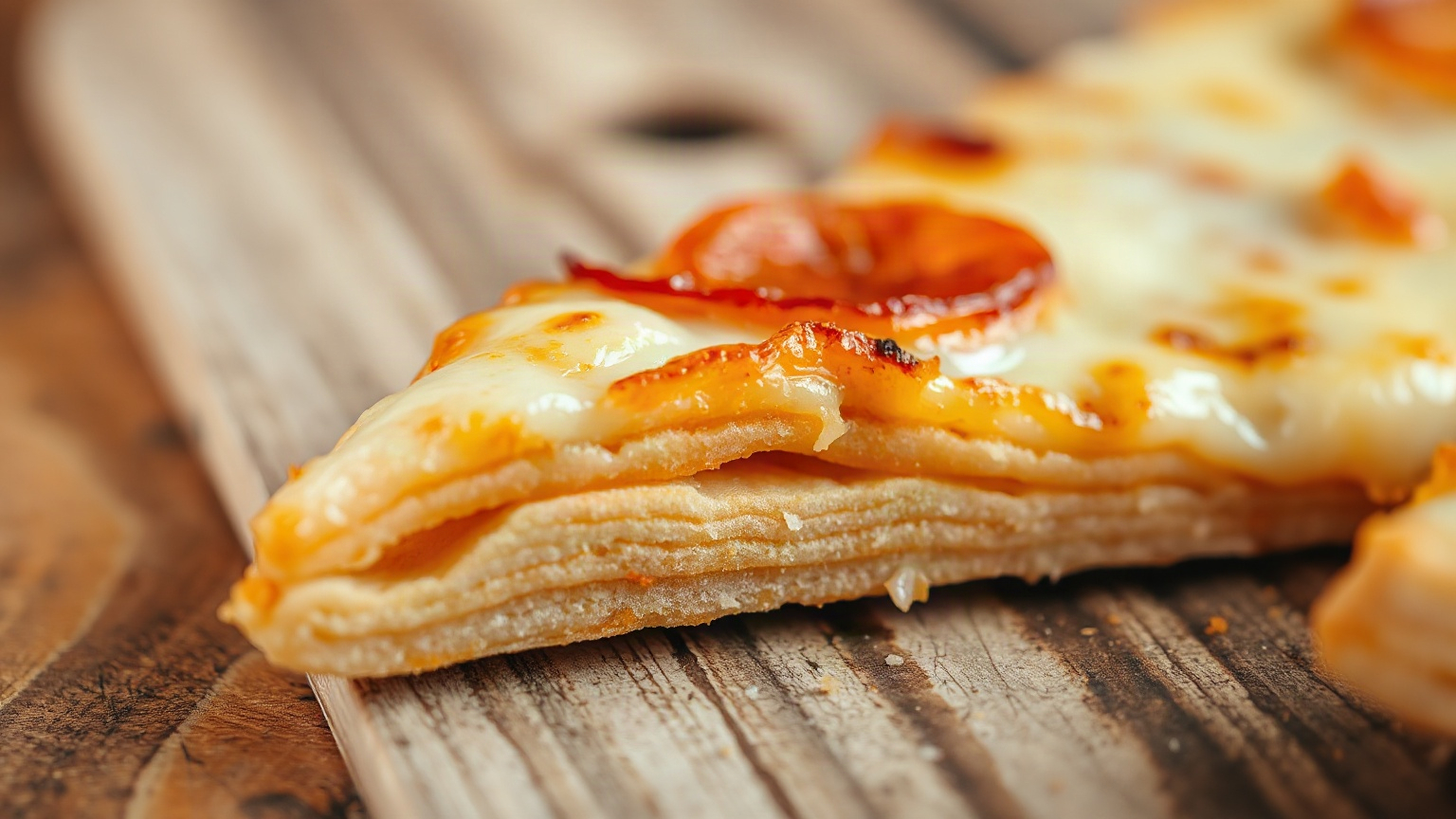
Microwave ovens work by agitating water molecules inside your food. That’s great for soup. For pizza crust, it’s a disaster. The bread in the crust holds moisture, and when that moisture gets excited and turns to steam, it has nowhere to go but into the structure of the dough itself. What you get is a crust that’s soft — sometimes almost gummy — with cheese that’s hot on top but weirdly cool underneath in patches.
I’ve tried the paper towel trick (placing a damp paper towel over the slice to “regulate” moisture). It helps a tiny bit with cheese meltiness but does absolutely nothing for the crust. I’ve seen people swear by the “cup of water in the microwave” method too. Marginally better. Still not crispy. Still not worth it when a toaster oven exists on the same counter.
The reheating time comparison matters here too. A microwave reheats a single slice in about 45–90 seconds. Fast, yes. But speed doesn’t matter if the output is mediocre. That said, if your power goes out, your toaster oven is on the fritz, or you’re eating pizza at 2am in a hotel room with only a microwave, there are ways to minimize the damage — more on that below.
How the Toaster Oven Actually Reheats Pizza
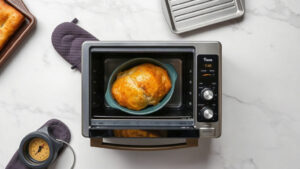
A toaster oven uses heating elements — usually nichrome wire or quartz — that radiate dry heat throughout a small enclosed space. That dry heat is exactly what pizza crust needs. It draws moisture out rather than pushing it in, which means the bottom of the crust re-crisps, the cheese melts evenly, and the whole slice comes back to something resembling its original state. For more background on how these elements work, our guide on reheating food in a toaster oven covers the basics well.
The first time I reheated pizza in a toaster oven, I put it straight on the crumb tray. Wrong move. The tray is flat metal and it doesn’t let heat circulate under the crust. The bottom was warm but not crispy. Now I either use a toaster oven wire rack directly, or I preheat a small toaster oven baking pan first so the bottom of the slice hits a hot surface the moment it goes in. Both methods work. The rack gives you a slightly crispier result; the pan is easier if you hate cleaning melted cheese off wire.
The Exact Settings I Use
For a standard thin or medium-crust slice: 375°F, bake mode (not broil), rack in the middle position, 6–8 minutes. No preheat needed if you’re in a hurry, but preheating for 3–4 minutes gives you a noticeably better bottom crust. You’ll know it’s done when the cheese starts to bubble slightly at the edges and the crust underneath sounds hollow if you tap it lightly — yes, I actually do this. It works.
For thick-crust or deep-dish: bump the time to 10–12 minutes at the same temperature, and consider covering loosely with foil for the first 5 minutes so the toppings don’t dry out before the dough is heated through. Then remove the foil for the last few minutes to re-crisp everything.
For frozen pizza reheated in a toaster oven — a slightly different animal — check out what Serious Eats recommends for temperature staging on frozen pies. Their testing backs up the two-stage approach for denser crusts.
Head-to-Head: Toaster Oven vs Microwave Comparison
| Factor | Toaster Oven | Microwave |
|---|---|---|
| Crust texture | Crispy, close to fresh | Soft, often rubbery |
| Cheese melt | Even, slightly browned | Uneven, can get rubbery |
| Reheating time (1-2 slices) | 6–8 minutes | 45–90 seconds |
| Max slices at once | 3–4 slices | 1–2 slices (limited by size) |
| Energy use | ~1,200–1,800 watts | ~600–1,200 watts |
| Best for thick crust | Yes | No — results are poor |
| Results on thin crust | Excellent | Tolerable at best |
| Requires attention | Minimal | Very minimal |
The Edge Cases Nobody Talks About
Most articles stop at “toaster oven wins.” But there are a few scenarios worth actually thinking through.
Cold Pizza Straight From the Fridge
Cold pizza is denser and takes longer to heat evenly. A microwave handles the temperature gradient badly — the toppings get scorching hot while the crust stays cold in the middle. In the toaster oven, a cold slice benefits from an extra 2 minutes of cook time (so, 8–10 minutes at 375°F). Don’t skip preheating here if you can help it.
Stuffed Crust or Extra Cheese Pies
Stuffed crust is tricky in any appliance. In the microwave, the cheese inside becomes lava and the dough stays tough. In the toaster oven, you risk the filling bursting and dripping onto your heating element. The fix: start on a pan, not the rack, and lower the temperature to 350°F to give the crust time to warm through without explosive cheese. Not glamorous advice, but it works.
You Only Have a Microwave (Making It Work)
If a microwave is your only option, here’s the most effective method I’ve found: place the slice on a microwave-safe plate, put a ceramic mug filled with water next to it (not on top of the pizza — just beside it in the microwave). The water absorbs some of the excess microwave energy and prevents the cheese from overcooking while the crust is still cold. Heat on 60% power for 60–75 seconds. It’s not crispy. But it’s better than full-power reheating turns out every single time.
What About the Skillet Method?
A cast iron skillet on a stovetop is genuinely competitive with the toaster oven for crispiness — and some people prefer it. You heat the skillet over medium heat, put the slice in with no oil, cover loosely for 2 minutes, then uncover for another minute. The bottom crisps up beautifully. I’d put it slightly behind the toaster oven for cheese meltiness (the heat doesn’t come from above), but it’s a real alternative if you don’t own a toaster oven yet. Our picks for best mini toaster ovens start at genuinely affordable price points if you’re considering making the switch.
Which Toaster Oven Models Are Actually Worth Using for Pizza
Not all toaster ovens reheat pizza equally. A tiny 4-slice toaster oven with a single heating element at the top will dry out your pizza before the crust gets crispy. Here’s how some popular models actually compare for this specific use case:
| Model | Price Tier | Capacity | Best Feature for Pizza | Verdict |
|---|---|---|---|---|
| Breville Smart Oven Air Fryer | Premium | 6-slice / 13″ pizza | Element IQ, precise temp control | Best results, worth the price if you reheat often |
| Cuisinart TOA-70 | Mid-range | 6-slice / 12″ pizza | Air fry mode adds extra crispiness | Great value; air fry mode is excellent for thin crust |
| Ninja Foodi XL Pro | Mid-range | XL capacity | Rapid crisp technology | Solid for families reheating multiple slices at once |
| Hamilton Beach 31127D | Budget | 4-slice | Compact, simple controls | Fine for 1–2 slices; skip if you want consistent browning |
My honest pick for most people: the Cuisinart TOA-70. The air fry mode on thin-crust pizza is genuinely impressive — crispier than standard bake mode — and it fits a 12-inch pie if you ever want to reheat a whole pizza rather than individual slices. The Breville is better, but it’s also nearly double the price, and I think most people won’t notice the difference on day-old Domino’s.
You can also check Food Network’s kitchen equipment testing for independent reviews of toaster oven brands — they do hands-on testing that’s worth reading before you spend money.
The Verdict
Toaster oven. Every time. The microwave is fast, but fast and bad isn’t better than slightly slower and genuinely good. At 375°F for 6–8 minutes, a toaster oven brings leftover pizza back to life in a way a microwave simply can’t replicate, no matter what trick you use.
The one caveat I’ll give: if you only have one slice and you’re absolutely famished, the microwave at 60% power with that mug-of-water trick is tolerable. But if you have four minutes to spare and a toaster oven on your counter, there’s no debate. Use it. You’ll be glad you did.
If you’re curious about how temperatures vary across different countertop appliances, our breakdown of how hot a toaster gets puts the numbers in context and helps explain why dry radiant heat beats microwave energy for anything bread-based.
Frequently Asked Questions
Does reheating pizza in a toaster oven make it crispy?
Yes — a toaster oven at 375°F produces a noticeably crispy crust in 6–8 minutes, especially if you use the rack directly rather than a flat pan. The dry radiant heat draws moisture out of the crust instead of trapping it in, which is the key difference from microwave reheating. Preheating the toaster oven for 3–4 minutes before adding the slice improves results further.
Why does microwave-reheated pizza get rubbery?
Microwaves heat food by exciting water molecules, which turns internal moisture into steam. In pizza crust, that steam has nowhere to escape, so it softens the bread structure and makes it chewy or rubbery rather than crispy. The effect happens within 60–90 seconds, which is faster than you’d think. No microwave trick fully reverses this — it’s a physics problem, not a technique problem.
What temperature should I use to reheat pizza in a toaster oven?
375°F is the sweet spot for most pizza types — hot enough to re-crisp the crust and melt the cheese without drying out the toppings. For thick-crust or deep-dish, stay at 375°F but extend the time to 10–12 minutes, covering with foil for the first half to protect the toppings. Avoid temperatures above 400°F for reheating; the outside chars before the inside warms through.
How long does it take to reheat pizza in a toaster oven vs a microwave?
A microwave reheats one slice in 45–90 seconds; a toaster oven takes 6–8 minutes for one to two slices. The time difference is real, but the quality difference is also real — the toaster oven produces a dramatically better result. If you’re reheating three or four slices, the total time difference between methods narrows significantly because you can do them all at once in the toaster oven.
Can you reheat pizza in a toaster oven on the rack?
Yes, and it’s actually the best method for crispiness. Placing the slice directly on the wire rack allows heat to circulate under the crust, which crisps the bottom more effectively than any pan. The only downside is that dripping cheese can fall onto the heating element or crumb tray, so keep an eye on it and clean the tray afterward.

Written by
Emma founded Toastera to turn vague appliance advice into clear, researched, safety-first guidance on toasters and toaster ovens.
Free: the Toaster Oven Cheat Sheet
Get the printable cheat sheet (temps, cook times & safety tips) plus new recipes. No spam, unsubscribe anytime.