
A toaster oven reheats pizza to a genuinely crispy crust — a microwave does not. The toaster oven’s dry, radiant heat drives moisture out of the crust while re-crisping the bottom, whereas a microwave steams the slice from the inside out, leaving you with something soft, chewy, and slightly sad. If crispy crust is the goal, the toaster oven wins without much debate.
Safety First: Toaster ovens run extremely hot — most hit 400–450°F during pizza reheating. Never leave one unattended when cooking fatty, greasy toppings like pepperoni or sausage, as drippings on the heating element can ignite. Always pull the rack out fully before placing or removing food, and use dry oven mitts, not a damp towel. Keep the crumb tray clean to avoid grease fires.
Quick Facts: Toaster Oven vs Microwave for Pizza
- Toaster ovens reach 375–425°F for reheating pizza; that’s the temperature range where crust actually crisps rather than just warms.
- A typical microwave reheat takes 60–90 seconds but produces a soft, often rubbery crust — good for speed, not texture.
- Toaster oven reheating takes 6–10 minutes total (including preheat), which is a reasonable trade-off for significantly better results.
- Placing pizza directly on the wire rack in the toaster oven — not on a pan — produces the crispiest bottom crust.
- The microwave has one legitimate advantage: reheating multiple slices quickly when you genuinely don’t care about texture.
Why the Crust Goes Soft in the First Place
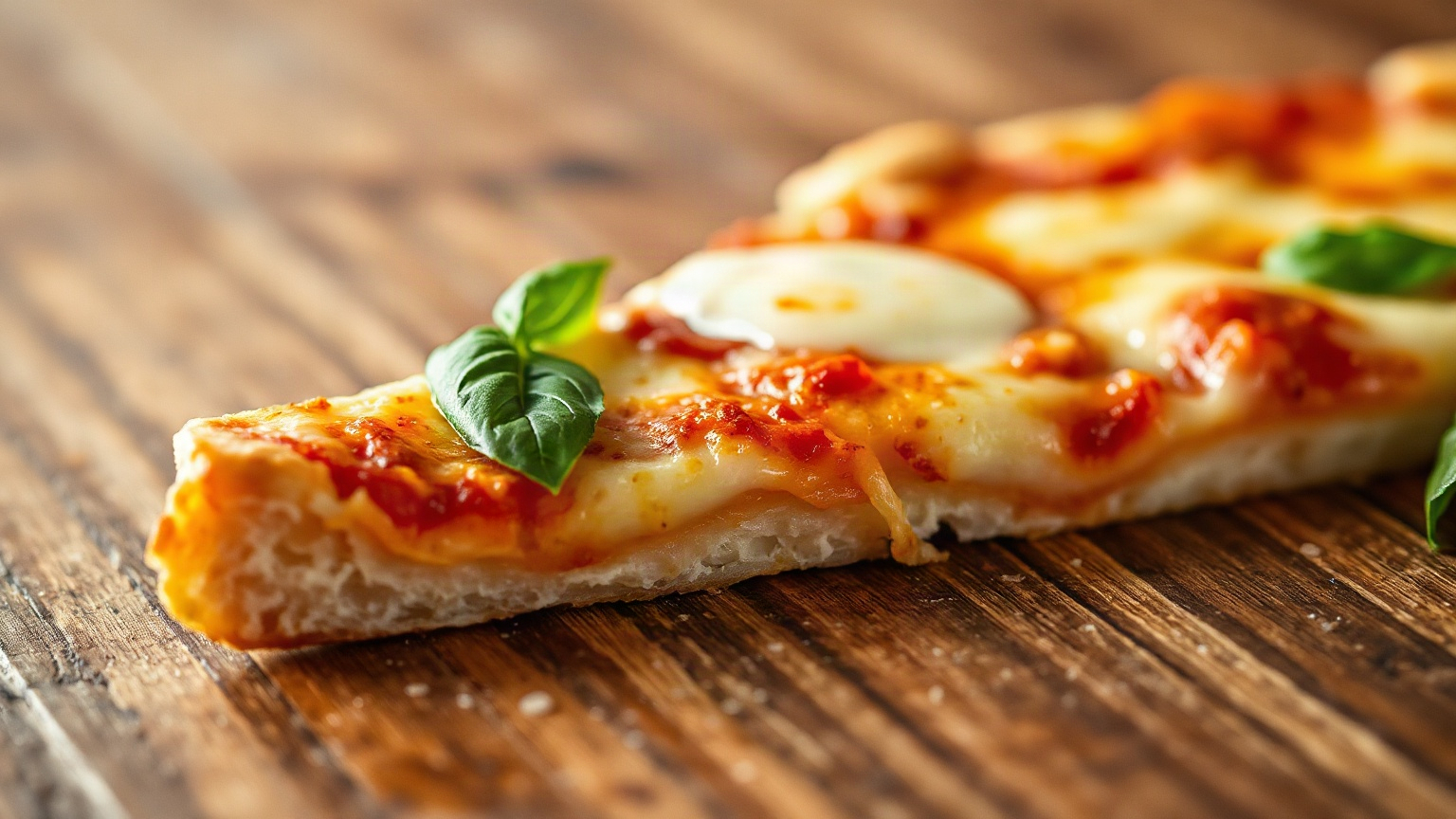
Cold pizza straight from the fridge has already lost most of its crispiness. The starch in the dough retrogrades overnight, and any moisture that was trapped in the cheese and sauce migrates into the crust. So you’re starting with a structurally compromised slice before you’ve even touched the reheating appliance.
What you need is dry heat — enough to evaporate that absorbed moisture and re-set the crust. That’s exactly what a toaster oven provides. A microwave uses electromagnetic radiation to excite water molecules, which means it heats the moisture rather than removing it. The result is steam generated from the inside of the slice, which softens the dough further instead of crisping it. Physics, unfortunately, is not on the microwave’s side here.
The Toaster Oven Method: Exactly How to Do It
I’ve reheated more leftover pizza than I’d like to admit. First time I tried it in my toaster oven, I put the slice on a foil-lined pan, set it to 350°F, and waited. The crust was better than microwaved, sure, but the bottom was still a little flabby. The problem was the pan trapping steam underneath. Took me an embarrassingly long time to figure that out.
The Right Setup
Here’s what actually works. Preheat the toaster oven to 400°F on the “bake” setting — not toast, not broil. Let it fully preheat, which on most countertop units takes 3–5 minutes. Place your cold pizza slice directly on the toaster oven wire rack, no pan, no foil. The rack lets hot air circulate under the crust and pulls moisture away instead of trapping it. Bake for 5–7 minutes. Check at 5 — thin crust slices will be done, thick or deep-dish slices may want the full 7.
The cheese should be bubbling slightly and the crust edge should have a light golden color. If you want the cheese more melted but you’re worried about over-crisping the bottom, lay a small sheet of foil loosely over the top for the last 2 minutes. Don’t seal it, just drape it. That’s a trick I use for thick slices with a lot of toppings.
What About the Convection Setting?
If your toaster oven has a convection fan, use it — but drop the temperature to 375°F. Convection circulates hot air constantly, which speeds up moisture evaporation and can over-brown the cheese faster than you’d expect. At 375°F with convection, a regular slice is done in 4–6 minutes. I actually prefer this method for thinner crusts. It’s faster and the bottom gets genuinely crispy rather than just “less soft.”
For more on getting the most out of this approach, check out our full guide on reheating food in a toaster oven — there are some useful tips in there for other leftovers too.
The Microwave Method: When It’s Actually Acceptable
Look, I’m not going to pretend you should never microwave pizza. Sometimes it’s 11pm, you’ve got two cold slices, and you need to eat them in the next four minutes. The microwave is there. Use it.
But if you’re going to microwave pizza, at least do it right. Place the slice on a microwave-safe plate. Put a small glass of water in the microwave alongside the plate — this sounds weird, but the water absorbs some of the excess microwave energy so the cheese doesn’t turn into a rubbery sheet quite as aggressively. Heat on 70% power for 45 seconds, check it, and add another 15–20 seconds if needed. Full power for 60 seconds is how you get that awful tough-cheese situation.
Texture will still be inferior. The crust will be soft. But at 70% power, the cheese stays closer to melted rather than scorched and the sauce doesn’t turn into lava. It’s an improvement on the standard microwave blast, if not a solution to its fundamental limitations.
Side-by-Side Comparison: Toaster Oven vs Microwave
| Factor | Toaster Oven | Microwave |
|---|---|---|
| Crust texture | Crispy, close to fresh | Soft, often rubbery |
| Cheese texture | Melted and slightly browned | Melted but can toughen quickly |
| Time (total) | 8–12 minutes (includes preheat) | 60–90 seconds |
| Temperature used | 375–425°F | No temp setting; typically ~1000W |
| Energy use | Moderate (1200–1800W, shorter run) | Lower per session at ~1000W |
| Best for | 1–4 slices when quality matters | Multiple slices when speed is everything |
| Worst result | Slightly over-browned edges if you forget it | Rubbery, steamed crust consistently |
Edge Cases That Most Guides Don’t Cover
Reheating Stuffed Crust or Deep-Dish Pizza
Stuffed crust and deep-dish are a different animal. The thick dough takes longer to heat through, and if you push the temperature too high to compensate, the cheese on top over-browns before the inside is warm. For these, I’d actually drop to 375°F, use a toaster oven baking pan rather than bare rack (the thick crust won’t fall through, and the pan conducts heat evenly to that dense dough), and allow 10–12 minutes. Cover loosely with foil for the first 7 minutes, then remove it to let the top crisp.
Microwaving stuffed crust is genuinely rough. The dough often turns gummy while the cheese filling gets weirdly stringy. It’s edible but just barely.
Cold Pizza Straight from the Fridge vs. Room Temperature
This actually matters more than people realize. A slice that’s been sitting out for 20–30 minutes before you reheat it will take about 1–2 minutes less in the toaster oven and will heat more evenly. Fridge-cold pizza (especially thick crust) can come out with a crispy exterior but a still-cool center if you’re not careful. If you’ve got the time, let it sit out while the toaster oven preheats. If you don’t — add a minute to your cooking time and check the center with a finger press before pulling it out.
Very Wet Toppings: White Pizza, Pesto, or Extra Sauce
Pizzas with a lot of moisture in the toppings — heavy ricotta, pesto base, or just a pool of sauce — give off more steam during reheating. In the microwave this makes the problem worse. In the toaster oven, it still tends to work out, but you may find the center of the crust stays softer than the edges. One thing that helps: pat the surface of the slice very gently with a paper towel before placing it in the oven. It sounds fussy, but it takes two seconds and removes a surprising amount of surface moisture. Serious Eats has good general notes on moisture control in their pizza reheating coverage, though their skillet method is a different approach entirely.