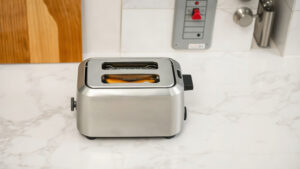
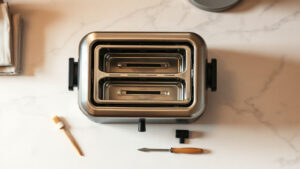
The microwave reheats rice faster, but the toaster oven wins if you want rice that actually tastes good again. Microwaves work by exciting water molecules, which can turn leftover rice into a steamy, unevenly heated blob — soft in some spots, still cold in the center. A toaster oven running at 300–325°F gives you more control, dries out that excess moisture, and can even give the bottom layer a slight crisp that makes day-old rice genuinely worth eating.
Safety First: When reheating rice in a toaster oven, use oven-safe bakeware only — no plastic wrap, no containers not rated for dry heat. Leftover rice can harbor Bacillus cereus bacteria; always reheat to an internal temperature of at least 165°F and don’t leave cooked rice sitting at room temperature for more than 2 hours before storing it. Burns from hot bakeware are a real risk — use oven mitts every time you pull the dish out.
Quick Facts
- Microwaves reheat a cup of rice in roughly 1–2 minutes; a toaster oven takes 12–18 minutes at 300–325°F.
- The toaster oven produces noticeably better texture — less gummy, more individual grains — especially with long-grain or jasmine rice.
- For food safety, rice must reach 165°F internally regardless of which appliance you use.
- Microwaves are the clear winner for weeknight speed; toaster ovens are the pick when you actually care how the rice comes out.
- Both methods require adding a small amount of moisture (water or broth) unless you want dry, chalky rice.
Why Leftover Rice Is So Hard to Reheat Well
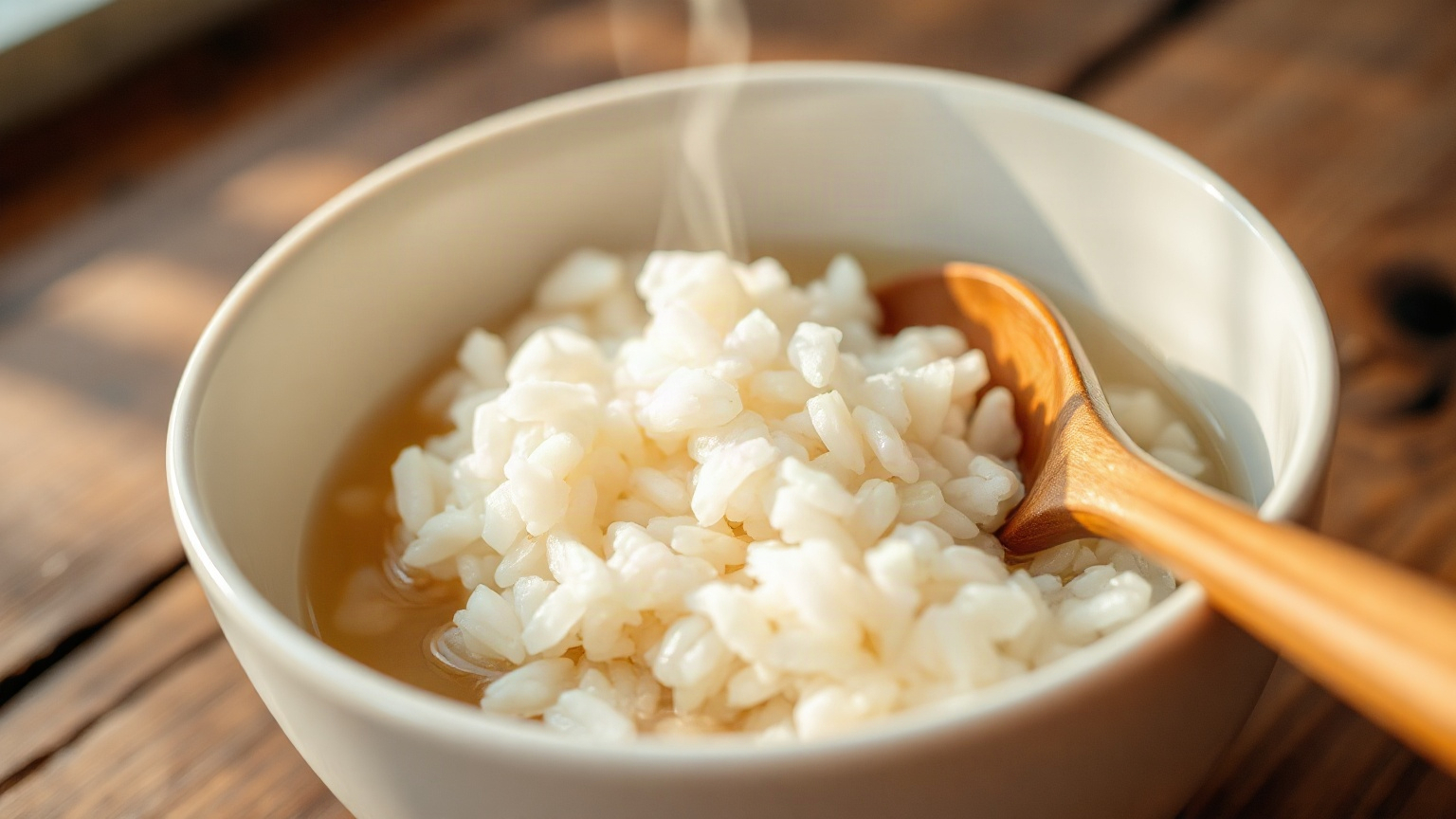
Cold rice is starchy, dense, and clingy. Overnight in the fridge, the starch molecules in cooked rice go through a process called retrogradation — basically they re-crystallize, which is why refrigerated rice feels firmer and clumps together. To reverse that, you need heat and a little moisture. The question is which appliance delivers that combination in the most useful way.
Here’s the thing most people don’t think about: the two appliances heat food in completely different ways. A microwave blasts electromagnetic waves that vibrate water molecules from the inside out. A toaster oven uses radiant heat from heating elements — the same principle as a full-size oven, just smaller and faster to preheat. That difference matters a lot for rice specifically, because rice is dense and doesn’t distribute microwave energy evenly.
Head-to-Head: How Each Method Actually Performs
The Microwave Method
Put a cup of cold rice in a microwave-safe bowl, sprinkle about a tablespoon of water over it, cover with a damp paper towel, and run it on medium power (60–70%) for about 90 seconds. That’s the standard advice. And honestly? It works fine. The rice is hot, it’s edible, you’re done in under two minutes.
But “edible” and “good” aren’t the same thing. The microwave tends to steam the rice unevenly — I’ve pulled out bowls where the edges are almost too hot to touch and the center is still cold. Running it at full power makes the outside rubbery. The texture is almost always softer and clumpier than freshly cooked rice, and if you overshoot even slightly, you end up with something weirdly mushy. Medium power helps, but it’s still finicky.
For short-grain rice like sushi rice or glutinous rice, the microwave is less terrible because those varieties are supposed to be sticky. But for jasmine, basmati, or long-grain white rice — where you want distinct, fluffy grains — the microwave is a compromise at best.
The Toaster Oven Method
I started reheating rice in my toaster oven almost by accident. I had it going for something else and just threw the leftover rice in. The result was better than anything I’d gotten from the microwave, and I’ve been doing it ever since.
The setup: spread the rice in a thin, even layer (no more than an inch deep) in an oven-safe dish — a small toaster oven baking pan or ceramic dish works well. Add about two tablespoons of water or chicken broth per cup of rice. Cover tightly with foil. Set the toaster oven to 300°F (or 325°F if your unit runs a bit cool — many do) and heat for 12–15 minutes. Pull back the foil for the last 3–4 minutes if you want any slight crisping on the bottom.
The results are genuinely different. The grains separate. The texture is closer to freshly steamed than anything the microwave produces. And if you let that bottom layer get a little color — not burnt, just lightly toasted — you get something almost like Persian tahdig, which is honestly a happy accident worth aiming for. Check out our full guide on reheating food in a toaster oven for more tips on getting temperatures right.
The downside is obvious: 15–18 minutes versus 90 seconds. You also have to remember to preheat. If you’re hungry right now, the toaster oven is not your friend.
Side-by-Side Comparison
| Factor | Microwave | Toaster Oven |
|---|---|---|
| Time to reheat 1 cup rice | 1–2 minutes | 12–18 minutes |
| Preheat required | No | Yes (~5 minutes) |
| Typical temperature used | N/A (uses wattage, ~1000–1200W) | 300–325°F |
| Texture result | Soft, sometimes gummy | Fluffy, slightly crisp possible |
| Even heating | Inconsistent, edge-heavy | More consistent with foil cover |
| Best rice type | Short-grain, sticky varieties | Long-grain, jasmine, basmati |
| Dishes to wash | One bowl | One pan + foil |
| Energy use | Lower (short burst) | Higher (longer run time) |
The Edge Cases Nobody Talks About
Reheating Fried Rice
This is where the toaster oven wins decisively and it’s not even close. Fried rice already has oil in it. A microwave turns it into a steamy, greasy mess — the oil heats unevenly, the egg bits get rubbery, and you lose all the wok-char flavor. In the toaster oven at 325°F, uncovered, for about 10–12 minutes (stirring once halfway), fried rice comes back with actual texture and a little of that roasty quality back. I’d honestly rather have leftover fried rice reheated this way than some restaurant orders I’ve gotten fresh.
Rice Dishes With Sauce or Broth
Congee, rice soup, arroz caldo, any kind of soupy rice dish — use the microwave. The moisture is already built in, the texture isn’t the point, and the microwave handles wet, liquid-rich dishes much better than a toaster oven would. Covering with foil in the toaster oven for a soupy dish just creates a sad, partially dried-out version of something that should be comforting.
Large Batches
Got a big container of meal-prepped rice? The toaster oven’s small interior works against you here. Most toaster ovens max out at a 9×13 pan, and even then the rice layer gets thick enough that it won’t heat evenly without a lot of stirring. For big batches, a stovetop with a lid and a splash of water is probably smarter than either appliance — but if it’s between the two, the microwave in multiple smaller rounds edges out a toaster oven struggling with volume.
If you’re regularly cooking for a group and using a toaster oven, our picks for the best mini toaster ovens might steer you toward a model with a larger interior capacity.
What Tripped Me Up the First Time (And What to Watch For)
My first attempt at toaster oven rice reheating was a disaster because I skipped the water and didn’t cover it. The rice dried out completely — almost like rice crispies but without the fun. Lesson learned: the foil cover and the added liquid aren’t optional. They’re doing the steaming work that would otherwise happen naturally in a pot.
Also, not all toaster ovens run at the temperature they claim. I’ve tested a few budget models that run 25–40°F hotter than the dial says. If your rice is coming out overdone on the outside and cold in the middle, that’s probably what’s happening. A cheap oven thermometer fixes this. See our notes on how hot a toaster gets for more on temperature accuracy.
For the microwave, the single biggest mistake is using full power. It’s too aggressive for rice. Medium (50–70%) gives the heat time to distribute. Also, the damp paper towel trick genuinely works — it creates a little steam environment inside the bowl. According to the FDA’s safe food handling guidelines, reheated leftovers should reach 165°F throughout — with rice, that means checking the center, not just the top.
One thing Serious Eats notes about reheating rice is that the water-to-rice ratio matters more than most people realize. Too little and the rice stays chalky; too much and it turns mushy. For the toaster oven method, I’ve settled on about 1.5 tablespoons of water per cup of rice as a reliable starting point for most long-grain varieties. If your rice was already a bit dry going in, bump it to 2 tablespoons.
If you want even more options for reheating without worrying about a microwave’s uneven heat, a toaster oven with a steam function is genuinely useful — Breville and Cuisinart both make models with steam or moisture injection that handle rice better than either a standard toaster oven or a microwave. Pricier, but it’s the kind of appliance that makes this whole debate moot.
The Verdict
Use the microwave when you’re in a hurry and you just need hot rice on the plate in the next two minutes. It does the job. Nobody’s going to argue with you.
But if you have 15 minutes and you care about what the rice actually tastes like — especially if it’s jasmine, basmati, or fried rice — the toaster oven is the better call, and it’s not particularly close. The texture difference is real and noticeable. Cover it with foil, add a splash of liquid, don’t skip the preheat, and pull the foil back at the end if you want that slight crust. That’s it.
For anyone doing this regularly, a good toaster oven wire rack with baking pan set makes the whole process easier — the pan holds the rice and liquid, the rack keeps air circulating. Small thing, but it helps. The microwave will always be faster. The toaster oven will almost always make better rice. Pick based on how much time you actually have.
Frequently Asked Questions
Is it safe to reheat rice in a toaster oven?
Yes, as long as you use oven-safe bakeware and bring the rice to an internal temperature of 165°F throughout. Rice can carry Bacillus cereus bacteria if it’s been stored improperly, so always refrigerate leftovers within two hours and don’t reheat rice that’s been sitting out. A food thermometer is the most reliable way to check that the center is hot enough, not just the surface.
How long does it take to reheat rice in a toaster oven?
At 300–325°F with foil covering and a small amount of liquid added, one to two cups of rice takes about 12–18 minutes. Thinner layers heat faster; a dense, thick pile of rice in a small dish will take closer to 20 minutes and may heat unevenly. Spreading the rice out in a single layer no more than an inch deep gets you the best and most even result.
Does reheating rice in a microwave make it mushy?
It can, especially if you use full power or add too much water. Running the microwave at 60–70% power and adding only about one tablespoon of water per cup, covered with a damp paper towel, reduces the odds of mushiness significantly. Even with perfect technique, microwaved rice tends to be softer and clumpier than toaster oven rice — that’s just a function of how microwave heating works on dense, starchy food.
What temperature should I reheat rice in a toaster oven?
300–325°F is the sweet spot for reheating rice in a toaster oven. Lower than 300°F and it takes too long; higher than 350°F and the exterior dries out before the center is hot. If your toaster oven runs hot (many budget models do), start at 300°F and check at the 12-minute mark.
Which is better for reheating fried rice, a microwave or toaster oven?
The toaster oven is clearly better for fried rice. The microwave steams the oil and makes the egg pieces rubbery, losing the texture that makes fried rice worth eating. At 325°F uncovered in a toaster oven for 10–12 minutes, stirring once halfway through, fried rice comes back with better texture and a hint of the roasted quality it had originally. It’s one of the most noticeable differences between the two methods.

Written by
Emma founded Toastera to turn vague appliance advice into clear, researched, safety-first guidance on toasters and toaster ovens.
Free: the Toaster Oven Cheat Sheet
Get the printable cheat sheet (temps, cook times & safety tips) plus new recipes. No spam, unsubscribe anytime.