For reheating rice, a toaster oven beats a microwave on texture — it keeps the grains separate and slightly chewy instead of turning them into a steamy clump. The microwave is faster, usually 2-3 minutes versus 10-15 in a toaster oven at 300°F, but speed comes at a cost to quality. If you eat leftover rice regularly and care how it tastes, the toaster oven is worth the extra wait.
Safety First: Reheating rice carries a genuine food safety risk that has nothing to do with your appliance — leftover rice can harbor Bacillus cereus bacteria if it’s been stored at room temperature. Always refrigerate cooked rice within one hour of cooking, store it for no more than one day, and reheat it to an internal temperature of 165°F before eating. Use a food thermometer if you’re unsure. Do not reheat rice more than once.
Quick Facts
- A toaster oven reheats rice at 300°F for 10-15 minutes, producing firmer, drier, more restaurant-quality texture.
- A microwave reheats rice in 2-3 minutes but often produces uneven hot spots and a slightly gummy, steam-softened texture.
- The USDA recommends reheating all leftover cooked food to 165°F internally — this applies regardless of appliance.
- Adding a small splash of water (about a teaspoon per cup of rice) helps either method, but it’s more critical in the toaster oven.
- For fried rice specifically, the toaster oven wins by a wide margin — a microwave basically ruins it.
Why Reheating Rice Is Trickier Than It Looks
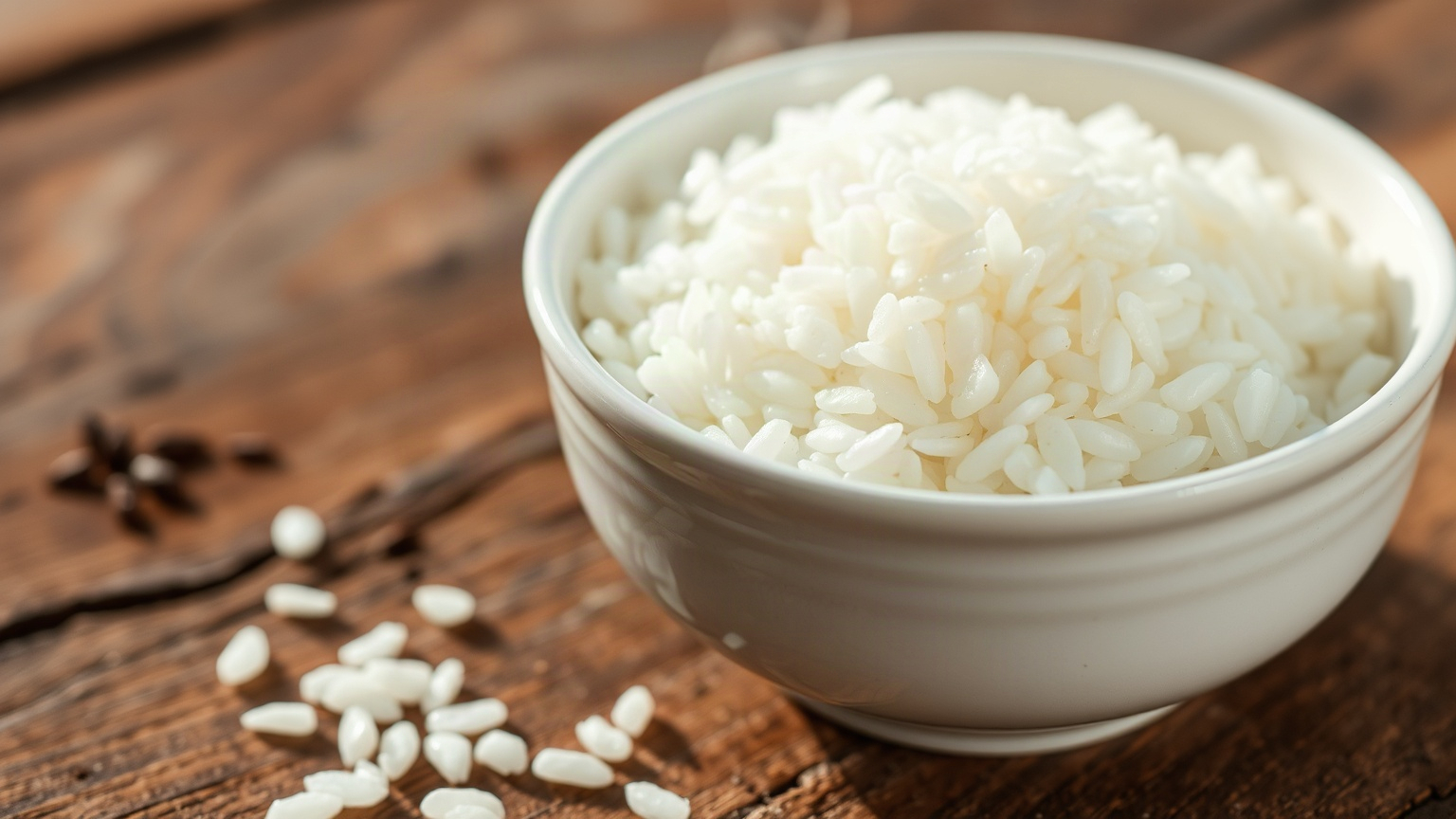
Rice is deceptive. It looks fine coming out of the fridge — maybe a little clumped, maybe a little hard — and then you blast it with heat and suddenly it’s either mushy or bone dry with no real middle ground. I’ve had both outcomes more times than I’d like to admit.
The problem is starch. Cooked rice is full of gelatinized starch that firms up when cold. Reheating it properly means bringing that starch back without adding so much moisture that it turns gluey, or so little that it cracks and dries out. Neither appliance is perfect here, but they fail in different ways — and depending on what you’re eating the rice with, one failure mode is a lot more tolerable than the other.
I’ve tested this with plain jasmine rice, short-grain sushi rice, brown rice, and fried rice. The results weren’t always what I expected.
How Each Appliance Actually Works on Rice
The Microwave Approach
Microwaves heat food by agitating water molecules. That’s why they’re so fast. For rice, it means the moisture already trapped in the grains heats up quickly, essentially steaming the rice from the inside. That’s good for speed. It’s not always good for texture.
The standard method — cover the bowl, add a splash of water, microwave on high for 2-3 minutes — does work. It gets the rice hot fast, and if you eat it immediately, it’s perfectly acceptable. My issue is the consistency. I’ve had the outer layer of a bowl get scalding hot while the center stayed fridge-cold. And if you leave it even 30 seconds too long, jasmine rice in particular goes strangely sticky and compacted.
That said, for plain white rice that’s going under a curry or a stir-fry sauce anyway? Honestly the microwave is fine. The texture issues get covered up.
The Toaster Oven Approach
A toaster oven uses dry radiant heat, which is completely different. Instead of steaming the rice internally, it warms it gradually from the outside in. This keeps the grains more structurally intact. You get that slightly toothsome bite that fresh rice has, rather than the steam-softened, almost melted texture the microwave can produce.
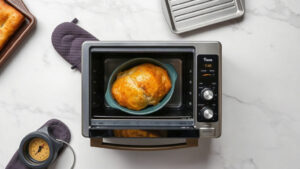
I put rice in an oven-safe dish, add about a teaspoon of water per cup of rice, cover it tightly with foil, and set the toaster oven to 300°F for about 12 minutes. Then I pull the foil back for the last 2 minutes if I want a tiny bit of texture on top. Works reliably. You do need a proper toaster oven baking pan with a lid or some heavy-duty foil — loose foil slides off and then you’ve got dry rice.
For more general guidance on reheating food in a toaster oven, the same principles apply: low-to-medium heat, cover to retain moisture, and check earlier than you think you need to.
Head-to-Head: The Real Comparison
| Factor | Toaster Oven | Microwave |
|---|---|---|
| Reheat time | 10–15 minutes at 300°F | 2–3 minutes on high |
| Texture result | Firm, separate grains | Softer, can get gummy |
| Even heating | Good with foil cover | Inconsistent, hot spots common |
| Best for | Fried rice, brown rice, eating plain | White rice under saucy dishes |
| Moisture control | Easy (add water, cover with foil) | Trickier to get right |
| Energy use | Higher (1,000–1,800W for longer) | Lower overall for short burst |
| Cleanup | One dish plus foil | One bowl, sometimes splatters |
Fried Rice: Not Even Close
If you have leftover fried rice, please don’t microwave it. I know that’s a strong statement. But the dry, wok-tossed texture that makes fried rice good gets completely steamrolled in a microwave — it comes out soft, a little soggy, and the egg pieces get rubbery. In a toaster oven at 325°F for about 10 minutes on a flat pan (no foil this time), the rice crisps slightly on the bottom and keeps its character. Closer to the original than any microwave result I’ve gotten.
For this, a toaster oven wire rack and baking sheet set is actually useful — the elevated rack lets heat circulate under the pan, which helps with that light crispness on the bottom layer.
Brown Rice vs. White Rice
Brown rice holds up better in the toaster oven than white rice does. It’s denser, has more fiber, and doesn’t dry out as fast. White rice — especially short-grain varieties — can go dry at the edges in a toaster oven if you’re not careful with the foil seal. The microwave actually handles short-grain white rice reasonably well because the steam keeps it from drying out.
So: brown rice, toaster oven. Short-grain white rice in a hurry, microwave with a damp paper towel on top instead of added water — that method gives slightly better control. It’s a personal preference, but I find the paper towel trick more consistent than trying to eyeball a teaspoon of water into a small bowl at 7am.
What Actually Trips People Up
The first time I tried reheating rice in a toaster oven, I didn’t cover it. At all. I thought the steam from the water I added would be enough. It wasn’t. The top layer got brittle while the bottom was still cold, and the whole thing had this unpleasant crust that I hadn’t asked for. Cover it. Always cover it, at least for the first 10 minutes.
The other mistake people make in the microwave is reheating rice straight from the fridge in a thick ceramic bowl. The bowl absorbs heat, the rice doesn’t. Switch to a thinner bowl or let the rice sit out for five minutes first. Small thing, big difference.
And temperature matters more than most people realize. Serious Eats has written about the best way to reheat rice with some genuinely useful detail on moisture management — worth reading if you’re a rice person.
Which Should You Actually Use?
Here’s my honest take after testing this more than any reasonable person probably should.
Use the toaster oven when: you’re eating the rice on its own or lightly dressed, you have fried rice, you have brown rice, or you have the time and actually care how the end result tastes. The texture difference is real and it matters.
Use the microwave when: it’s a weeknight, you’re putting the rice under something saucy, you have short-grain white rice, or you need it done in under five minutes. The microwave isn’t bad at this. It’s just different.
If you’re shopping for a toaster oven and use it for things like this regularly, it’s worth getting one with precise temperature control. The best mini toaster ovens can hold 300°F reliably, which makes all the difference. Cheaper models tend to run hot and uneven — I’ve had a $30 model that functionally ran at 350°F when set to 300°F, which is not what you want for delicate reheating tasks.
And if you want to know more about how high these appliances actually get temperature-wise, this breakdown of how hot a toaster gets gives useful context for understanding dry heat cooking in general.
The Breville compact toaster oven is my personal pick for this kind of precise reheating work — it holds temperature well and the interior is sized perfectly for a single dish of rice without wasting energy heating a cavernous oven.
The Bottom Line
The toaster oven produces better rice. That’s just true. It takes longer and requires a bit more setup — a dish, foil, knowing your oven temperature — but the result is noticeably better, especially for fried rice or any situation where you’re eating the rice plain.
The microwave is faster and totally adequate when the rice is just a base for something else. Neither one is wrong. But if someone asked me which produces rice worth actually eating on its own, it’s the toaster oven every time.
Don’t forget the food safety side of things either. Leftover rice can genuinely make you sick if it’s been sitting out. The USDA’s food storage safety guidelines are clear: refrigerate within an hour, reheat to 165°F, don’t repeat the process. Whatever appliance you use, that part isn’t optional.
Frequently Asked Questions
Can you reheat rice in a toaster oven without it drying out?
Yes, but you need to cover it tightly with foil and add a small amount of water — about a teaspoon per cup of rice — before sealing. Set the toaster oven to 300°F and heat for 10-12 minutes. The foil traps steam and keeps the grains from drying out at the edges.
Is microwave reheated rice safe to eat?
Yes, as long as the rice was properly stored in the refrigerator after cooking and is reheated to an internal temperature of 165°F. The food safety concern with leftover rice is bacterial growth during storage, not the reheating method itself. Use a food thermometer if you’re unsure — microwaves can heat unevenly, leaving cold spots below the safe temperature.
What temperature should a toaster oven be set to for reheating rice?
300°F is the sweet spot for plain white or brown rice in a covered dish. For fried rice on an open pan, 325°F works better and helps restore a bit of texture. Going higher than that tends to dry the rice out before the center has time to heat through.
Why does microwave rice come out gummy or sticky?
Microwaves heat by exciting water molecules in the food, which essentially steam-cooks the rice. Too much moisture or too long a cook time causes the starch in the grains to over-hydrate and clump together. Using less water (or a damp paper towel instead of added water) and checking at 90-second intervals helps prevent this.
Can you reheat fried rice in a toaster oven?
Absolutely, and it’s the best method for fried rice. Spread it in a thin layer on a toaster oven-safe pan, skip the foil cover, and heat at 325°F for 8-10 minutes. The dry heat helps restore the slightly crisp texture that makes fried rice good, which a microwave simply can’t replicate.

Written by
Emma founded Toastera to turn vague appliance advice into clear, researched, safety-first guidance on toasters and toaster ovens.
Free: the Toaster Oven Cheat Sheet
Get the printable cheat sheet (temps, cook times & safety tips) plus new recipes. No spam, unsubscribe anytime.